
The Magic Behind the Page: Unpacking E Ink Display Technology
The world of electronic displays is dominated by emissive technologies – screens that generate their own light, from the vibrant colors of OLEDs to the crisp whites of LCDs. Yet, a different kind of display technology has carved out a significant niche, particularly for reading and low-power applications: E Ink, or electronic paper. Unlike their emissive counterparts, E Ink screens are reflective, mimicking the appearance of ink on paper. This fundamental difference unlocks a unique set of advantages, from exceptional readability in bright sunlight to remarkably long battery life. Understanding how these displays work requires delving into their intricate anatomy and the sophisticated engineering that brings static images to life.
E-ink screens have revolutionized the way we read and interact with digital content, providing a paper-like experience that is easy on the eyes. For those interested in understanding the intricate details of e-ink technology, a related article can be found at this link: Freaky Science. This resource delves into the anatomy of e-ink screens, explaining how they work and the benefits they offer compared to traditional displays.
The Fundamental Building Blocks: Microcapsules and Their Pigments
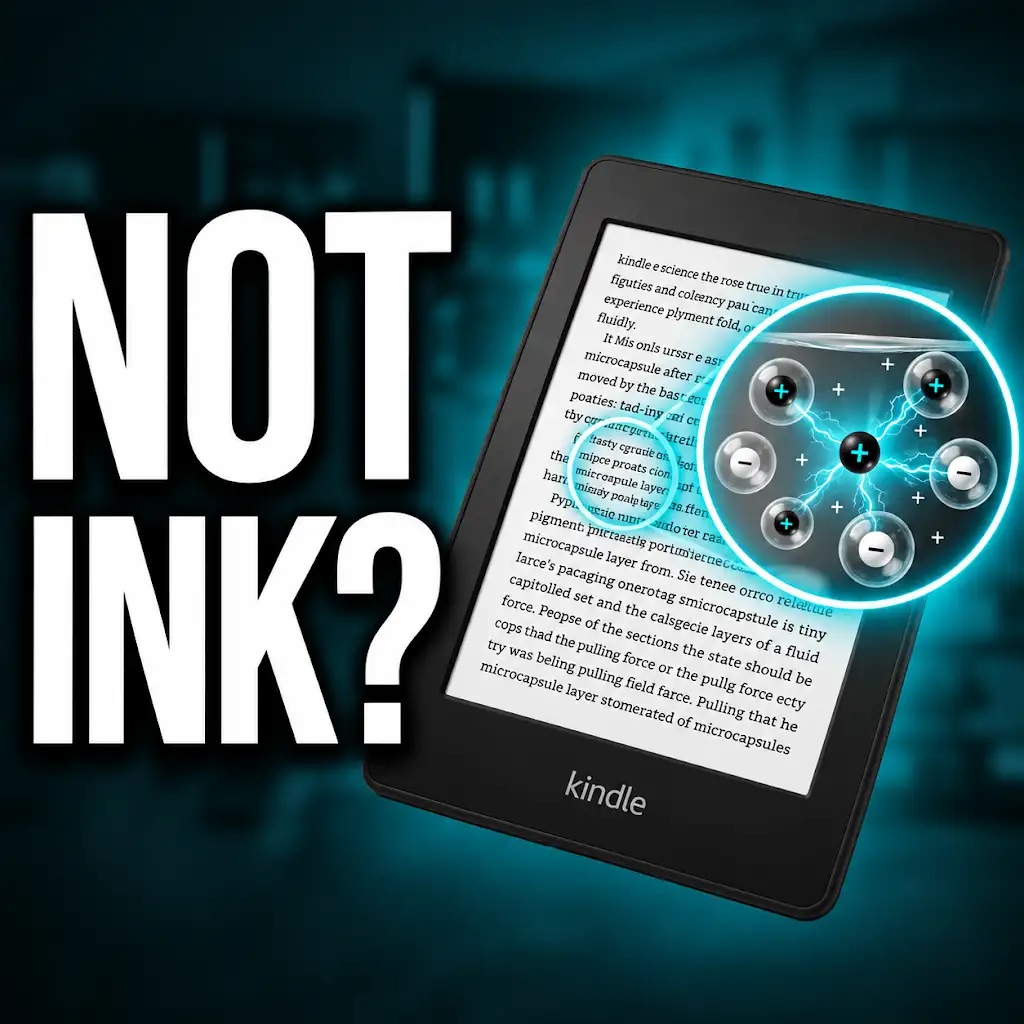
At the heart of every E Ink display lies a layer of microscopic capsules, each no larger than a human hair. These “microcapsules” are the fundamental units responsible for creating the image. Within each microcapsule, a complex dance of charged particles and pigments unfolds, orchestrating the visual output. The standard and most widely adopted E Ink technology utilizes what is often referred to as the bistable electrophoretic display (EPD) principle. This involves two types of charged pigment particles suspended within a clear fluid inside each microcapsule.
The Duo of Dichotomy: Black and White Particles
Within each microcapsule reside two distinct types of pigment particles: positively charged white particles and negatively charged black particles. These particles are carefully engineered to have different densities, a crucial factor for their controlled movement. The clear fluid acts as a medium, allowing these particles to move freely when an electric field is applied. The interplay between the electrical charge of the particles and the external electric field is the driving force behind image formation. When a specific voltage is applied to electrodes positioned above and below the microcapsule layer, these charged particles are repelled or attracted, congregating at either the top or the bottom of the capsule.
The Electrophoretic Ballet: Moving Particles, Forming Images
The magic of E Ink lies in its ability to control the position of these black and white particles within each microcapsule. Imagine a grid of these microcapsules forming the screen. By applying a precise pattern of electrical voltages to the electrodes beneath this layer, specific microcapsules can be instructed to display either black or white. If the white particles are moved to the top of a microcapsule, that specific pixel appears white. Conversely, if the black particles are moved to the top, the pixel appears black. This selective movement of charged particles, controlled by the underlying circuitry, creates the illusion of an image or text. The brilliance of this system is its bistable nature – once the particles are in a particular position, they tend to remain there even after the electric field is removed, requiring power only to change the image, not to maintain it.
The Orchestrating Layer: Electrodes and Control Circuitry
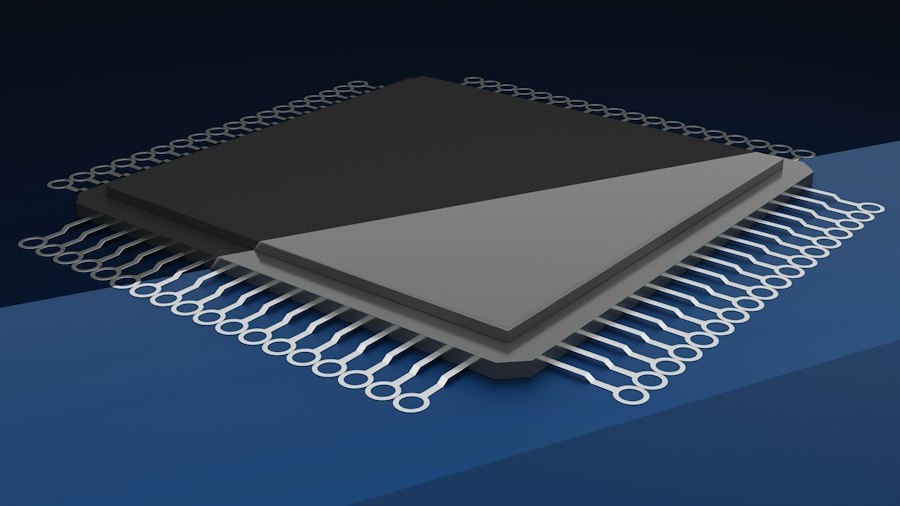
While the microcapsules are the visual actors, the electrodes and the intricate control circuitry are the directors, orchestrating their every move. This underlying layer is responsible for translating digital information into the precise electrical signals needed to manipulate the pigment particles within each microcapsule. Without this sophisticated electronic architecture, the potential of the E Ink technology would remain dormant.
The Pixel Grid: A Symphony of Electrodes
Beneath the microcapsule layer, a precisely patterned grid of transparent electrodes is laid out. These electrodes are typically made of Indium Tin Oxide (ITO), a conductive and transparent material. Each electrode corresponds to a single pixel on the E Ink display. The resolution of the display is determined by the density of these electrodes – the more electrodes, the finer the detail that can be rendered. When a voltage is applied to a specific electrode, it creates an electric field that extends upwards into the microcapsule layer. This field is localized to the area directly above the activated electrode, ensuring that only the intended microcapsule (or a small group of them for a larger pixel) is affected.
The Brains of the Operation: Gate and Data Lines
The electrodes are not directly connected to a power source. Instead, they are controlled by a complex network of “gate” and “data” lines, akin to the row and column structure found in traditional LCDs. The gate lines act as switches, activating entire rows of electrodes. The data lines then provide the specific voltage information to the selected electrodes within that row. This matrix addressing scheme allows for efficient control of thousands or even millions of individual pixels. The control circuitry, often integrated into a microcontroller or a dedicated display driver IC, receives image data from the device’s processor and translates it into the sequence of signals sent to the gate and data lines, meticulously choreographing the electrophoretic movement of pigments.
The Supporting Cast: Substrate, Polarizer, and Cover Layer
Beyond the core microcapsule and electrode layers, several other components play crucial roles in the functionality, durability, and visual performance of an E Ink display. These supporting elements ensure that the delicate microcapsules are protected, that the image is properly perceived, and that the display can withstand the rigors of everyday use.
The Foundation: The Substrate
The E Ink display is built upon a substrate, which provides a stable base for all the other layers. For flexible E Ink displays, this substrate is typically a thin, durable plastic film, such as PET (polyethylene terephthalate). For more rigid displays, glass can also be used. The substrate must be precisely manufactured to ensure the flatness and integrity of the subsequent layers. The electrode patterns are often etched directly onto this substrate. The choice of substrate significantly influences the flexibility and ruggedness of the final display.
Enhancing Contrast and Reducing Glare: The Polarizer and Optical Films
To optimize the visual experience, E Ink displays often incorporate optical films, including a polarizer. While E Ink is inherently reflective, the quality of the reflection can be further enhanced. A polarizer can help to reduce ambient light glare, making the screen more readable in bright conditions. Additionally, other optical films might be employed to improve color saturation (in color E Ink displays) or to enhance the perceived contrast between the black and white text and the background. These films are carefully chosen and laminated onto the display stack to achieve the desired visual characteristics without hindering the reflective nature of the E Ink.
The Protective Shield: The Cover Layer
The uppermost layer of an E Ink display is the cover layer. This transparent material serves as a protective barrier against scratches, smudges, and other forms of damage. For many E Ink devices, especially e-readers, this cover layer is often made of a durable plastic or specially treated glass. Its transparency is paramount, ensuring that it does not interfere with the light reflecting off the microcapsules beneath. In some advanced designs, the cover layer might also incorporate touch-sensing capabilities, allowing for interaction with the device through the display itself.
Understanding the intricacies of e-ink screen anatomy can greatly enhance your appreciation of this innovative technology. For those interested in delving deeper into the subject, you might find a related article on the topic particularly enlightening. It explores the various components and functioning of e-ink displays, shedding light on how they differ from traditional screens. You can read more about it in this informative article.
The Color Revolution: Introducing Chromatic E Ink
| Component | Description | Function | Typical Size/Dimension | Material |
|---|---|---|---|---|
| Microcapsules | Microscopic capsules containing charged black and white particles | Display pixels by moving particles to surface or bottom | Approximately 40 micrometers in diameter | Polymer shell with charged pigment particles |
| Electrodes | Transparent conductive layers on front and back of microcapsules | Apply electric field to move charged particles | Thickness: ~100 nanometers | Indium Tin Oxide (ITO) |
| Substrate | Base layer supporting the e-ink display | Structural support and electrical connections | Varies by device, typically thin plastic or glass | Plastic (PET) or glass |
| Backplane | Layer containing thin-film transistors (TFTs) | Controls individual pixels by switching electrodes on/off | Micrometer scale transistor arrays | Amorphous silicon or oxide semiconductors |
| Encapsulation Layer | Protective coating over microcapsules | Protects microcapsules from damage and moisture | Micrometer thickness | Polymer coatings |
| Reflective Layer | Layer behind microcapsules | Reflects ambient light to make display visible without backlight | Thin film | White pigment or reflective polymer |
While black and white E Ink has been the standard for years, the technology has evolved to incorporate color. The advent of color E Ink displays has opened up new possibilities for applications beyond simple text and monochrome images, promising the readability advantages of E Ink with a more visually engaging experience. The fundamental principle remains the same, but the implementation involves additional layers and sophisticated color filtering techniques.
Beyond Black and White: The Spectra™ and Kaleido™ Technologies
Color E Ink displays have been developed through various technological advancements. One notable technology is E Ink’s Spectra™ system, which utilizes a proprietary arrangement of colored pigments within the microcapsules. Another significant advancement is the E Ink Kaleido™ series, which employs a color filter array (CFA) placed above a standard black and white E Ink display. In the Kaleido™ approach, the monochrome E Ink layer displays shades of gray, and then a layer of colored filters (red, green, blue) selectively allows certain wavelengths of ambient light to pass through, creating the perception of color.
The Trade-offs of Color: Refresh Rates and Saturation
While color E Ink is a significant leap forward, it comes with certain trade-offs compared to its monochrome predecessors. Typically, color E Ink displays have slightly lower color saturation and can exhibit slower refresh rates than monochrome versions. This is often due to the added complexity of the color filtering or the layered pigment structures, which can impede the rapid movement of particles. Despite these limitations, color E Ink is proving to be a viable option for applications where the unique benefits of E Ink – such as readability in sunlight and low power consumption – are paramount, and where full-gamut, high-refresh-rate color is not the primary requirement. Examples include e-readers with covers, retail signage, and smartwatches.
The Advantages of Reflective Displays: Power, Readability, and Environmental Impact
The unique reflective nature of E Ink technology unlocks a suite of benefits that set it apart from emissive displays. These advantages are not merely academic; they translate into tangible improvements in user experience, device longevity, and even environmental considerations. Understanding these benefits highlights why E Ink continues to be a compelling choice for specific applications.
The Power Saver: Minimal Energy Consumption
Perhaps the most significant advantage of E Ink displays is their extraordinarily low power consumption. Because they are reflective, they do not require a backlight to be visible. Power is only consumed when the image on the screen is changed. Once an image is set, it can remain displayed indefinitely without drawing any power. This “bistable” characteristic is the foundation of the incredible battery life experienced by users of E Ink devices. E-readers, for instance, can last for weeks on a single charge, a feat practically impossible for devices with emissive displays. This power efficiency also makes E Ink an attractive option for battery-powered IoT devices and electronic shelf labels that need to operate for extended periods without frequent recharging or battery replacement.
Sunlight and Eye Comfort: A Natural Reading Experience
The reflective nature of E Ink also contributes to its exceptional readability, particularly in bright ambient light. Unlike emissive displays, which can be washed out by sunlight, E Ink screens get brighter the more light they receive, much like a printed page. This makes them ideal for outdoor use and for extended reading sessions. Furthermore, E Ink displays do not emit light directly into the user’s eyes. This lack of blue light emission and the absence of flickering associated with some emissive technologies significantly reduce eye strain, making them far more comfortable for prolonged reading. This user comfort is a key reason for their dominance in the e-reader market.
Durability and Sustainability: Built to Last
The materials and construction of E Ink displays also contribute to their durability and potential for environmental sustainability. The thin, flexible nature of many E Ink substrates allows for the creation of robust and shatter-resistant devices. The low power consumption inherently leads to a reduced carbon footprint during the device’s operational life. Furthermore, the reflective nature means that fewer resources are needed for power generation compared to emissive displays. While the manufacturing process itself has its own environmental considerations, the long operational lifespan and minimal energy requirements of E Ink devices present a compelling case for their sustainability. The ability to retain an image without power also means that static information can be displayed continuously without contributing to energy waste.
Why Your Kindle Screen Doesn’t Work the Way You Think
FAQs
What is an e ink screen made of?
An e ink screen is made of millions of tiny microcapsules filled with positively charged white particles and negatively charged black particles, suspended in a clear fluid.
How does an e ink screen display text and images?
When an electric field is applied to the microcapsules, the particles move to the top of the capsule, creating a visible pattern. By controlling the electric charge on each capsule, text and images can be displayed.
What are the advantages of using an e ink screen?
E ink screens have several advantages, including low power consumption, high visibility in direct sunlight, and the ability to maintain an image without using power once it is displayed.
Can e ink screens display color?
Most e ink screens are grayscale and display images in black and white. However, there are some e ink screens that can display limited color by using color filters over the black and white particles.
Are e ink screens flexible?
Yes, e ink screens can be made flexible by using a plastic substrate instead of glass. This flexibility allows for the creation of curved or bendable e ink displays.