The vibrant tapestry of feline coat colors and patterns is a source of endless fascination for cat enthusiasts. From the deepest blacks and purest whites to the striking marmalades and subtle grays, each hue and design tells a story of genetics and heritage. However, beyond the aesthetic appeal, understanding these variations can also offer valuable insights into a cat’s health and well-being, making it a crucial aspect of responsible veterinary care. This exploration delves into the fascinating world of cat fur colors, their genetic underpinnings, and how they can sometimes intersect with veterinary considerations.
The Genetic Blueprint of Cat Coat Colors
The astonishing diversity of cat fur colors and patterns is a testament to the intricate dance of genes. These genes dictate the production and distribution of pigments within the hair shafts, resulting in the myriad of appearances we observe in our feline companions. Understanding the basic principles of feline genetics provides a foundation for appreciating the complexity and beauty of their coats.
Pigment Production: Melanin’s Role
The primary pigment responsible for almost all feline coat colors is melanin. There are two main types of melanin: eumelanin and phaeomelanin. Eumelanin is responsible for black and brown pigments, while phaeomelanin produces red and yellow pigments. The genes that control melanin production and its transformation are foundational to all coat color variations.
Eumelanin and its Variations
The gene that controls the presence of eumelanin is often referred to as the “B” locus. The dominant allele (B) results in black pigment. However, a recessive allele (b) can transform black eumelanin into brown. This is why some cats appear chocolate brown instead of black. Further genetic interactions can even dilute these colors. For instance, the “D” locus controls the intensity of pigment. The dominant allele (D) allows for full pigment expression, while the recessive allele (d) dilutes eumelanin. This dilution can turn black into a slate gray (often called blue) and brown into a lighter, lilac or fawn color.
Phaeomelanin and the Red Factor
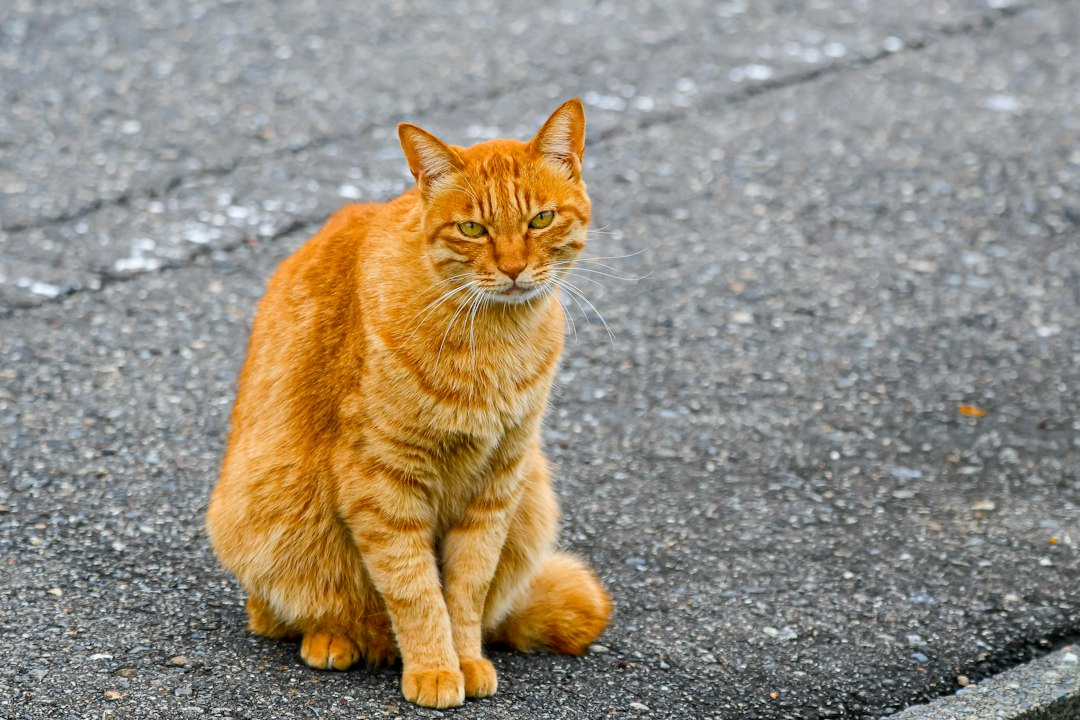
The gene responsible for phaeomelanin, often called the “O” locus, is sex-linked, meaning it is located on the X chromosome. This is why ginger, orange, or red cats are overwhelmingly male. Females have two X chromosomes, so they can be ginger only if they inherit the ginger gene on both. If a female inherits the ginger gene on one X chromosome and a non-ginger gene on the other, she will display a tortoiseshell or calico pattern, a mosaic of red and black (or its diluted versions). The intensity of phaeomelanin can also vary, leading to a spectrum from pale cream to deep marmalade.
Patterns and Dilutions: Beyond Solid Colors
Beyond the base pigment, a variety of genes dictate how these colors are distributed, creating intricate patterns and dilutions.
The Agouti Gene and Tabby Patterns
The agouti gene (A locus) plays a crucial role in determining whether a cat has a solid coat or a tabby pattern. The dominant allele (A) allows for the expression of the tabby pattern, where bands of color are interspersed with lighter bands. The recessive allele (a) results in a solid coat by suppressing the tabby pattern. There are several recognized tabby patterns, including the classic (blotched), mackerel (striped), ticked (often seen in Abyssinians), and spotted. These patterns are all variations in how the agouti gene interacts with the underlying pigment genes.
White Spotting and its Influence
The gene responsible for white spotting (S locus) introduces white patches to a cat’s coat. The extent of white spotting can vary dramatically, from a small white locket on the chest to a cat that is almost entirely white. This gene’s expression is somewhat random, leading to unique patterns on each cat. While white spotting itself is a pattern, it can also influence the visibility of other patterns. For example, a cat with significant white spotting might appear to have less of its underlying tabby or solid color.
Colorpoint Patterns: A Temperature-Sensitive Phenomenon
Colorpoint patterns, famously seen in Siamese and Himalayan breeds, are a fascinating example of temperature-sensitive gene expression. The “cs” allele at the C locus results in a temperature-sensitive enzyme that affects pigment production. Cooler areas of the body (extremities like ears, paws, and tail) are able to produce pigment, resulting in darker points, while warmer areas remain lighter. This is why kittens are born entirely cream-colored; as they mature, their extremities cool and develop their characteristic dark points.
Understanding the relationship between cat fur color and veterinary care can provide valuable insights for pet owners. For instance, certain fur colors may be associated with specific genetic traits that can influence a cat’s health. A related article discussing these connections can be found at Freaky Science, where you can explore how fur color might impact veterinary considerations and overall care for your feline friend.
Veterinary Considerations Linked to Coat Colors
While most cat coat colors are purely a matter of genetics and pose no inherent health risks, certain patterns and colors can sometimes be associated with specific genetic conditions or predispositions. Veterinary professionals are trained to recognize these associations and use them as part of a comprehensive health assessment.
White Cats and Hearing Impairment
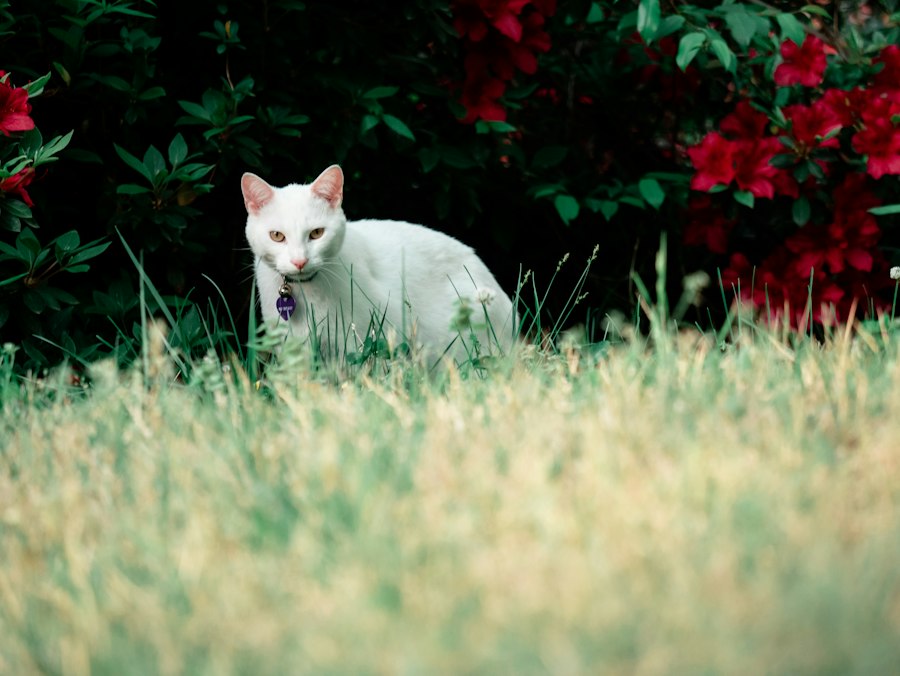
A striking observation in veterinary practice is the correlation between white fur and deafness, particularly in cats with two blue eyes. The gene for white fur, especially when it results in a predominantly white coat, can be linked to the gene responsible for blue eyes. Both of these traits are often associated with a form of congenital deafness caused by the degeneration of the cochlea. It is estimated that about 30% of white cats are deaf, and this percentage increases to over 50% if they have blue eyes. If a white cat has one blue eye and one of another color (a condition called heterochromia), the deafness is often unilateral, affecting only the ear on the same side as the blue eye.
Screening for Deafness
Veterinary clinics may recommend hearing tests for white cats, especially those with blue eyes, to assess their hearing ability. While deafness is not a treatable condition, understanding a cat’s hearing status allows owners to adapt their care. For example, deaf cats need to be kept indoors for their safety, as they cannot hear approaching dangers like traffic. Training methods for deaf cats can also be modified, relying on visual cues rather than auditory commands.
Calico and Tortoiseshell Cats and the “Calico Syndrome”
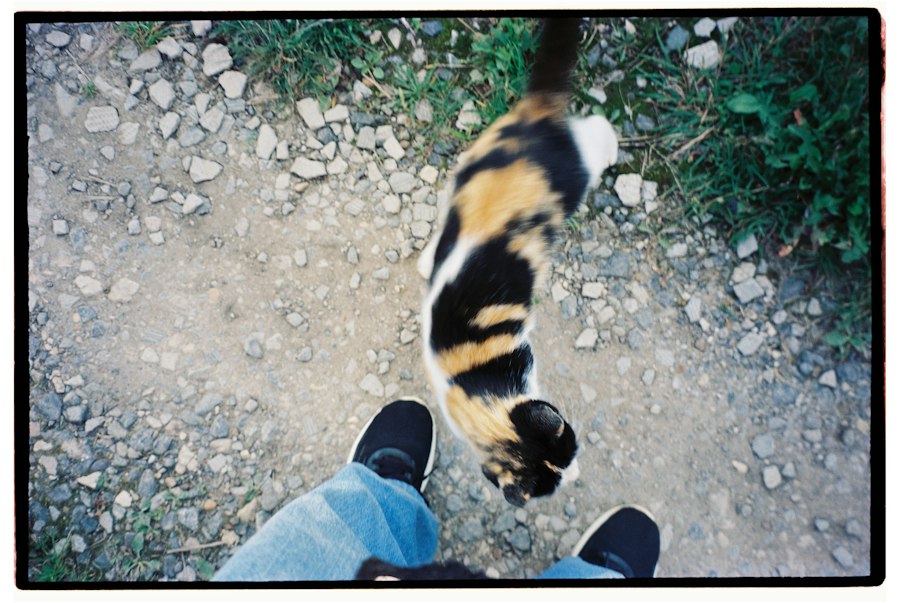
Calico (white, black, and orange patches) and tortoiseshell (black and orange patches, with or without white) cats are almost exclusively female due to the sex-linked nature of the orange gene. Very rarely, a male cat can be a calico or tortoiseshell, but this is usually due to a chromosomal abnormality, specifically Klinefelter syndrome (XXY chromosomes). These male cats are typically sterile and have a higher incidence of health problems.
Klinefelter Syndrome in Male Calicos
While not a direct consequence of the color itself, the presence of the XXY genotype in male calicos means they have a higher risk of developing certain health issues, including developmental abnormalities and a predisposition to bone marrow issues. Veterinarians may be more vigilant in monitoring the overall health and development of male calico cats.
Black Cats and Vitamin D Metabolism
While there is no definitive scientific evidence linking black fur color to specific health problems, anecdotal observations and some studies have explored potential subtle differences. One area that has been occasionally investigated is vitamin D metabolism. It has been hypothesized that darker pigmented skin might absorb less ultraviolet (UV) radiation, which is essential for vitamin D synthesis. However, most domestic cats get sufficient vitamin D from their diet, and the role of sun exposure in vitamin D synthesis for felines is less critical than for some other species. Therefore, this is generally not a significant veterinary concern for black cats.
Breed-Specific Considerations and Coat Colors
Certain cat breeds are recognized for specific coat colors and patterns, and these can sometimes be associated with breed-specific genetic health issues. While not every cat of a particular color within a breed will be affected, awareness is key for proactive veterinary care.
Siamese and Oriental Breeds and Ameloblastoma
Siamese and Oriental Shorthair cats, which are known for their striking colorpoint patterns, have a higher incidence of a rare type of oral tumor called ameloblastoma. While this is not directly linked to the colorpoint pattern itself, these breeds are genetically predisposed to certain conditions, and veterinarians are often more attentive to oral health screenings in these cats.
Maine Coons and Polydactyly
Maine Coons are a breed often associated with polydactyly, meaning they have extra toes. This trait is particularly common in older lineages of the breed and is not considered a health problem by many breeders and owners. However, it can occasionally lead to issues with nail trimming or gait if the extra toes are positioned unusually. Veterinarians will note the presence of polydactyly during physical examinations and advise on any potential care needs.
Burmese Cats and the “Burmese Hip Dysplasia”
Burmese cats, regardless of their coat color, are known to have a higher predisposition to hip dysplasia. This genetic condition affects the hip joint and can lead to arthritis and pain. Responsible breeders screen their cats for hip health, and veterinarians will assess gait and joint health during routine check-ups, especially in Burmese cats.
Grooming and Coat Health Across Different Colors
While coat color itself doesn’t inherently change a cat’s grooming needs, certain coat types, which are often associated with specific colors or breeds, can influence the required care. Maintaining a healthy coat is vital for a cat’s overall well-being, regardless of its hue.
Long-Haired vs. Short-Haired Cats
Long-haired cats, regardless of their color, will generally require more frequent brushing than short-haired cats to prevent matting and tangles. Breeds like Persians and Ragdolls, which often come in a variety of colors, are particularly susceptible to matting. Regular grooming helps distribute natural oils, removes loose hair, and allows owners to spot any skin abnormalities, parasites, or lumps.
The Importance of Diet for Coat Quality
A cat’s diet plays a fundamental role in the health and luster of its coat, irrespective of color. A balanced diet rich in essential fatty acids, proteins, vitamins, and minerals is crucial for healthy skin and hair growth. Deficiencies in these nutrients can lead to a dull coat, excessive shedding, or skin irritation. Veterinarians often recommend high-quality commercial cat foods that are specifically formulated to meet a cat’s nutritional needs.
Parasite Prevention and Coat Examination
When examining a cat’s coat during grooming or veterinary visits, it’s essential to look for external parasites like fleas and ticks. These parasites can affect cats of any color and can cause significant discomfort, skin irritation, and even transmit diseases. Regular parasite prevention is a cornerstone of responsible pet ownership and is recommended by veterinarians for all cats.
Understanding the relationship between cat fur color and veterinary care can provide valuable insights for pet owners. For instance, certain fur colors may be associated with specific health issues, making it essential for veterinarians to consider these factors during examinations. A related article discusses the importance of recognizing these connections and how they can influence treatment options. You can read more about this fascinating topic in the article here. By staying informed, cat owners can ensure their furry friends receive the best possible care tailored to their unique characteristics.
Recognizing Skin Conditions and Dermatological Issues
| Cat Fur Color | Common Health Concerns | Veterinary Care Recommendations | Frequency of Vet Visits |
|---|---|---|---|
| Black | Skin allergies, sun sensitivity | Regular skin checks, flea prevention | Every 6-12 months |
| White | Sunburn, deafness (especially blue-eyed) | Sun protection, hearing tests | Every 6 months |
| Orange (Ginger) | Obesity, dental issues | Weight management, dental cleanings | Every 6-12 months |
| Calico | Urinary tract infections, obesity | Hydration monitoring, diet control | Every 6-12 months |
| Gray (Blue) | Respiratory issues, arthritis | Respiratory exams, joint supplements | Annually |
While many coat color variations are benign, changes in a cat’s fur, such as unusual shedding, bald patches, or changes in texture, can sometimes indicate underlying health problems. Veterinary professionals are trained to diagnose and treat a wide range of dermatological conditions.
Allergic Dermatitis
Cats can suffer from allergies, similar to humans. These allergies can manifest as skin issues, including itching, redness, and hair loss. Common allergens include certain foods, environmental factors like pollen or dust mites, and flea saliva. While allergies are not specific to any particular coat color, veterinarians will consider a cat’s overall health history and perform diagnostic tests to identify the cause.
Fungal and Bacterial Infections
Skin infections, such as ringworm (a fungal infection) or bacterial pyoderma, can affect cats of any color. These infections can cause lesions, hair loss, and inflammation. Diagnosis and treatment by a veterinarian are crucial to prevent the spread of infection and to ensure the cat’s comfort.
Autoimmune Skin Diseases
In rare cases, cats can develop autoimmune skin diseases where their immune system attacks their own skin cells. These conditions can manifest in various ways, including crusting, ulceration, and hair loss. While not directly tied to specific coat colors, a thorough dermatological examination by a veterinarian is necessary for diagnosis and management.
The Role of the Veterinarian in Coat Health
Ultimately, a cat’s coat color is a beautiful genetic expression. However, it is through careful observation and regular veterinary care that potential health concerns associated with these variations can be identified and addressed. Veterinarians use their knowledge of genetics, breed predispositions, and common feline diseases to provide the best possible care for every cat, ensuring their health and happiness regardless of their coat’s dazzling spectrum. Regular check-ups allow for early detection of any issues, and open communication between owner and veterinarian is key to maintaining a vibrant and healthy life for our feline companions.
Which Cat Color Lives Longest? The Research Has a Twist
FAQs
What are the most common fur colors in cats?
The most common fur colors in cats are black, white, gray, brown, and orange. Cats can also have a combination of these colors in various patterns.
How does a cat’s fur color affect their health?
A cat’s fur color does not directly affect their health. However, certain coat colors, such as white cats with blue eyes, may be more prone to deafness. It is important to focus on overall health and wellness regardless of fur color.
Are certain fur colors more prone to skin conditions?
There is no direct correlation between fur color and skin conditions in cats. Skin conditions can occur in cats of any fur color and are usually related to factors such as allergies, parasites, or underlying health issues.
Do cats with lighter fur colors need special care in terms of sun exposure?
Cats with lighter fur colors, such as white or cream, may be more prone to sunburn and skin cancer from excessive sun exposure. It is important to provide these cats with shade and limit their time outdoors during peak sun hours.
Can a cat’s fur color impact their behavior or personality?
A cat’s fur color does not directly impact their behavior or personality. While some people believe in stereotypes associated with certain fur colors (e.g., orange cats are more friendly), a cat’s behavior is influenced by a variety of factors including genetics, socialization, and individual temperament.