The vibrant tapestry of feline hues is a source of endless fascination for cat lovers. From the deepest blacks to the most dazzling tortoiseshells, each coat color tells a story, and for some, it might even hint at a cat’s potential lifespan. While the world of cat genetics is complex and nuanced, research and anecdotal evidence suggest fascinating correlations between coat patterns and a cat’s overall health and longevity. Understanding these links can offer valuable insights for potential adopters and devoted owners alike, helping them appreciate the unique characteristics of their feline companions.
The Genetics Behind the Colors: A Chromosomal Symphony
The diversity of cat coat colors and patterns is a testament to the intricate dance of genes. These genes, located on chromosomes, dictate everything from the pigment produced to how it’s distributed across the fur. The primary pigments involved are eumelanin, responsible for black and brown shades, and pheomelanin, which produces red and yellow tones. Modifier genes then play a crucial role in transforming these basic pigments into the vast array of colors and patterns we observe.
Melanin Production and Distribution
At the fundamental level, pigment production in cats is controlled by the presence and activity of melanocytes, specialized cells that produce melanin. Two main types of melanin exist: black (eumelanin) and red (pheomelanin). The genes that control these pigments are located on different chromosomes and interact in complex ways. For instance, the B locus gene determines whether eumelanin is expressed as black or brown. The O locus gene, located on the X chromosome, is responsible for the presence of red pigment. This X-linked inheritance is particularly interesting because it explains why calico and tortoiseshell patterns are almost exclusively found in female cats. Males, possessing only one X chromosome, can be black, red, or a dilute version of these, but rarely a combination of both, unless they have a rare genetic anomaly (XXY chromosomes).
The Role of Dilution and Pattern Genes
Beyond the base pigments, other genes introduce dilution and create intricate patterns. The D locus gene, for example, dilutes black to grey (often called blue) and red to cream. This dilution is a recessive trait, meaning a cat needs two copies of the dilution gene for the effect to be visible. Pattern genes are equally significant. The tabby gene, a dominant trait, is responsible for the characteristic stripes, swirls, and spots seen in many cats. Several alleles exist within the tabby gene, leading to different tabby patterns like mackerel (striped), classic (swirled), and ticked (individual hairs banded with color). White spotting, another common pattern, is controlled by a separate gene that dictates the amount and placement of white fur. The extent of white can range from a few small patches to being almost entirely white.
Epigenetics and Environmental Influences
While genetics lays the foundation for coat color, the field of epigenetics suggests that environmental factors and even a cat’s diet can influence gene expression over time. While not directly altering the DNA sequence, epigenetic modifications can affect how genes are read and utilized. This means that a cat’s coat color might subtly change throughout its life due to factors like nutrition, stress levels, or exposure to sunlight, though these changes are typically minor compared to the primary genetic blueprint. For instance, sunlight can bleach darker coats, making them appear lighter or revealing underlying red tones that were not as prominent before.
Research has shown that a cat’s coat color can be linked to various health factors, potentially influencing its life expectancy. For a deeper understanding of this intriguing relationship, you can explore the article on this topic at Freaky Science. This resource delves into how genetics, including coat color, may play a role in a cat’s overall health and longevity, providing valuable insights for pet owners.
Connecting Coat Color to Longevity: Emerging Trends and Theories
While a cat’s coat color doesn’t guarantee a certain lifespan, studies and anecdotal observations have begun to highlight some intriguing correlations. These connections are often not direct causality but rather indicative of underlying genetic predispositions or environmental factors that may influence health and, consequently, longevity.
Calico and Tortoiseshell Cats: A Female Powerhouse
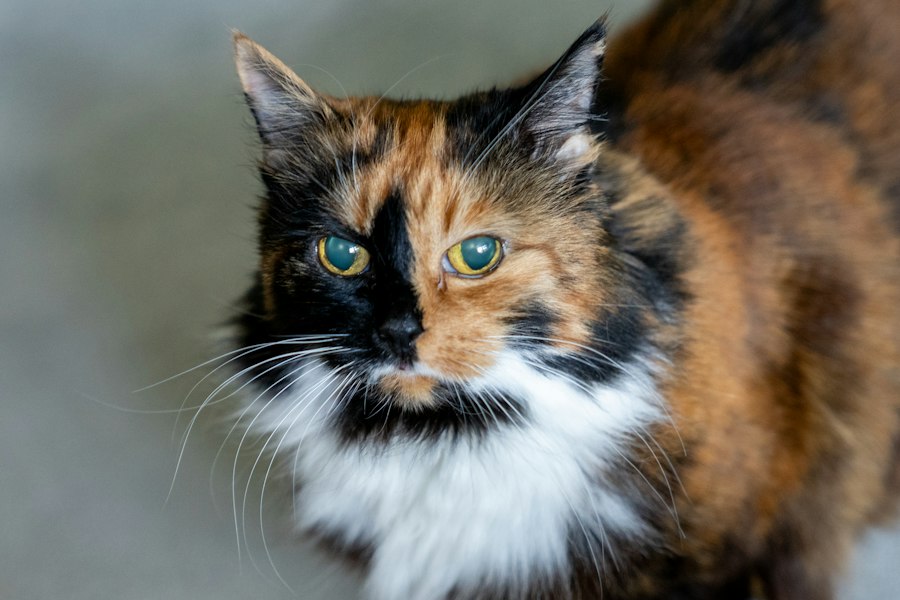
Calico and tortoiseshell cats, characterized by their distinct patches of white, black, and orange (or their dilute versions), are overwhelmingly female. As previously mentioned, this is due to the X-linked nature of the gene responsible for red pigment. The gene for orange fur is on the X chromosome. Females have two X chromosomes (XX), allowing them to express both black and orange pigments simultaneously. Males, with one X and one Y chromosome (XY), typically only express one or the other. The rare male calico or tortoiseshell is usually sterile and has XXY chromosomes.
Several studies and veterinary observations suggest that these tri-color females often exhibit remarkable resilience and good health. Anecdotal evidence from shelters and rescues frequently points to calicos and torties being robust and less prone to certain common feline ailments. While definitive scientific explanations are still being explored, some theories propose that the complex genetic interplay required for their coloration might confer certain advantages. Another possibility is that the strong association with female cats might be a confounding factor; female cats, in general, tend to live longer than male cats due to hormonal differences and a lower propensity for certain risk-taking behaviors or territorial fights that can lead to injury.
The “Blue” Coat and Potential Health Considerations
Cats with dilute coat colors, often referred to as “blue” (which is actually diluted black) or cream (diluted red), are the result of the recessive dilution gene. While a beautiful and sought-after coloration, some research has suggested a potential link between the dilution gene and a higher incidence of certain health issues, particularly in breeds that frequently exhibit dilute coats, such as the Russian Blue or British Shorthair.
Dilution Alopecia and Cardiovascular Links
One notable condition sometimes associated with dilute coats is Dilution Alopecia, also known as Color Dilution Alopecia. This is a genetic skin condition characterized by hair loss, particularly in areas of dilute coloration, and can also lead to dry, scaly skin. It’s not universal among dilute cats, but it’s a recognized concern. Furthermore, some preliminary research has hinted at potential links between the dilution gene and an increased susceptibility to certain cardiovascular conditions, such as dilated cardiomyopathy, in some breeds. However, it is crucial to emphasize that this is an area of ongoing research, and many dilute cats live long and healthy lives without any such issues. Responsible breeding practices and regular veterinary check-ups are paramount for all cats, regardless of their coat color.
White Coats and Sensory Sensitivities
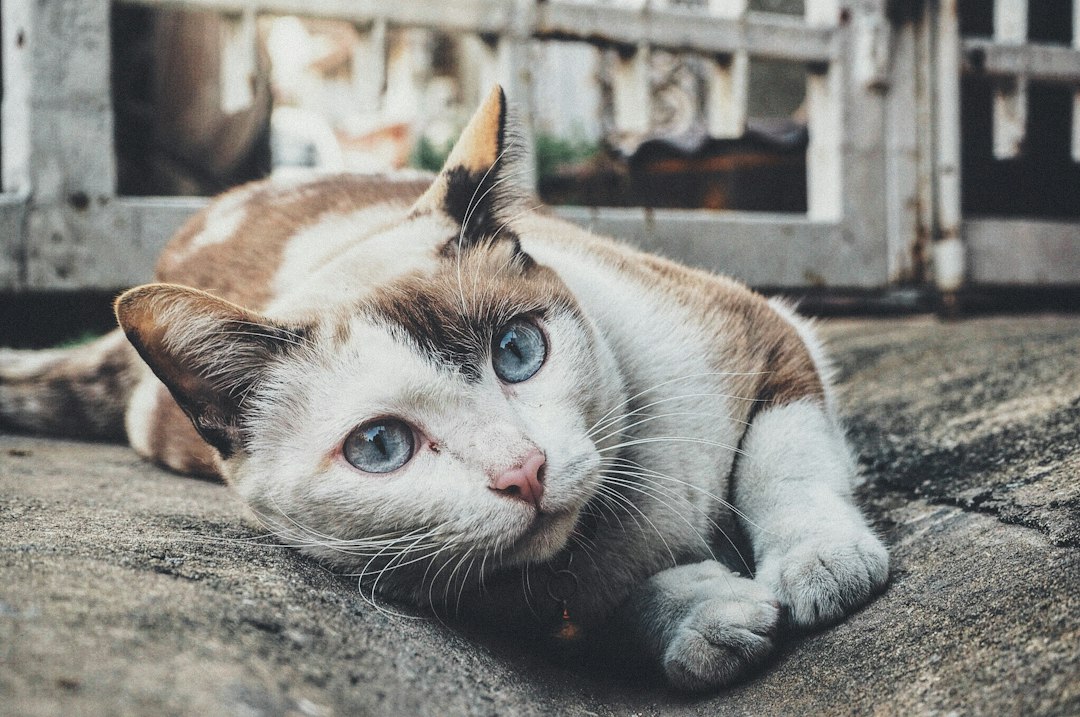
Cats with predominantly white coats, especially those with blue eyes, have long been associated with a higher risk of deafness. The gene responsible for white fur is dominant and can be linked to the piebald gene, which also influences the development of the inner ear. If the white fur is caused by the S gene, it’s less likely to be associated with deafness. However, if the white fur is a result of the W gene, it can be linked to deafness, particularly if the cat also has blue eyes.
Congenital Deafness and Other Concerns
The specific genetic pathway that leads to white fur can sometimes interfere with the development of hair follicles in the inner ear, leading to congenital deafness. This is not always the case, and some white cats have perfectly normal hearing. However, it is a known correlation that owners of white cats should be aware of. Beyond deafness, some anecdotal evidence suggests that white cats might be more susceptible to skin cancers, particularly those with unpigmented skin (pink noses and ears), due to increased sensitivity to UV radiation. Again, this is not a universal truth, and many white cats are perfectly healthy. Regular skin checks and providing shaded areas are good preventative measures for all cats, especially those with lighter pigmentation.
The Influence of Breed and Genetics: Beyond Just Color
While coat color is a visually striking characteristic, it’s important to remember that a cat’s breed plays a much more significant role in determining its overall health and potential lifespan. Many breeds have been selectively bred over generations, which can unfortunately concentrate certain genetic predispositions to specific health conditions.
Purebred vs. Mixed Breed Lifespans
Purebred cats, by their nature, have a more defined genetic makeup. While this can lead to desirable traits and predictable appearances, it can also mean they are more prone to certain inherited diseases common within their breed. For example, some long-haired breeds might be more prone to hairballs and gastrointestinal issues, while certain brachycephalic (flat-faced) breeds can experience respiratory problems. Mixed-breed cats, often referred to as domestic shorthairs or longhairs, generally benefit from a wider gene pool, which can translate to greater genetic diversity and, consequently, fewer breed-specific health issues. This is often referred to as “hybrid vigor.”
Breed-Specific Health Predispositions
Each breed has its own unique set of potential health concerns that have been identified through decades of observation and genetic research. For instance, Persian cats are known to be predisposed to polycystic kidney disease (PKD) and eye conditions like entropion. Maine Coons, despite their robust appearance, can be prone to hip dysplasia and hypertrophic cardiomyopathy (HCM), a heart condition. Siamese cats may be more susceptible to amyloidosis, a protein-folding disorder.
Understanding the “Average” Lifespan
The “average” lifespan for a domestic cat is generally considered to be between 12 and 15 years. However, this is a broad generalization. Indoor cats, protected from the dangers of outdoor life such as traffic accidents, predation, and infectious diseases, often live significantly longer, with many reaching their late teens and even early twenties. Outdoor cats, or those with access to the outdoors, tend to have shorter lifespans due to the increased risks they face. Breed, genetics, diet, veterinary care, and lifestyle all contribute to how long an individual cat will live.
Lifestyle and Environmental Factors: The Unsung Heroes of Longevity
Beyond the genetic blueprint encoded in their coat color, a cat’s environment and lifestyle play a crucial role in its overall health and, consequently, its lifespan. Providing a safe, stimulating, and nurturing environment is paramount for ensuring a cat lives a long and happy life.
The Importance of Diet and Nutrition
A balanced and appropriate diet is fundamental to a cat’s health at every stage of life. Cats are obligate carnivores, meaning they require nutrients found only in animal flesh. A high-quality diet that is rich in protein, moderate in fat, and low in carbohydrates is essential. Nutritional deficiencies or excesses can lead to a wide range of health problems, including obesity, diabetes, urinary tract issues, and dental disease. Feeding a diet specifically formulated for a cat’s life stage (kitten, adult, senior) can help address their changing nutritional needs. Consulting with a veterinarian to determine the best diet for an individual cat is always recommended.
Veterinary Care: Prevention and Early Intervention
Regular veterinary check-ups are the cornerstone of preventative healthcare for cats. Vaccinations protect against common infectious diseases, while parasite control (flea, tick, and heartworm prevention) safeguards against potentially serious infestations. Early detection of diseases through routine physical examinations and diagnostic tests, such as blood work and urinalysis, can significantly improve treatment outcomes and extend a cat’s life. Spaying or neutering not only helps control pet overpopulation but also reduces the risk of certain cancers and behavioral issues.
Indoor vs. Outdoor Living: Risks and Rewards
The debate about whether cats should be indoor or outdoor pets has many facets. Indoor cats are generally protected from a multitude of dangers: traffic accidents, encounters with predators (dogs, coyotes), fights with other cats leading to injury and disease transmission (like Feline Immunodeficiency Virus – FIV and Feline Leukemia Virus – FeLV), poisoning from ingesting toxins, and exposure to parasites. This protection often translates to a longer average lifespan. However, indoor cats may miss out on natural stimulation and exercise. To mitigate this, providing ample enrichment activities for indoor cats, such as climbing structures, interactive toys, puzzle feeders, and regular play sessions, is essential to keep them physically and mentally healthy. Outdoor cats, conversely, have opportunities for natural exploration and exercise but face a significantly higher risk profile. If allowing outdoor access, supervised excursions or securely enclosed “catios” can offer a compromise.
Socialization and Mental Well-being
A cat’s mental and emotional well-being is as important as its physical health. Proper socialization from a young age can help cats become more adaptable and less prone to stress-related illnesses. Providing a stimulating environment with opportunities for play, exploration, and interaction can prevent boredom and anxiety. Stress can manifest in various physical ailments, so creating a calm and predictable environment is beneficial for all cats. Understanding a cat’s individual personality and providing them with appropriate outlets for their natural behaviors, such as scratching posts and vertical space, contributes to their overall quality of life and can indirectly support a longer lifespan.
Recent studies have shown intriguing connections between a cat’s coat color and its life expectancy, suggesting that certain colors may be associated with specific health outcomes. For those interested in exploring this topic further, a related article provides valuable insights into the genetics behind these traits and how they can impact a cat’s overall well-being. You can read more about it in this fascinating article. Understanding these relationships can help cat owners make informed decisions about their pets’ care and health management.
Decoding Common Coat Color Patterns and Their Associations
| Coat Color | Average Life Expectancy (Years) | Notes |
|---|---|---|
| Black | 12-16 | Common coat color; no significant impact on lifespan |
| White | 10-14 | May have higher risk of deafness, which can affect quality of life |
| Orange (Ginger) | 12-15 | Mostly male cats; no major lifespan difference |
| Calico (Tri-color) | 12-16 | Almost always female; no significant lifespan difference |
| Gray (Blue) | 12-16 | Common in breeds like Russian Blue; no lifespan impact |
| Tabby | 12-16 | Very common pattern; lifespan similar to average cats |
Delving deeper into specific coat color patterns can offer further insights into the fascinating interplay between genetics, potential health associations, and overall feline well-being. While it’s crucial to reiterate that these are general observations and not definitive pronouncements for every individual cat, they provide a richer understanding of the diverse feline world.
The Classic Tabby: A Foundation of Resilience
The tabby pattern, characterized by stripes, swirls, or spots and the iconic “M” marking on the forehead, is the most common coat pattern found in domestic cats. It’s believed to be the wild-type pattern, meaning it’s the most genetically prevalent and ancient. Because it is so widespread and linked to a broad genetic base, tabby cats, in general, are often considered to be quite hardy and less prone to specific breed-related health issues. Their genetic diversity contributes to a generally robust constitution. Whether mackerel, classic, or spotted, the tabby pattern signifies a strong connection to ancestral feline genetics, often associated with good health.
The “Black Cat Curse” Myth: Dispelling Misconceptions
The notion that black cats are unlucky or have shorter lifespans is a persistent myth rooted in folklore and superstition. There is absolutely no scientific basis to support this claim. In reality, black cats, like any other color, can live long and healthy lives. The genetics that produce a solid black coat are straightforward, involving the production of eumelanin. Some studies have even suggested that the gene for black coloration might offer a slight evolutionary advantage, potentially providing better camouflage in low light and a degree of protection against certain viruses due to the melanin pigment’s antioxidant properties. However, these potential benefits are not definitively proven to translate into significantly longer lifespans. The longevity of a black cat is far more dependent on its diet, healthcare, and environment than its color.
Tuxedo Cats: A Stylish Combination
Tuxedo cats are simply black and white cats with a specific distribution of color, resembling formal wear. The “tuxedo” pattern is a result of the white spotting gene interacting with black pigment. Like other black and white cats, their lifespan is not inherently determined by this specific pattern. Their health and longevity depend on the same factors as any other cat. However, the presence of white spotting can sometimes be associated with a slight increase in the risk of deafness if the white areas extend to the ears and the cat has blue eyes, though this is less common in tuxedo patterns compared to entirely white cats.
The Unique Charm of Ginger and Calico/Tortoiseshell Cats
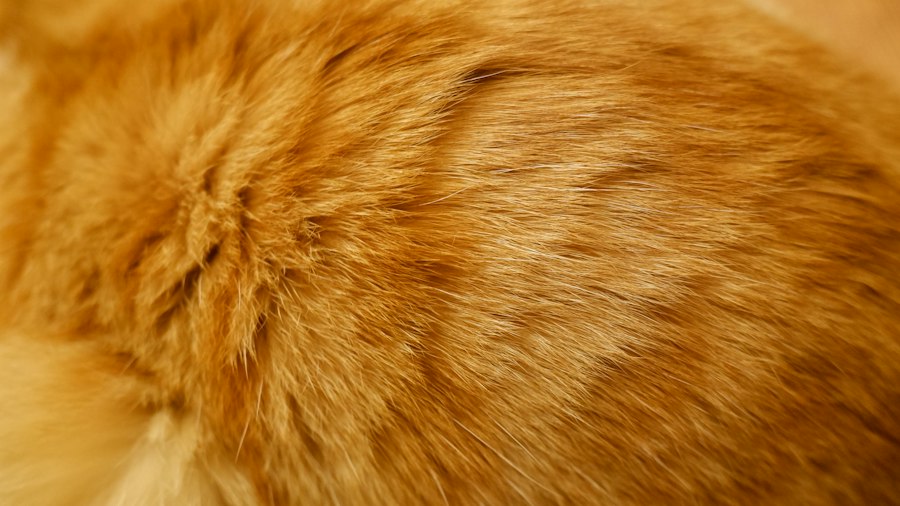
Ginger (or red) cats, much like their calico and tortoiseshell counterparts, are strongly influenced by the X chromosome for their coloration. This means that while ginger cats can be male or female, the rare calico or tortoiseshell cat is almost always female. As discussed earlier, female cats, in general, tend to have a slightly longer lifespan than males. The specific genes that create the vibrant orange hues are well-understood, and there isn’t a strong association between being a ginger cat and specific health predispositions that would significantly shorten their life. Their lifespan is largely dictated by the same universal factors: genetics, diet, veterinary care, and lifestyle. Some anecdotal evidence suggests ginger cats are often bold and friendly, which might lead to more interaction and a potentially more stimulating life, but this is speculative.
In conclusion, while the mesmerizing array of cat coat colors offers a visual feast, their connection to longevity is more nuanced than a simple correlation. Genetics provides the foundation, but it’s the interplay of breed predispositions, environmental factors, lifestyle choices, and consistent veterinary care that ultimately shapes a cat’s journey through life. Appreciating the unique beauty of each coat color while focusing on providing optimal care for our feline companions is the most reliable path to ensuring they live long, healthy, and fulfilling lives, regardless of the shade of their fur.

Which Cat Color Lives Longest? The Research Has a Twist
FAQs
What factors determine a cat’s coat color?
The coat color of a cat is determined by genetics, specifically by the combination of genes inherited from its parents.
Are certain coat colors associated with longer life expectancy in cats?
There is no scientific evidence to suggest that a cat’s coat color has any direct correlation with its life expectancy.
Do certain coat colors require more grooming or maintenance?
Some coat colors, such as those with longer fur or lighter shades, may require more grooming and maintenance to prevent matting and keep the coat clean.
Can a cat’s coat color change over time?
A cat’s coat color is typically set within the first few weeks of life and will remain relatively consistent throughout its lifetime, although some changes may occur due to factors like age or health.
Are certain coat colors more prone to specific health issues?
While coat color itself does not determine a cat’s health, certain breeds associated with specific coat colors may have genetic predispositions to certain health issues.