
You’re likely familiar with the concept of blood types – A, B, AB, and O, along with the Rh factor, positive or negative. But understanding these classifications goes deeper than simply knowing your own type. It delves into the intricate world of antigens and how your immune system reacts to them, a crucial aspect of transfusions, organ transplants, and even certain complications during pregnancy. This article will guide you through the fundamental principles of blood type antigens and their impact on your immune response, equipping you with a clearer comprehension of this vital biological system.
Your blood, a complex fluid, is comprised of various components, with red blood cells (erythrocytes) being one of the most abundant. These specialized cells are responsible for transporting oxygen from your lungs to the rest of your body and carrying carbon dioxide back for exhalation. What makes each person’s blood type distinct lies within the surface of these red blood cells, specifically in the presence or absence of certain molecules known as antigens.
What Exactly Are Antigens?
Antigens are essentially foreign substances, or molecules, that can trigger an immune response. In the context of blood types, these antigens are often proteins or complex carbohydrate structures that are genetically determined. Think of them as unique identification tags on the surface of your red blood cells. These tags are so specific that your immune system learns to recognize your own body’s antigens as “self” and any foreign antigens as “non-self.”
The ABO Blood Group System: A Closer Look at the Primary Antigens
The most significant and clinically relevant antigens are those within the ABO blood group system. This system is determined by a single gene, which possesses three common variants, or alleles: A, B, and O.
The ‘A’ Antigens
If you inherit the ‘A’ allele, your red blood cells will express the A antigen on their surface. This antigen consists of a specific carbohydrate chain.
The ‘B’ Antigens
Similarly, if you inherit the ‘B’ allele, your red blood cells will carry the B antigen, another distinct carbohydrate structure.
The ‘O’ Antigens (or Lack Thereof)
The ‘O’ allele is a bit different. It essentially codes for an inactive enzyme, meaning that individuals with the ‘O’ allele do not produce either A or B antigens. Their red blood cells lack these specific markers.
Genotypes and Phenotypes: How Alleles Determine Your Blood Type
The combination of alleles you inherit from your parents determines your genotype, which in turn dictates your blood type, or phenotype. You inherit one allele from each parent. Here are the possible combinations for the ABO system:
- AA or AO genotype: Phenotype is Blood Type A (presence of A antigens).
- BB or BO genotype: Phenotype is Blood Type B (presence of B antigens).
- AB genotype: Phenotype is Blood Type AB (presence of both A and B antigens). This is known as codominance, as both alleles are expressed.
- OO genotype: Phenotype is Blood Type O (absence of both A and B antigens).
This understanding of genotypes and phenotypes is fundamental because it explains why certain blood transfusions are compatible and others are not.
The Rh Factor: Another Crucial Antigen System
While the ABO system is paramount, the Rh (Rhesus) factor is another critical antigen system that influences blood compatibility. This system is primarily determined by the presence or absence of the D antigen.
The ‘D’ Antigen and Rh Status
If your red blood cells possess the D antigen, you are considered Rh-positive (Rh+). If you lack the D antigen, you are Rh-negative (Rh-). This distinction is also genetically inherited.
Rh-Positive Individuals
The majority of the population is Rh-positive. This means their red blood cells express the D antigen.
Rh-Negative Individuals
A smaller portion of the population is Rh-negative. Their red blood cells do not have the D antigen.
The Significance of Rh Incompatibility
Rh incompatibility becomes a concern in specific situations, most notably during pregnancy and blood transfusions. An Rh-negative individual can develop antibodies against the D antigen if exposed to Rh-positive blood. This exposure can occur through a blood transfusion or, more critically, if an Rh-negative mother carries an Rh-positive fetus.
Recent research has highlighted the intricate relationship between blood type antigens and the immune system response, shedding light on how different blood types can influence susceptibility to various diseases. For a deeper understanding of this fascinating topic, you can explore the article available at Freaky Science, which delves into the mechanisms by which blood type antigens interact with immune cells and their implications for health and disease.
The Immune System’s Defense Mechanism: Antibodies
Your immune system is a sophisticated network of cells, tissues, and organs that work together to protect you from harmful invaders, such as bacteria, viruses, and foreign cells. A key component of this defense is the production of antibodies.
What Are Antibodies?
Antibodies, also known as immunoglobulins, are Y-shaped proteins produced by specialized white blood cells called B lymphocytes (B cells). Their primary function is to identify and neutralize foreign substances, or antigens. They achieve this by binding to specific antigens, marking them for destruction or hindering their ability to cause harm.
Natural Antibodies and Blood Types
In the case of the ABO blood group system, your immune system naturally produces antibodies against the ABO antigens that you lack on your red blood cells. This is a fascinating aspect of immune development, as it occurs without prior exposure to foreign blood.
Antibodies for Blood Type A
Individuals with Blood Type A (who have A antigens) naturally produce anti-B antibodies. These antibodies will bind to and agglutinate (clump together) red blood cells that have B antigens.
Antibodies for Blood Type B
Individuals with Blood Type B (who have B antigens) naturally produce anti-A antibodies. These antibodies will target and clump red blood cells carrying A antigens.
Antibodies for Blood Type AB
Individuals with Blood Type AB (who have both A and B antigens) do not produce anti-A or anti-B antibodies because their immune system recognizes both A and B antigens as “self.”
Antibodies for Blood Type O
Individuals with Blood Type O (who lack both A and B antigens) naturally produce both anti-A and anti-B antibodies. This is why Type O individuals are often referred to as universal donors in terms of red blood cells (though plasma donation is a different matter).
Antibodies in the Rh System
Unlike the ABO system, antibodies against the Rh D antigen are not naturally present in Rh-negative individuals. Instead, these antibodies are acquired through exposure to Rh-positive blood.
Developing Anti-D Antibodies
If an Rh-negative person receives a transfusion of Rh-positive blood, their immune system will recognize the D antigen as foreign. This exposure will trigger the production of anti-D antibodies. This process is called sensitization.
Subsequent Exposures to Rh-Positive Blood
Once sensitized, subsequent exposures to Rh-positive blood will lead to a more rapid and robust immune response, with the anti-D antibodies actively targeting and destroying the Rh-positive red blood cells.
The Immune Response to Antigen Exposure: Agglutination and Hemolysis
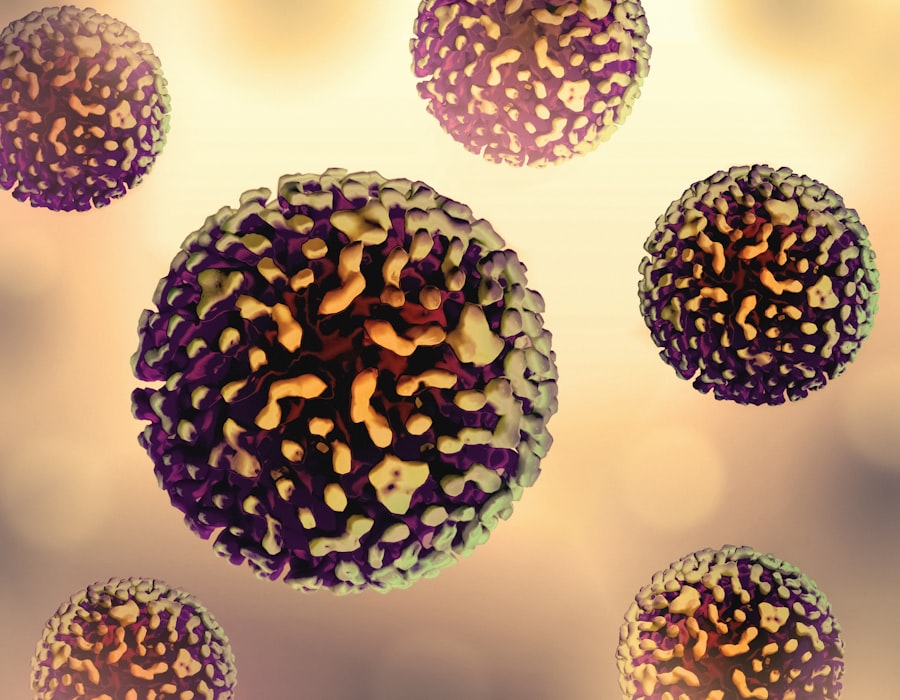
When your immune system encounters an antigen that it recognizes as foreign, a cascade of reactions can occur. In the context of blood transfusions, the most immediate and visible consequences involve agglutination and hemolysis.
Agglutination: The Clumping Effect
Agglutination is the process by which antibodies bind to antigens on the surface of red blood cells, causing them to clump together. Imagine the Y-shaped antibodies acting like molecular bridges, linking multiple red blood cells by connecting to their antigens.
The Role of Antibodies in Agglutination
The specificity of antibody-antigen binding is crucial here. Anti-A antibodies will only bind to A antigens, and anti-B antibodies will only bind to B antigens. This precise interaction leads to the clumping of red blood cells that carry the specific antigen to which the antibodies are directed.
Consequences of Agglutination in Transfusions
When incompatible blood is transfused, the recipient’s antibodies will agglutinate the donor’s red blood cells. This clumping can occur in the blood vessels, leading to blockages and potentially serious complications.
Hemolysis: The Destruction of Red Blood Cells
Hemolysis, also known as red blood cell lysis, is the rupture or bursting of red blood cells. This is a more severe outcome than agglutination, as it results in the destruction of oxygen-carrying cells.
How Hemolysis Occurs
Once agglutinated, the clumped red blood cells are often targeted by other components of the immune system, such as complement proteins. These proteins can create pores in the red blood cell membranes, leading to their destruction and the release of their contents, including hemoglobin.
The Impact of Hemoglobin Release
The release of free hemoglobin into the bloodstream can be toxic and can overwhelm the body’s ability to process it, leading to kidney damage and other organ dysfunction.
Blood Transfusion Compatibility: Avoiding a Dangerous Encounter
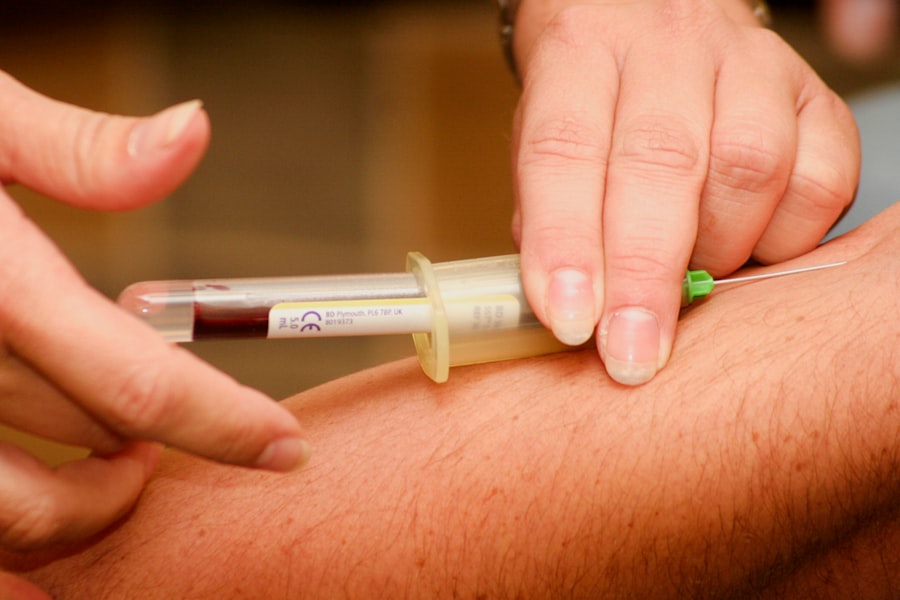
The understanding of blood type antigens and antibody responses is the cornerstone of safe blood transfusions. The primary goal is to ensure that the donor’s red blood cells do not carry antigens that the recipient’s plasma contains antibodies against.
The ABO Compatibility Rules
The ABO compatibility rules are strict and are based on the naturally occurring antibodies present in an individual’s plasma.
Donating to Blood Type A
- Receiving: Type A and Type O individuals can receive blood from Type A donors.
- Donating: Type A individuals can donate to Type A and Type AB individuals.
Donating to Blood Type B
- Receiving: Type B and Type O individuals can receive blood from Type B donors.
- Donating: Type B individuals can donate to Type B and Type AB individuals.
Donating to Blood Type AB
- Receiving: Type AB individuals can receive blood from Type A, Type B, Type AB, and Type O donors. They are known as universal recipients for red blood cells because they lack anti-A and anti-B antibodies.
- Donating: Type AB individuals can only donate to other Type AB individuals.
Donating to Blood Type O
- Receiving: Type O individuals can only receive blood from Type O donors. They have both anti-A and anti-B antibodies, making them highly sensitive to incompatible blood.
- Donating: Type O individuals can donate to Type A, Type B, Type AB, and Type O individuals. They are considered universal donors for red blood cells because their red blood cells lack A and B antigens.
The Importance of Rh Compatibility
Rh compatibility is also crucial, especially for repeated transfusions or for individuals who may become pregnant.
Rh-Positive Recipients
Rh-positive individuals can receive both Rh-positive and Rh-negative blood.
Rh-Negative Recipients
Rh-negative individuals should ideally receive Rh-negative blood. If they receive Rh-positive blood, they can become sensitized and develop anti-D antibodies, which can cause complications in future transfusions or pregnancies.
Management of Rh-Negative Individuals
For Rh-negative individuals, especially women of childbearing age, strict adherence to Rh-negative blood is paramount. In some cases, Rh-negative mothers carrying Rh-positive babies may receive Rh immune globulin (RhoGAM) to prevent sensitization.
Crossmatching: The Final Safety Check
Before any blood transfusion is administered, a process called crossmatching is performed. This is a laboratory test that directly mixes a sample of the recipient’s serum with a sample of the donor’s red blood cells.
What Crossmatching Detects
Crossmatching is designed to detect any unexpected antibodies in the recipient’s serum that might react with the donor’s red blood cells, even if the standard ABO and Rh typing appear compatible. This can include antibodies against other less common blood group antigens or even antibodies that arise from previous transfusions or pregnancies.
Ensuring a Safe Transfusion
The crossmatching process serves as the final safety net, ensuring that the blood being transfused is as compatible as possible with the recipient’s immune system, minimizing the risk of transfusion reactions.
Recent studies have shed light on the intricate relationship between blood type antigens and the immune system response, revealing how these antigens can influence susceptibility to various diseases. For a deeper understanding of this fascinating topic, you can explore an insightful article that discusses the implications of blood type on health and immunity. This research highlights the importance of recognizing blood type differences in medical treatments and transfusions. To read more about this, visit this article.
Beyond Transfusions: Other Clinical Implications of Blood Type Antigens
| Blood Type | Antigens Present | Immune System Response |
|---|---|---|
| A | A antigen | Produces anti-B antibodies |
| B | B antigen | Produces anti-A antibodies |
| AB | A and B antigens | No anti-A or anti-B antibodies produced |
| O | No A or B antigens | Produces both anti-A and anti-B antibodies |
The understanding of blood type antigens and immune response extends far beyond the realm of blood transfusions. It plays a significant role in other critical medical scenarios.
Organ Transplantation: A Complex Compatibility Challenge
Similar to blood transfusions, organ transplantation also requires careful consideration of antigen compatibility, though the process is considerably more complex.
HLA Antigens: A Broader Spectrum of Markers
While blood type antigens are important, organs carry a much wider array of antigens, primarily Human Leukocyte Antigens (HLAs). These HLAs are crucial for distinguishing “self” from “non-self” in the context of the immune system.
The Role of HLAs in Graft Rejection
When an organ from a donor is transplanted into a recipient, the recipient’s immune system will assess the organ’s HLAs. If there is a significant mismatch between the donor’s and recipient’s HLAs, the recipient’s immune system will recognize the organ as foreign and initiate a rejection response, attacking and destroying the transplanted organ.
Pre-transplant Testing and Immunosuppression
Before an organ transplant, extensive HLA typing is performed on both the donor and recipient to find the closest possible match. Even with a match, recipients are typically placed on immunosuppressive medications for the rest of their lives to prevent their immune system from attacking the transplanted organ.
Hemolytic Disease of the Newborn (HDN): A Pregnancy Complication
Hemolytic disease of the newborn (HDN), also known as erythroblastosis fetalis, is a condition that can occur when there is an incompatibility between the mother’s and the fetus’s blood types, most commonly involving the Rh factor.
Rh Incompatibility in Pregnancy
If an Rh-negative mother is carrying an Rh-positive fetus, there is a risk that some of the fetus’s Rh-positive red blood cells can enter the mother’s circulation. This can occur during pregnancy or, more commonly, during delivery. As we discussed earlier, the mother’s immune system can then become sensitized and produce anti-D antibodies.
The First Pregnancy
The first Rh-positive pregnancy for an Rh-negative mother is often unaffected because sensitization might not occur until later in the pregnancy or delivery, and the mother may not have enough antibodies yet to harm the fetus.
Subsequent Rh-Positive Pregnancies
However, in subsequent pregnancies with an Rh-positive fetus, the mother’s pre-existing anti-D antibodies can cross the placenta and enter the fetal circulation. These antibodies will then attack and destroy the fetus’s Rh-positive red blood cells, leading to anemia, jaundice, and potentially more severe complications, including heart failure and stillbirth.
ABO Incompatibility in Pregnancy
While less severe than Rh incompatibility, ABO incompatibility can also cause HDN. For example, an O-negative mother carrying an A-positive or B-positive baby can experience mild HDN due to the presence of anti-A and anti-B antibodies.
Prevention and Treatment of HDN
Prevention is key. Rh-negative mothers are typically given Rh immune globulin (RhoGAM) during pregnancy and after delivery to prevent sensitization. If HDN develops, treatment may involve blood transfusions for the newborn, phototherapy for jaundice, or even intrauterine transfusions in severe cases.
Autoimmune Hemolytic Anemia: When the Immune System Attacks Itself
In some instances, the immune system can mistakenly identify the body’s own red blood cells as foreign antigens. This leads to a condition called autoimmune hemolytic anemia (AIHA).
Autoantibodies Against Red Blood Cells
In AIHA, individuals produce autoantibodies that bind to their own red blood cells, marking them for destruction by the immune system. This can result in chronic anemia, fatigue, and other symptoms associated with low red blood cell counts.
Diagnosis and Management
Diagnosing AIHA involves specific blood tests to detect the presence of autoantibodies. Treatment strategies aim to suppress the immune system and reduce the production of these autoantibodies, often involving corticosteroids or other immunosuppressive medications.
In conclusion, understanding blood type antigens and the intricate workings of your immune system’s response is not merely an academic exercise. It is a fundamental aspect of your biology that has profound implications for your health and well-being, particularly in medical interventions like transfusions and transplants, and in managing specific maternal-fetal complications. By grasping these principles, you gain a deeper appreciation for the complexity and precision of the human body’s internal defense mechanisms.
FAQs
What are blood type antigens?
Blood type antigens are molecules found on the surface of red blood cells. These antigens determine a person’s blood type, such as A, B, AB, or O, and are inherited from their parents.
How does the immune system respond to blood type antigens?
When a person receives blood that contains antigens not present in their own blood, their immune system may recognize the foreign antigens as a threat and produce antibodies to attack them. This can lead to a transfusion reaction if the person receives incompatible blood.
Can blood type antigens affect organ transplantation?
Yes, blood type antigens play a crucial role in organ transplantation. The recipient’s immune system must be compatible with the donor’s blood type antigens to prevent rejection of the transplanted organ.
What is the significance of blood type antigens in pregnancy?
Blood type antigens can affect pregnancy if the mother and fetus have incompatible blood types. This can lead to a condition called hemolytic disease of the newborn, where the mother’s antibodies attack the fetus’s red blood cells.
Are there any health implications related to blood type antigens?
In addition to transfusion reactions and pregnancy complications, blood type antigens have been associated with certain health conditions. For example, individuals with type A blood may have a higher risk of developing certain diseases compared to those with other blood types.