You’ve probably felt it – that delightful wave of cool air washing over you on a sweltering summer day. It’s the magic of air conditioning, a modern marvel that transforms sticky discomfort into blissful comfort. But have you ever stopped to wonder how it actually works? It’s not just some mystical box blowing cold air. Understanding the basics of your air conditioner can demystify its operation, help you troubleshoot common issues, and even make you a more informed consumer when it comes time to upgrade. This guide is designed to take you from a curious observer to someone who grasps the fundamental principles of how your AC keeps you cool.
The Core Components: What Makes It Chill?
At its heart, an air conditioning system isn’t actually “making” cold air. Instead, it’s a clever process of moving heat from inside your home to the outside. Think of it like a heat sponge that soaks up warmth from your living space and then wrings it out somewhere else. This process relies on a few key players working in harmony.
The Refrigerant: The Heat-Hopping Hero
The unsung hero of your AC is the refrigerant. This is a special fluid that has the ability to absorb heat when it’s in a liquid state and release that heat when it changes into a gas. This phase change is crucial. The refrigerant circulates through a closed loop within your AC system, constantly changing its form and location to facilitate the transfer of heat. You’ll rarely see or interact with the refrigerant directly, but its presence and movement are fundamental to the entire cooling cycle.
The Compressor: The Heart of the System
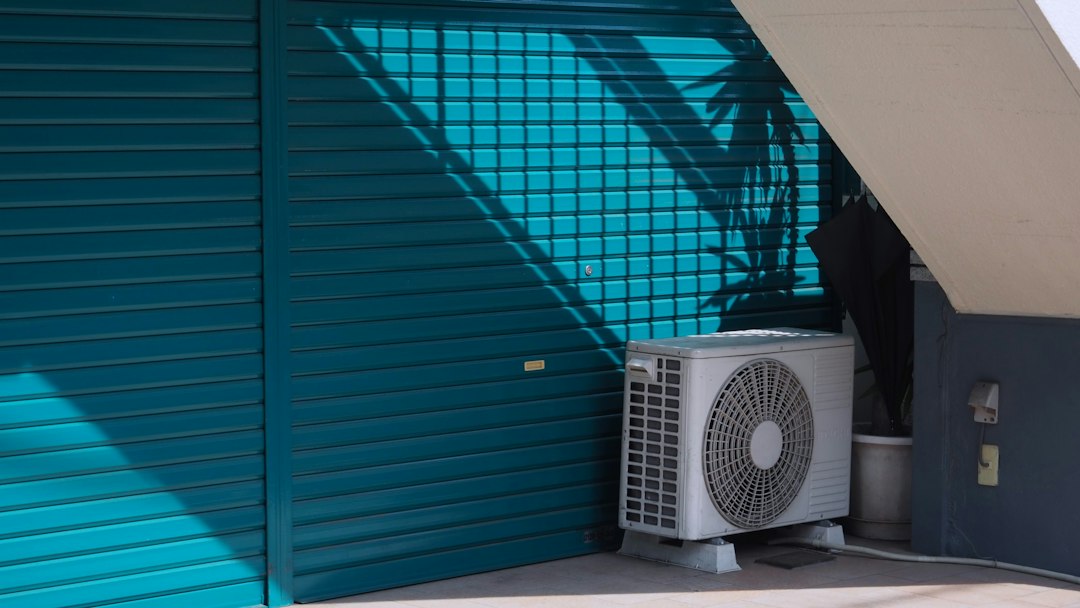
Located in your outdoor unit (often called the condenser unit), the compressor is like the heart of the AC system. Its primary job is to pressurize the refrigerant, pushing it through the system at high pressure and temperature. This compression also causes the refrigerant to heat up significantly. Think of it like squeezing a sponge – you’re forcing out its contents under pressure. The compressor is the powerhouse that drives the entire cooling cycle.
The Evaporator Coil: Absorbing the Heat Indoors
Inside your home, usually located within your furnace or air handler, is the evaporator coil. This is where the magic of cooling your indoor air truly begins. As the warm, humid air from your home is drawn by your fan across the cold evaporator coils, the refrigerant inside these coils absorbs the heat from the air. This causes the refrigerant to evaporate, turning from a liquid into a gas. As the heat is absorbed, the air passing over the coils becomes cooler and drier, ready to be circulated back into your home.
The Condenser Coil: Releasing the Heat Outdoors
Once the refrigerant, now a hot gas, leaves the evaporator coil, it travels to the outdoor unit. Here, it flows through the condenser coil. This coil is exposed to the outside air, which is generally cooler than the hot refrigerant. The refrigerant releases the heat it absorbed from your home into the outdoor air, causing it to condense back into a liquid. This is the reverse of what happened in the evaporator coil. This release of heat is why the outdoor unit of your AC can feel warm.
If you’re looking to understand the basics of air conditioning, a great resource is the article found on Freaky Science. This article breaks down the fundamental principles of how air conditioning systems work, making it easier for beginners to grasp the concepts of cooling, refrigerants, and airflow. To explore this informative piece, you can visit the link here: Freaky Science.
The Refrigeration Cycle Explained: A Continuous Loop
The continuous movement of the refrigerant through these components forms what’s known as the refrigeration cycle. It’s a closed-loop system, meaning the refrigerant never leaves the system. It just keeps circulating, changing its state and location to perform its heat-transferring duties.
The Expansion Valve: Preparing for the Next Round
Before the liquid refrigerant makes its way back to the evaporator coil, it passes through an expansion valve (or a capillary tube, in simpler systems). This component acts as a bottleneck, reducing the pressure of the liquid refrigerant. As the pressure drops, the refrigerant cools down significantly, preparing it to absorb heat once again when it enters the evaporator coil. This is a critical step in making the refrigerant cold enough to effectively cool your indoor air.
The Role of Airflow: Moving the Air Around
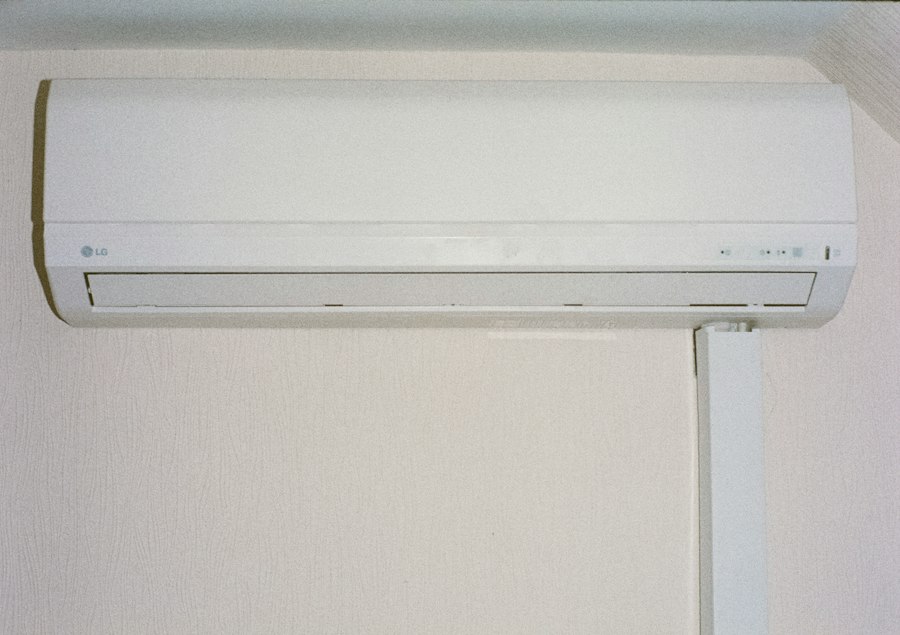
While the refrigerant does the heavy lifting of heat transfer, it’s the airflow that distributes the cooled air throughout your home and brings the warm air back to the system. Your central AC system typically uses a blower fan, often housed within your furnace or air handler. This fan pulls warm air from different rooms through return vents, pushes it across the cold evaporator coils, and then blows the now-cooled air through supply vents into your living spaces. The efficiency of this airflow is crucial for even cooling and preventing hot spots.
Beyond the Basics: Understanding Your System’s Nuances
Now that you have a grasp of the fundamental components and the refrigeration cycle, let’s delve into some other aspects that contribute to your AC’s performance and your comfort.
Thermostats: Your Control Center
The thermostat is your command center, the interface between you and your air conditioner. It measures the indoor temperature and compares it to your desired setting. When the temperature rises above your set point, the thermostat signals the AC system to turn on. When the temperature reaches the desired level, it signals the AC to turn off. Modern thermostats offer a range of features, from simple on/off controls to programmable settings that allow you to schedule temperature changes throughout the day, saving energy and optimizing comfort. Some even offer smart features, allowing you to control your AC remotely via your smartphone.
Air Filters: The Guardians of Your System and Air Quality
Air filters are essential for both the longevity of your AC system and the quality of the air you breathe. They are strategically placed in the return air ductwork and are designed to capture dust, pollen, pet dander, and other airborne particles. A clean filter allows air to flow freely through the system, which is vital for efficient operation. A clogged filter restricts airflow, forcing your AC to work harder, consume more energy, and potentially lead to system damage. Regularly changing your air filter (typically every one to three months, depending on the filter type and your home environment) is one of the simplest and most effective maintenance tasks you can perform.
Dehumidification: The Other Side of Cooling
As your AC cools the air passing over the evaporator coils, it also removes moisture from the air. This is because when warm, humid air comes into contact with the cold coil, the water vapor in the air condenses into liquid water, just like dew forming on a cold glass. This condensate water then drips into a drain pan and is typically routed outside through a condensate drain line. This dehumidification process is a key part of what makes an air-conditioned space feel so comfortable, as high humidity can make even moderate temperatures feel much hotter.
Maintenance Matters: Keeping Your Cool Machine Running Smoothly
Regular maintenance is the key to ensuring your air conditioner operates efficiently, reliably, and for as long as possible. Neglecting it can lead to decreased performance, higher energy bills, and costly repairs.
Annual Professional Tune-Ups: The Doctor’s Visit
Think of annual professional tune-ups as your AC’s doctor’s visit. A qualified HVAC technician will inspect all the critical components, clean them, lubricate moving parts, check refrigerant levels, test electrical connections, and identify any potential issues before they become major problems. This proactive approach can prevent breakdowns during the peak of summer when you need your AC the most.
DIY Checks: Simple Steps for Big Impact
Beyond professional service, there are several simple tasks you can perform yourself to keep your AC in good shape. As mentioned, changing your air filter regularly is paramount. You can also periodically check your outdoor unit for debris like leaves and branches that might be obstructing airflow. Ensure the area around the outdoor unit is clear. If you’re comfortable, you can gently rinse the condenser fins with a hose to remove accumulated dirt. Always remember to turn off the power to the unit before performing any cleaning or inspection.
Recognizing Signs of Trouble: When to Call the Experts
Being aware of how your AC normally operates will help you spot when something isn’t right. Some common signs that indicate a problem include:
- Weak or no airflow: This could be a sign of a clogged filter, a problem with the blower fan, or a refrigerant leak.
- Unusual noises: Banging, grinding, or squealing sounds can point to issues with the compressor, fan motor, or other moving parts.
- Strange odors: Musty or burning smells can indicate mold growth, electrical problems, or a refrigerant leak.
- Warm air blowing: If your AC is running but not cooling, it could be due to low refrigerant, a faulty compressor, or a problem with the outdoor unit.
- Ice buildup: Ice on the evaporator coil or refrigerant lines is a clear sign of restricted airflow or low refrigerant.
- High energy bills: A sudden spike in your electricity bill, even with consistent usage, could mean your AC is working harder than it should be.
If you notice any of these symptoms, don’t hesitate to call a qualified HVAC professional. Early detection and repair can often save you significant money and prevent further damage.
Explaining air conditioning to a beginner can be quite simple if you break it down into its basic components and functions. For those looking for a more comprehensive understanding, you might find it helpful to read a related article that delves into the science behind how air conditioning systems work. This resource can provide valuable insights and make the concept clearer for newcomers. You can check it out here for more detailed information.
Energy Efficiency: Cooling Smarter, Not Harder
| Topic | Description | Key Points | Example/Analogy |
|---|---|---|---|
| What is Air Conditioning? | A system that cools indoor air to make the environment comfortable. | Cooling, Dehumidifying, Circulating air | Like a refrigerator for your room |
| How It Works | Removes heat from inside and releases it outside. | Uses refrigerant, compressor, condenser, evaporator | Heat moves from inside to outside like sweat evaporating |
| Key Components | Parts that make air conditioning possible. | Compressor, Condenser coil, Evaporator coil, Expansion valve | Compressor = heart, coils = lungs |
| Energy Use | Air conditioners consume electricity to operate. | Efficiency measured by SEER rating | Higher SEER = less energy used |
| Maintenance | Regular cleaning and servicing keep it efficient. | Change filters, clean coils, check refrigerant | Like regular oil changes for a car |
In today’s world, energy efficiency is more important than ever. Not only does it save you money on your utility bills, but it also reduces your environmental impact. Understanding how your AC uses energy can help you make more informed choices.
SEER Ratings: A Measure of Efficiency
When you’re looking to purchase a new air conditioner, you’ll encounter SEER (Seasonal Energy Efficiency Ratio) ratings. The SEER rating indicates how efficiently the air conditioner uses energy over an entire cooling season. A higher SEER rating means the unit is more efficient and will consume less electricity to provide the same amount of cooling. The minimum SEER rating required by law varies by region, but generally, the higher the SEER, the more energy-efficient the unit. While higher SEER units may have a higher upfront cost, they can lead to significant savings on your energy bills over their lifespan.
The Impact of Thermostat Settings: Small Adjustments, Big Savings
As we touched upon with thermostats, your settings have a direct impact on energy consumption. Setting your thermostat just a few degrees higher when you’re away from home or asleep can make a noticeable difference in your energy bill. Programmable and smart thermostats are excellent tools for managing these settings automatically. Even a modest adjustment can contribute to energy savings without sacrificing comfort when you need it.
Insulation and Air Sealing: Your Home’s First Line of Defense
The efficiency of your air conditioner is also heavily influenced by how well your home is insulated and sealed against air leaks. Proper insulation in your attic, walls, and crawl spaces prevents cool air from escaping and warm air from entering. Similarly, sealing cracks and gaps around windows, doors, and other openings prevents conditioned air from escaping and unconditioned air from infiltrating your home. Think of your AC as trying to fill a leaky bucket – the more leaks you have, the harder it has to work. Improving your home’s thermal envelope is a crucial step in maximizing the effectiveness of your AC system and reducing energy waste.
By understanding the fundamental principles of how your air conditioner works, you can better appreciate this essential piece of modern technology. From the constant dance of the refrigerant to the importance of regular maintenance and smart energy use, you’re now equipped with the knowledge to keep your cool and make informed decisions about your home comfort.

Your AC Blows Hot Air Outside. Is That Heat From Your Room?
FAQs
What is air conditioning?
Air conditioning is a system that cools and dehumidifies indoor air to create a more comfortable environment, especially during hot weather.
How does air conditioning work?
Air conditioning works by removing heat from indoor air through a process of refrigeration. The system uses a compressor, condenser, evaporator, and refrigerant to transfer heat from inside to outside, resulting in cooler air inside.
What are the components of an air conditioning system?
The main components of an air conditioning system include a compressor, condenser, evaporator, expansion valve, and refrigerant. These parts work together to cool and circulate air throughout a space.
Why is air conditioning important?
Air conditioning is important for maintaining a comfortable indoor temperature, reducing humidity levels, improving air quality, and providing relief from extreme heat, which can be crucial for health and productivity.
How can I explain air conditioning to a beginner?
To explain air conditioning to a beginner, you can describe it as a system that works like a refrigerator but for an entire room or building. It takes in warm air, removes the heat, and then circulates cooler air back into the space.