
You’re likely familiar with the concept of eye color. It’s a visible, often striking, trait that distinguishes individuals. What you might not realize is the intricate biological machinery behind this seemingly simple characteristic. At the heart of this process lies a particular gene, the OCA2 gene, which plays a significant role in dictating the amount and type of melanin produced in your irises. Understanding your OCA2 gene’s function is key to appreciating the biological basis of your eye color.
Your iris, the colored part of your eye responsible for controlling pupil size and thus the amount of light entering your eye, derives its color from melanin. Melanin is a pigment that also contributes to the color of your skin and hair. However, the specific type and concentration of melanin within the iris are what create the diverse spectrum of human eye colors, from the deepest browns to the palest blues.
Melanin: More Than Just a Color
The Two Main Types of Melanin
You primarily encounter two types of melanin in your body: eumelanin and pheomelanin. Eumelanin is a dark brown to black pigment, while pheomelanin is a reddish-yellow pigment. The relative proportions of these two pigments, along with the overall quantity of melanin, determine your final iris color. For instance, high concentrations of eumelanin result in brown eyes, while low concentrations, along with the specific scattering of light by the iris’s stroma, can lead to blue or green hues.
Melanogenesis: The Process of Pigment Creation
The intricate process by which melanin is produced is called melanogenesis. This biochemical pathway involves a series of enzymatic reactions, with tyrosine, an amino acid, serving as the primary precursor. Melanocytes, specialized cells found in the iris, house this machinery. Within these cells, specific enzymes, like tyrosinase, catalyze the transformation of tyrosine into melanin. The activity and efficiency of these enzymes are heavily influenced by genetic factors, and this is where your OCA2 gene comes into play.
The OCA2 gene plays a crucial role in melanin production, particularly influencing the color of the iris in humans. Variations in this gene can lead to different eye colors, ranging from brown to blue, due to its impact on melanin synthesis. For a deeper understanding of the genetic factors that contribute to eye color and the biological mechanisms behind melanin production, you can refer to this related article: Freaky Science.
Unraveling the OCA2 Gene: A Key Player in Melanin Synthesis
Your OCA2 gene, short for Oculocutaneous Albinism II, is a dominant gene that acts as a crucial regulator, primarily impacting the production of eumelanin. While its name might suggest a direct link to albinism, which is characterized by a severe deficiency or absence of melanin, OCA2’s role in most individuals is more nuanced, fine-tuning the amount of pigment rather than completely halting its production.
The Structure and Location of Your OCA2 Gene
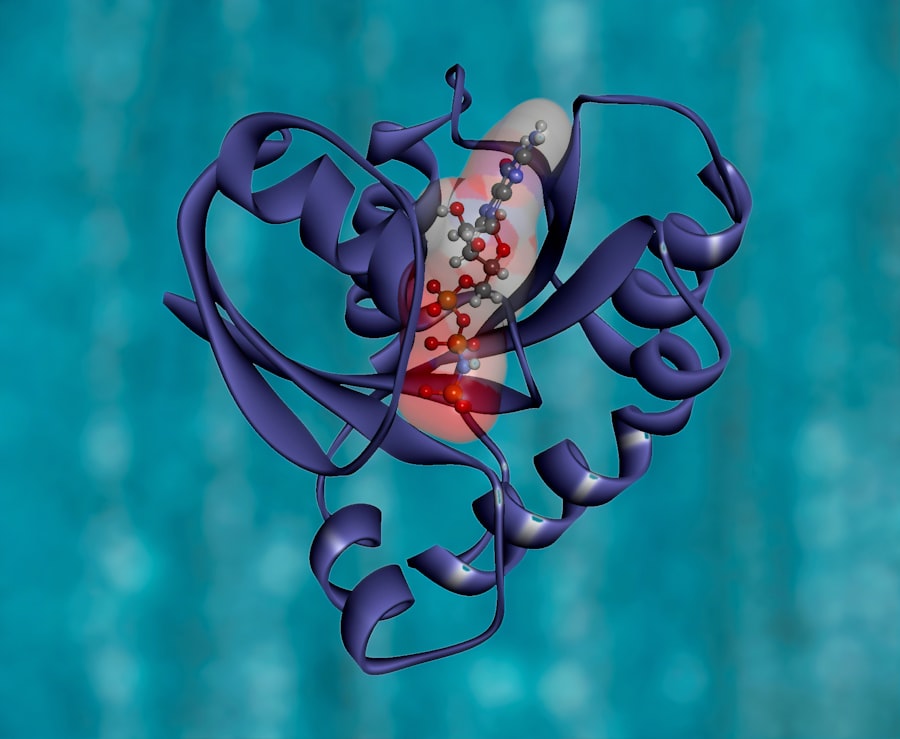
You can think of your OCA2 gene as a specific instruction manual within your DNA. It resides on chromosome 15. This gene encodes a protein, often referred to as the P protein, which is theorized to be involved in melanosome maturation. Melanosomes are organelles within melanocytes where melanin is synthesized and stored. The P protein’s precise function is still an area of active research, but evidence points to its involvement in the transport of tyrosine or other essential molecules into the melanosome, or in the regulation of pH within the melanosome, both critical steps for efficient melanogenesis.
OCA2’s Role in Protein Function
The P Protein’s Theoretical Mechanism
It is believed that the P protein functions as a melanosome membrane transporter. This means it helps move specific substances across the membrane of the melanosome. One leading hypothesis is that it is responsible for transporting the amino acid tyrosine into the melanosome for melanin synthesis. Without adequate tyrosine, the melanocytes would struggle to produce eumelanin, leading to lighter eye colors. Another possibility is that the P protein regulates the pH inside the melanosome. The enzymes involved in melanogenesis function optimally within a specific pH range, and the P protein’s influence on this environment could indirectly affect pigment production.
The Connection to Albinism as a Clue
The direct link OCA2 has to oculocutaneous albinism provides a significant clue to its normal function. Individuals with mutations in both copies of their OCA2 gene experience oculocutaneous albinism, meaning they have little to no pigment in their skin, hair, and eyes. This extreme phenotype highlights OCA2’s fundamental importance for melanin production. By studying these severe cases, researchers gain insights into the gene’s baseline function in individuals with typical pigmentation.
OCA2 Variants: The Genetic Basis of Your Eye Color Spectrum
You possess two copies of the OCA2 gene, one inherited from each of your parents. The specific variations, or alleles, of your OCA2 gene that you carry significantly influence the amount of eumelanin in your irises, thus determining your eye color. These variations are not arbitrary; they are the result of millions of years of human evolution.
Major OCA2 Alleles and Their Impact
The “High Pigment” Allele
A common and influential allele of OCA2 is often referred to as the “high pigment” allele. When you inherit this version, your OCA2 gene is more likely to produce a fully functional P protein, leading to efficient tyrosinase activity and a robust production of eumelanin. This is the primary genetic determinant for dark brown eyes. The more copies you have of this high pigment allele, the darker your eyes are likely to be.
The “Low Pigment” Allele
Conversely, there are alleles of OCA2 that are associated with reduced P protein function or expression. These “low pigment” alleles lead to less efficient melanogenesis. If you inherit one or more of these alleles, you are likely to have lighter eye colors, such as hazel, green, or blue. The exact shade will depend on the specific combination of OCA2 alleles you possess, as well as the influence of other genes.
How Different Alleles Affect P Protein Function
The variations between OCA2 alleles can manifest in several ways that affect the P protein. Some variations might lead to the production of a P protein that is less stable and therefore degraded more quickly. Others might affect the protein’s ability to correctly localize to the melanosome membrane. Still others could alter the protein’s interaction with other cellular components involved in transport or pH regulation. These subtle differences in P protein function directly translate to quantitative differences in eumelanin production within your iris melanocytes.
Beyond OCA2: The Symphony of Genes for Eye Color
While the OCA2 gene is a major player, it’s crucial to understand that it doesn’t act in isolation. Your eye color is a complex trait influenced by a symphony of interacting genes. OCA2’s power is amplified or tempered by the effects of other genes involved in pigment production and delivery.
The HERC2 Gene: A Key Regulator of OCA2 Expression
Understanding HERC2’s Regulatory Role
You might not have heard of the HERC2 gene before, but it’s intimately involved in regulating your OCA2 gene. HERC2 is located on the same chromosome as OCA2, and a specific region within HERC2 acts as a powerful enhancer for OCA2 gene expression. This means that depending on the variations in your HERC2 gene, it can either significantly boost or diminish how much OCA2 protein is produced.
The rs12913832 SNP: A Notable HERC2 Variant
A specific single nucleotide polymorphism (SNP) within the HERC2 gene, known as rs12913832, is strongly associated with blue versus brown eye color. This SNP affects the binding of transcription factors to the enhancer region, thereby influencing OCA2 expression. If you carry the allele at rs12913832 that promotes strong OCA2 expression, you are more likely to have brown eyes. Conversely, an allele that leads to reduced OCA2 expression is a significant factor contributing to blue eyes, even if you have the “high pigment” OCA2 alleles. This demonstrates how a gene that doesn’t directly produce pigment can have a profound impact on its ultimate quantity by controlling the activity of another gene like OCA2.
Other Contributing Genes
TYR, TYRP1, and DCT Genes
Beyond HERC2, other genes involved in the melanogenesis pathway itself can subtly influence your eye color. These include the TYR gene (encoding tyrosinase), the TYRP1 gene (tyrosinase-related protein 1), and the DCT gene (dopachrome tautomerase). Variations in these genes can affect the efficiency of pigment synthesis, potentially leading to variations in the types and quantities of melanin produced, even when OCA2 is functioning normally. For instance, a slightly less efficient tyrosinase might result in a lighter shade of brown.
The Role of Stromal Pigmentation and Light Scattering
It’s also important to remember that blue and green eyes aren’t simply the absence of pigment. The structural properties of your iris stroma, the connective tissue that makes up much of the iris, play a crucial role. In individuals with less eumelanin in the anterior stroma, light penetrates and is scattered by collagen fibers. This Rayleigh scattering, similar to what makes the sky blue, causes the iris to appear blue. Green eyes are thought to arise from a combination of low eumelanin and the presence of some pheomelanin, which can absorb light at certain wavelengths and thus influence the scattered light’s color.
The OCA2 gene plays a crucial role in melanin production, which significantly influences the color of the iris. Understanding the genetic mechanisms behind iris pigmentation can provide insights into various conditions related to eye color and vision. For a deeper exploration of the fascinating relationship between genetics and melanin, you can read more in this related article on Freaky Science, which delves into how different genes contribute to the diversity of human traits.
Evolutionary Perspectives and OCA2’s Significance
| Gene | Melanin Production | Iris |
|---|---|---|
| oca2 | Regulates melanin production | Part of the eye |
The prevalence of different OCA2 alleles and their resulting impact on eye color offers a fascinating glimpse into human evolution and migration patterns. The OCA2 gene’s variations provide tangible evidence of how populations adapted to different environments and social pressures.
The Emergence of Blue Eyes and Migration
A Relatively Recent Genetic Event
The genetic mutations leading to blue eyes, primarily driven by HERC2’s regulation of OCA2, are thought to be relatively recent in human history. Scientists estimate that the common ancestor of all blue-eyed humans lived somewhere between 6,000 and 10,000 years ago. This suggests that the alleles leading to reduced OCA2 expression became widespread in specific populations, likely in Northern Europe, over a comparatively short evolutionary timescale.
Potential Advantages or Neutral Drift
The rapid spread of these alleles could have been due to a selective advantage, though clear evidence for such a benefit is lacking. It’s possible that reduced pigmentation offered some advantage in vitamin D synthesis in regions with lower sunlight levels, or perhaps it was simply a matter of genetic drift, where random fluctuations in allele frequencies led to their increased prevalence within isolated populations. The study of OCA2’s role in eye color thus becomes a marker for tracking human population movements and genetic diversification.
OCA2 and Human Adaptation
From Dark to Light Pigmentation
The overarching story of OCA2’s influence on eye color is one of adaptation. As humans migrated out of Africa, where high levels of melanin were advantageous for UV protection, into regions with less intense sunlight, the selective pressures shifted. Alleles that reduced melanin production, like those affecting OCA2, became less disadvantageous and in some cases, potentially even beneficial for reasons such as vitamin D synthesis. Your OCA2 gene, in its varied forms, is a testament to this evolutionary journey.
The Global Distribution of Eye Colors
The diverse alleles you find in your OCA2 gene today explain the global distribution of eye colors. Brown eyes, associated with higher eumelanin production fostered by specific OCA2 alleles, are the most common eye color worldwide and are prevalent in populations originating from Africa, Asia, and the Americas. Blue eyes are most common in people of European descent, particularly from Northern and Eastern Europe, reflecting the influence of HERC2’s regulation of OCA2. Hazel and green eyes represent intermediate variations, showcasing the complex interplay of OCA2 with other genetic factors. Your unique eye color is a living legacy of these evolutionary pressures and migrations, encoded within your DNA.
FAQs
What is the OCA2 gene?
The OCA2 gene, also known as the Oculocutaneous Albinism II gene, is responsible for producing a protein that helps regulate the production of melanin in the body.
How does the OCA2 gene affect melanin production?
The OCA2 gene plays a crucial role in determining the amount and distribution of melanin, the pigment that gives color to the skin, hair, and eyes. Variations in the OCA2 gene can lead to differences in melanin production, resulting in variations in skin, hair, and eye color.
What role does the OCA2 gene play in iris color?
The OCA2 gene is particularly influential in determining the color of the iris, the colored part of the eye. Variations in the OCA2 gene can lead to differences in the amount of melanin produced in the iris, resulting in a range of eye colors from blue to brown.
Can mutations in the OCA2 gene lead to albinism?
Yes, mutations in the OCA2 gene can lead to a type of albinism known as Oculocutaneous Albinism II, which is characterized by a significant reduction in the production of melanin in the skin, hair, and eyes.
Are there any health implications associated with variations in the OCA2 gene?
Variations in the OCA2 gene can impact not only the physical appearance of an individual, but also their susceptibility to certain health conditions. For example, individuals with certain variations in the OCA2 gene may have an increased risk of developing skin cancer due to reduced melanin production and decreased protection from UV radiation.