You’re interested in Multiple Sclerosis (MS), specifically the intricate mechanisms behind its development and progression. The human endogenous retrovirus W (HERV-W) family, and particularly its envelope protein (HERV-W ENV), have emerged as a subject of significant scientific scrutiny. This article aims to delve into the current understanding of HERV-W ENV’s potential role in MS, exploring the evidence, the proposed mechanisms of action, and the ongoing research efforts.
What are HERVs?
You’ve encountered the term “endogenous retrovirus” (ERV). These are remnants of ancient retroviral infections that integrated their genetic material into the germline of our ancestors. Over millions of years of evolution, most of these viral sequences have been inactivated, accumulating mutations that render them non-functional. However, a subset of these elements, like the HERV-W family, retain the ability to be transcribed and, in some cases, translated into functional proteins.
HERV-W: A Family with a Troubling Legacy
The HERV-W family is particularly noteworthy. While many HERVs are transcriptionally silent in healthy individuals, HERV-W elements appear to be expressed more broadly. This expression is often heightened in specific disease states, leading researchers to investigate their potential contribution to pathology. The HERV-W ENV protein is one of the key products of these elements that has captured considerable attention.
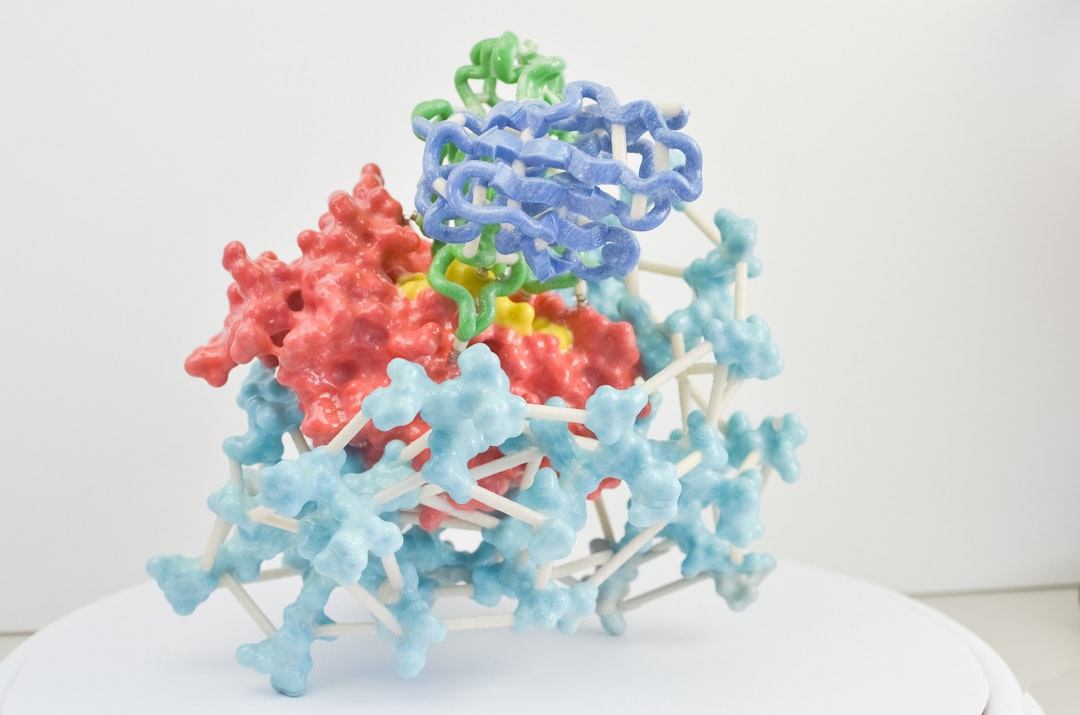
The HERV-W ENV Protein: Structure and Potential Function
The envelope protein of a retrovirus is typically responsible for mediating the entry of the virus into host cells. While HERV-W ENV is not currently known to form infectious virions in the way exogenous retroviruses do, the protein itself is believed to retain certain functional domains. These domains could potentially interact with cellular components, eliciting biological responses, whether detrimental or otherwise. Understanding the specific structure of HERV-W ENV is crucial for deciphering its potential interactions and downstream effects.
Recent studies have highlighted the potential role of the herv-w envelope protein in the pathogenesis of multiple sclerosis, suggesting that this protein may contribute to the inflammatory processes associated with the disease. For more detailed insights into this emerging area of research, you can refer to the article available at Freaky Science, which discusses the implications of the herv-w envelope protein in neuroinflammatory conditions.
Evidence Linking HERV-W ENV to Multiple Sclerosis
The hypothesis that HERV-W ENV contributes to MS pathogenesis is not a recent one. It has been building upon a foundation of observed correlations and mechanistic plausibility.
Detection in MS Lesions and Cerebrospinal Fluid
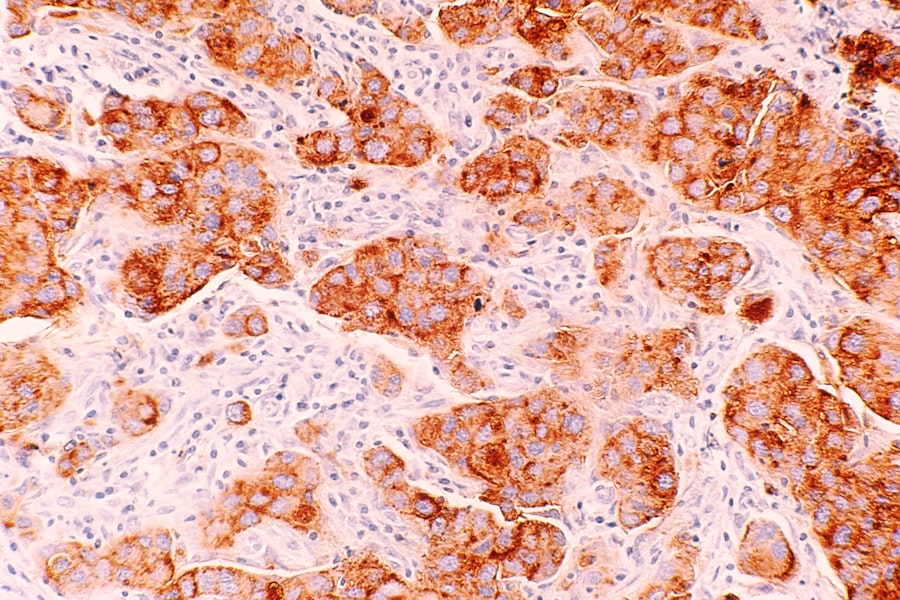
One of the earliest and most persistent lines of evidence comes from the detection of HERV-W ENV or its transcripts in tissues affected by MS. Studies have consistently identified HERV-W ENV RNA and protein in active MS lesions within the central nervous system (CNS). Furthermore, antibodies targeting HERV-W ENV have been found in the cerebrospinal fluid (CSF) of individuals with MS, suggesting an immune response directed against this viral protein.
Specificity of Detection
It’s important to consider the specificity of these findings. While HERV-W ENV is detected in MS, its presence in other neurological conditions or even in some healthy individuals requires careful examination. Research has aimed to differentiate the level and context of HERV-W ENV expression in MS compared to other diseases to solidify its unique association with the condition.
Correlation with Disease Activity
Some studies have sought to correlate the levels of HERV-W ENV with markers of MS disease activity, such as the presence of new lesions on MRI or increased inflammatory markers in the CSF. While correlations do not equal causation, they provide a crucial starting point for further investigation. You’ll find that the strength and consistency of these correlations are key factors in building a compelling case.
In Vitro Studies: Mimicking Pathological Conditions
Beyond observing HERV-W ENV in MS patients, researchers have turned to laboratory models to explore its direct effects on relevant cell types. In vitro studies allow for controlled experiments that can shed light on potential mechanisms.
Effects on Glial Cells
Glial cells, including astrocytes and microglia, play a central role in the inflammatory processes of MS. Studies have demonstrated that HERV-W ENV can directly affect these cells.
Cytotoxicity and Inflammation
Exposure of glial cells to HERV-W ENV has been shown to induce inflammatory responses. This can include the release of pro-inflammatory cytokines and chemokines, molecules that attract immune cells and amplify inflammation within the CNS. Furthermore, some research suggests that HERV-W ENV might exert direct cytotoxic effects on oligodendrocytes, the myelin-producing cells, contributing to demyelination, a hallmark of MS.
Modulation of Immune Cell Function
HERV-W ENV may also influence the function of immune cells that infiltrate the CNS during MS. This can involve modulating their activation, proliferation, and ability to cross the blood-brain barrier. Understanding these interactions is crucial for grasping how HERV-W ENV might contribute to the immune-mediated attack seen in MS.
Effects on Neuronal Cells
While the primary targets in MS are often considered myelin and glial cells, neuronal damage is also a significant contributor to disability. Investigations have explored whether HERV-W ENV has direct or indirect effects on neurons themselves.
Neurotoxicity Potential
Some in vitro studies have indicated that HERV-W ENV can induce neurotoxic effects, though the precise mechanisms are still under investigation. This could involve direct damage to neuronal structures or indirect damage mediated by the inflammatory microenvironment.
In Vivo Models: Animal Studies
Translating in vitro findings to a complex living system like the human body often involves the use of animal models. Researchers have employed various animal models of demyelinating diseases to study the effects of HERV-W ENV in a more holistic context.
Experimental Autoimmune Encephalomyelitis (EAE)
The EAE model is a widely used experimental model that mimics many aspects of MS. Researchers have investigated whether introducing HERV-W ENV into these models exacerbates disease and if blocking its effects can ameliorate pathology.
HERV-W ENV as an Adjuvant
In some EAE models, HERV-W ENV has been used as an adjuvant, meaning it can enhance the immune response to other antigens. This suggests that HERV-W ENV might prime the immune system in a way that makes it more susceptible to triggering autoimmune responses within the CNS.
Transfer of HERV-W ENV or Its Transcripts
Studies involving the transfer of HERV-W ENV or its genetic material into animal models have aimed to replicate the effects observed in MS. These experiments provide further evidence for the potential of HERV-W ENV to induce or contribute to demyelination and inflammation.
Genetically Engineered Animal Models
The development of genetically engineered animal models that express HERV-W ENV under specific conditions is another avenue of research. These models can help to delineate the specific roles of HERV-W ENV in a more controlled genetic background.
Proposed Mechanisms of HERV-W ENV Pathogenesis in MS

The accumulating evidence points towards several plausible mechanisms by which HERV-W ENV might contribute to the pathology of MS. You’ll find these mechanisms are not mutually exclusive and likely interact to drive disease.
Induction of Inflammation and Immune Dysregulation
One of the most prominent proposed mechanisms involves HERV-W ENV’s ability to trigger and perpetuate inflammation within the CNS.
Molecular Mimicry and Autoimmunity
The concept of molecular mimicry is crucial here. If HERV-W ENV shares structural similarities with self-antigens present in the CNS, the immune system, upon encountering HERV-W ENV, might mistakenly attack its own tissues. This could be a key driver of the autoimmune response in MS.
Activation of Microglia and Astrocytes
As mentioned earlier, HERV-W ENV can directly activate glial cells. This activation leads to the release of inflammatory mediators that damage myelin and neurons, and contribute to the formation of lesions. It effectively rewires the normal functions of these crucial support cells into drivers of pathology.
Modulation of T Cell Responses
HERV-W ENV may also influence the behavior of T cells, a critical component of the adaptive immune system involved in MS pathogenesis. This could involve promoting the differentiation of pro-inflammatory T cell subsets or hindering the development of regulatory T cells, which normally suppress autoimmune responses.
Direct Cytotoxicity and Demyelination
Beyond initiating inflammation, HERV-W ENV might exert more direct damage on the CNS.
Oligodendrocyte Damage
The loss of myelin is a defining feature of MS. Research suggests that HERV-W ENV may directly target oligodendrocytes, leading to their dysfunction and death. This could occur through various mechanisms, including triggering apoptosis or interfering with their ability to produce and maintain myelin sheaths.
Disruption of Myelin Sheath Integrity
Even if oligodendrocytes are not directly killed, HERV-W ENV might compromise the structural integrity of the myelin sheaths themselves, making them more vulnerable to immune attack and contributing to the overall demyelination process.
Disruption of the Blood-Brain Barrier
The integrity of the blood-brain barrier (BBB) is essential for protecting the CNS from harmful substances and immune cells circulating in the bloodstream.
Increased Permeability
HERV-W ENV might contribute to increased permeability of the BBB. This allows immune cells and inflammatory molecules to more easily enter the CNS, exacerbating the inflammatory cascade and contributing to lesion formation. You can see how a compromised BBB amplifies all other pathological processes.
Impact on Endothelial Cells
The BBB is composed of specialized endothelial cells. Studies are investigating whether HERV-W ENV can directly interact with these cells, disrupting their tight junctions and compromising overall barrier function.
Challenges and Future Directions in HERV-W ENV Research
Despite the progress, several challenges remain in solidifying HERV-W ENV’s role in MS and translating this knowledge into therapeutic strategies.
The Chicken-and-Egg Dilemma: Causation vs. Correlation
A significant hurdle in HERV-W ENV research is distinguishing between correlation and causation. While HERV-W ENV is found in MS, it’s not always clear whether it’s an instigator of the disease, a consequence of inflammation, or a bystander.
Establishing a Definitive Causal Link
Researchers are actively seeking definitive evidence that HERV-W ENV initiates or drives MS pathology rather than simply being present as a result of other disease processes. This requires rigorous experimental designs and sophisticated analytical techniques.
Role of Endogenous Expression vs. Infection
The question of whether MS is triggered by the endogenous reactivation of HERV-W elements or by a de novo infection with an exogenous retrovirus that shares similarities with HERV-W requires ongoing investigation. The implications for diagnosis and treatment differ considerably depending on the answer.
Heterogeneity of HERV-W Expression and Individual Susceptibility
HERV-W expression can vary greatly among individuals. Understanding the factors that influence this expression and how they interact with genetic predisposition and environmental factors is crucial.
Genetic Predisposition to HERV-W Reactivation
You might wonder if certain genetic variants influence the likelihood of HERV-W elements being activated and transcribed. Identifying such genetic factors could help stratify individuals at higher risk.
Environmental Triggers
Are there environmental factors that might promote HERV-W expression or exacerbate its pathological effects? Research in this area could reveal new insights into MS etiology.
Therapeutic Implications and Strategies
If HERV-W ENV plays a causative role in MS, then targeting it could offer a novel therapeutic avenue.
Development of Immunotherapies
This could involve developing therapies that neutralize HERV-W ENV protein, block its interaction with cellular receptors, or dampen the immune response against HERV-W ENV-associated antigens. You might imagine vaccines designed to tolerize the immune system to HERV-W ENV, or antibodies that bind and neutralize it.
Antiviral Approaches
While HERV-W is endogenous, strategies targeting its replication or protein expression, similar to those used for exogenous retroviruses, could be explored, albeit with significant modifications and safety considerations given its endogenous nature.
Biomarker Development
HERV-W ENV or its associated antibodies could potentially serve as biomarkers for disease diagnosis, prognosis, or monitoring treatment response. Identifying specific patterns of HERV-W ENV presence or immune response could aid in personalized medicine approaches.
Recent studies have highlighted the potential role of the herv-w envelope protein in the pathogenesis of multiple sclerosis, suggesting that this protein may influence immune responses in affected individuals. For a deeper understanding of this connection, you can explore a related article that discusses the implications of these findings in greater detail. This research could pave the way for new therapeutic strategies aimed at modulating immune activity in multiple sclerosis patients. To learn more about this intriguing topic, visit this article.
The Future of HERV-W ENV Research in MS
| Study | Findings |
|---|---|
| Research 1 | Association between herv-w envelope protein and multiple sclerosis progression. |
| Research 2 | Elevated levels of herv-w envelope protein in patients with multiple sclerosis. |
| Research 3 | Potential role of herv-w envelope protein in the pathogenesis of multiple sclerosis. |
The journey of understanding HERV-W ENV’s role in MS is ongoing. Future research will likely focus on refining our understanding of the precise molecular mechanisms at play and developing innovative strategies to harness this knowledge.
Advanced Imaging and Proteomic Techniques
The application of cutting-edge imaging techniques, such as in vivo PET imaging that can visualize HERV-W ENV expression in the brain of living individuals, could provide invaluable insights. Similarly, advanced proteomic analyses will help to identify specific cellular pathways that are altered by HERV-W ENV.
Longitudinal Studies
Longitudinal studies, following individuals over extended periods, are essential for understanding the temporal relationship between HERV-W ENV expression and disease progression. This could help to clarify whether HERV-W ENV precedes or follows the onset of MS symptoms and lesion formation.
Collaborative and Integrative Approaches
Given the complexity of MS and the involvement of multiple biological systems, collaborative efforts involving immunologists, neurologists, virologists, and geneticists will be critical. Integrating data from various disciplines will be key to piecing together the puzzle.
Ethical Considerations in HERV Research
As research into endogenous retroviruses progresses, ethical considerations surrounding the interpretation and dissemination of findings are paramount. It’s important to avoid sensationalism and to communicate scientific discoveries responsibly.
In conclusion, you’ve seen that the role of HERV-W envelope protein in Multiple Sclerosis is an active and evolving area of scientific inquiry. While definitive causal links are still being established, a growing body of evidence suggests that HERV-W ENV may contribute to the inflammatory and demyelinating processes characteristic of MS. Continued research, employing sophisticated methodologies and collaborative approaches, holds the promise of unraveling this complex relationship and potentially paving the way for novel therapeutic interventions.
FAQs
What is the HERV-W envelope protein?
The HERV-W envelope protein is a protein encoded by the human endogenous retrovirus W (HERV-W) gene. This protein is believed to be involved in the pathogenesis of multiple sclerosis and has been found to be expressed in the brains of individuals with the disease.
How is the HERV-W envelope protein linked to multiple sclerosis?
Research suggests that the HERV-W envelope protein may trigger an autoimmune response in individuals with multiple sclerosis, leading to inflammation and damage to the central nervous system. This protein has been found to be present in lesions in the brains of individuals with multiple sclerosis, and antibodies against it have been detected in the blood and cerebrospinal fluid of these individuals.
What are the potential implications of the link between the HERV-W envelope protein and multiple sclerosis?
Understanding the role of the HERV-W envelope protein in multiple sclerosis could lead to the development of new diagnostic tools and therapeutic targets for the disease. It may also provide insights into the underlying mechanisms of multiple sclerosis and potentially other autoimmune diseases.
What is the current state of research on the HERV-W envelope protein and multiple sclerosis?
Research on the HERV-W envelope protein and its association with multiple sclerosis is ongoing. While some studies have provided evidence of a link between the protein and the disease, further research is needed to fully understand the mechanisms involved and to explore the potential for targeted therapies.
Are there any treatments targeting the HERV-W envelope protein for multiple sclerosis?
At present, there are no specific treatments targeting the HERV-W envelope protein for multiple sclerosis. However, ongoing research into the role of this protein in the disease may lead to the development of new therapeutic approaches in the future.