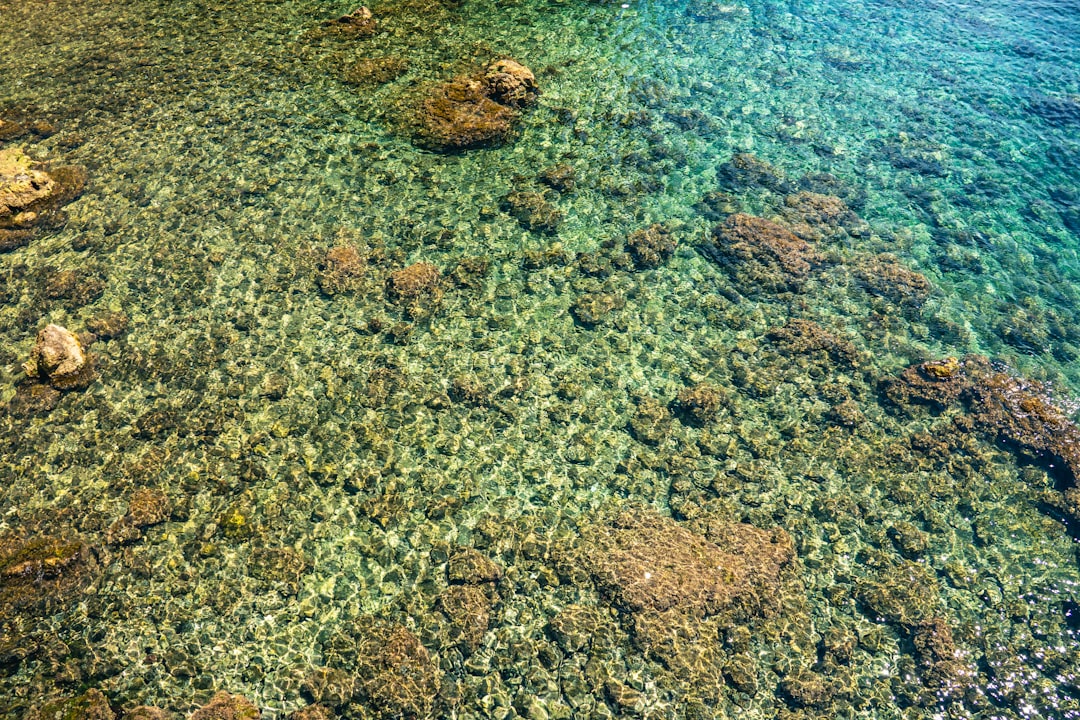
The vast, seemingly silent expanse of the ocean floor, once thought to be a barren and oxygen-starved realm, is now understood to be a vibrant and dynamic source of life-sustaining oxygen. For decades, the primary focus of oceanic oxygen production was firmly placed on the sunlit surface waters, where photosynthetic phytoplankton perform their crucial role in converting carbon dioxide into oxygen. However, revolutionary research and technological advancements have peeled back the layers of mystery, revealing a surprising and significant contribution from the deep sea. This article delves into the fascinating world of the ocean floor’s oxygen production, exploring the organisms responsible, the mechanisms involved, and the profound implications for our planet’s climate and the future of marine life.
The conventional understanding of oceanic oxygen generation has long been dominated by the image of sun-drenched seas teeming with phytoplankton. This process, known as photosynthesis, relies on sunlight to fuel the conversion of carbon dioxide and water into organic compounds and oxygen. The vast majority of the Earth’s atmospheric oxygen has historically been attributed to this surface-level phenomenon. For a considerable period, the deep ocean, characterized by its perpetual darkness and immense pressure, was largely considered an oxygen sink rather than a source. The prevailing scientific consensus was that oxygen produced at the surface was gradually consumed by respiration and decomposition as it sank to deeper waters, with minimal, if any, regeneration occurring in these aphotic zones.
However, as scientific exploration pushed the boundaries of our understanding, venturing into previously inaccessible abyssal plains and hydrothermal vent ecosystems, anomalies began to emerge. Scientists, equipped with increasingly sophisticated submersibles and sampling techniques, started to observe unexpected oxygen levels and metabolic activities in regions devoid of sunlight. These observations sowed the seeds of doubt regarding the completeness of the established model. The notion that the deep ocean was solely a passive recipient of dwindling oxygen began to be challenged by evidence suggesting active biochemical processes that could, in fact, be generating oxygen. This paradigm shift was not instantaneous but rather a gradual accumulation of data points from diverse oceanic environments.
The initial hints of deep-sea oxygen production were often subtle. For instance, studies of sediment cores revealed metabolic signatures of organisms capable of oxygen production, even in ancient, anoxic layers. Furthermore, the discovery and detailed study of chemosynthetic communities, particularly around hydrothermal vents, provided a crucial piece of the puzzle. While chemosynthesis typically utilizes chemical energy for organic matter production and does not directly produce oxygen, the metabolic pathways of some microorganisms in these extreme environments hinted at the possibility of oxygenic respiration, and by extension, potential oxygen generation under specific conditions.
Early Hypotheses and Unanswered Questions
Early researchers, grappling with these nascent observations, proposed several hypotheses to explain the potential for oxygen production in the deep sea. Some theorized that specialized microbial communities, perhaps metabolically adapted to utilize faint chemical gradients or even residual light penetration at the twilight zone’s edge, might be responsible. Others speculated about the role of geological processes, though the biological mechanisms remained the primary focus of investigation. A significant unanswered question was how such oxygen production, if it existed, could be sustained and at what scale it might be occurring, considering the absence of the primary energy source for photosynthesis. The immense pressure and low temperatures of the deep sea also presented significant challenges for biological processes, leading to further questions about the efficiency and feasibility of oxygen generation in such extreme conditions. The very definition of “oxygen production” in this context also needed refinement, distinguishing between direct photosynthetic oxygen release and oxygen generation through indirect biochemical pathways.
The Advent of Advanced Technologies
The revolution in deep-sea exploration, driven by advancements in submersible technology, remotely operated vehicles (ROVs), autonomous underwater vehicles (AUVs), and highly sensitive sensor arrays, has been instrumental in unlocking the secrets of the ocean floor. These technologies have allowed scientists to access and study previously unreachable environments, collect samples with unprecedented precision, and conduct in-situ experiments under realistic deep-sea conditions. The development of advanced genetic sequencing techniques has also played a pivotal role, enabling researchers to identify and characterize the microbial communities inhabiting these deep-sea environments and to understand their metabolic capabilities. Combined, these technological leaps have transformed the study of the deep ocean from a realm of speculation to one of empirical investigation, paving the way for the discovery of its oxygen-producing capabilities.
Recent studies have sparked interest in the role of the ocean floor in oxygen production, highlighting the complex interactions between marine life and geological processes. For a deeper understanding of this fascinating topic, you can explore a related article that delves into the various mechanisms through which the ocean contributes to the Earth’s oxygen supply. To learn more, visit Freaky Science for insightful information and research findings on this subject.
Microbial Maestros of the Deep: Organisms Driving Oxygen Production
The revelation that the ocean floor can be a source of oxygen production hinges on the remarkable metabolic capabilities of specific microbial communities. While large, multicellular organisms in the deep sea typically consume oxygen, certain bacteria and archaea have evolved intricate biochemical pathways to generate it. These microscopic powerhouses operate in environments where sunlight never penetrates, relying on alternative energy sources to fuel their life processes, which in some cases, result in oxygen release.
Chemolithoautotrophs and the Paradox of Oxygen
A significant portion of deep-sea oxygen production is linked to chemolithoautotrophic microorganisms. Unlike photosynthetic organisms that harness light energy, chemolithoautotrophs derive energy from the oxidation of inorganic compounds, such as hydrogen sulfide, methane, and ammonia. While the primary goal of chemosynthesis is to fix carbon and build organic matter, some of these organisms possess the enzymatic machinery to perform oxygenic photosynthesis or a related process under specific conditions. This might seem paradoxical: organisms that thrive in oxygen-depleted environments producing oxygen. However, the key lies in the localized nature of these processes and the specific metabolic pathways employed.
Photosynthesis in the Abyss: A New Definition
Traditional photosynthesis, as seen in phytoplankton, is an oxygen-generating process. While direct solar-driven photosynthesis is impossible in the deep sea, researchers have uncovered evidence of adaptations that blur the lines. Certain bacteria found in deep-sea sediments and near hydrothermal vents, although not directly exposed to sunlight, can utilize trace amounts of light that may penetrate the deepest parts of the photic zone or even residual light from geological processes. More significantly, some microbes are being investigated for a form of “photosynthesis” that doesn’t rely on visible light but rather on other forms of energy, such as infrared radiation or even the subtle chemical energy gradients present in their environment. While the net oxygen production might be less significant than surface photosynthesis, these processes represent a novel understanding of how oxygen can be generated in aphotic zones.
The Role of Sulfur-Metabolizing Bacteria
Sulfur-metabolizing bacteria, particularly those found in environments rich in hydrogen sulfide, like hydrothermal vents, have been identified as key players. These microbes oxidize sulfide to sulfate, a process that can be coupled with the reduction of other compounds. In some instances, specific species within these communities have been shown to possess the enzymatic pathways for oxygenic respiration. While this is primarily an oxygen-consuming process for their metabolism, under certain environmental shifts or specific stages of their life cycle, or in symbiotic relationships with other organisms, they might contribute to localized oxygen release or be involved in complex biogeochemical cycles that indirectly lead to oxygen generation. The discovery of bacteria that can both consume and, under specific conditions, potentially produce oxygen highlights the intricate and often counterintuitive nature of deep-sea biochemistry.
Archaea and Their Energetic Ingenuity
Archaea, a domain of single-celled microorganisms distinct from bacteria, also play a crucial role in the deep sea. Many archaea are extremophiles, thriving in environments that would be lethal to most life forms. Research has revealed that certain archaeal lineages in deep-sea sediments possess metabolic pathways that can generate oxygen. These organisms often utilize simple inorganic compounds as electron donors and acceptors. Understanding their specific metabolic machinery and the environmental triggers that lead to oxygen production is an active area of research, promising further insights into the biogeochemical processes of the deep ocean. Their ability to function under immense pressure and at low temperatures makes them particularly well-suited to contribute to oxygen regeneration in these challenging environments.
Mechanisms of Deep-Sea Oxygen Production

The generation of oxygen on the ocean floor is a testament to the biochemical ingenuity of its inhabitants. Unlike the ubiquitous photosynthesis in sunlit waters, deep-sea oxygen production involves more specialized and often localized mechanisms. These processes are intricately linked to the unique chemical and physical conditions of the deep ocean, requiring specific substrates and energy sources.
Photosynthetic Adaptations in Low-Light Environments
While the absence of sunlight is the defining characteristic of the deep sea, some organisms have evolved remarkable adaptations to harness even the faintest traces of light. In the twilight zone, the boundary between the sunlit surface and the perpetual darkness of the deep, a small amount of light can still penetrate. Here, specialized photosynthetic bacteria, often referred to as “anoxygenic phototrophs” or “oxygenic phototrophs with altered pigment systems,” can carry out photosynthesis. These organisms may use pigments that are highly sensitive to far-red or infrared light, extending the range of light they can utilize. While their photosynthetic output is significantly lower than that of surface phytoplankton, it represents a direct form of oxygen generation in an otherwise light-limited environment. The precise mechanisms by which these organisms adapt their photosynthetic machinery to such low light levels and whether they achieve net oxygen production are still areas of active investigation.
Chemosynthetic Oxygen Cycling
Chemosynthesis, the process by which microorganisms derive energy from chemical reactions, is a cornerstone of deep-sea ecosystems, particularly around hydrothermal vents. While chemosynthesis itself does not directly produce oxygen, the metabolic byproducts and intermediate compounds can be involved in oxygen-generating cycles. For instance, some bacteria that oxidize hydrogen sulfide can also reduce sulfate. In certain complex microbial consortia, the interplay between sulfur oxidation and other metabolic processes can indirectly lead to the regeneration of oxygen. It is crucial to distinguish between direct oxygen production and the participation in biogeochemical cycles that might influence oxygen availability or transformation within the deep-sea environment. The concept of “oxygen cycling” implies a dynamic balance where oxygen is consumed and regenerated through a series of interconnected reactions, with certain organisms acting as catalysts or participants in these cycles.
Hydrogen Peroxide Decomposition and Oxygen Release
One compelling pathway for oxygen generation in the deep sea involves the microbial decomposition of hydrogen peroxide. Hydrogen peroxide (H₂O₂) is a reactive oxygen species that can be produced as a byproduct of various metabolic processes, including some forms of respiration. Certain microorganisms in deep-sea sediments and hydrothermal vents possess enzymes, such as catalases and peroxidases, that can break down hydrogen peroxide into water and molecular oxygen (O₂). This process can be a significant source of localized oxygen production, particularly in environments where hydrogen peroxide accumulates. The efficiency and scale of this pathway are dependent on the concentration of hydrogen peroxide available and the abundance of these oxygen-generating microorganisms.
Oxidative Dissolution of Minerals
Beyond biological processes, there is emerging evidence suggesting that geological processes, specifically the oxidative dissolution of certain minerals, might also contribute to oxygen production on the ocean floor. Some sulfide minerals, when exposed to oxidizing conditions, can undergo chemical reactions that release oxygen. While this is not a biological process, it is a biogeochemical phenomenon, meaning it is influenced by the presence of life and its metabolic activities. Microorganisms can facilitate these reactions by altering the local chemical environment or by producing oxidizing agents. This pathway is still being actively researched, and its overall contribution to oceanic oxygen budgets is yet to be fully quantified. The interaction between geological formations and microbial communities is a complex area, and understanding these mineral-driven oxygen releases is crucial for a comprehensive picture.
Ecosystems Fueling the Oxygen Engine
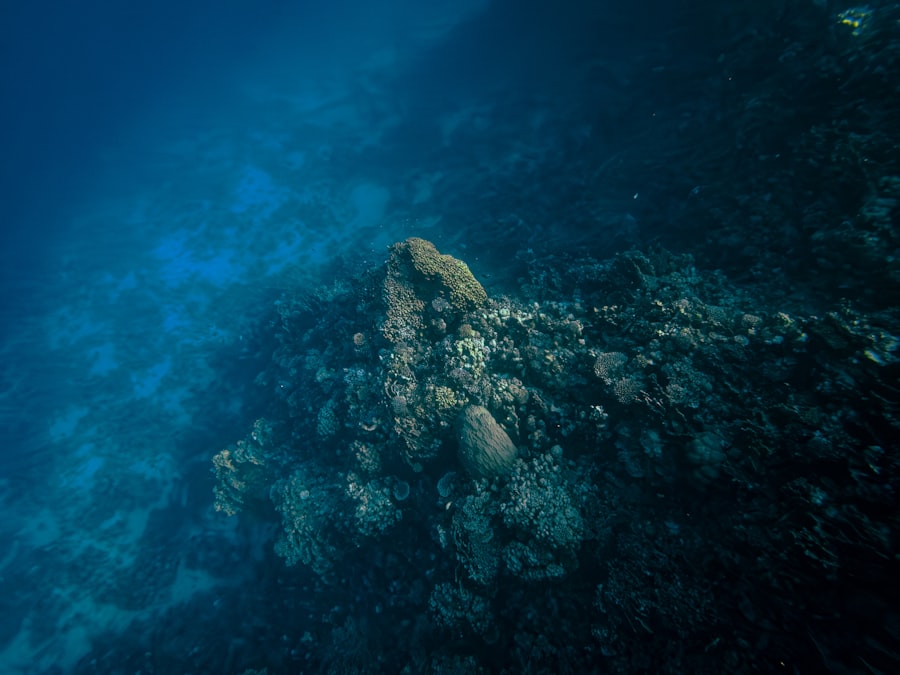
The discovery of oxygen production on the ocean floor is not a uniform phenomenon. It is intrinsically linked to specific marine ecosystems that provide the necessary chemical substrates, energy sources, and microbial communities to drive these processes. These environments, often characterized by extreme conditions, harbor unique life forms that have evolved remarkable adaptations.
Hydrothermal Vents: Oases of Chemical Energy
Hydrothermal vents, often referred to as “black smokers” and “white smokers,” are fissures on the seafloor that release geothermally heated water rich in dissolved minerals. These vent fluids are a treasure trove of chemical energy, particularly hydrogen sulfide, methane, and dissolved metals. Around these vents, thriving ecosystems have developed, based on chemosynthesis rather than photosynthesis. Microorganisms, such as sulfur-oxidizing bacteria and methanotrophic archaea, form the base of these food webs. Within these communities, specific species have been identified that possess the enzymatic machinery for oxygen production, often through the decomposition of hydrogen peroxide or other oxygenated byproducts generated during their metabolic processes. The intense chemical gradients and the constant influx of reactive compounds create a dynamic environment where oxygen generation can occur, albeit in localized pockets.
Cold Seeps: Methane-Rich Substrates
Cold seeps are areas on the seafloor where hydrocarbon-rich fluids, primarily methane and sometimes hydrogen sulfide, seep out from the underlying sediments. These seeps also support chemosynthetic communities, similar to hydrothermal vents, though the chemical composition of the fluids and the resulting microbial consortia may differ. Methane-oxidizing bacteria and sulfate-reducing bacteria are abundant in these environments. Research has indicated that some of these cold seep microbes, through complex metabolic interactions and the generation of intermediate compounds, can contribute to oxygen production. The continuous supply of methane provides a sustained energy source for these microbial communities, potentially fueling ongoing oxygen regeneration processes.
Deep-Sea Sediments: A Hidden Reservoir
The vast expanses of deep-sea sediments, covering much of the ocean floor, are not inert. They harbor a diverse array of microbial life, including bacteria and archaea. While these sediments are generally considered oxygen-limited, certain regions and specific layers within the sediment column can become oxygenated through various processes. Microbial communities within these sediments have been found to possess the genetic potential for oxygen production, often linked to the decomposition of organic matter or the cycling of sulfur and nitrogen compounds. The sheer scale of deep-sea sediments means that even a small amount of localized oxygen production can have a significant cumulative impact on the overall oceanic oxygen budget. Understanding the diversity and metabolic capabilities of these sediment-dwelling microbes is crucial for quantifying their contribution to oxygen generation.
Oxygen Minimum Zones (OMZs) and Their Paradoxical Production
Oxygen Minimum Zones (OMZs) are regions in the ocean where dissolved oxygen concentrations are very low. These zones are often associated with the ocean’s interior and can extend to areas near the seafloor. While OMZs are characterized by oxygen scarcity, research has revealed that some microbial communities within or bordering these zones can, paradoxically, contribute to oxygen production. This might occur through the remineralization of sinking organic matter, where the breakdown of organic material releases compounds that can be utilized by oxygen-producing microbes. The precise mechanisms at play in these oxygen-depleted environments are still being unraveled, but they highlight the adaptability of microbial life and the complex biogeochemical cycles that govern oxygen distribution in the ocean.
Recent studies have sparked interest in the role of the ocean floor in producing oxygen, highlighting the complex interactions between marine life and geological processes. For a deeper understanding of this fascinating topic, you can explore a related article that discusses the various mechanisms through which the ocean contributes to our planet’s oxygen supply. This article provides valuable insights into the intricate balance of marine ecosystems and their importance in sustaining life on Earth. To read more, visit this informative piece.
Implications for the Global Oxygen Cycle and Climate
| Data/Metric | Value |
|---|---|
| Oxygen production by ocean floor | Yes, the ocean floor produces oxygen through processes like photosynthesis by marine plants and phytoplankton |
| Amount of oxygen produced | Varies depending on factors such as location, depth, and presence of marine life |
| Importance of ocean floor in oxygen production | Significant, as it contributes to the overall oxygen balance in the atmosphere and supports marine ecosystems |
The discovery of significant oxygen production from the ocean floor has profound implications for our understanding of the global oxygen cycle and its intricate connection to Earth’s climate. This deep-sea contribution, once overlooked, adds a new dimension to the planet’s life-sustaining mechanisms and highlights the interconnectedness of oceanic processes.
Reassessing Global Oxygen Budgets
For decades, global oxygen budgets have been primarily calculated based on photosynthetic activity in the surface ocean and terrestrial biosphere. The realization that the deep ocean can act as an oxygen source necessitates a reassessment of these models. While surface photosynthesis remains the dominant contributor to atmospheric oxygen, the deep-sea production, though localized and perhaps less voluminous, represents a previously unaccounted-for flux. This revised understanding is crucial for accurately modeling the long-term stability of Earth’s oxygen levels and for predicting how oceanic processes might respond to future climate change. The cumulative effect of numerous small-scale oxygen-producing sites on the vast ocean floor could be more substantial than initially assumed.
The Ocean’s Role in Climate Regulation
Oxygen production is intrinsically linked to carbon cycling. Photosynthetic and chemosynthetic processes that generate oxygen also consume carbon dioxide. Therefore, understanding deep-sea oxygen production helps us better comprehend the ocean’s role in regulating atmospheric CO₂ levels, a key greenhouse gas. By sequestering carbon and potentially influencing oxygen availability, these deep-sea processes can indirectly impact global temperatures and ocean acidification. The discovery of oxygen production in environments previously thought to be solely carbon sinks adds complexity to these carbon-climate feedbacks. It suggests that the ocean’s capacity to absorb and process carbon might be more nuanced, with deep-sea biological activity playing a more active role than previously appreciated.
Impact on Marine Life and Biodiversity
The presence of oxygen, even in localized areas, can significantly influence the distribution and survival of marine life in the deep sea. For organisms that require oxygen for respiration, these oxygen-producing zones can act as vital refuges and feeding grounds. Conversely, the dynamics of oxygen production and consumption can shape the boundaries of habitable zones in the deep ocean, influencing biodiversity patterns. As climate change alters ocean temperatures and circulation patterns, these deep-sea oxygen-producing sites could become even more critical for the survival of certain species, or conversely, they could be threatened by changing environmental conditions. Understanding these dynamics is essential for predicting the future of deep-sea ecosystems.
Future Research Directions and Conservation Concerns
The ongoing exploration of the ocean floor’s oxygen production is a vibrant field of scientific inquiry. Future research will likely focus on refining our estimates of the scale and variability of this production, identifying new microbial players and their metabolic pathways, and understanding how these processes are influenced by human activities such as pollution and climate change. As we uncover the importance of these deep-sea oxygen engines, conservation efforts will become increasingly crucial. Protecting these unique ecosystems from disruption is paramount to maintaining the delicate balance of the global oxygen cycle and the health of our planet’s oceans. The potential impact of deep-sea mining, for example, on these oxygen-producing microbial communities warrants careful consideration and rigorous environmental impact assessments.

Scientists Found Oxygen Where It Should Be Impossible
FAQs
1. How does the ocean floor produce oxygen?
The ocean floor produces oxygen through a process called photosynthesis, where marine plants and phytoplankton use sunlight to convert carbon dioxide and water into oxygen and glucose.
2. What role do marine plants and phytoplankton play in oxygen production?
Marine plants and phytoplankton are primary producers in the ocean, responsible for producing a significant amount of the world’s oxygen through photosynthesis.
3. How much of the Earth’s oxygen is produced by the ocean floor?
It is estimated that marine plants and phytoplankton in the ocean produce about 50-85% of the Earth’s oxygen, making them crucial for maintaining the planet’s oxygen balance.
4. What are some threats to the ocean floor’s ability to produce oxygen?
Threats to the ocean floor’s ability to produce oxygen include pollution, climate change, and ocean acidification, which can negatively impact the health and abundance of marine plants and phytoplankton.
5. How can we protect the ocean floor’s oxygen production?
Protecting the ocean floor’s oxygen production involves reducing pollution, addressing climate change, and implementing sustainable fishing practices to preserve the health of marine ecosystems and the organisms responsible for oxygen production.