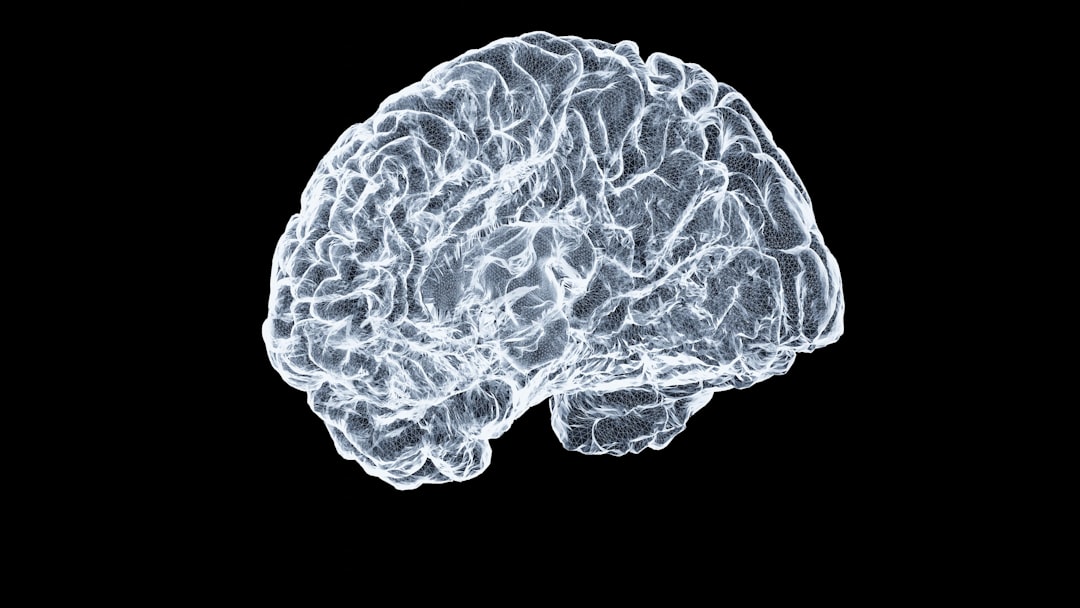
You often experience moments where your brain seems to be working overtime, perhaps when you’re trying to decipher a complex problem, recall a forgotten memory, or even just navigate a crowded room. But what if I told you that a significant portion of your brain’s incredible work happens completely beneath the surface of your conscious awareness? You are, in essence, a master of hidden brain processing, a realm of neural activity that shapes your perceptions, decisions, and behaviors without you ever knowing it.
For centuries, the focus of neuroscience has been on what we can observe: brain waves during sleep, the firing of neurons in response to stimuli, or the observable effects of brain damage. While these avenues have yielded invaluable insights, they paint an incomplete picture. The true marvel of your brain lies in its ability to perform an astonishing amount of computation and integration in the shadows, influencing your every thought and action. This article invites you to embark on a journey into this fascinating, often unseen, landscape, to uncover the neuroscience of hidden brain processing.
You might believe that every decision you make is a deliberate, conscious process. You weigh the pros and cons, consider the consequences, and then arrive at a conclusion. However, the reality is far more intricate, and significantly influenced by processes that operate beyond your immediate awareness. Your brain is constantly evaluating a vast ocean of information, making rapid predictions, and initiating responses before you even register them as a conscious thought.
The Primacy of Intuition and Gut Feelings
Think about those moments when you just “know” something is right or wrong, even if you can’t articulate why. This is your brain’s intuitive processing at play. It’s not a mystical sixth sense, but rather the result of countless past experiences, learned associations, and subtle environmental cues being rapidly processed below the threshold of your conscious mind. Your amygdala, for instance, plays a crucial role in processing emotions and threat detection, often generating a “gut feeling” of unease or comfort long before your prefrontal cortex can analyze the situation rationally. This rapid, emotional evaluation can steer your decisions in a particular direction, sometimes overriding what logic might suggest.
Subliminal Priming and Its Subtle Influence
You are constantly bombarded with sensory information, much of which your conscious mind filters out as irrelevant. However, your brain doesn’t simply discard it. It processes this “subliminal” information, which can then subtly influence your subsequent thoughts and behaviors. Imagine seeing a fleeting image of a smiling face or a word like “thirsty” flashed for a fraction of a second. While you might not consciously register it, this information can prime you to feel happier or more inclined to seek a drink. This phenomenon, known as subliminal priming, highlights how your brain is constantly making connections and associations in the background, shaping your preferences and motivations in ways you’re not actively aware of.
The Speed of Unconscious Bias
One of the most significant areas of hidden brain processing lies in the formation and operation of unconscious biases. These are deeply ingrained stereotypes and prejudices that you hold about certain groups of people, formed through societal conditioning, personal experiences, and cultural narratives. While you may consciously strive to be fair and unbiased, your brain, in its effort to efficiently categorize and process information, can default to these learned associations. This means that even with the best intentions, your perceptions, judgments, and even your actions can be subtly influenced by these hidden biases, impacting everything from hiring decisions to interpersonal interactions. Understanding that these biases exist and are the product of complex neural pathways is the first step in mitigating their impact.
In exploring the fascinating realm of hidden brain processing in neuroscience, one can gain deeper insights by reading the article available at Freaky Science. This resource delves into the intricate mechanisms of the brain that operate beneath our conscious awareness, shedding light on how these processes influence our thoughts, behaviors, and decision-making. Understanding these hidden layers of cognition can enhance our comprehension of human psychology and the complexities of neural functioning.
The Silent Workhorses of Memory Formation and Retrieval
Your memories are not stored like files in a computer’s hard drive, waiting to be consciously accessed. The process of forming, consolidating, and retrieving memories is a dynamic and often hidden neurological ballet. A significant portion of this intricate dance occurs outside of your direct awareness, shaping your understanding of the past and influencing your present.
The Consolidation of Memories During Sleep
You might think of sleep as a period of inactivity for your brain, but it’s quite the opposite. During sleep, your brain is hard at work consolidating the day’s experiences, strengthening important neural connections and pruning away less significant ones. This process, particularly during slow-wave sleep and REM sleep, is crucial for transforming fleeting sensory input into durable memories. While you are dreaming or deeply asleep, your hippocampus and neocortex are actively replaying and reorganizing neural patterns, embedding information more permanently into your memory networks. This hidden consolidation allows you to recall events and learned information later, often without consciously remembering the process of its formation.
The Reconstruction of Past Events
When you recall a memory, you’re not simply pulling up a perfect recording of the past. Instead, your brain actively reconstructs the event based on fragmented pieces of information stored in various neural networks. This reconstruction process is highly dynamic and can be influenced by your current emotional state, beliefs, and even by information you encounter after the event itself. This means that memories can be surprisingly malleable, and the “hidden” work of your brain involves weaving together these fragments, sometimes leading to subtle inaccuracies or the incorporation of new details that weren’t originally present. This is why eyewitness testimony can be unreliable, and why remembering can feel more like an active creative act than a passive retrieval.
The Role of the Amygdala in Emotional Memory
Emotions are powerful memory anchors, and the amygdala plays a critical role in this process, often operating below the surface of your conscious awareness. When you experience a highly emotional event, your amygdala becomes highly active, tagging that experience with a strong emotional valence. This “emotional tag” enhances the likelihood that the memory will be encoded and consolidated more robustly. You might not consciously think about how fearful or joyful an event was in the moment of recall, but the underlying neural pathways forged by the amygdala ensure that these emotionally charged memories are more readily accessible and more vividly remembered. This explains why traumatic events or intensely happy moments often stand out so vividly in your personal history.
The Subconscious Symphony of Sensory Integration
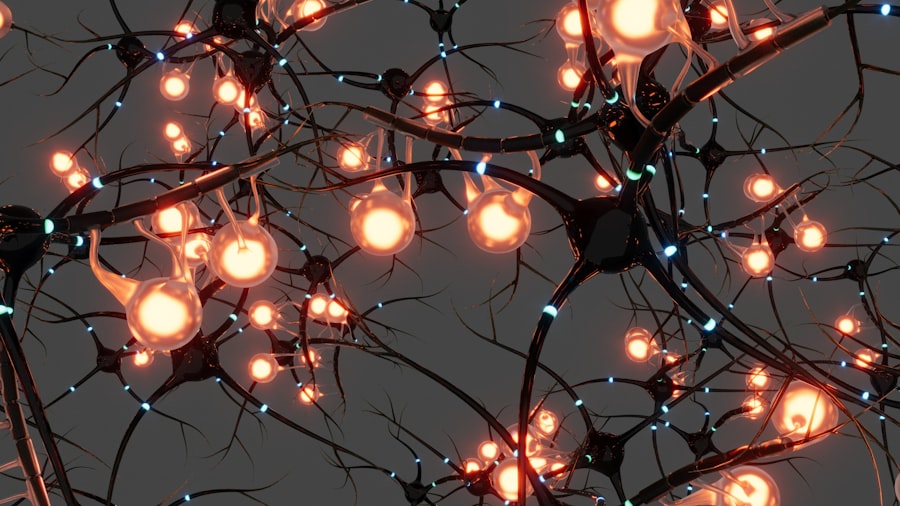
Your sensory organs are constantly feeding your brain a deluge of information – sights, sounds, smells, tastes, and touch. Your conscious mind can only process a fraction of this incoming data. However, your brain excels at integrating these disparate sensory streams into a coherent and unified perception of the world, a feat that relies heavily on hidden processing.
The Binding Problem and Perceptual Coherence
How does your brain know that the red color you see, the chirping sound you hear, and the smooth texture you feel are all part of the same object, say, an apple? This is the essence of the “binding problem,” and it’s a testament to the brain’s remarkable ability to integrate information from different sensory modalities. While you consciously perceive a unified object, your brain is performing a complex, hidden process of synchronizing neural activity across different sensory areas. This synchronized firing allows your brain to “bind” together the features of an object, creating a cohesive perceptual experience that feels effortless and seamless to you.
Predictive Coding and Expectation
Your brain is not a passive recipient of sensory input; it’s an active predictor. Based on past experiences and current context, your brain constantly generates expectations about what it’s about to perceive. This framework of “predictive coding” means that your brain is not just processing incoming data but also comparing it to its predictions. When there’s a mismatch between what’s expected and what’s actually perceived, your brain updates its models. This hidden predictive machinery allows you to process the world efficiently, focusing your conscious attention on novel or surprising information while effortlessly processing the expected.
The Influence of Olfactory Cues
Your sense of smell is directly linked to the limbic system, the part of your brain that governs emotions and memory, and it often operates on a subconscious level. A particular scent can evoke strong emotional responses or trigger vivid memories without you consciously trying to recall them. This hidden influence of olfactory cues can shape your preferences, influence your mood, and even affect your social interactions in ways you’re not fully aware of. Think about how the smell of freshly baked cookies can evoke feelings of comfort and nostalgia, or how a certain perfume can subtly alter your perception of someone.
The Hidden Machinery of Motor Control and Skill Acquisition
When you learn to ride a bike, play a musical instrument, or even type on a keyboard, you are engaging in complex motor skill acquisition. While you might consciously focus on the movements, the underlying neural processes that make these actions fluid and automatic are largely hidden from your awareness.
Procedural Memory and Automaticity
As you practice a skill, it transitions from conscious effort to ingrained habit. This is the realm of procedural memory, a type of implicit memory that governs how you perform tasks. Your cerebellum and basal ganglia are key players in this process, silently refining neural pathways to make movements smoother, more efficient, and less reliant on conscious thought. Once a skill becomes automatic, you can perform it without actively thinking about each individual step, freeing up your conscious mind for other tasks. This automaticity is a profound example of hidden brain processing that allows for effortless mastery.
Motor Learning Through Observation and Imitation
You also learn many motor skills simply by observing others and attempting to imitate them. This process of observational learning involves mirror neurons, specialized brain cells that fire both when you perform an action and when you observe someone else performing the same action. These neurons create a simulated experience of the observed action within your own brain, allowing you to internally practice and refine the motor commands needed to replicate it. This hidden imitative capacity is fundamental to how humans learn and develop complex motor abilities.
The Role of Proprioception in Movement
Proprioception is your body’s “sixth sense,” providing your brain with constant, subconscious information about the position and movement of your limbs and body. Without consciously thinking about it, your brain uses this feedback to adjust your posture, maintain balance, and coordinate your movements. Specialized receptors in your muscles and joints send continuous signals to your brain, allowing for precise and adaptive motor control. This hidden sensory input is crucial for everything from walking without tripping to performing delicate surgical procedures.
In exploring the fascinating world of hidden brain processing in neuroscience, one can gain deeper insights by examining related research on cognitive functions and unconscious decision-making. A particularly intriguing article discusses how our brains process information without our conscious awareness, shedding light on the complexities of human behavior. For more details, you can read the full article here. This exploration not only enhances our understanding of neuroscience but also opens up discussions about the implications for psychology and behavioral science.
The Unseen Currents of Consciousness
| Category | Data/Metric |
|---|---|
| Brain Processing Speed | 200 milliseconds for unconscious processing |
| Neurotransmitters | Dopamine, Serotonin, and Acetylcholine |
| Neural Pathways | Trillions of connections |
| Subconscious Bias | 90-95% of decision making |
While consciousness is the very essence of your subjective experience, many of the processes that contribute to and sustain it operate in the hidden depths of your brain. Understanding these hidden currents offers a more nuanced perspective on what it means to be aware.
The Subconscious Generation of Thoughts
You often feel like your thoughts arise spontaneously, as if from nowhere. While some may be a direct response to external stimuli, many of your thoughts are generated by complex, subconscious processes. Your brain is constantly evaluating information, making connections, and initiating internal dialogues that can bubble up into your conscious awareness as a fully formed thought. This constant internal chatter and the neural networks that underpin it are a testament to the ongoing, unseen work of your mind.
The Neural Basis of Attention
Your attention is a limited resource, and your brain has sophisticated, often subconscious, mechanisms for allocating it. When you are engrossed in a task, your brain is actively filtering out distractions and prioritizing relevant information. This selective attention is not always a conscious choice; your brain can automatically orient towards salient stimuli, even if you’re not actively trying to notice them. This hidden attentional filtering allows you to focus and engage with the world around you.
The Mystery of “Flow States”
You may have experienced “flow states,” those moments of complete absorption in an activity where time seems to melt away and you feel effortlessly productive. These states are characterized by a reduction in activity in the prefrontal cortex, the seat of your conscious, analytical mind, and a heightened engagement of other brain regions. The seamless integration of sensory input, motor control, and cognitive processing that occurs during flow is a powerful example of how hidden brain networks can work in concert to produce peak performance and profound experiences. It suggests that sometimes, the most effective functioning comes when the conscious overseer steps back a bit, allowing the hidden machinery to shine.
In conclusion, your brain is a universe of hidden processing, a constant hum of activity that shapes your every experience. From the subtle influences on your decisions to the intricate formation of memories, the seamless integration of sensory input, and the effortless mastery of skills, these unseen processes are the silent architects of your reality. By beginning to understand and acknowledge the neuroscience of hidden brain processing, you gain a deeper appreciation for the profound complexity and remarkable efficiency of your own mind, and perhaps, a newfound curiosity to explore its unfathomable depths.

Your Brain May Sense Earth’s Magnetic Field Without You Knowing
FAQs
What is hidden brain processing in neuroscience?
Hidden brain processing refers to the subconscious or automatic processing of information by the brain, which occurs without our awareness. This type of processing plays a crucial role in decision-making, emotions, and behavior.
How does hidden brain processing impact our daily lives?
Hidden brain processing influences our perceptions, attitudes, and behaviors in various ways. It can shape our preferences, biases, and reactions to different stimuli, often without our conscious awareness.
What are some examples of hidden brain processing at work?
Examples of hidden brain processing include implicit biases, automatic responses to danger, and the formation of habits. These processes can impact our interactions with others, our decision-making, and our emotional responses.
What are the underlying mechanisms of hidden brain processing?
The underlying mechanisms of hidden brain processing involve complex neural networks and cognitive processes. These include the activation of certain brain regions, the integration of sensory information, and the influence of past experiences on current perceptions.
How can we better understand and harness hidden brain processing?
Researchers in neuroscience are studying hidden brain processing to better understand its impact on human behavior and decision-making. By gaining insights into these processes, we can develop strategies to mitigate biases, improve decision-making, and enhance overall well-being.