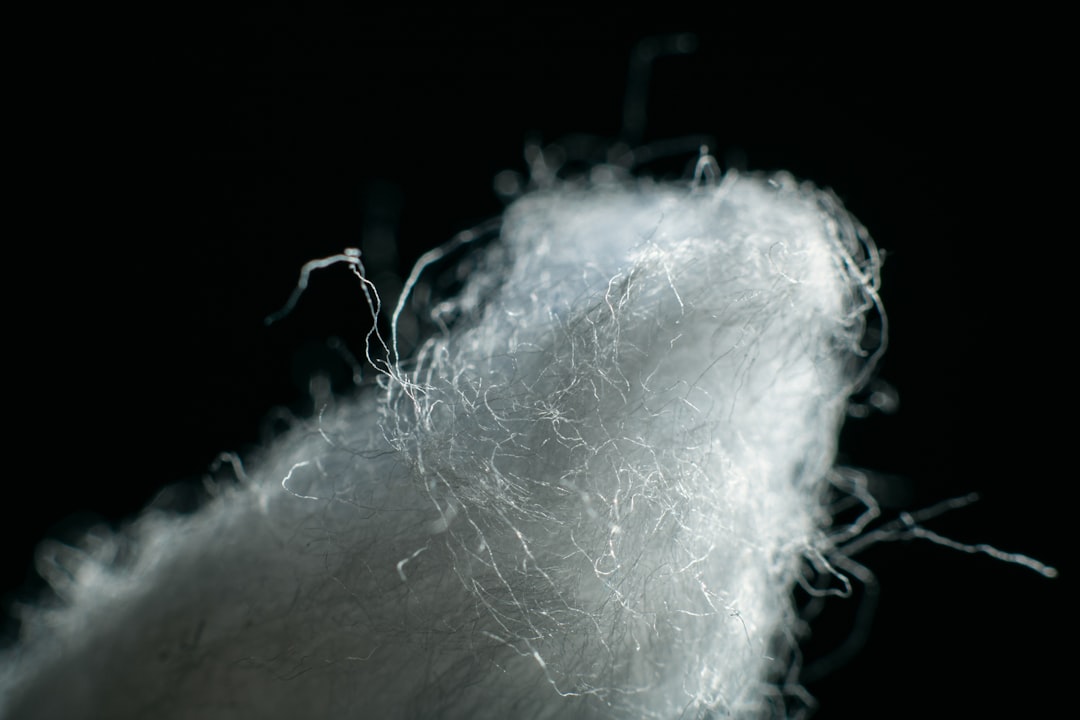
You’ve held it in your hands countless times. You’ve written on it, printed on it, perhaps even folded it into intricate cranes or simple boats. Paper. So commonplace, so readily available, it’s easy to overlook its profound complexity. But what if you were to look closer? What if you were to shrink down, down, down, until the familiar surface of a sheet of paper transforms into an alien landscape? This is where you begin your exploration into the intricate world of microscopic paper fibers, a realm of astonishing detail, surprising science, and unsung heroes of communication and creativity.
To truly appreciate the microscopic realm of paper fibers, you must first understand how they are created. Paper, at its core, is a mat formed by interlocking cellulosic fibers, most commonly derived from wood pulp. This seemingly simple process is a marvel of engineering and chemistry, resulting in a material capable of holding ink, resisting tears, and enduring for centuries.
From Tree to Pulp: The Genesis of Fibers
Your journey begins with the raw material: trees. Not just any trees, mind you, but carefully selected species known for their long, strong cellulose fibers. Softwoods like pine and spruce are favored for their extended fibers, which create a stronger, more durable paper, while hardwoods like oak and maple offer shorter, finer fibers for smoother surfaces and better printability.
Harvesting and Debarking: The First Steps
Once harvested, logs are transported to the pulp mill. Here, the first crucial step is debarking. The bark, rich in lignin and other non-cellulosic materials, would negatively impact the quality of the final paper. Mechanical drums or high-pressure water jets are employed to strip away the bark, revealing the pristine wood beneath.
Chipping and Mechanical Pulping: The Brute Force Approach
The de-barked logs are then fed into chippers, massive machines that reduce the wood into small, uniform chips. These chips are then subjected to mechanical pulping. This process involves grinding the chips between rotating metal discs or passing them through refiners. The goal is to physically separate the wood fibers, a process that is energy-intensive and slightly damages the fibers, making them shorter and weaker than those produced by chemical methods. However, mechanical pulping is cost-effective and retains a higher proportion of lignin, resulting in paper that is often yellowish and yellows further with age – think of newsprint.
Chemical Pulping: The Refined Approach
For higher-quality paper, chemical pulping is the preferred method. This involves cooking the wood chips in a strong chemical solution that dissolves the lignin and other non-cellulosic components, leaving behind almost pure cellulose fibers. The two dominant chemical pulping processes are the Kraft process (sulfate process) and the sulfite process.
The Kraft Process: A Powerful and Versatile Method
The Kraft process is the most widely used chemical pulping method globally. It utilizes a mixture of sodium hydroxide (NaOH) and sodium sulfide (Na₂S), known as white liquor. The wood chips are cooked under high pressure and temperature in a digester, where the chemicals break down the lignin. This process yields strong, durable fibers, making Kraft paper ideal for packaging, bags, and writing papers. A significant advantage of the Kraft process is its ability to recover and reuse the cooking chemicals, making it more environmentally friendly than some older methods.
The Sulfite Process: A Gentler But Less Common Path
The sulfite process uses solutions of sulfurous acid (H₂SO₃) and a base (such as magnesium, sodium, or ammonium bisulfite). It’s a gentler process than Kraft but generally produces weaker fibers and is less efficient at lignin removal. While it was historically important, its environmental impact and the challenges in chemical recovery have led to its decline in favor of the Kraft process.
From Pulp to Sheet: The Formation of Paper
Once the wood fibers are liberated from the wood, they are a slurry of water and cellulose. This pulp is then processed to create the familiar sheet of paper.
Bleaching: Achieving Whiteness and Brightness
If you desire white paper, the pulp must be bleached. This process removes any remaining traces of lignin and other colored compounds. Historically, chlorine compounds were used, but concerns about dioxin formation have led to a shift towards Elemental Chlorine Free (ECF) or Totally Chlorine Free (TCF) bleaching processes. ECF uses chlorine dioxide, while TCF employs oxygen, ozone, or hydrogen peroxide. You might notice that unbleached paper has a natural, slightly brownish hue.
Refining: Fibrillation and Strength Development
Before the fibers are formed into a sheet, they undergo a process called refining. This involves passing the pulp between rotating discs or cones that subject the fibers to mechanical action. This action causes the fibers to swell and fibrillate – microscopic hairs or branches grow from their surface. These fibrils are crucial for the bonding between fibers in the finished paper, significantly increasing its strength and integrity. This is where you start to see the groundwork being laid for the intricate network you’ll discover at a microscopic level.
Sheet Formation: Interlocking the Fibers
The refined pulp, now a dilute suspension of fibers in water, is pumped onto a moving screen or wire mesh. This is typically done on a Fourdrinier machine, a long, complex piece of equipment. As the water drains through the mesh, the fibers begin to settle and interlock, forming a wet web. The speed of the machine, the amount of water, and the way the pulp is distributed all influence the uniformity and strength of the nascent paper.
Pressing and Drying: Capturing the Structure
The wet web is then passed through a series of heavy rollers, called presses, which squeeze out more water and further consolidate the fiber mat. Finally, the paper is run through a series of heated cylinders, called dryers, which evaporate the remaining moisture. As the water leaves, the hydrogen bonds between the cellulose fibers form, locking them into their intricate, intertwined structure. This is the point where the macroscopic sheet is solidified, and the microscopic world within is set.
Recent studies have highlighted the significance of microscopic paper fibers in various applications, from enhancing the strength of materials to improving the quality of recycled paper products. For a deeper understanding of how these tiny fibers impact the paper industry and their potential uses in innovative technologies, you can read more in this related article: Freaky Science.
The Microscopic Tapestry: What You See Under the Lens
Now, let’s zoom in. Armed with a microscope, you’re about to witness the true artistry of papermaking. The smooth, flat surface you know gives way to a landscape of interwoven threads, each with its own subtle texture and form.
Fiber Morphology: The Unique Characteristics of Each Strand
The appearance of each individual fiber under the microscope is a direct result of its origin and processing. You’ll find that they are not uniform at all.
Individual Cellulose Strands: The Basic Unit
At its most fundamental level, a cellulose fiber is a long, tubular structure. You’ll observe a primary wall and a secondary wall, composed of tightly packed cellulose microfibrils arranged in a helical pattern. The degree to which this helix is wound influences the fiber’s flexibility and strength.
Softwood vs. Hardwood Fibers: A Visual Distinction
Here’s where you can see the difference hinted at earlier. Softwood fibers are generally longer, ranging from 2 to 5 millimeters, and appear as relatively long, slender strands. Their length contributes to the strength and tear resistance of the paper. Hardwood fibers, on the other hand, are shorter, typically 0.5 to 1.5 millimeters, and are often wider. They give paper a smoother surface and better opacity. Imagine trying to weave a fabric with only long, stiff threads versus a blend of long and short, more pliable ones – the resulting texture and feel will be different.
Tracheids and Vessels: Specialized Structures
In wood pulp, you’ll encounter different types of cells. Tracheids are the primary water-conducting cells in softwoods, and they are also the main source of fibers for papermaking. You might see them appearing as long, hollow tubes. In hardwoods, you’ll also find vessel elements, which are wider than tracheids and are part of the xylem’s water transport system. While they can contribute to the pulp, their shorter, wider nature can sometimes reduce paper strength and increase porosity, especially if present in large quantities.
The Interlocking Network: Hydrogen Bonds and Fibril Interplay
The magic of paper lies not just in the individual fibers but in how they connect to form a cohesive sheet. This connection is a testament to the power of hydrogen bonding and the physical structure of the fibers themselves.
Hydrogen Bonds: The Invisible Glue
When the pulp dries, the hydroxyl (-OH) groups on adjacent cellulose molecules in different fibers come close enough to form hydrogen bonds. These are relatively weak individual bonds, but when millions of them form between countless overlapping fibers, they create a remarkably strong and cohesive structure. You won’t see hydrogen bonds directly under a light microscope, but you are witnessing their collective effect – the stable, inseparable mat of fibers. Think of it like Velcro; each individual hook and loop is weak, but when pressed together, they create a strong hold.
Fibrillation: Enhancing Surface Area for Bonding
Remember the refining process? The development of fibrils is key here. These tiny, hair-like extensions dramatically increase the surface area of each fiber. The more surface area available, the more opportunities there are for hydrogen bonds to form between adjacent fibers. Under the microscope, you might be able to discern some of these finer fibril extensions, especially on more refined fibers, appearing as a fuzzy halo.
Fiber Orientation: The Directional Dictates
The way you fold and tear paper can give you clues about fiber orientation. During sheet formation, especially on a Fourdrinier machine, fibers tend to align in the direction of the machine’s movement. This creates a “machine direction” (MD) and a “cross direction” (CD). Paper is generally stronger and tears more easily in the machine direction due to this alignment. You might observe this directional tendency as you examine fibers at an angle.
Impurities and Additives: Beyond Pure Cellulose
While you’re marveling at the cellulosic network, you’ll also notice other elements that are not pure cellulose. These are the intentional additions and unavoidable impurities of the papermaking process.
Fillers: Enhancing Opacity and Smoothness
Many papers, especially printing papers, contain inorganic fillers like calcium carbonate (CaCO₃) or kaolin clay. These are added to improve opacity (making the paper less transparent), brightness, and smoothness, and to reduce cost as they are less expensive than virgin fiber. Under the microscope, these fillers appear as small, often irregularly shaped particles dispersed among the fibers. Their presence creates microscopic voids, contributing to the paper’s whiteness and light-scattering properties.
Sizing Agents: Controlling Ink Penetration
If you’ve ever tried writing on very absorbent paper with a fountain pen, you’ve experienced the dreaded feathering and bleeding. Sizing agents are added to paper to control the penetration of liquids, like ink. Rosin and synthetic polymers are common sizing agents. They work by reducing the paper’s absorbency. You might not see these as distinct particles under a standard light microscope, as they are often deposited onto the fibers, but their presence alters the interactions between the fibers and any liquid applied to the surface.
Dyes and Pigments: Adding Color
For colored paper, dyes and pigments are incorporated into the pulp. These will appear as tiny colored particles attached to or embedded within the fibers, giving the paper its characteristic hue. Their size and distribution will vary depending on the type of coloring agent used.
The Science Behind the Structure: Delving Deeper

The intricate world of microscopic paper fibers isn’t just visually fascinating; it’s a realm governed by fundamental scientific principles. Properties like strength, absorbency, and printability are all dictated by the physical and chemical nature of the fibers and their arrangement.
Cellulose Chemistry: The Foundation of Fiber Strength
Cellulose itself is a remarkable biopolymer. Understanding its chemical structure is essential to understanding why paper behaves the way it does.
Polysaccharide Powerhouse: The Glucose Backbone
Cellulose is a long chain polymer composed of repeating glucose units. Each glucose unit is linked together by beta (β) glycosidic bonds. These bonds have a specific orientation that allows the cellulose chains to pack together in a highly ordered, crystalline structure. This crystalline arrangement is what gives cellulose its inherent strength and rigidity.
Microfibril Formation: Bundles of Strength
Multiple cellulose chains align parallel to each other and are held together by extensive hydrogen bonding, forming microfibrils. These microfibrils are the fundamental building blocks of the cellulose fiber wall. The more crystalline and tightly packed these microfibrils are, the stronger the fiber.
Lignin’s Role: The Binding Agent of Wood
Lignin, a complex three-dimensional polymer found in wood, acts as a binder for the cellulose fibers in the plant. It provides rigidity and resistance to decay. However, lignin is also what makes wood darker and less flexible. Removing lignin is crucial for producing high-quality paper that can be bleached white and remain stable over time. The efficiency of lignin removal directly impacts the long-term stability and brightness of your paper.
Physical Properties Dictated by Microstructure: Why Paper Behaves as It Does
The microscopic architecture of paper directly influences its macroscopic properties.
Tensile Strength and Tear Resistance: The Interlocking Matrix
The tensile strength of paper – its ability to withstand pulling forces – is largely due to the extensive network of hydrogen bonds and the interlocking of the fibrillated fibers. Longer fibers, like those from softwoods, contribute more to tear resistance because they create a more extensive network that must be broken for a tear to propagate. Think about ripping a piece of fabric; a tightly woven, densely packed fabric is much harder to tear than a loosely woven one.
Porosity and Absorbency: The Spaces Within
The spaces between the fibers, known as pores, determine the paper’s porosity and absorbency. These pores are formed by the gaps and channels within the fiber network. The presence of fillers and the degree of fiber packing influence the size and distribution of these pores. Papers with smaller, more tightly packed pores are less absorbent and have better print quality, while papers with larger pores are more absorbent, suitable for things like blotting paper.
Surface Smoothness and Printability: The Foundation for Ink
The smoothness of a paper’s surface is crucial for good printability. A smoother surface allows ink to spread evenly without feathering. This smoothness is achieved through the use of shorter, finer fibers (from hardwoods), fillers that fill in microscopic valleys between fibers, and calendering – a process where paper is passed through smooth rollers to flatten it even further. Under the microscope, you can see how these elements contribute to a more uniform surface for ink to adhere to.
Beyond the Ordinary: Specialized Papers and Their Microscopic Characteristics
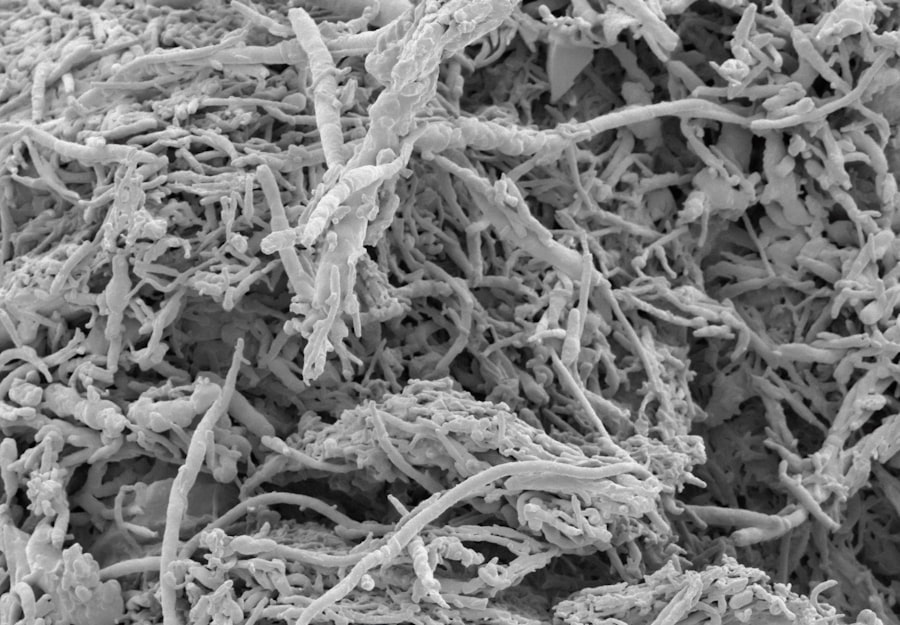
While the general principles of papermaking apply across the board, you’ll find that specialized papers have unique microscopic features tailored to their specific functions.
Specialty Papers: Tailored for Performance
The world of paper extends far beyond your desktop printer. Each application demands specific properties, and these are often achieved through meticulous control of the microscopic fiber structure.
Filter Papers: Precision in Purity
Filter papers are designed to selectively allow liquids or gases to pass through while retaining solid particles. Their microscopic structure is characterized by a precisely controlled pore size. This is achieved by using specific fiber types (often cotton linters or specialized wood pulp) and carefully controlling the refining and sheet formation processes. Under the microscope, you’ll see a more open, yet uniformly structured, network of fibers with consistent void spaces designed to trap particles of a certain size.
Tissue Papers: Softness and Absorbency
The softness and absorbency of tissue paper (like facial tissues or paper towels) are achieved through a combination of fiber selection and specialized manufacturing techniques. Short, fine fibers contribute to softness. Often, a creping process is used, where the nearly dry paper sheet is scraped off the drying cylinder with a blade, causing it to crinkle and fracture, creating a fluffy, absorbent structure. Microscopically, this results in a highly irregular and lofty fiber mat.
Currency Paper: Durability and Security
The paper used for banknotes is engineered for extreme durability and often includes security features visible only under magnification. It’s typically made from a blend of cotton and linen fibers, which provide exceptional strength and longevity compared to wood pulp. Security threads, watermarks (created by varying the thickness of the paper during formation, making them visible when held to light), and microprinting are all microscopic or semi-microscopic features that enhance security. Examining currency paper under a microscope can reveal these intricate details.
Packaging Papers: Strength and Barrier Properties
Packaging materials, from corrugated cardboard to paper sacks, require robust strength and often specific barrier properties against moisture or grease. Corrugated cardboard, for instance, utilizes a fluted layer of paper sandwiched between flat linerboards. The microscopic structure of the fluted paper provides cushioning and rigidity. The linerboards, often made from Kraft pulp, have a dense fiber network contributing to their strength and resistance to puncture. Surface coatings can further alter the microscopic surface characteristics to provide water resistance or printability.
The Influence of Additives: Microscopic Impact, Macroscopic Performance
The careful inclusion of various additives can dramatically alter the microscopic and macroscopic properties of paper.
Strength Enhancers: Boosting the Bonds
You might encounter additives specifically designed to further enhance interfiber bonding. These could be synthetic polymers or natural starches. These additives can act as additional binding agents, increasing the number of hydrogen bonds or forming adhesive bridges between fibers. Microscopically, you might see them as a thin, almost invisible coating or matrix surrounding the fibers, reinforcing the overall structure.
Optical Brighteners: Enhancing Whiteness
Optical brighteners are fluorescent compounds that absorb ultraviolet light and re-emit it in the blue spectrum. This subtle addition makes paper appear whiter and brighter to the human eye. While they don’t structurally alter the fibers, they are microscopic chemical agents that significantly impact the paper’s visual perception.
Water-Resistant Coatings: A Barrier at the Surface
For applications where water resistance is crucial, papers are often coated. These coatings can consist of polymers, waxes, or specialized pigments. Microscopically, these coatings form a continuous or semi-continuous layer on the surface of the fiber mat, effectively creating a barrier that prevents liquid penetration. The structure of these coatings, whether smooth and continuous or textured, will vary depending on the desired level of water repellency and other surface properties.
Recent studies have highlighted the fascinating world of microscopic paper fibers, revealing their potential applications in various fields, from environmental science to materials engineering. For those interested in exploring this topic further, a related article can be found on Freaky Science, which delves into the innovative uses of these tiny structures. You can read more about it in this article, where the implications of microscopic fibers are discussed in detail, showcasing their importance in modern technology and sustainability efforts.
Challenges and Innovations: The Future of Microscopic Fibers
| Property | Value |
|---|---|
| Size | Microscopic |
| Composition | Paper fibers |
| Texture | Fibrous |
| Origin | Paper production |
The world of papermaking is not static. Facing environmental pressures and evolving technological demands, the industry is constantly innovating, often with a focus on improving efficiency and sustainability, which invariably impacts the microscopic world of fibers.
Sustainability in Papermaking: Reducing Environmental Footprint
The drive towards sustainability is a significant force shaping the future of papermaking, directly influencing fiber choices and processing.
Recycled Fibers: A Second Life for Cellulose
Recycled paper is a vital component of modern papermaking. When paper is recycled, the fibers are dewatered, cleaned, and re-pulped. While repeated recycling can shorten and weaken fibers, advanced recycling technologies are improving the quality of recycled pulp. Microscopically, you might observe that recycled fibers are often shorter, more rounded, and may contain residual ink particles or coating materials that weren’t fully removed during the de-inking process. However, they still contribute to the overall fiber matrix.
Non-Wood Fibers: Exploring New Sources
Beyond wood, researchers and manufacturers are exploring alternative fiber sources for papermaking. These include agricultural residues like straw, bagasse (sugarcane waste), bamboo, and even recycled cotton. Each of these sources offers unique fiber characteristics. For example, bamboo fibers can be strong and have good papermaking properties, while agricultural residues may present challenges in terms of consistency and processing. The microscopic examination of paper made from these alternative fibers reveals distinct morphology compared to traditional wood pulp.
Biodegradable and Compostable Papers: Designing for End-of-Life
The demand for environmentally friendly packaging and disposable products has led to the development of biodegradable and compostable papers. These materials are designed to break down naturally in the environment. This often involves using specialized fiber treatments, coatings, and binders that are readily decomposable. Microscopically, the structure might appear similar to conventional paper, but the chemical composition allows for rapid decomposition when exposed to suitable biological conditions.
Technological Advancements: Precision at the Microscopic Level
New technologies are enabling greater precision and control over the microscopic structure of paper.
Advanced Refining Techniques: Tailoring Fiber Properties
Innovations in refining are allowing for more precise control over fiber fibrillation and morphology. Techniques like high-consistency refining and controlled mechanical treatments can selectively modify fibers to enhance specific properties like strength or drainage without excessive fiber damage. This means that even at a microscopic level, fibers can be engineered for optimal performance.
Nanocellulose: The Next Frontier
One of the most exciting advancements is the development of nanocellulose. This involves breaking down cellulose fibers into their nanoscale components – cellulose nanofibers or nanocrystals. These materials possess exceptional strength, stiffness, and unique optical properties. When incorporated into papermaking, nanocellulose can dramatically enhance the strength, barrier properties, and even create entirely new functionalities in paper products. Microscopically, it may appear as an even finer, more interconnected matrix, or as a reinforcing agent within the larger fiber network, creating a truly advanced material.
Digital Printing and Surface Engineering: Fine-Tuning the Surface
The rise of digital printing technologies has also spurred innovation in paper surface engineering. Papers are being developed with optimized surface characteristics to provide superior ink adhesion and image quality for inkjet, toner, and other digital printing methods. This involves precise control over surface roughness, porosity, and the chemical composition of the paper surface, all of which are directly observable at a microscopic level.
Your Microscopic Journey: A New Appreciation
As you put down your microscope, you’re left with a profound understanding of the seemingly simple object that has played such a pivotal role in human history. You’ve seen how the humble wood fiber undergoes a complex transformation, how its intricate structure dictates its performance, and how science and innovation continue to shape its future.
A World Within Reach: The Significance of Microscopic Detail
The next time you pick up a sheet of paper, pause. Consider the microscopic world teeming within it. Think about the countless interlocking fibers, the invisible bonds holding them together, the tiny particles of fillers and additives that contribute to its character. This microscopic tapestry is a testament to human ingenuity, a silent witness to the spread of knowledge, the expression of art, and the practicalities of everyday life. Your journey into the intricate world of microscopic paper fibers has just begun, and the more you look, the more you’ll discover. It’s a universe of wonder, hidden in plain sight, waiting for your curious gaze.

Why Paper Cuts Hurt (It’s Not What You Think)
FAQs
What are microscopic paper fibers?
Microscopic paper fibers are tiny fibers that make up paper material. They are so small that they are not visible to the naked eye and can only be seen under a microscope.
Where can microscopic paper fibers be found?
Microscopic paper fibers can be found in various paper products such as books, newspapers, tissues, and cardboard. They are also present in paper-based materials used in packaging and manufacturing.
How are microscopic paper fibers used in industry?
Microscopic paper fibers are used in industry for the production of paper and paper-based products. They are also used in the manufacturing of filters, insulation, and other materials that require a strong and flexible fiber.
Are microscopic paper fibers harmful to human health?
Microscopic paper fibers are generally not harmful to human health. However, inhaling large quantities of paper dust containing these fibers may cause respiratory irritation in some individuals.
How can microscopic paper fibers be controlled in the environment?
To control microscopic paper fibers in the environment, proper handling and disposal of paper products is important. Using dust masks and proper ventilation when working with paper materials can also help minimize exposure to these fibers.