
You stand at the precipice of a profound biological revelation, a journey into the labyrinthine network that resides not in your skull, but within your very core: the human gut nervous system. For too long, this intricate marvel has been overshadowed by its cerebral counterpart, relegated to a mere digestive conduit. But as scientific inquiry deepens, you’re beginning to understand that this “second brain” is far more than just a food processor. It’s a sophisticated command center, a maestro orchestrating a symphony of bodily functions and, remarkably, influencing your thoughts, moods, and behaviors. Prepare to delve into the complexities of this extraordinary system, a world teeming with neurons, neurotransmitters, and a potent dialogue that shapes your every experience.
Imagine a universe contained within the twisting passages of your intestines. This is the realm of the enteric nervous system (ENS), the undeniable protagonist of your gut’s complex drama. You might be surprised to learn that it houses more neurons than your spinal cord and, incredibly, operates with a remarkable degree of autonomy. This isn’t some rudimentary reflex arc; it’s a self-contained nervous system capable of intricate processing and decision-making, largely independent of your central nervous system (CNS). Think of it as an independent operational unit, a diligent manager overseeing all the day-to-day operations within your digestive tract.
A Vast Neural Network
As you explore the ENS, you’ll discover that it’s not a single entity, but a sprawling network woven into the very fabric of your gastrointestinal (GI) tract. From the esophagus, where your food takes its initial descent, all the way to the anus, this neural architecture is present, ensuring the seamless passage and processing of what you consume.
Myenteric Plexus: The Motor Control Center
Nestled between the longitudinal and circular muscle layers of the intestinal wall, you’ll find the myenteric plexus, also known as Auerbach’s plexus. This is your gut’s primary motor control center. Imagine it as the conductor of an orchestra, meticulously coordinating the muscular contractions – the peristalsis – that propel food along your digestive journey. It’s this intricate dance of muscle movements, orchestrated by the myenteric plexus, that you experience as the subtle (and sometimes not-so-subtle) rumblings and movements in your abdomen. Without its precise timing and coordination, your digestive processes would grind to a halt.
Submucosal Plexus: The Sensory and Secretory Specialist
Deeper within the intestinal wall, in the submucosa, lies the submucosal plexus, also referred to as Meissner’s plexus. This network takes on a different, yet equally vital, role. You can think of it as the intelligence gathering and resource allocation unit. It’s responsible for sensing the environment within the gut, detecting the chemical composition of your food, and regulating the secretion of digestive enzymes and fluids. Need more acid to break down that protein? The submucosal plexus has received the signal and is already initiating the necessary responses. It also plays a crucial role in nutrient absorption and managing blood flow to the digestive organs.
Autonomy and Integration: A Remarkable Balance
The true marvel of the ENS lies in its capacity for independent action. While it receives input from the CNS, it can also operate without direct CNS commands. This autonomy is essential for the rapid and continuous functioning of digestion. However, it’s not a complete separation. You’ll find that the ENS is constantly communicating with your brain, creating a bidirectional highway of information.
The Vagus Nerve: The Major Information Superhighway
The vagus nerve, the longest cranial nerve, serves as the primary communication channel between your brain and your gut. It’s a two-way street, transmitting signals in both directions. Your brain can send signals to influence gut motility and secretions, but, perhaps more surprisingly, your gut is sending a deluge of sensory information back to your brain, impacting your mood, emotions, and even your cognitive functions.
Neurotransmitters: Beyond the Brain
You’re accustomed to associating neurotransmitters like serotonin and dopamine with brain function. However, you’d be astonished to learn that the ENS is a prolific producer of these same chemical messengers, often in quantities far exceeding those found in the brain. Serotonin, for instance, plays a critical role in regulating gut motility and can significantly influence your mood. This underscores the profound connection between your gut health and your psychological well-being.
Recent research has shed light on the intricate relationship between the human gut nervous system and overall health, emphasizing the gut-brain axis’s role in various physiological processes. For an in-depth exploration of this fascinating topic, you can read more in the article found here: Understanding the Gut Nervous System. This article delves into how the gut’s neural networks communicate with the brain, influencing everything from mood to digestion.
The Gut-Brain Axis: A Constant Conversation
The relationship between your gut and your brain is not a one-way street; it’s a dynamic, reciprocal dialogue, a complex interplay known as the gut-brain axis. You are experiencing this conversation every moment of your existence, even if you’re not consciously aware of it. This axis is the neural, hormonal, and immunological link that connects your digestive system with your central nervous system, influencing everything from your appetite and digestion to your stress response and mood.
Sensory Feedback: Your Gut Whispers to Your Brain
Your gut is a highly sensitive organ, equipped with an array of receptors that constantly monitor its internal environment. These receptors inform your brain about everything from the presence of nutrients and the mechanical distension of your stomach to the presence of irritants or pathogens. Imagine your gut as a sensitive barometer, constantly sending updates to your brain about the state of affairs.
Mechanoreceptors: Sensing Pressure and Stretch
As food enters your stomach and intestines, these organs stretch. Specialized mechanoreceptors within the gut wall detect this stretching and send signals via the vagus nerve to your brain, contributing to feelings of fullness and satiety. This is how your brain knows when you’ve had enough to eat.
Chemoreceptors: Tasting Your Inner World
Your gut is also equipped with chemoreceptors that detect the chemical composition of the food you eat, as well as the presence of various molecules produced by gut bacteria. These signals help regulate the release of digestive enzymes and hormones, and they also relay information to your brain about the nutritional value and potential threats within your ingested contents.
The Immune System: A Silent Partner in Communication
The gut houses a significant portion of your body’s immune system. This immune presence is not just for defending against pathogens; it’s also deeply intertwined with the gut-brain axis. Immune cells in the gut can release signaling molecules, cytokines, which can influence brain function and behavior.
Cytokines: Mood and Inflammation’s Messengers
When your gut experiences inflammation, immune cells release cytokines. These molecules can cross the blood-brain barrier (or signal across it) and affect neurotransmitter systems, potentially leading to changes in mood, motivation, and even cognitive function. This is why you might feel sluggish or depressed when you have an upset stomach.
Hormonal Signals: A Chemical Symphony
Beyond neural and immune pathways, hormones play a crucial role in the gut-brain communication. Hormones produced by the gut, such as ghrelin (the hunger hormone) and leptin (the satiety hormone), directly influence your brain’s appetite regulation centers.
Ghrelin and Leptin: The Regulators of Appetite
The delicate balance of ghrelin and leptin is essential for maintaining a healthy weight. Ghrelin, released by the stomach, signals hunger to your brain, while leptin, primarily produced by fat cells, signals satiety. Disruptions in this hormonal communication can lead to overeating or undereating.
Neurological Infrastructure: The Building Blocks of Gut Intelligence
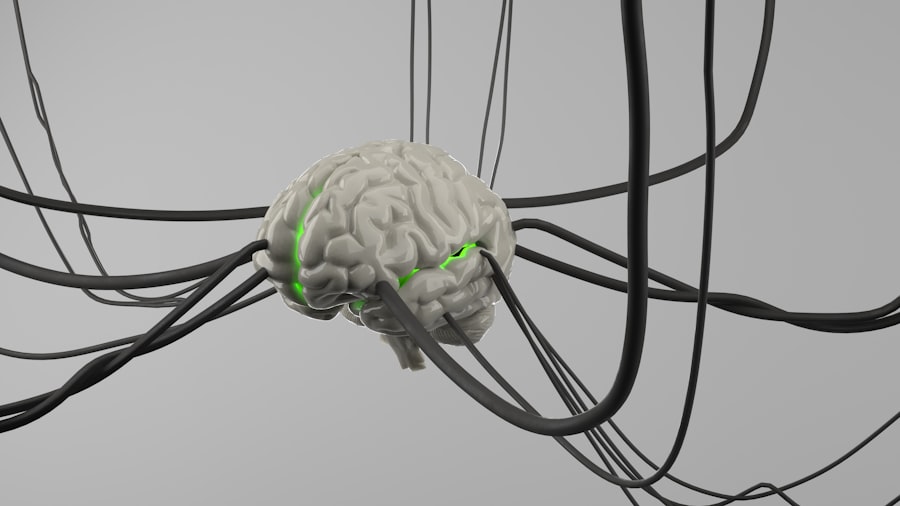
Beneath the surface of your conscious awareness, a sophisticated neurological infrastructure hums with activity. You’ve touched upon the ENS, but to truly grasp its complexity, you must delve into the fundamental building blocks: the neurons and supporting cells that form this intricate network.
Neurons: The Messengers of Information
The basic functional units of the nervous system, neurons, are abundant within the ENS. These specialized cells are responsible for receiving, processing, and transmitting electrochemical signals, forming the intricate circuitry of your gut’s intelligence.
Sensory Neurons: The Input Providers
These neurons are responsible for detecting stimuli within the gut lumen and the gut wall. They act as the initial sensors, gathering crucial information about the physical and chemical environment.
Motor Neurons: The Command Executors
Once sensory information is processed, motor neurons transmit signals to the smooth muscles of the gut, as well as to glands, initiating contractions and secretions that drive digestion and absorption.
Interneurons: The Integrators and Modulators
The vast majority of neurons in the ENS are interneurons. These neurons act as intermediaries, connecting sensory and motor neurons, and also communicating with other interneurons. They are responsible for the complex processing and integration of information, allowing for sophisticated control of gut functions and relaying signals to the CNS.
Glial Cells: The Unsung Heroes of the Neural Network
Just as in the brain, glial cells play a vital supportive role for neurons in the ENS. Far from being mere passive bystanders, these cells are active participants in maintaining the health and function of the neural network.
Astrocytes: Nourishment and Support
These star-shaped cells provide metabolic support to neurons, ensuring they have an adequate supply of nutrients. They also contribute to maintaining the integrity of the blood-brain barrier (and analogous barriers in the gut) and can modulate synaptic transmission.
Schwann Cells: Insulation and Regeneration
In the peripheral nervous system, including the ENS, Schwann cells wrap around axons, forming a myelin sheath that insulates nerve fibers and speeds up signal transmission. They also play a crucial role in nerve regeneration after injury.
Gut Microbiota and the Gut Nervous System: An Unlikely Alliance
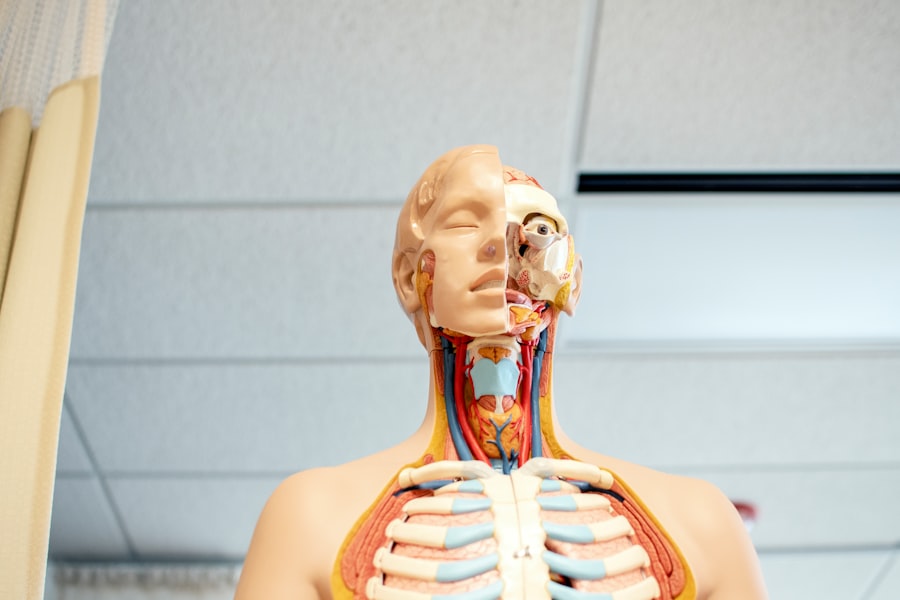
You might not think of the trillions of microorganisms residing in your gut as having a direct impact on your nervous system. However, the gut microbiota and the ENS are in a constant, complex dance, an alliance that profoundly influences your health and well-being. This burgeoning field of research is revealing the remarkable ways these microscopic inhabitants can shape your gut’s neuronal activity and, consequently, your brain.
Direct Bacterial Influence: The Chemical Connection
Gut bacteria produce a vast array of metabolites, including short-chain fatty acids (SCFAs), neurotransmitters, and other signaling molecules. These can directly interact with ENS neurons and influence their activity.
Short-Chain Fatty Acids (SCFAs): More Than Just Fuel
Produced by the fermentation of dietary fiber, SCFAs like butyrate, propionate, and acetate are crucial for gut health. They provide energy for colonocytes, but they also have potent signaling effects on the ENS, influencing gut motility, reducing inflammation, and even impacting brain function.
Bacterial Neurotransmitter Production: A Microbial Pharmacy
Certain gut bacteria can synthesize and release neurotransmitters like serotonin, GABA, and dopamine. While the extent to which these directly influence the brain is still under investigation, they undoubtedly contribute to the local neurochemical environment of the gut and can affect ENS signaling.
Indirect Influence: The Immune and Barrier Connection
The gut microbiota also influences the ENS indirectly by modulating the gut immune system and maintaining the integrity of the gut barrier.
Gut Barrier Integrity: The First Line of Defense
A healthy gut barrier, largely maintained by the microbiota, prevents harmful substances from entering the bloodstream. Compromised barrier function can lead to inflammation, which in turn can activate the ENS and influence brain function.
Immune System Modulation: A Constant Dialogue
The microbiota continuously trains and educates the gut’s immune system. This immune activity can lead to the release of signaling molecules that impact the ENS, creating a feedback loop that influences gut and brain states.
Recent studies have shed light on the intricate relationship between the human gut and the nervous system, revealing how our digestive health can significantly impact mental well-being. For those interested in exploring this fascinating connection further, an insightful article can be found here, which delves into the complexities of the gut-brain axis and its implications for overall health. Understanding this link may open new avenues for treating various psychological conditions through dietary and lifestyle changes.
Clinical Implications: When the Gut-Brain Axis Goes Awry
| Data/Metric | Description |
|---|---|
| Number of Neurons | The human gut nervous system contains around 100 million neurons. |
| Enteric Nervous System | It is often referred to as the “second brain” and is responsible for controlling digestion and gastrointestinal functions. |
| Neurotransmitters | The gut nervous system produces and uses neurotransmitters such as serotonin and dopamine, which can affect mood and behavior. |
| Connection to Brain | The gut nervous system is connected to the central nervous system via the vagus nerve, allowing for bidirectional communication between the gut and the brain. |
The intricate balance of the gut nervous system and its connection to the brain is crucial for overall health. When this delicate system is disrupted, it can manifest in a wide range of physical and psychological conditions, offering you a glimpse into the profound impact of this internal dialogue.
Irritable Bowel Syndrome (IBS): A Classic Example of Gut-Brain Dysregulation
IBS is a prime example of a disorder where gut-brain axis dysfunction plays a significant role. Individuals with IBS often experience heightened visceral sensitivity, meaning their gut is more sensitive to normal stimuli, leading to pain, bloating, and altered bowel habits.
Visceral Hypersensitivity: The Gut on High Alert
In IBS, the ENS may be overactive or hypersensitive, interpreting normal gut sensations as painful. Psychological factors, such as stress and anxiety, can exacerbate this hypersensitivity, highlighting the interconnectedness of the gut and brain.
Altered Gut Motility and Secretions: The Unpredictable Flow
The ENS’s control over gut muscle contractions and fluid secretions can be disrupted in IBS, leading to either rapid movement (diarrhea) or slow movement (constipation), or a combination of both.
Depression and Anxiety: The Gut’s Role in Mental Health
Emerging research is increasingly linking gut health to mental well-being. Disruptions in the gut microbiota and ENS function have been associated with an increased risk and severity of depression and anxiety disorders.
Inflammation and Neurotransmitter Imbalance: The Chemical Cascade
Chronic gut inflammation, often influenced by the microbiota, can lead to neuroinflammation and imbalances in neurotransmitters like serotonin, which are critical for mood regulation.
Stress Response: A Gut Reaction
The ENS plays a significant role in processing stress signals. Dysregulation in this system can contribute to an exaggerated stress response, impacting both gut function and psychological state.
Neurological Disorders: A Latent Connection
Even more profound implications are being uncovered regarding the potential involvement of the gut nervous system in neurodegenerative diseases, such as Parkinson’s disease.
Alpha-Synuclein Aggregation in the Gut: An Early Sign?
In Parkinson’s disease, the abnormal aggregation of alpha-synuclein protein is a hallmark. Evidence suggests that this aggregation may begin in the ENS years before motor symptoms appear, raising the possibility that gut-based interventions could be explored for early detection or treatment.
Neuroinflammation and Leaky Gut: A Vicious Cycle
The gut-brain axis is implicated in the neuroinflammation often seen in neurological disorders. A compromised gut barrier (“leaky gut”) can allow inflammatory molecules to enter the bloodstream and reach the brain, perpetuating the disease process.
You have now embarked on a journey that has revealed the extraordinary complexity and profound importance of your gut nervous system. From its own intricate neural circuitry to its constant, vital communication with your brain, this internal universe is far more than you ever imagined. Understanding these intricacies empowers you to appreciate the profound connection between what you eat, how you feel, and the overall health of your mind and body. The future of medicine is increasingly recognizing this powerful alliance, and your awareness is the first step towards harnessing its potential for a healthier, more balanced life.

The Hidden Sense Inside Your Gut
FAQs
What is the human gut nervous system?
The human gut nervous system, also known as the enteric nervous system (ENS), is a complex network of neurons that governs the function of the gastrointestinal tract. It is often referred to as the “second brain” due to its ability to operate independently from the central nervous system.
What is the role of the human gut nervous system?
The human gut nervous system plays a crucial role in regulating various gastrointestinal functions, including digestion, absorption of nutrients, and the movement of food through the digestive tract. It also communicates with the central nervous system and plays a role in regulating emotions and mood.
How does the human gut nervous system communicate with the brain?
The human gut nervous system communicates with the brain through the vagus nerve, which serves as a bidirectional communication pathway between the gut and the brain. This communication is essential for regulating various bodily functions and maintaining overall health.
What factors can impact the human gut nervous system?
Several factors can impact the human gut nervous system, including stress, diet, medications, and certain medical conditions. Imbalances in the gut microbiota can also affect the function of the ENS, leading to gastrointestinal issues and other health problems.
How can the human gut nervous system be supported for optimal health?
Supporting the human gut nervous system for optimal health involves maintaining a balanced diet, managing stress levels, and promoting a healthy gut microbiome. Regular physical activity and adequate sleep also play a role in supporting the function of the ENS and overall gut health.