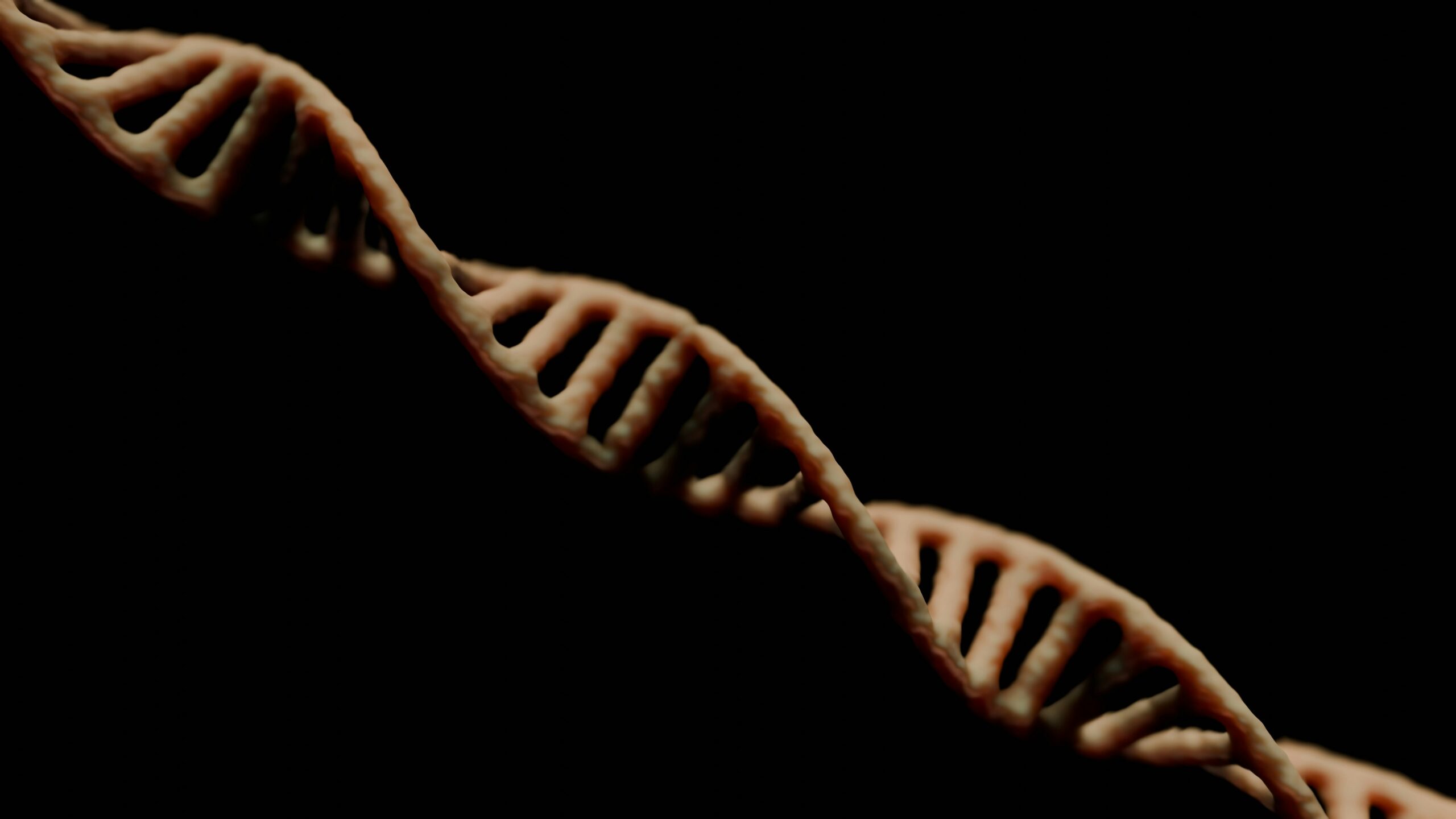
You might take your eye color for granted, a simple descriptor of your appearance. Yet, behind those captivating blues lie a complex genetic story, a narrative woven by your DNA. At the heart of this story, you’ll find the Herc2 gene, a critical player in determining how much pigment your iris cells produce. Understanding the nuances of this gene, particularly mutations within it, offers a fascinating glimpse into the biological mechanisms that sculpt your unique physical traits. This exploration will delve into the role of Herc2, the specific mutations that lead to blue eyes, and how this genetic landscape has evolved over time.
The Central Role of Herc2 in Melanin Production
Your eye color is primarily determined by the amount and type of melanin present in the iris. Melanin is a pigment produced by specialized cells called melanocytes. In the iris, the anterior layers contain melanocytes, and the density of melanin within these cells dictates the perceived color. Brown eyes, for instance, have a high concentration of melanin, which absorbs most wavelengths of light, resulting in a rich, dark appearance. Blue eyes, on the other hand, are characterized by a low concentration of melanin. This doesn’t mean the iris itself is blue; rather, it’s a phenomenon of light scattering. When light strikes an iris with very little melanin, shorter wavelengths (blues) are scattered more effectively, much like the sky appears blue due to Rayleigh scattering.
Melanin: The Pigment of Color
- Types of Melanin: There are two main types of melanin: eumelanin and pheomelanin. Eumelanin is responsible for darker colors like brown and black, while pheomelanin contributes to reds and yellows. In the iris, the primary pigment responsible for color variation is eumelanin. The amount of eumelanin directly correlates with how dark your eyes appear.
- Melanocytes and Melanosomes: Melanin is synthesized within organelles called melanosomes inside melanocytes. The number, size, and distribution of these melanosomes within the iris stromal cells play a crucial role in determining the final color.
- Light Scattering and the Iris: The stroma of the iris, the connective tissue layer, is where the interaction between melanin and light becomes critical. A dense population of melanosomes in the stroma absorbs most light, leading to brown eyes. In contrast, a sparse population of melanosomes allows light to penetrate and scatter, revealing the blue wavelengths.
The Herc2 Gene: A Master Regulator
The Herc2 gene (Hummingbird homolog 2) is a large gene that plays a significant, albeit indirect, role in eye color. It doesn’t directly produce melanin itself. Instead, it encodes a protein that acts as a transcriptional regulator. This means the Herc2 protein can bind to DNA and control the expression of other genes. Its most critical function in the context of eye color is its regulation of the OCA2 gene (Oculocutaneous Albinism II).
The OCA2 Gene: The Direct Producer
- OCA2 and P Protein: The OCA2 gene encodes the P protein, which is believed to be involved in the transport and maturation of melanosomes within melanocytes. A functional P protein is essential for the proper production and distribution of melanin.
- Herc2’s Control Over OCA2: What makes Herc2 so influential is a specific region within its gene that acts as an enhancer for the OCA2 gene. Enhancers are DNA sequences that increase the transcription of a gene. In the case of Herc2, this enhancer region is crucial for ensuring sufficient expression of the OCA2 gene, leading to adequate melanin production.
Recent studies have highlighted the intriguing connection between the herc2 gene mutation and the development of blue eyes, suggesting that this genetic variation plays a significant role in eye color determination. For a deeper understanding of this fascinating topic, you can explore the article available at Freaky Science, which delves into the science behind genetic mutations and their impact on human traits.
The Mutation: A Switch to Blue
The genetic basis of blue eyes is not due to a complete absence of melanin but rather a significant reduction in its production. This reduction is primarily orchestrated by a specific mutation within the Herc2 gene, located in that crucial enhancer region that controls OCA2 expression. This isn’t a single point mutation that disables the Herc2 protein itself; rather, it’s a variation that affects how strongly the enhancer can activate OCA2.
The Key Mutation: A Single Nucleotide Polymorphism (SNP)
- The rs1291383 SNP: The most well-studied and consistently implicated genetic variant associated with blue eyes is a single nucleotide polymorphism (SNP) located within an intron of the Herc2 gene, specifically at position rs1291383. An intron is a non-coding region of a gene. However, regulatory elements like enhancers can reside within introns.
- Impact on Transcription Factor Binding: This particular SNP involves a change in a single DNA base. This seemingly small alteration can have a profound effect on the binding affinity of transcription factors – proteins that attach to DNA to regulate gene expression. In the case of rs1291383, the altered DNA sequence in the Herc2 enhancer region makes it less effective at binding to transcription factors that normally promote high OCA2 gene expression.
- Reduced OCA2 Expression: Consequently, with this Herc2 SNP, the OCA2 gene is transcribed at a lower rate. This leads to a reduction in the production of the P protein, which, in turn, results in fewer and less pigmented melanosomes in the iris. The reduced melanin content is what ultimately leads to the perception of blue eyes.
Allelic Variations and Phenotype
- The ‘A’ and ‘G’ Alleles: The rs1291383 SNP has two common variants, or alleles: ‘A’ and ‘G’. If you have inherited two ‘A’ alleles (AA genotype), you typically have brown eyes. If you have inherited one ‘A’ allele and one ‘G’ allele (AG genotype), you are heterozygous and will likely have brown eyes, but you carry the gene for blue eyes. It’s the inheritance of two ‘G’ alleles (GG genotype) that is strongly associated with blue eyes.
- Dominance and Recessiveness: While it’s often described as “brown eyes are dominant, blue eyes are recessive,” this is an oversimplification. The interaction between the Herc2 genotypes and the resulting OCA2 expression is more complex. However, the GG genotype at rs1291383 significantly reduces OCA2 expression to a level where blue irises become the predominant phenotype.
The Evolutionary Tale of Blue Eyes
The widespread presence of blue eyes today, particularly in populations of European descent, suggests a relatively recent evolutionary event. Genetic studies have pinpointed a likely origin for the blue-eyed trait to a single ancestor who lived approximately 6,000 to 10,000 years ago. This implies that the mutation in Herc2 that led to blue eyes arose, became advantageous or at least neutral enough to spread, and then propagated through populations over human history.
A Single Ancestor Hypothesis
- The Ubiquitous Mutation: The remarkable homogeneity of the Herc2 mutation (specifically the GG genotype at rs1291383) among blue-eyed individuals across different populations of European ancestry strongly supports the idea that it originated from a single mutation event in a single individual. This individual, by chance, carried this specific variation in their Herc2 gene.
- From Darkness to Light: Before this mutation, it is believed that all humans had brown eyes. The emergence of this Herc2 variant acted as a genetic switch, dramatically reducing melanin production and leading to the characteristic blue iris. This represented a significant departure from the ancestral eye color.
- Spread Through Migration and Selection: Over millennia, this mutation was passed down through generations. Its spread would have been facilitated by human migration patterns, particularly the outward movement of populations from Africa into Eurasia, where environmental factors or simply random genetic drift allowed the trait to persist and become more common. While direct selective pressure favoring blue eyes is not definitively established, the trait did not appear to be disadvantageous, allowing it to spread.
Genetic Drift and Population Bottlenecks
- Founder Effects: In certain populations, the blue-eyed trait might have become more prevalent due to founder effects. This occurs when a small group of individuals, carrying the mutation, establishes a new population. The allele frequencies in the new population then reflect those of the founders, regardless of whether it confers a survival advantage.
- Population Bottlenecks: Similarly, population bottlenecks, where a population’s size is drastically reduced by events like disease or famine, can also lead to a disproportionate representation of certain genetic traits in the surviving population. If the individuals who survived happened to carry the blue-eyed mutation, it could become more common in the subsequent generations.
Beyond Blue: The Spectrum of Eye Color
While the Herc2 mutation is the primary driver of blue eyes, it’s important to acknowledge that eye color is a complex trait influenced by multiple genes. The Herc2–OCA2 interaction is the most significant, but variations in other genes can fine-tune the final phenotype, contributing to the wide array of eye colors observed in humans, from light green and hazel to various shades of brown.
The Role of Other Genes
- Other Melanin Regulators: While OCA2 is the primary target of Herc2, other genes also play a role in melanin production and melanosome formation. Genes like TYR (tyrosinase) and TYRP1 (tyrosinase-related protein 1) are involved in the enzymatic pathway of melanin synthesis. Variations in these genes can contribute to subtle differences in the amount and type of melanin produced, influencing the overall hue and saturation of eye color.
- Iris Structure and Light Interaction: The physical structure of the iris stroma can also play a role in how light is scattered and perceived. Different arrangements of collagen fibers or other stromal components might subtly alter the way light interacts with the limited melanin present, potentially leading to variations within the blue spectrum or contributing to traits like heterochromia (different colored irises).
- Polygenic Inheritance: Eye color is a classic example of polygenic inheritance, meaning it’s controlled by multiple genes, each with a small additive effect. While the Herc2 mutation represents a major determinant for blue eyes, the interplay with these other genetic factors can explain why you might have a very pale blue, a deeper cerulean, or even greenish-blue eyes.
Recent studies have highlighted the fascinating connection between the herc2 gene mutation and the development of blue eyes, suggesting that this genetic variation plays a significant role in eye color determination. For those interested in exploring this topic further, an insightful article can be found at Freaky Science, which delves into the science behind genetic mutations and their impact on human traits. Understanding these genetic factors not only sheds light on the diversity of eye colors but also opens up discussions about the broader implications of genetics in human evolution.
Uncovering the Genetic Landscape: Methods and Discoveries
The journey to uncovering the role of the Herc2 gene in blue eyes has been a fascinating scientific endeavor, relying on a combination of genetic mapping, association studies, and functional genomics. These techniques have allowed researchers to pinpoint specific genes and mutations responsible for complex traits like pigmentation.
Genetic Mapping and Association Studies
- Family Studies: Early research into inherited traits often involved studying families with specific genetic conditions. By observing the inheritance patterns of eye color within families, scientists could begin to identify chromosomal regions that were likely to contain the relevant genes.
- Genome-Wide Association Studies (GWAS): More recently, GWAS have revolutionized the identification of genes associated with complex traits. These studies analyze the entire genome of thousands of individuals, looking for common genetic variations (like SNPs) that are more frequent in people with a particular trait (e.g., blue eyes) compared to those without it. The rs1291383 SNP in Herc2 was identified through such studies.
Functional Genomics: Understanding the Mechanism
- In Vitro Studies: Once a gene or mutation is identified, researchers often use laboratory techniques (in vitro studies) to understand its function. This might involve manipulating gene expression in cell cultures to observe the effect on melanin production or protein interactions.
- Reporter Assays: To confirm the role of the Herc2 enhancer and the identified SNP, scientists employ reporter assays. In these experiments, the enhancer region of Herc2 (with and without the mutation) is linked to a reporter gene that produces a measurable signal. By transfecting this construct into cells and measuring the reporter gene’s activity, researchers can quantitatively assess how the Herc2 SNP affects the enhancer’s ability to drive gene expression. This was crucial in demonstrating that the mutated Herc2 enhancer leads to reduced OCA2 transcription.
Your blue eyes are more than just a color; they are a testament to the intricate dance of your genes. The Herc2 gene, through its regulatory influence on OCA2, plays a pivotal role in this story. The specific mutation you might carry has not only shaped your appearance but also offers a window into the evolutionary history of our species, a journey from a single common ancestor to the diverse spectrum of human traits we see today. As scientific understanding deepens, future research promises to further unravel the complex genetic tapestry that makes you, uniquely you.
FAQs
What is the HERC2 gene mutation?
The HERC2 gene mutation is a genetic variation that affects the production of melanin, the pigment responsible for the color of our skin, hair, and eyes. This mutation is specifically associated with the development of blue eyes.
How does the HERC2 gene mutation result in blue eyes?
The HERC2 gene mutation affects the production of melanin in the iris of the eye, leading to a reduction in the amount of melanin produced. This reduction in melanin results in the iris appearing blue, as the lack of melanin allows the underlying collagen to be more visible.
Is the HERC2 gene mutation the only factor that determines eye color?
While the HERC2 gene mutation is a significant factor in determining eye color, it is not the only factor. Other genes, such as OCA2, also play a role in determining eye color. Additionally, environmental factors and complex genetic interactions can also influence eye color.
Can the HERC2 gene mutation be inherited?
Yes, the HERC2 gene mutation can be inherited from one or both parents. It follows a pattern of inheritance that is determined by the specific genetic variations present in the parents.
Are there any health implications associated with the HERC2 gene mutation?
The HERC2 gene mutation itself is not associated with any specific health implications. However, it is important to note that the presence of the HERC2 gene mutation may be linked to an increased risk of certain eye conditions, such as age-related macular degeneration.