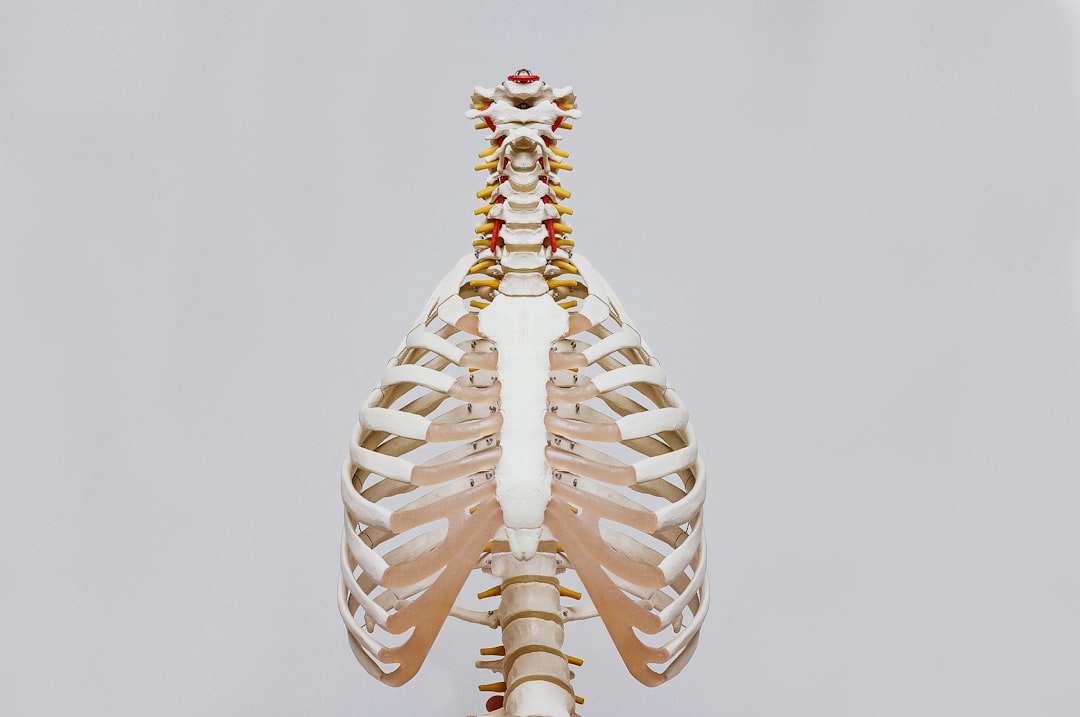
You’re standing at the precipice of a significant biological revelation, one poised to reshape your understanding of health and disease by 2026. The intricacies of the gut-bone axis, once a dimly lit corner of research, are being illuminated with increasing clarity. This isn’t about simplistic connections; it’s about a sophisticated, bidirectional communication network with profound implications for everything from skeletal integrity to systemic inflammation. As you delve into the unfolding mechanisms, you’ll discover how your gut microbiome influences bone metabolism, and conversely, how your skeletal system can impact the gut environment. This is the frontier, and by 2026, you’ll have a more robust grasp of its inner workings.
For years, the focus on bone health has largely centered on dietary calcium and vitamin D, alongside hormonal influences. While these remain crucial, the paradigm is expanding. You’re learning that the trillions of microorganisms residing in your digestive tract – your gut microbiome – are not passive observers but active participants in regulating bone density and health. This realization signals a fundamental shift in how you’ll approach bone disorders, suggesting novel therapeutic avenues targeting this microbial ecosystem.
Microbial Metabolites as Bone Regulators
You’re seeing how the metabolic byproducts of gut bacteria are emerging as key mediators. Short-chain fatty acids (SCFAs), such as butyrate, propionate, and acetate, are produced when gut microbes ferment dietary fibers. You’re discovering that these SCFAs exert significant influence on bone cells.
SCFAs and Osteoblast Differentiation
You are now understanding that SCFAs appear to promote osteoblast differentiation, the process by which bone-building cells are formed. This is crucial because a sufficient population of functional osteoblasts is essential for maintaining bone mass. This isn’t just theoretical; you’re observing evidence suggesting that increased SCFA production can contribute to greater bone mineral density in preclinical models.
SCFAs and Osteoclast Activity
Simultaneously, you’re uncovering evidence that SCFAs can modulate osteoclast activity, the cells responsible for bone resorption. While some studies suggest certain SCFAs might suppress osteoclast formation or function, others point to a more nuanced relationship, potentially influencing the balance between bone formation and resorption. The exact mechanisms are still being elucidated, but the overall aim appears to be a shift towards increased bone anabolism.
Bile Acids: A Dual Role
You’re also recognizing the complex role of bile acids, which are synthesized in the liver and function in fat digestion. Beyond their digestive roles, bile acids are now understood to act as signaling molecules, influencing both gut barrier function and bone metabolism.
Primary vs. Secondary Bile Acids
You’re learning to differentiate between primary bile acids produced by the liver and secondary bile acids produced by gut bacteria. The transformations performed by the microbiome significantly alter the signaling properties of these compounds, impacting host cell responses.
Bile Acids and Osteocyte Signaling
You’re beginning to understand how certain bile acids can interact with specific receptors on bone cells, including osteocytes, the cells embedded within the bone matrix. This interaction can trigger downstream signaling pathways that influence bone remodeling.
Gut Barrier Integrity and Systemic Inflammation
You’re witnessing how a compromised gut barrier, often referred to as “leaky gut,” can have far-reaching consequences for skeletal health. This isn’t just about digestive discomfort; it’s about systemic implications that directly impact your bones.
Lipopolysaccharide (LPS) Translocation
You’re seeing that when the gut barrier is compromised, bacterial products like lipopolysaccharide (LPS), a potent endotoxin from Gram-negative bacteria, can translocate into the bloodstream. This translocation is a major driver of systemic inflammation.
LPS and Bone Remodeling
You’re uncovering the detrimental effects of systemic LPS on bone. It is understood to promote inflammation throughout the body, which can in turn accelerate bone resorption by stimulating osteoclast activity and inhibiting osteoblast function. This creates a pro-resorptive environment, leading to bone loss.
Cytokines and Bone Health
You’re increasingly aware of the role of inflammatory cytokines, such as Tumor Necrosis Factor-alpha (TNF-α) and Interleukin-6 (IL-6), in mediating the negative effects of gut dysbiosis on bone. These cytokines, often elevated in the context of gut inflammation, directly interfere with the delicate bone remodeling balance.
Recent research has shed light on the intricate gut-bone axis mechanism, highlighting how gut health can significantly influence bone density and overall skeletal health. A related article that delves deeper into this fascinating connection can be found at Freaky Science, where the latest findings from 2026 are discussed, emphasizing the role of microbiota in bone metabolism and the potential for novel therapeutic approaches to enhance bone health through gut modulation.
The Skeletal System’s Influence on the Gut: A Counter-Current Flow
The narrative doesn’t end with the gut influencing bone. You’re now recognizing the significant, albeit less explored, impact your skeletal system has on your gut microbiome and overall digestive health. This bidirectional communication is a critical element of the gut-bone axis you’ll be understanding more deeply by 2026.
Bone Marrow and Immune Cell Trafficking
You’re learning that bone marrow isn’t just a producer of blood cells; it’s a significant hub for immune cell development and trafficking, and these immune cells play a role in gut health.
Hematopoiesis and Innate Immunity
You’re discovering how the process of hematopoiesis, the formation of blood cellular components, occurs within the bone marrow. This includes the generation of innate immune cells that can be dispatched throughout the body, including to the gut lining.
Immune Cell Trafficking to the Gut
You’re seeing evidence that factors produced within the bone marrow or signaling from bone undergoing remodeling can influence the migration of immune cells to the gut. These immune cells are essential for maintaining immune homeostasis and responding to pathogens in the intestinal tract.
Mechanical Loading and Gut Motility
You’re beginning to appreciate how physical forces exerted on your skeleton, particularly through weight-bearing exercise, can have downstream effects on your digestive system.
Osteocytes and Mechanosensation
You’re understanding how osteocytes, the mechanosensory cells within bone, respond to mechanical loading. This sensing of mechanical stress initiates signaling cascades that, while primarily known for bone remodeling, are starting to be linked to broader physiological responses.
The Vagus Nerve Connection?
You’re exploring potential neural connections, such as the vagus nerve, that might convey signals from the skeletal system to the gut. While this is an area of active investigation, the hypothesis is that mechanical cues from bone could influence gut motility and function via these neural pathways.
Hormonal Cross-Talk and Gut Endocrine Function
You’re realizing that hormones involved in bone metabolism can also influence the gut, and vice versa, creating complex feedback loops.
Parathyroid Hormone (PTH) and Gut Receptors
You’re observing research indicating that parathyroid hormone (PTH), a key regulator of calcium homeostasis and bone metabolism, may have receptors or influence cells within the gut. The precise implications are still being defined, but it suggests a more integrated hormonal signaling network.
Gut Hormones and Bone Cells
Conversely, you’re uncovering evidence that gut-derived hormones, such as glucagon-like peptide-1 (GLP-1), which are involved in regulating glucose metabolism, are also being investigated for their potential direct effects on bone cells, primarily promoting osteoblast differentiation.
Mechanisms of Dysbiosis and Bone Loss: Unraveling the Pathakays
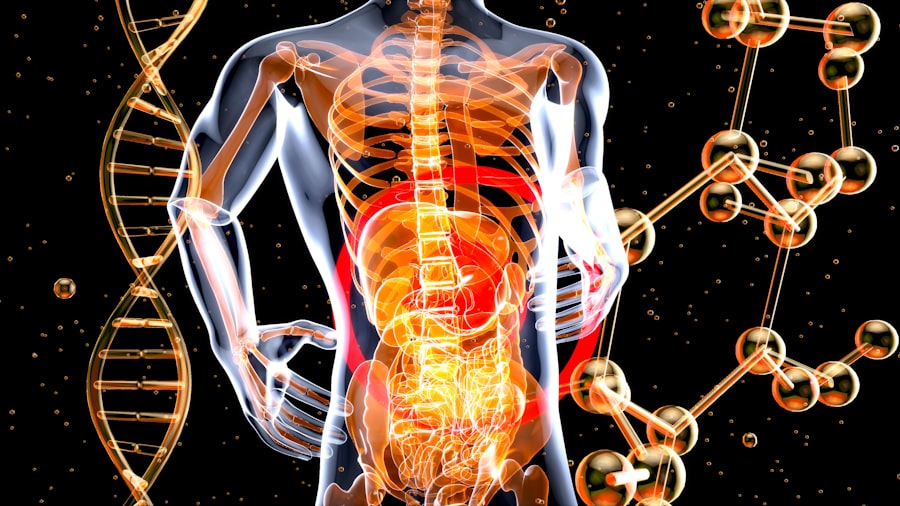
You’re now focusing on the specific pathways through which an imbalanced gut microbiome, or dysbiosis, can lead to detrimental effects on bone health. This is where you move from correlation to causation, understanding the molecular and cellular underpinnings of bone loss induced by gut issues.
Dysbiosis and Gut Barrier Dysfunction
You’re seeing how specific microbial compositions, or the loss of beneficial bacteria, can disrupt the integrity of the intestinal epithelial barrier.
Reduced SCFA Production as a Trigger
You’re learning that a decline in SCFA-producing bacteria can lead to a reduction in the SCFAs that nourish colonocytes (cells of the colon lining), weakening the gut barrier.
Increased Permeability and LPS Exposure
You’re understanding how this weakened barrier allows for increased passage of luminal contents, including LPS, from the gut lumen into the systemic circulation, initiating the inflammatory cascade.
Chronic Inflammation and Systemic Effects
You’re beginning to connect the dots between gut-derived inflammation and its impact on the entire body, with a particular focus on bone.
Macrophage Activation and Cytokine Release
You’re observing how circulating LPS activates immune cells, particularly macrophages, leading to the release of pro-inflammatory cytokines like TNF-α and IL-6.
Pro-inflammatory Cytokines and Osteoclastogenesis
You’re understanding that these cytokines directly promote the differentiation and activation of osteoclasts, leading to increased bone resorption. This imbalance favors bone breakdown over bone formation.
RANKL/RANK/OPG Pathway Disruption
You’re delving into the crucial signaling pathway that regulates osteoclast formation: RANKL (Receptor Activator of Nuclear factor Kappa-B Ligand), its receptor RANK, and the decoy receptor OPG (Osteoprotegerin). You’re discovering how chronic inflammation can dysregulate this pathway, tilting the balance towards osteoclastogenesis.
Impact on Gut Hormone Signaling and Nutrient Absorption
You’re also examining how dysbiosis can indirectly affect bone health by altering nutrient absorption and gut hormone production.
Impaired Calcium and Vitamin D Absorption
You’re acknowledging that a compromised gut can lead to less efficient absorption of essential nutrients like calcium and vitamin D, which are vital for bone health.
Altered Gut Hormone Secretion
You’re seeing how dysbiosis can disrupt the normal secretion patterns of gut hormones, which, as you’ve learned, can also influence bone metabolism. This introduces another layer of indirect impact.
Therapeutics Targeting the Gut-Bone Axis: A Glimpse into 2026
As you gain a deeper understanding of the gut-bone axis mechanisms, the potential for novel therapeutic interventions becomes increasingly clear. By 2026, you anticipate seeing a shift towards more targeted and multifaceted approaches.
Probiotics and Prebiotics: Restoring Balance
You’re recognizing the potential of manipulating the gut microbiome to improve bone health.
Specific Probiotic Strains
You’re learning that not all probiotics are created equal. Research is identifying specific strains of bacteria that may have a positive impact on bone metabolism, potentially through SCFA production or their immunomodulatory effects.
Prebiotic Intervention Strategies
You’re also exploring prebiotics – non-digestible fibers that selectively stimulate the growth and activity of beneficial bacteria in the gut. This can be achieved through dietary modifications or targeted supplementation.
Fecal Microbiota Transplantation (FMT)
You’re seeing FMT as a more radical intervention with potential for significant impact.
Restoring a Healthy Microbiome
You’re understanding that FMT involves transferring fecal matter from a healthy donor to a recipient, aiming to repopulate the recipient’s gut with a diverse and functional microbial community. While primarily used for recurrent Clostridioides difficile infections, its application for other conditions, including those linked to dysbiosis and bone health, is being investigated.
Targeted Pharmacological Interventions
You’re anticipating the development of drugs that specifically target the molecular pathways involved in the gut-bone axis.
Modulating SCFA Production
You’re looking at the potential for drugs that enhance the production or bioavailability of SCFAs, thereby promoting osteogenesis.
Inhibiting Gut-Derived Inflammation
You’re also considering interventions that can block the translocation of LPS or neutralize its inflammatory effects, thus protecting bone from chronic inflammation. Therapies targeting specific inflammatory cytokines or the RANKL/RANK/OPG pathway are also areas of active development.
Dietary Interventions Beyond Calcium and Vitamin D
You’re realizing that the future of bone health lies in a broader dietary perspective.
Fiber-Rich Diets
You’re emphasizing the importance of whole, unprocessed foods rich in dietary fibers to nourish beneficial gut bacteria and promote SCFA production.
Fermented Foods
You’re exploring the inclusion of fermented foods in the diet, which can introduce beneficial microbes and their metabolic products directly into the gut.
Recent research has shed light on the intriguing gut-bone axis mechanism, highlighting the complex interactions between gut microbiota and bone health. A related article discusses these findings in detail, emphasizing how gut health can influence bone density and overall skeletal integrity. For more insights on this topic, you can read the full article here. Understanding this connection may pave the way for new therapeutic strategies aimed at improving bone health through dietary and microbiome interventions.
Future Directions and Unanswered Questions
| Year | Research Area | Key Findings |
|---|---|---|
| 2026 | Gut-Bone Axis Mechanism | Increased understanding of the interaction between gut microbiota and bone health, potential therapeutic targets for osteoporosis |
Despite the rapid advancements, you understand that the gut-bone axis is a complex system with many frontiers yet to be fully explored. By 2026, you anticipate ongoing research will address these critical questions.
Longitudinal Studies and Human Clinical Trials
You’re recognizing the urgent need for more robust, long-term human studies to confirm the findings from preclinical models and to establish causal relationships.
Investigating Diverse Populations
You’re highlighting the importance of conducting studies across diverse age groups, genders, and ethnicities to understand how the gut-bone axis may differ and to ensure therapeutic approaches are broadly applicable.
Assessing Long-Term Efficacy and Safety
You’re emphasizing the need to rigorously evaluate the long-term efficacy and safety of any interventions targeting the gut-bone axis, particularly for chronic conditions like osteoporosis.
The Role of Gut Viruses and Fungi
You’re acknowledging that the current focus has largely been on bacteria, but you’re also looking towards the future and recognizing the underappreciated roles of the gut virome and mycobiome.
Viral Influence on Bacterial Communities
You’re exploring how bacteriophages (viruses that infect bacteria) can influence the composition and function of the gut bacterial ecosystem, thereby indirectly affecting bone health.
Fungal Contributions to Gut Health
You’re beginning to investigate the impact of gut fungi on host immunity and metabolism, and how these can intersect with bone health, although this area is less developed compared to bacterial influences.
Personalized Medicine Approaches
You’re anticipating the emergence of highly personalized strategies based on an individual’s unique gut microbiome profile.
Microbiome Profiling for Risk Assessment
You’re seeing the potential for routine gut microbiome profiling to identify individuals at higher risk of bone loss due to dysbiosis.
Tailored Interventions
You’re envisioning that this profiling will enable the development of personalized dietary, probiotic, or even pharmaceutical interventions tailored to an individual’s specific microbial imbalances and their impact on bone health.
The Interplay with Other Organ Systems
You’re understanding that the gut-bone axis doesn’t operate in isolation.
Gut-Brain-Bone Axis
You’re exploring the emerging concept of the gut-brain-bone axis, where signals from the gut influence both brain function and bone metabolism, creating a tripartite system with significant implications for overall health and well-being.
Gut-Liver-Bone Interactions
You’re also acknowledging the interconnectedness with the liver, particularly in the context of bile acid metabolism and inflammatory pathways that influence both liver and bone health.
As you stand on the cusp of 2026, the gut-bone axis represents a pivotal area of biological inquiry. Your understanding has moved beyond simple correlations to a complex appreciation of bidirectional communication. You are equipped to recognize how the health of your digestive system directly and indirectly influences the integrity of your skeleton, and how your skeletal system can, in turn, shape your gut environment. This is not a niche topic; it is a fundamental aspect of human physiology that will increasingly inform your approach to health, disease prevention, and therapeutic intervention in the years to come.
FAQs
What is the gut-bone axis mechanism?
The gut-bone axis mechanism refers to the bidirectional communication between the gut and the skeletal system. It involves the interaction of various hormones, nutrients, and gut microbiota that can influence bone metabolism and overall bone health.
How does the gut-bone axis mechanism work?
The gut-bone axis mechanism works through the release of hormones such as leptin, adiponectin, and osteocalcin from the gut and adipose tissue, which can affect bone remodeling and mineralization. Additionally, the gut microbiota can produce metabolites that influence bone health.
What are the factors that influence the gut-bone axis mechanism?
Several factors can influence the gut-bone axis mechanism, including diet, gut microbiota composition, hormonal balance, and inflammatory conditions. Vitamin D and calcium absorption in the gut also play a crucial role in bone health.
How does the gut microbiota impact the gut-bone axis mechanism?
The gut microbiota can influence the gut-bone axis mechanism by producing metabolites such as short-chain fatty acids and regulating the immune system. These metabolites and immune regulation can affect bone metabolism and inflammation, ultimately impacting bone health.
What are the potential implications of understanding the gut-bone axis mechanism?
Understanding the gut-bone axis mechanism can have implications for the development of new therapies for bone-related diseases such as osteoporosis and inflammatory bowel disease. It can also lead to the identification of dietary and lifestyle interventions to improve bone health through gut microbiota modulation and hormonal balance.