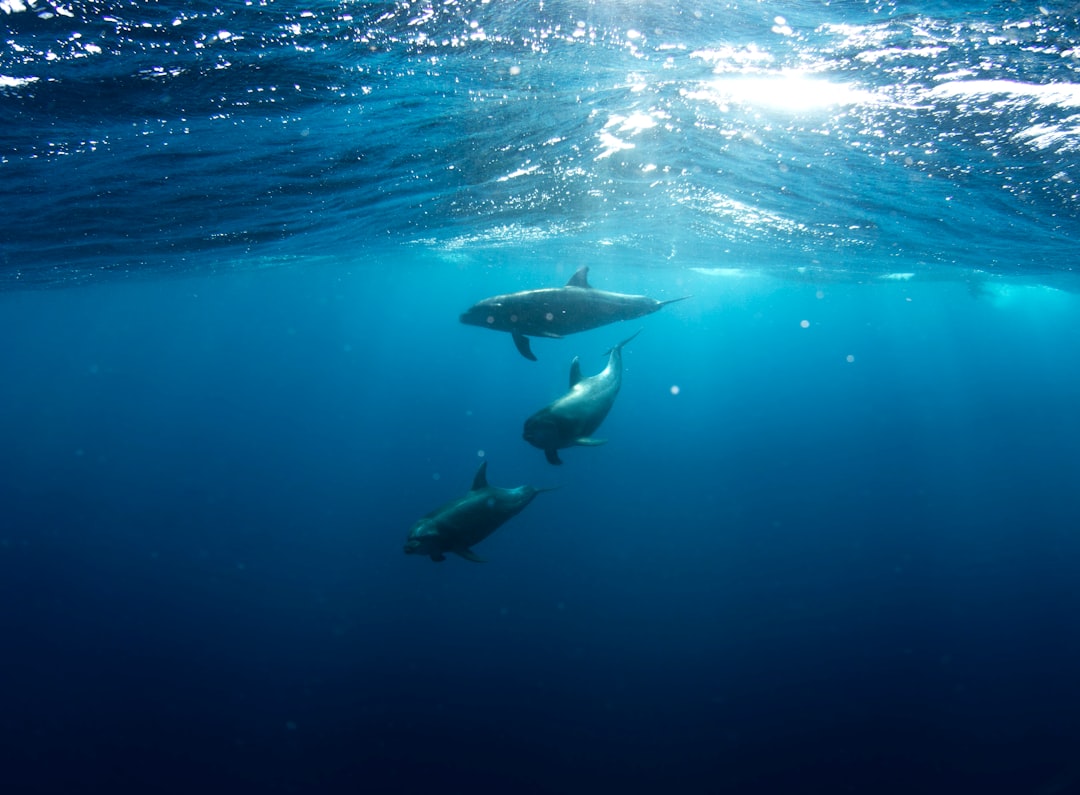
The vast, shimmering expanse of Earth’s oceans, covering over 70% of our planet’s surface, remains one of the last great frontiers of exploration. Despite centuries of seafaring and increasingly sophisticated technology, the ocean depths continue to guard their secrets, revealing wonders that challenge our understanding of life, geology, and even our planet’s own history. From the bizarre adaptations of its inhabitants to the colossal geological forces at play beneath the waves, the ocean is a treasure trove of surprising facts, waiting to be unveiled. This article delves into some of these astonishing discoveries, highlighting the mysteries that continue to captivate and inspire scientists and adventurers alike.
The deepest parts of the ocean, known as the abyss, are characterized by crushing pressures, absolute darkness, and near-freezing temperatures. Yet, life not only survives but thrives in this seemingly inhospitable environment, a testament to the incredible resilience and adaptability of organisms. Scientists have long grappled with how life can exist under such extreme conditions, and each new discovery only deepens the intrigue.
Pressure Proofed: Life Under the Weight of the World
The pressure in the Mariana Trench, the deepest known point in the Earth’s oceans, is over 1,000 times that at sea level. Imagine the weight of 50 jumbo jets pressing down on every square inch of your body. How do creatures survive this immense force? Researchers have uncovered that abyssal organisms possess unique cellular structures and biochemical mechanisms. Their cell membranes are more fluid, preventing them from collapsing under pressure. Specialized proteins, known as piezolytes, help stabilize cellular processes. The very enzymes and DNA strands in these creatures have evolved to function optimally under high pressure, a remarkable feat of biological engineering. The discovery of these adaptations has implications beyond marine biology, offering insights into how life might exist in other high-pressure environments, both on Earth and potentially on other planets.
Bioluminescence: The Ocean’s Natural Light Show
In the perpetual darkness of the abyss, light is a precious commodity. Many deep-sea creatures have evolved the ability to produce their own light through a chemical reaction called bioluminescence. This luminous display serves a multitude of purposes, from attracting prey and deterring predators to communication and camouflage.
Luring Prey with Light: A Deadly Dance
Anglerfish, perhaps the most iconic example, use a bioluminescent lure dangling from their heads to attract unsuspecting smaller fish into their powerful jaws. The light emitted can mimic the appearance of small prey, drawing curious victims closer. Other creatures use flashes of light to startle or disorient predators, buying themselves precious seconds to escape into the inky blackness.
Communication in the Dark: A Silent Language
Bioluminescence also plays a vital role in communication. Some species flash their lights in specific patterns to signal to potential mates, while others use counter-illumination to camouflage themselves against the faint light filtering down from the surface, making them virtually invisible from below. The intricate patterns and flashing sequences are akin to a silent language spoken in the depths, a form of communication we are only just beginning to decipher.
The Symphony of the Deep: Unheard Sounds of the Ocean
While light is absent in the abyss, sound travels remarkably well through water. The deep ocean is not a silent void; it is filled with a symphony of sounds, many of which are generated by marine life.
Whale Songs: More Than Just Melodies
The haunting songs of whales, particularly baleen whales like the humpback, can travel hundreds or even thousands of kilometers. While previously thought to be solely for mating calls, research suggests these complex vocalizations also serve as a form of long-distance communication, navigation, and perhaps even a way to map their vast oceanic environment. The complexity of these songs, with their evolving structures and dialects, continues to baffle acousticians and marine biologists.
The Unknown Chorus: Mysterious Clicks, Whistles, and Grunts
Beyond the familiar sounds of whales and dolphins, the deep ocean hums with a chorus of unknown origin. Scientists have recorded a variety of mysterious clicks, whistles, and grunts that defy easy categorization. Some of these sounds are believed to be produced by invertebrates, while others remain a complete enigma, fueling speculation about undiscovered species or novel forms of acoustic communication.
The ocean is a vast and mysterious realm that holds countless secrets, many of which remain unknown to us. For those intrigued by the wonders of the deep, a fascinating article titled “Things You Didn’t Know About the Ocean” can provide insights into the ocean’s unique ecosystems, bizarre creatures, and the critical role it plays in our planet’s health. To explore more about these astonishing facts, you can read the article here: Things You Didn’t Know About the Ocean.
Marine Megafauna: Giants of the Deep and Their Surprising Lives
The ocean is home to some of the largest and most awe-inspiring creatures on Earth. Their sheer size and presence have always captured human imagination, but recent scientific discoveries have revealed even more astonishing aspects of their lives, challenging our preconceived notions about these magnificent beings.
Whales: Intelligent Architects of the Ocean
Whales, often perceived as gentle giants, are proving to be far more complex and intelligent than previously understood. Their social structures, communication abilities, and ecological impact are subjects of ongoing fascination and research.
Pod Dynamics: Complex Social Structures and Cooperation
Studies of whale pods have revealed intricate social structures that rival those of primates. Humpback whale mothers teach their calves complex feeding strategies, like cooperative bubble-net feeding, where they work together to herd fish. Orcas, often dubbed “killer whales,” exhibit sophisticated hunting techniques passed down through generations, demonstrating cultural transmission of knowledge. The long-term bonds formed within these pods suggest a level of emotional depth and loyalty that is truly remarkable.
Migration Mysteries: Journeys of Thousands of Miles
The epic migrations of whales, spanning thousands of miles between feeding grounds and breeding grounds, remain a marvel of natural navigation. How do these massive animals orient themselves so accurately across vast, featureless oceans? While magnetic sense and celestial navigation are suspected, the precise mechanisms are still being investigated. Some species, like the gray whale, undertake some of the longest migrations of any mammal, a testament to their incredible stamina and innate navigational abilities.
Sharks: Misunderstood Predators with Essential Roles
Sharks, often maligned as mindless killers, are vital components of marine ecosystems. Their ecological importance and surprising behaviors are finally gaining wider recognition.
The Shark’s Sense of Smell: An Unrivaled Hunter’s Tool
The olfactory system of a shark is incredibly acute. They can detect a single drop of blood in an Olympic-sized swimming pool from a significant distance. This remarkable sense of smell allows them to locate prey and even sense changes in water chemistry, playing a crucial role in maintaining the balance of the food web.
Diverse Diets and Ecological Niches: Not All Carnivores
While many sharks are apex predators, not all are. Some shark species are filter feeders, like the colossal whale shark and basking shark, consuming vast quantities of plankton. Others feed on mollusks and crustaceans. Their diverse diets mean they occupy a wide range of ecological niches, contributing to the health and biodiversity of their respective habitats. The health of shark populations is often an indicator of the overall health of the marine environment.
Underwater Phenomenon: Forces Shaping the Ocean Floor and Above

The ocean floor is not a static landscape. It is a dynamic environment shaped by immense geological forces and punctuated by extraordinary phenomena that continue to astound scientists.
Hydrothermal Vents: Oases of Life in the Deep
Hydrothermal vents, often referred to as “black smokers” and “white smokers,” are fissures in the ocean floor where superheated, mineral-rich water erupts. These seemingly inhospitable environments were once thought to be devoid of life, but they are now known to host entire ecosystems based on chemosynthesis rather than photosynthesis.
Chemosynthesis: Life Without Sunlight
At hydrothermal vents, bacteria and archaea convert chemicals like hydrogen sulfide into energy, forming the base of a unique food web. Tube worms, mussels, and other specialized organisms thrive in these conditions, feeding on these chemosynthetic microbes. The discovery of these ecosystems revolutionized our understanding of the conditions under which life can exist, suggesting life could arise in similar environments on other planets.
Mineral Deposits: Creation of New Islands and Resources
The minerals expelled from hydrothermal vents, rich in metals like iron, copper, and zinc, accumulate over time, forming massive deposits. These deposits are of significant scientific and economic interest, and they also play a role in the geological formation of the ocean floor, contributing to the creation of new landmasses over geological timescales.
Underwater Volcanoes: The Unseen Architects of Earth’s Crust
The ocean floor is riddled with volcanoes, both active and dormant, that play a critical role in shaping our planet. Eruptions on the seafloor release immense amounts of heat and material, influencing ocean currents and chemistry.
Seamounts: Underwater Mountains and Biodiversity Hotspots
Thousands of underwater mountains, known as seamounts, dot the ocean floor. Many of these are extinct volcanoes that have risen from the depths. They act as oases of biodiversity, attracting a rich array of marine life due to their higher productivity and offering shelter and feeding grounds for a multitude of species.
Tsunami Triggers: The Power of Submarine Earthquakes
Underwater earthquakes, often caused by the movement of tectonic plates, are the primary triggers for tsunamis. The immense force and displacement of water caused by these seismic events can generate devastating waves that travel across entire ocean basins, highlighting the raw power of geological forces at play beneath the surface.
The Ocean’s Chemistry: A Delicate Balance of Elements and Life
The chemical composition of the ocean is not static. It is a complex interplay of dissolved substances that are essential for marine life and that also influence global climate.
Salinity Variations: More Than Just Saltwater
While often referred to simply as “saltwater,” the salinity of ocean water varies significantly across different regions. Factors like evaporation, precipitation, and the influx of freshwater from rivers influence these variations. These differences in salinity can affect ocean currents and the distribution of marine organisms.
Brine Pools: Underwater Lakes of Intense Salinity
In some areas, unique features known as brine pools form. These are depressions on the seafloor filled with highly concentrated saltwater, so dense that other marine life cannot survive within them. These “underwater lakes” create stark boundaries between different aquatic environments and are of significant scientific interest for understanding extremophile life.
Dissolved Oxygen: The Breath of the Ocean
The presence of dissolved oxygen (DO) is critical for the survival of most marine organisms. Surface waters are oxygen-rich due to the exchange with the atmosphere and the action of phytoplankton. However, oxygen levels decrease with depth, and in some areas, oxygen minimum zones (OMZs) exist where oxygen is scarce.
Oxygen Minimum Zones: Challenges for Deep-Sea Life
These OMZs present significant challenges for marine life, forcing adaptations or migration. The expansion of OMZs due to warming ocean temperatures and increased nutrient runoff is a growing concern for marine ecosystems globally. Understanding the dynamics of DO is crucial for assessing the health and future of marine life.
The Role of Microbes: Tiny Architects of Ocean Chemistry
Microscopic organisms, like bacteria and phytoplankton, play a monumental role in shaping the ocean’s chemistry. They are responsible for a vast array of biochemical processes, from nutrient cycling to the production of oxygen.
Phytoplankton Blooms: The Ocean’s Lungs and Food Source
Phytoplankton, the microscopic plant-like organisms in the ocean, are responsible for producing a significant portion of the Earth’s oxygen through photosynthesis. They also form the base of the marine food web, supporting the entire ocean ecosystem. Studying their blooms and distribution provides insights into ocean health and productivity.
Marine Snow: A Vital Nutrient Delivery System
Marine snow, the continuous shower of organic detritus and debris that falls from the upper layers of the ocean, is a vital nutrient delivery system for the deep sea. It is composed of dead plankton, fecal pellets, and other organic matter, providing sustenance for many deep-sea organisms that live in nutrient-poor environments.
The ocean is a vast and mysterious realm, filled with wonders that many people are unaware of. For instance, did you know that more than 80% of the ocean is unexplored and unmapped? This incredible fact highlights just how much there is still to discover beneath the waves. If you’re curious to learn more about the ocean’s secrets, you might find this article on freakyscience.com particularly enlightening, as it delves into various astonishing aspects of marine life and oceanic phenomena that are often overlooked.
Ocean Exploration: The Last Frontier and the Future of Discovery
| Fact | Detail |
|---|---|
| 1 | The ocean covers more than 70% of the Earth’s surface. |
| 2 | More than 80% of the ocean is unmapped, unobserved, and unexplored. |
| 3 | The ocean contains the largest mountains and deepest valleys in the world. |
| 4 | There are more historic artifacts under the ocean than in all of the world’s museums combined. |
| 5 | The ocean is home to the world’s largest living structure, the Great Barrier Reef. |
Despite our technological advancements, the vast majority of the ocean remains unexplored. The challenges of deep-sea exploration are immense, but the potential for discovery is equally boundless.
The Challenge of Depth: Pressure, Darkness, and Logistics
Reaching the deepest parts of the ocean requires specialized submersibles capable of withstanding immense pressures and autonomous underwater vehicles (AUVs) equipped with advanced sensors. The logistics of launching, operating, and recovering these vehicles in remote and harsh environments are incredibly complex and expensive.
Unveiling New Species: A Constant Stream of Novelties
Every deep-sea expedition has the potential to discover new species, many of which possess extraordinary adaptations. These discoveries highlight our incomplete understanding of biodiversity on Earth and offer valuable insights into evolutionary processes. The catalog of marine life is constantly being expanded by these explorations.
The Promise of Future Discoveries: Climate Solutions and Beyond
The ocean holds keys to understanding climate change, developing new medicines, and harnessing sustainable energy sources. As technology advances, our ability to explore and understand this critical ecosystem will only grow, promising a future filled with even more astonishing revelations about our blue planet. The ongoing quest to uncover ocean mysteries is not just an academic pursuit; it is vital for the health and future of life on Earth. The more we learn about the ocean, the more we appreciate its profound importance to our planet and the urgent need for its conservation.

The Secret Ocean Layer That Lets Sound Travel for Thousands of Miles
FAQs
1. What is the largest ocean on Earth?
The largest ocean on Earth is the Pacific Ocean, covering approximately 63 million square miles.
2. How deep is the deepest part of the ocean?
The deepest part of the ocean is the Mariana Trench, which reaches a depth of about 36,070 feet (10,994 meters).
3. What percentage of the Earth’s surface is covered by the ocean?
Approximately 71% of the Earth’s surface is covered by the ocean.
4. How many species are estimated to live in the ocean?
It is estimated that there are over 2 million species living in the ocean, with many more yet to be discovered.
5. What is the Great Barrier Reef and where is it located?
The Great Barrier Reef is the world’s largest coral reef system, located in the Coral Sea off the coast of Queensland, Australia. It is composed of over 2,900 individual reefs and 900 islands.