You’ve probably got one humming away in your kitchen right now, a sleek appliance that promises speed and convenience. The microwave oven. It’s a modern marvel, transforming frozen dinners into hot meals in minutes and reheating leftovers with impressive efficiency. Yet, despite its ubiquity, the microwave is shrouded in a fog of myths and misconceptions. These tales, whispered from generation to generation, often paint the microwave as a villain, a device that leeches nutrients, causes cancer, or somehow zaps your food into a state of radioactive oblivion. But is there any truth to these fears? You’re about to find out.
We’re going to embark on a journey to debunk these persistent myths, to shine a light on the science behind microwave cooking, and to empower you with accurate information. By the end of this exploration, you’ll understand how your microwave truly works, what its limitations are, and why you can use it with confidence. Get ready to shed the misinformation and embrace the true potential of your kitchen workhorse.
The fundamental reason behind most microwave myths lies in a misunderstanding of how they cook food. It’s not magic, nor is it some arcane form of radiation that’s inherently harmful. Instead, it’s a clever application of electromagnetic waves.
The Heart of the Matter: Magnetrons and Microwaves
At the core of every microwave oven is a device called a magnetron. This ingenious component is responsible for generating the very waves that cook your food. Think of it as a miniature, high-powered radio transmitter. The magnetron converts electrical energy into high-frequency electromagnetic waves, specifically in the microwave frequency range (typically around 2.45 gigahertz). These waves are then directed into the cooking cavity of the oven.
Water is Key: The Molecular Dance
What makes these microwave frequencies so effective at cooking? It all comes down to the water molecules present in virtually all foods. Water molecules are polar, meaning they have a slight positive charge on one end and a slight negative charge on the other. When these polar molecules encounter the rapidly oscillating electromagnetic field of the microwaves, they begin to vibrate, trying to align themselves with the changing field. This rapid vibration, occurring millions of times per second, generates heat through friction. It’s this internal friction, not direct radiation, that cooks your food from the inside out.
Beyond Water: Other Dielectric Heating
While water is the primary player, other molecules in food that are also polar, such as fats and sugars, can also absorb microwave energy and contribute to the heating process. This is why fatty or sugary foods can sometimes heat up even faster than lean, watery ones. This process is known as dielectric heating.
Penetration and Even Cooking
Microwaves penetrate food to a certain depth, typically about one to two centimeters. As the microwaves are absorbed and converted into heat within the food, this heat then conducts to the cooler inner parts. This is why you can achieve relatively even cooking, although it’s not always perfect. The uneven distribution of water content and density within food can lead to hot and cold spots, which is why rotating your food or stirring it during cooking is often recommended.
Many people have grown up believing various myths about microwaves, such as the idea that they destroy the nutrients in food or that they can cause cancer. However, a related article that debunks these misconceptions can be found at Freaky Science. This article provides a thorough examination of the science behind microwave cooking, clarifying how it works and addressing common fears associated with its use. By understanding the facts, we can enjoy the convenience of microwaves without the worry of these myths.
Myth 1: Microwaves Make Food Radioactive
This is perhaps one of the most persistent and fear-inducing myths surrounding microwave ovens. The idea that cooking food in a microwave imbues it with harmful radiation is simply not true.
Understanding Radiation Types
It’s crucial to differentiate between different types of radiation. The microwaves emitted by your oven are a form of non-ionizing radiation. This means they have enough energy to make molecules vibrate, but not enough to knock electrons out of atoms or molecules. This is in stark contrast to ionizing radiation, such as X-rays or gamma rays, which can damage DNA and are associated with health risks.
Microwave Ovens are Sealed Systems
Microwave ovens are designed as contained environments. The metal walls of the oven cavity, the wire mesh on the door, and the door seals are all designed to contain the microwaves within the oven. The wire mesh has openings much smaller than the wavelength of the microwaves, effectively blocking them from escaping. This ensures that the only place you’ll find significant microwave energy is inside the cooking cavity.
No Residual Radiation
Once you turn off the microwave, the magnetron stops generating waves. There is no residual radiation left behind in the oven or in the food. Think of it like turning off a light bulb; the light doesn’t linger in the room. Similarly, the microwave energy dissipates instantly when the power source is removed.
Tested and Regulated for Safety
Microwave ovens are rigorously tested and regulated by government agencies (like the FDA in the United States) to ensure they meet strict safety standards regarding microwave leakage. Reputable manufacturers adhere to these standards, and a properly functioning microwave oven will not leak dangerous levels of radiation.
What About the “Zapping” Sound?
You might hear a humming or buzzing sound when your microwave is operating. This is the sound of the magnetron working and the turntable rotating, not the sound of your food being zapped into a radioactive state.
Myth 2: Microwaves Destroy Nutrients in Food

Another common concern is that microwaving food somehow strips away its vital nutrients, rendering it less healthy than food cooked by other methods. While it’s true that some nutrient loss can occur during any form of cooking, microwaves are often unfairly blamed.
Nutrient Loss is a Universal Cooking Phenomenon
It’s important to understand that all cooking methods can lead to some degree of nutrient loss. This is particularly true for water-soluble vitamins (like Vitamin C and B vitamins) and heat-sensitive vitamins. The extent of loss depends on several factors, including cooking time, temperature, and the amount of water used.
Microwaving’s Advantage: Speed and Less Water
Here’s where microwaves often shine. Because they cook food quickly and often require less water (or no water at all) compared to boiling or steaming, they can actually preserve more nutrients.
Shorter Cooking Times Mean Less Degradation
The rapid cooking time of microwaves means that nutrients are exposed to heat for a shorter duration. This minimizes the degradation of heat-sensitive vitamins. Imagine sautéing vegetables for five minutes versus boiling them for twenty; the sautéed vegetables will likely retain more of their vitamins.
Reduced Water Usage Preserves Water-Soluble Vitamins
When you boil vegetables, many of the water-soluble vitamins leach out into the cooking water. Since microwave cooking often uses minimal or no added water, these vitamins remain in the food, leading to a more nutrient-rich final product.
Comparing Cooking Methods
Numerous studies have compared nutrient retention across different cooking methods. For many nutrients, microwaving often performs as well as, or even better than, other common methods like steaming, boiling, and even baking, especially when considering the speed and minimal water usage. For example, research has shown that microwaving broccoli can be more effective at preserving its vitamin C content than boiling it.
The Importance of Proper Technique
Of course, improper microwaving can still lead to nutrient loss. Overcooking, using excessive water, or not covering food can contribute to it. However, when used correctly, microwaving is a perfectly acceptable, and often beneficial, way to preserve the nutritional value of your food.
Myth 3: Microwaves Are Bad for Your Health and Cause Cancer
This is a broad and often emotionally charged myth. The fear that microwave ovens are inherently detrimental to your health or can cause cancer is a significant concern for many people.
No Scientific Evidence Linking Microwaves to Cancer
Despite decades of widespread microwave use, there is no credible scientific evidence to suggest that properly functioning microwave ovens cause cancer or are harmful to your health. Major health organizations and regulatory bodies worldwide, including the World Health Organization (WHO) and the American Cancer Society, have stated that microwave ovens are safe to use.
The Non-Ionizing Nature of Microwaves Revisited
As previously discussed, the microwaves emitted by ovens are non-ionizing. They don’t have the power to damage DNA, which is the primary mechanism by which ionizing radiation can contribute to cancer development.
Health Concerns Around Materials, Not Microwaves Themselves
Some concerns might stem from improper use of materials in the microwave. For instance, heating plastics that are not microwave-safe can cause them to leach chemicals into food. This is a concern about the plastic, not the microwaves themselves. Always use microwave-safe containers. Similarly, heating metal can cause arcing and sparks, but this is a safety hazard related to the appliance’s function, not a direct health threat from the microwaves.
The Role of Food Safety
The primary health risks associated with microwave cooking are typically related to food safety practices. This includes ensuring food is heated to a safe internal temperature to kill harmful bacteria, and avoiding overcooking which can degrade some food components. These are general food safety principles that apply to all cooking methods.
Understanding Electromagnetic Field Exposure
While microwave ovens are designed to contain microwaves, there’s always a very low level of electromagnetic field (EMF) exposure from any electrical appliance. However, the levels emitted by microwave ovens are well within established safety limits and are generally considered to be no higher than those from other common household appliances like refrigerators or televisions.
Many people grow up believing various myths about microwaves, such as the idea that they destroy nutrients in food or that they can cause cancer. However, a recent article sheds light on these misconceptions and provides a clearer understanding of how microwaves work. If you’re curious to learn more about the science behind these common beliefs, you can read the article on Freaky Science, which debunks these myths and explains the reality of microwave cooking.
Myth 4: You Can’t Reheat Leftovers in a Microwave
| Myth | Correct Information |
|---|---|
| Microwaves cause cancer | There is no evidence to support this claim. Microwaves use non-ionizing radiation, which is not powerful enough to cause cancer. |
| Microwaving food removes all nutrients | Microwaving can actually help retain more nutrients in food compared to other cooking methods, as it cooks food quickly and with minimal water. |
| Metal cannot be used in the microwave | While large metal objects should not be used in the microwave, small amounts of metal (such as aluminum foil) can be safely used as long as they do not touch the sides of the microwave. |
| Microwaves cook food from the inside out | Microwaves actually cook food from the outside in, as the microwaves penetrate the food and cause the water molecules to vibrate, generating heat. |
This myth suggests that microwaved leftovers are somehow inferior, taste worse, or are less safe than those reheated by other means. While personal preference plays a role, there’s no inherent reason why microwaved leftovers are problematic.
The Convenience Factor
For many, the primary appeal of reheating leftovers in a microwave is its speed and convenience. It allows you to enjoy a previously prepared meal without the long wait associated with an oven or stovetop.
Achieving Palatable Results
The key to successfully reheating leftovers in a microwave lies in technique.
Stirring and Covering
To ensure even heating and prevent drying out, stir your food partway through the reheating process. Covering your food with a microwave-safe lid or microwave-safe plastic wrap (vented to allow steam to escape) will help trap moisture and promote more even cooking.
Understanding Different Food Types
Some foods reheat better than others in a microwave. Soups, stews, pasta dishes, and casseroles generally do quite well. Drier items like roasted meats or fried foods might not achieve the same crispiness as they would in an oven, but they can still be perfectly edible and enjoyable.
Gentle Heating is Key
Avoid blasting leftovers on high power for too long. Using medium power for a slightly longer duration can often result in a more evenly heated and palatable dish.
Food Safety Considerations
As with any reheating method, it’s crucial to ensure that leftovers are heated thoroughly to kill any potential bacteria that may have grown during storage. Aim for an internal temperature of at least 74°C (165°F).
What About Texture?
The perceived decline in texture is often the biggest complaint. This is because microwaves heat from the inside out, and moisture is lost through evaporation. However, with careful reheating, you can minimize these effects. For instance, a slightly damp paper towel placed over certain foods can help retain moisture.
Myth 5: You Can’t Cook “Healthy” Food in a Microwave
This misconception paints the microwave as a tool solely for processed foods and quick, unhealthy meals. In reality, your microwave can be an excellent tool for preparing nutritious and wholesome dishes.
Beyond Frozen Dinners: A World of Microwave Cooking
The versatility of the microwave extends far beyond convenience foods. You can prepare a wide array of healthy meals and snacks using your microwave.
Steaming Vegetables
Microwaving is an exceptional method for steaming vegetables. Simply place your chopped vegetables in a microwave-safe dish with a tablespoon or two of water, cover, and cook until tender-crisp. This preserves vitamins and provides a healthy side dish in minutes.
Cooking Grains and Legumes
Many grains, like quinoa and oats, can be cooked quickly and efficiently in the microwave. Similarly, some legumes can be prepared this way, saving significant cooking time.
Baking Potatoes and Sweet Potatoes
Forget waiting hours for your oven to preheat. You can bake a potato or sweet potato to perfection in your microwave in a fraction of the time. Simply pierce the skin several times with a fork, and microwave until tender.
Making Quick and Healthy Snacks
Need a quick, healthy snack? Microwave a small portion of oatmeal, steam some edamame, or even make a mug cake with healthy ingredients.
The Nutrient-Preserving Advantage
As discussed earlier, the speed and minimal water usage of microwave cooking can actually help preserve more nutrients in your vegetables and other healthy ingredients compared to some other cooking methods. This means you’re getting more nutritional bang for your buck.
Utilizing Your Microwave for Meal Prep
Microwaving can be a valuable tool for meal prepping. You can cook batches of grains, steam vegetables, or even cook lean proteins that you can then use in various healthy meals throughout the week.
Creative Microwave Recipes
The internet is filled with creative and healthy microwave recipes for everything from individual meals to desserts. Don’t let outdated notions limit your culinary horizons.
Embracing Your Microwave with Confidence
You’ve now journeyed through some of the most common myths surrounding microwave ovens. You’ve seen how the science behind their operation is based on established principles of physics and chemistry, not on some sinister form of radiation. You’ve learned that when used properly, microwaves are safe, can preserve nutrients, and are a versatile tool for healthy cooking.
It’s time to shed the unfounded fears and embrace your microwave oven for what it is: a convenient, efficient, and safe appliance that can enhance your kitchen experience. By understanding how it works and by being mindful of proper usage, you can continue to enjoy its benefits with confidence, knowing that you’re making informed choices about your food and your health. So next time you reach for that kitchen staple, do so with knowledge and appreciation for this modern marvel.
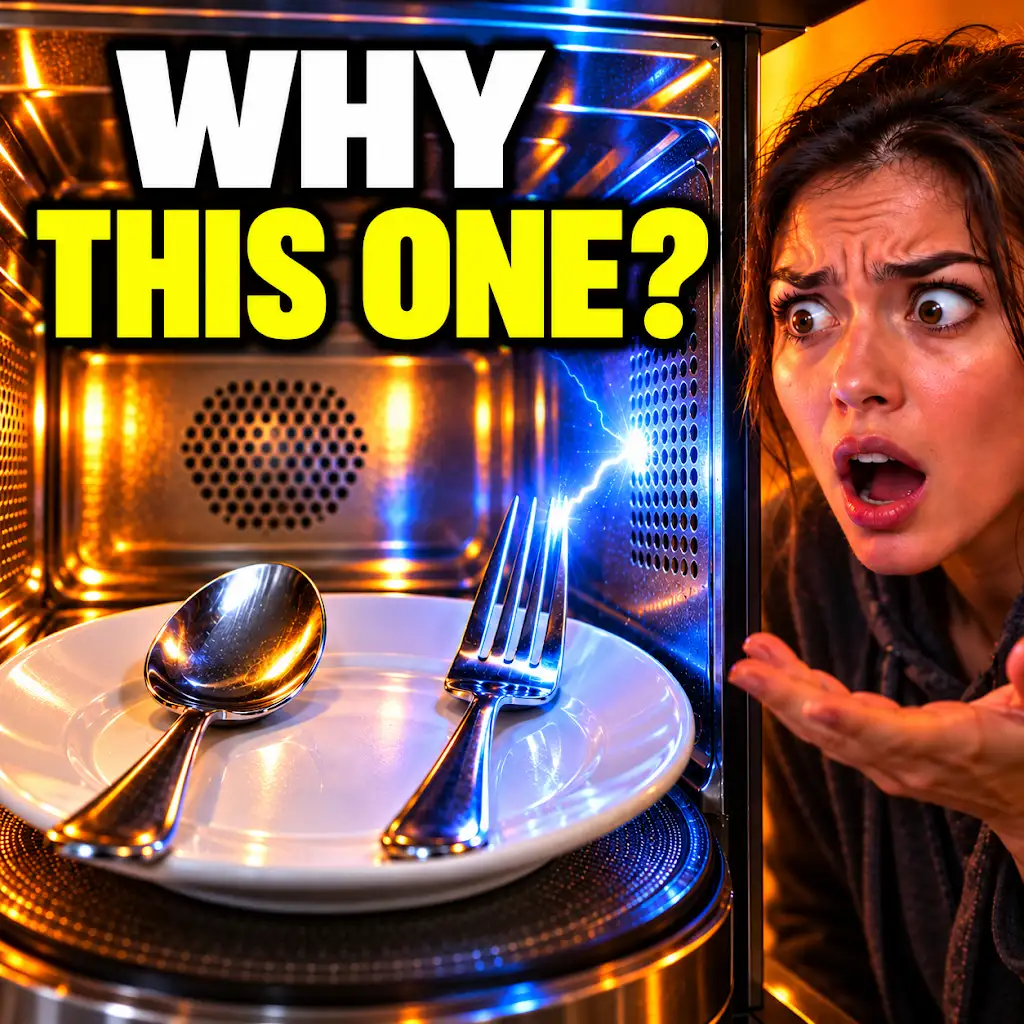
A Fork and a Spoon React Differently in a Microwave. Why?
FAQs
What are some common myths about microwaves that people are taught wrong?
Some common myths about microwaves include the idea that they cause cancer, that they destroy nutrients in food, and that they heat food unevenly.
Do microwaves cause cancer?
No, microwaves do not cause cancer. The electromagnetic radiation they emit is non-ionizing, meaning it does not have enough energy to damage DNA and cause cancer.
Do microwaves destroy nutrients in food?
Microwaves actually preserve more nutrients in food compared to other cooking methods, such as boiling or frying. The shorter cooking times and minimal use of water help to retain nutrients.
Do microwaves heat food unevenly?
Microwaves heat food evenly by causing the water molecules in the food to vibrate and generate heat. However, it’s important to stir or rotate food during the cooking process to ensure even heating.
Are microwaves safe to use?
Yes, microwaves are safe to use when used according to the manufacturer’s instructions. It’s important to use microwave-safe containers and avoid heating certain materials, such as metal, in the microwave.