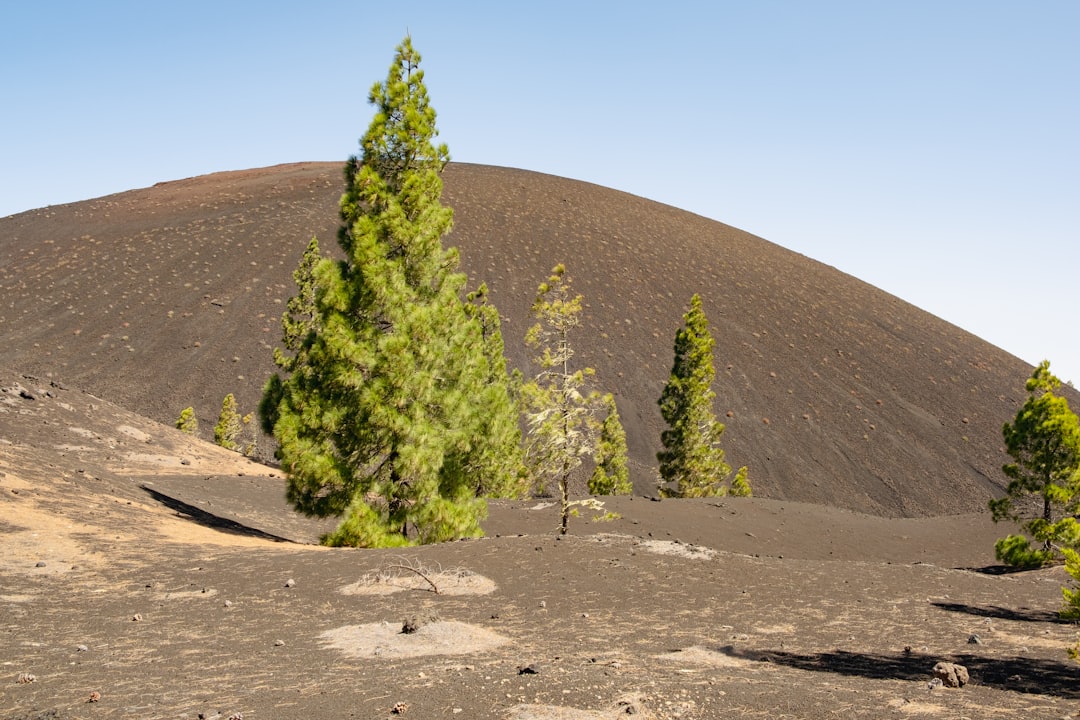
Japan, an archipelago of over 6,800 islands, is renowned for its breathtaking landscapes, rich culture, and, notably, its significant volcanic activity. The country is home to approximately 110 active volcanoes, making it one of the most volcanically active regions in the world. This geological dynamism is not merely a backdrop to Japan’s natural beauty; it plays a crucial role in shaping the environment, influencing local cultures, and even affecting the daily lives of its inhabitants.
The interplay between volcanic activity and the Japanese landscape has created a unique relationship that has persisted for centuries, intertwining nature with human existence. The volcanic activity in Japan is a result of its geographical positioning and the complex interactions of tectonic forces. The country’s history is marked by both the destructive power of eruptions and the life-giving properties of volcanic soil.
This duality has fostered a deep respect for nature among the Japanese people, who have learned to coexist with the volatile forces that shape their land. Understanding Japan’s volcanic activity requires an exploration of its geological context, the mechanisms behind eruptions, and the cultural significance that these natural phenomena hold for the nation.
Key Takeaways
- Japan’s volcanic activity is primarily driven by its location along the Pacific Ring of Fire and the movement of tectonic plates.
- Subduction zones play a critical role in generating volcanic eruptions and geothermal features like hot springs in Japan.
- Continuous monitoring and prediction efforts are essential for mitigating the impact of volcanic eruptions on Japan’s environment and population.
- Volcanic activity has significantly shaped Japan’s landscape and influenced its cultural and religious practices.
- Japan invests heavily in volcanic research and preparedness to enhance safety and resilience against future eruptions.
The Ring of Fire: Japan’s Position in the Pacific
Japan’s location along the Pacific Ring of Fire is a primary factor contributing to its high level of volcanic activity. This horseshoe-shaped zone encircles the Pacific Ocean and is characterized by a series of tectonic plate boundaries that are responsible for frequent earthquakes and volcanic eruptions. The Ring of Fire is home to about 75% of the world’s active and dormant volcanoes, making it a focal point for geological study and monitoring.
Japan’s position within this dynamic region places it at the intersection of several tectonic plates, including the Pacific Plate, the Philippine Sea Plate, and the Eurasian Plate. The consequences of being situated in such a geologically active area are profound. Earthquakes and volcanic eruptions are common occurrences, shaping not only the physical landscape but also influencing societal structures and emergency preparedness measures.
The Japanese archipelago has evolved in response to these natural forces, with communities developing resilience strategies to mitigate the impacts of volcanic activity. This unique geographical context has made Japan a living laboratory for studying volcanic phenomena and understanding their implications for human life.
The Role of Tectonic Plates in Japan’s Volcanic Activity

Tectonic plates are massive slabs of Earth’s lithosphere that fit together like a jigsaw puzzle, floating on the semi-fluid asthenosphere beneath them. In Japan, the interactions between these plates are particularly complex due to their proximity to multiple plate boundaries. The subduction of the Pacific Plate beneath the North American Plate and the Philippine Sea Plate creates immense pressure and heat, leading to the melting of mantle rocks and the formation of magma.
This process is fundamental to understanding why Japan experiences such frequent volcanic activity. As tectonic plates shift and collide, they generate stress that can lead to both earthquakes and volcanic eruptions. The movement of these plates is not uniform; it occurs in fits and starts, resulting in sudden releases of energy that manifest as eruptions or seismic events.
This constant geological activity has shaped Japan’s landscape over millions of years, creating mountain ranges, valleys, and fertile plains. The interplay between tectonic forces and volcanic activity continues to be a subject of intense research, as scientists seek to predict future eruptions and understand their potential impacts on society.
The Influence of Subduction Zones on Japan’s Volcanic Activity
| Metric | Value | Details |
|---|---|---|
| Number of Active Volcanoes in Japan | 111 | Japan has the most active volcanoes in the world, largely due to subduction zones. |
| Major Subduction Zones Affecting Japan | 3 | Pacific Plate, Philippine Sea Plate, and Eurasian Plate subduction zones. |
| Average Annual Volcanic Eruptions | 10-15 | Japan experiences frequent eruptions due to ongoing subduction activity. |
| Depth of Subducting Slab | 50-700 km | Varies along the Japan Trench and Nankai Trough subduction zones. |
| Volcanic Arc Length | ~3000 km | Stretching from northern to southern Japan, formed by subduction processes. |
| Seismic Activity Frequency | Thousands per year | High seismicity correlates with subduction and volcanic activity. |
| Volcanic Gas Emissions (SO2) | ~10,000 tons/year | Indicative of magma degassing linked to subduction zone volcanism. |
Subduction zones are critical areas where one tectonic plate moves under another, leading to significant geological activity. In Japan, the subduction of the Pacific Plate beneath the North American Plate is a primary driver of volcanic eruptions. As the oceanic plate descends into the mantle, it releases water and other volatiles that lower the melting point of surrounding rocks, resulting in magma formation.
This process not only fuels volcanic eruptions but also contributes to the creation of new landforms. The influence of subduction zones extends beyond mere volcanic activity; they also play a role in shaping Japan’s seismic landscape. The stress accumulated at these boundaries can lead to powerful earthquakes, which often precede or accompany volcanic eruptions.
Understanding these dynamics is essential for disaster preparedness in Japan, where communities must remain vigilant against both earthquakes and volcanic threats. The relationship between subduction zones and volcanic activity underscores the need for ongoing research and monitoring to mitigate risks associated with living in such a geologically active region.
The Connection Between Volcanic Activity and Hot Springs in Japan
Japan’s volcanic activity has given rise to an abundance of hot springs, known as “onsen,” which are deeply embedded in the country’s culture and daily life. These geothermal features are formed when groundwater is heated by magma or hot rocks beneath the Earth’s surface, creating natural hot baths that are both relaxing and therapeutic. The presence of onsen is a direct consequence of Japan’s active geology, providing a unique opportunity for residents and visitors alike to experience the benefits of volcanic activity firsthand.
The cultural significance of onsen extends beyond mere recreation; they are often associated with traditional Japanese customs and rituals. Many onsen resorts offer stunning views of surrounding mountains or lakes, creating serene environments for relaxation and reflection. Additionally, hot springs are believed to possess healing properties due to their mineral content, attracting those seeking relief from various ailments.
This connection between volcanic activity and hot springs highlights how nature can enrich human life while also serving as a reminder of the powerful forces at play beneath the surface.
Monitoring and Predicting Volcanic Activity in Japan

Given Japan’s vulnerability to volcanic eruptions, monitoring and predicting volcanic activity has become a critical aspect of disaster management. The Japan Meteorological Agency (JMA) plays a pivotal role in this effort by employing advanced technology to observe seismic activity, gas emissions, ground deformation, and thermal anomalies associated with volcanoes. These monitoring systems provide valuable data that can help scientists assess potential eruption risks and issue timely warnings to affected communities.
In addition to real-time monitoring, researchers engage in long-term studies to understand historical eruption patterns and behaviors of specific volcanoes. By analyzing past events, scientists can develop models that predict future activity based on current geological conditions. Public education campaigns also play an essential role in preparedness efforts, ensuring that residents are aware of evacuation routes and safety measures in case of an eruption.
This proactive approach reflects Japan’s commitment to minimizing risks associated with its dynamic geological environment.
The Impact of Volcanic Activity on Japan’s Environment and People
Volcanic activity has profound implications for both Japan’s environment and its people. On one hand, eruptions can lead to devastating consequences such as loss of life, destruction of infrastructure, and displacement of communities. Ashfall can contaminate water supplies, disrupt transportation networks, and pose health risks to residents.
The psychological impact on affected populations can be long-lasting, as communities grapple with the aftermath of natural disasters. Conversely, volcanic activity also contributes positively to Japan’s environment by enriching soils with nutrients essential for agriculture. The fertile lands surrounding volcanoes support diverse ecosystems and agricultural practices that have sustained local populations for generations.
This duality illustrates how volcanic activity can be both a source of danger and a catalyst for growth, shaping not only the physical landscape but also the cultural identity of communities across Japan.
Japan’s Volcanic History and Notable Eruptions
Japan’s history is punctuated by notable volcanic eruptions that have left indelible marks on its landscape and culture. One such event was the eruption of Mount Fuji in 1707, which blanketed nearby areas with ash and prompted widespread concern among residents. This eruption not only altered the physical environment but also influenced artistic representations of Mount Fuji in Japanese culture.
Another significant eruption occurred at Mount St. Helens in 1980; while not located in Japan, it served as a stark reminder of the potential dangers posed by volcanoes worldwide. In contrast, Japan’s own eruptions have often been met with resilience from local communities who have adapted their lifestyles around these natural phenomena.
The historical context surrounding these eruptions provides valuable insights into how societies respond to geological threats while maintaining their cultural heritage.
The Role of Volcanoes in Shaping Japan’s Landscape
Volcanoes have played an instrumental role in shaping Japan’s diverse landscapes over millennia. From towering peaks like Mount Fuji to expansive calderas such as Aso Volcano, these geological formations contribute significantly to the country’s topography. Eruptions have created new landforms while also eroding existing ones through processes like lava flow and ash deposition.
The interplay between volcanic activity and erosion has resulted in fertile plains ideal for agriculture as well as dramatic cliffs along coastlines that attract tourists from around the world. Additionally, many regions have developed unique ecosystems influenced by volcanic soils rich in minerals essential for plant growth. This intricate relationship between volcanoes and landscape underscores how natural forces can create both beauty and complexity within an environment.
Japan’s Volcanic Activity and its Influence on Culture and Religion
Volcanic activity has profoundly influenced Japanese culture and religion throughout history. Many volcanoes are considered sacred sites within Shintoism, reflecting a deep reverence for nature among practitioners. Mount Fuji stands as a prime example; it is not only an iconic symbol of Japan but also holds spiritual significance as a place for pilgrimage.
Festivals celebrating volcanic deities further illustrate how intertwined cultural practices are with geological phenomena. This connection between volcanoes and cultural identity highlights how societies adapt their beliefs around natural forces while fostering resilience against potential threats.
Japan’s Efforts in Volcanic Research and Preparedness
Japan has made significant strides in volcanic research and preparedness over recent decades due to its ongoing challenges with natural disasters. Collaborative efforts among government agencies, academic institutions, and international organizations have led to advancements in monitoring technologies that enhance predictive capabilities regarding eruptions. Public education initiatives aim to raise awareness about volcanic risks while promoting community preparedness through drills and evacuation plans tailored specifically for high-risk areas.
These proactive measures reflect an understanding that living alongside active volcanoes requires constant vigilance coupled with respect for nature’s unpredictable behavior. In conclusion, Japan’s relationship with its volcanic landscape is multifaceted—encompassing geological science, cultural heritage, environmental impact, and community resilience efforts aimed at mitigating risks associated with living within one of Earth’s most active regions. Through continued research into this dynamic interplay between humans and nature lies hope for fostering safer futures amidst ongoing geological challenges faced by this remarkable nation.
Recent studies have shed light on the deep sources of volcanic activity in Japan, revealing the complex interactions between tectonic plates and magma formation. For a more in-depth exploration of this topic, you can read the related article on volcanic phenomena at Freaky Science. This article delves into the geological processes that contribute to Japan’s frequent eruptions and the implications for understanding volcanic behavior globally.
WATCH THIS! The Earth Has a Secret Ocean 400 Miles Down (And It’s About to Break Loose)
FAQs
What causes volcanic activity in Japan?
Japan’s volcanic activity is primarily caused by its location along the Pacific “Ring of Fire,” where several tectonic plates, including the Pacific, Philippine Sea, Eurasian, and North American plates, converge. The subduction of these plates leads to magma generation and volcanic eruptions.
What is meant by “deep source” volcanic activity?
“Deep source” volcanic activity refers to magma generation originating from deep within the Earth’s mantle, often several tens to hundreds of kilometers below the surface. This deep mantle melting can influence the composition and behavior of volcanic eruptions.
How does deep source volcanic activity affect Japan’s volcanoes?
Deep source volcanic activity can contribute to the formation of magma with distinct chemical signatures and influence eruption styles. In Japan, it helps explain variations in volcanic activity and the presence of certain volcanic gases and minerals.
Are Japan’s volcanoes monitored for deep source activity?
Yes, Japan has an extensive volcanic monitoring network that includes seismic, geodetic, and geochemical observations. These tools help detect magma movement from deep sources and provide early warnings of potential eruptions.
What are some notable volcanoes in Japan with deep source activity?
Volcanoes such as Mount Fuji, Sakurajima, and Mount Aso have shown evidence of deep source magma contributions. These volcanoes are closely studied to understand the role of deep mantle processes in their activity.
Can deep source volcanic activity lead to large eruptions in Japan?
Yes, deep source magma can accumulate over time, potentially leading to large and explosive eruptions. Understanding these deep processes is crucial for assessing volcanic hazards in Japan.
How does Japan’s volcanic activity impact the environment and population?
Volcanic eruptions can cause ashfall, pyroclastic flows, and lava flows, affecting air quality, agriculture, infrastructure, and human health. Japan’s preparedness and monitoring systems aim to mitigate these risks.
Is volcanic activity in Japan increasing due to deep source processes?
There is no clear evidence that volcanic activity in Japan is increasing overall. However, ongoing research into deep source processes helps scientists better understand temporal changes in volcanic behavior.
What research methods are used to study deep source volcanic activity in Japan?
Researchers use seismic tomography, geochemical analysis of volcanic gases and rocks, satellite remote sensing, and numerical modeling to investigate deep mantle processes beneath Japanese volcanoes.
How can understanding deep source volcanic activity benefit society?
Improved knowledge of deep source volcanic activity enhances eruption forecasting, risk assessment, and disaster preparedness, ultimately helping to protect lives and property in volcanic regions like Japan.