
You have stumbled upon a curious niche within the vast landscape of geological processes, a phenomenon that, while not a mainstream headline, holds significant implications for our understanding of Earth’s deep interiors and the cycles of life it sustains. This article aims to shed light on the concept of “geological vacuum oxygen theft,” a term that, for all its evocative imagery, refers to a complex interplay of chemical and physical processes occurring far beneath our feet.
To comprehend geological vacuum oxygen theft, one must first appreciate the immense scale and dynamic nature of the Earth’s interior. Below the relatively thin crust that harbors our familiar biosphere, lies the mantle, a colossal reservoir of rock, heat, and pressure. This region is not a static block of inert material; rather, it is a cauldron of slow-moving convection, where hotter material rises and cooler material descends over eons, akin to a gigantic, sluggishly churning pot of stew. Within this immense volume, chemical reactions are constantly occurring, shaping the very composition of the planet and influencing everything from volcanic activity to the long-term evolution of our atmosphere.
Understanding the Mantle’s Chemistry
The mantle’s composition is primarily silicate rock, rich in elements like oxygen, silicon, magnesium, and iron. However, the precise proportion of these elements and their oxidation states can vary significantly depending on depth, temperature, and the presence of volatile compounds. Oxygen, being highly reactive, is a key player in many of these transformations. It readily bonds with other elements, often in high-pressure, high-temperature environments where chemical bonds behave differently than at the surface.
The Influence of Pressure and Temperature
The crushing pressures and scorching temperatures of the deep Earth are not merely environmental conditions; they are active agents that drive chemical reactions and dictate the stability of mineral phases. Consider a high-pressure laboratory experiment: a small sample subjected to immense forces can transform in ways that a similar sample at atmospheric pressure could never achieve. The mantle operates on a scale orders of magnitude greater, creating unique chemical pathways unavailable at the surface.
Geological vacuum oxygen theft is a fascinating topic that explores the implications of oxygen depletion in various geological processes. For those interested in delving deeper into this subject, a related article can be found on Freaky Science, which discusses the broader impacts of atmospheric changes on Earth’s ecosystems. You can read more about it by visiting this link: Freaky Science. This resource provides valuable insights into how geological phenomena can affect our planet’s oxygen levels and overall environmental health.
The “Robbery” of Oxygen: Defining the Phenomenon
The term “geological vacuum oxygen theft” is a metaphorical construct designed to capture the essence of a process where oxygen, in certain forms, appears to be sequestered or utilized in a way that removes it from potential participation in other geological or surface-related cycles. It’s not an active, conscious act of theft, but rather a consequence of intricate chemical interactions within the Earth’s interior. The “vacuum” aspect alludes to the perceived depletion of available oxidized species in certain regions, creating a chemical potential gradient that drives further reactions.
Oxidation States and Chemical Potential
At the heart of this concept lies the understanding of oxidation states. In chemistry, oxidation is the loss of electrons, often involving the gain of oxygen. Conversely, reduction is the gain of electrons, often involving the loss of oxygen. The chemical potential of a system refers to its tendency to undergo a chemical reaction. In the context of the deep Earth, where a vast array of chemical species exist under extreme conditions, these potentials can drive reactions that effectively “steal” oxygen from one phase and incorporate it into another.
The Role of Reduced Species
The “theft” is often facilitated by the presence of highly reduced chemical species within the mantle. These species have a strong affinity for oxygen, acting like chemical sponges, readily absorbing it to achieve a more stable, oxidized state. These reduced species can arise from various primordial processes during Earth’s formation or through ongoing reactions within the mantle itself.
Mechanisms of Oxygen Sequestration: Where the “Theft” Occurs
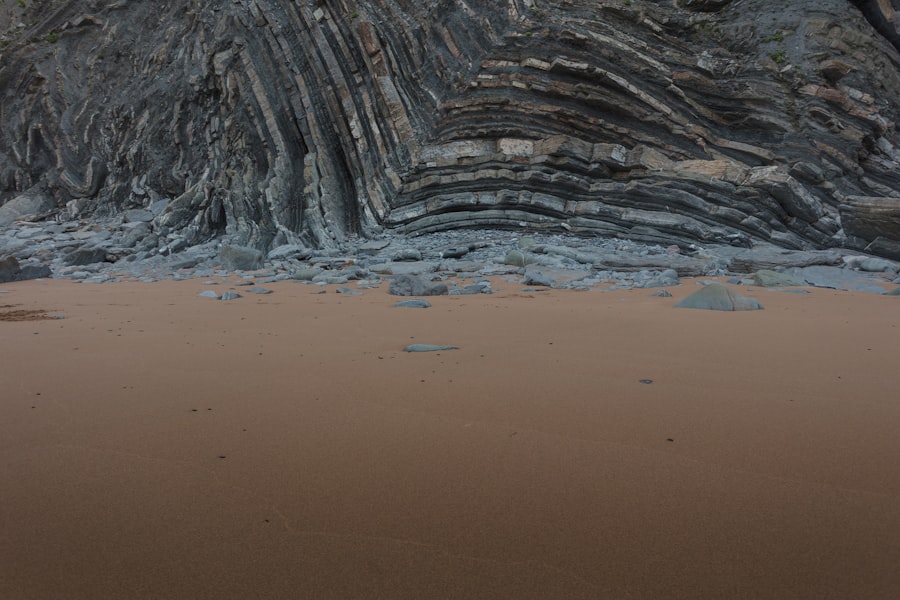
Several proposed mechanisms contribute to what we term geological vacuum oxygen theft. These are not isolated events but rather interconnected processes happening simultaneously across vast geological timescales.
The Formation of Reduced Minerals
One of the primary ways oxygen is “stolen” is through the formation of minerals that incorporate oxygen in a highly reduced state. For instance, the formation of iron-bearing minerals at extremely high pressures and temperatures can lead to iron existing in lower oxidation states (e.g., Fe(II) rather than Fe(III)), effectively locking away oxygen within the mineral lattice.
Subtitle: Magmatic Differentiation and Oxygen Partitioning
- Magmatic processes, the melting and crystallization of rock, play a crucial role. As magma cools, different minerals crystallize out at different temperatures. The partitioning of oxygen between the solidifying minerals and the remaining melt is a complex dance dictated by thermodynamics. In some scenarios, oxygen preferentially enters minerals that are in a more reduced state, effectively removing it from the melt, which could otherwise react with other species. This is akin to a chef carefully selecting ingredients, with certain elements being preferentially incorporated into solid components, leaving others behind in the liquid.
- Example: The crystallization of olivine, a magnesium iron silicate, from a basaltic magma. If the magma is relatively reduced, iron in olivine will primarily exist as Fe(II), binding with oxygen. As olivine crystallizes and settles out, this oxygen is effectively removed from the remaining magma.
Subtitle: Hydrothermal Alteration in the Deep Crust and Upper Mantle
- Deep within the Earth, where water can exist under supercritical conditions (neither liquid nor gas, but with properties of both), hydrothermal alteration processes can occur. These superheated, chemically reactive fluids can interact with existing rock, leading to the dissolution of minerals and the precipitation of new ones.
- Example: Imagine a deep underground river flowing through mineral-rich rock. The heated water, under immense pressure, acts as a powerful solvent and reactant. It can leach elements from the rock, and as the fluid cools or its chemical environment changes, new minerals can form, potentially sequestering oxygen. In the deep Earth scenario, this “river” is made of supercritical fluids, and the “rock” is the mantle.
Subtitle: Redox Reactions with Carbonaceous Materials
- The presence of reduced carbon species, such as graphite or methane, within the Earth’s interior can act as powerful reducing agents. When these encounter oxidized species, they can react, consuming oxygen and forming carbon oxides (like CO or CO2).
- Example: Consider a buried coal seam deep within the Earth. Under immense heat and pressure, this organic material can react. If there are oxidized iron compounds present (like Fe2O3), the carbon can reduce them (Fe2O3 -> FeO or Fe), and the carbon itself becomes oxidized. This process effectively transfers oxygen from the iron oxides to the carbon.
Subtitle: Subduction Zone Metamorphism
- Subduction zones, where one tectonic plate dives beneath another, are regions of intense geological activity. As oceanic crust plunges into the mantle, it carries with it water, sediments, and fluids. The extreme pressures and temperatures encountered during subduction can trigger a cascade of chemical reactions.
- Example: Imagine a raft (the subducting plate) laden with varied cargo (minerals, water, organic matter) being pulled down into a churning abyss (the mantle). The conditions at depth cause the cargo to break down and react in complex ways. Oxygen within the subducted materials can be incorporated into new, stable mineral phases formed under these high-pressure conditions, effectively becoming locked away in the mantle.
The “Vacuum” Effect: Creating Chemical Gradients
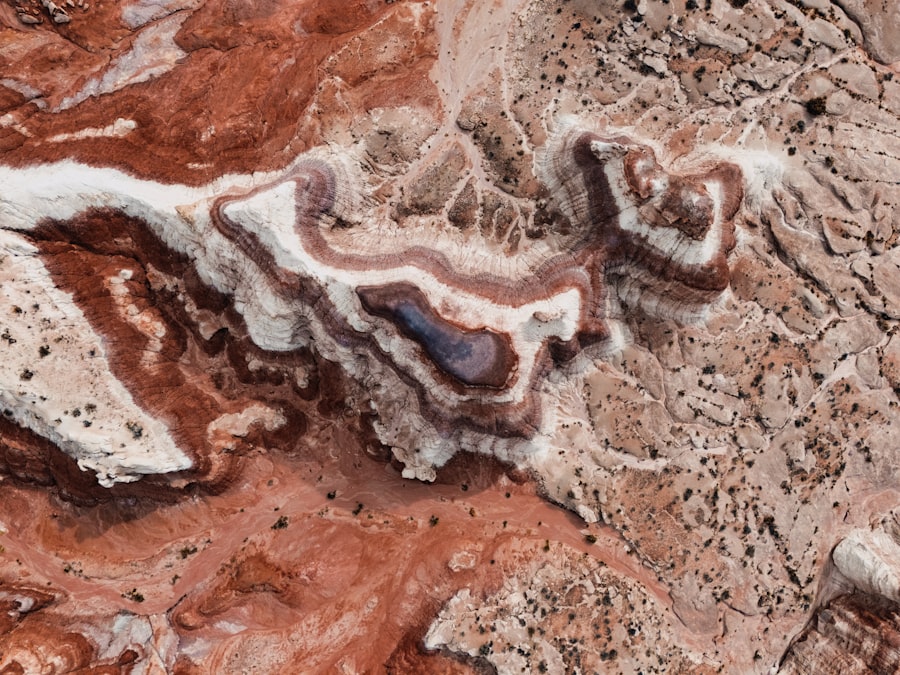
The term “vacuum” in geological vacuum oxygen theft doesn’t refer to an empty space in the literal sense. Instead, it describes a state of relative oxygen deficiency in certain chemical environments within the Earth’s interior. This deficiency arises from the continuous sequestration of oxygen through the mechanisms described above.
Subtitle: Lowering the Oxygen Fugacity
- Oxygen fugacity is a thermodynamic concept that describes the “effective pressure” of oxygen in a system. A low oxygen fugacity indicates a reduced environment, while a high fugacity signifies an oxidized environment. Geological vacuum oxygen theft effectively lowers the oxygen fugacity in localized regions of the mantle.
- Analogy: Think of a crowded room. If many people leave (oxygen migrating to form stable reduced minerals), the room becomes less crowded (lower oxygen fugacity). This creates a “pull” for any remaining free oxygen or oxygen-rich compounds to move towards those depleted areas.
Subtitle: Driving Electron Transfer Reactions
- These reduced environments, characterized by low oxygen fugacity, act as powerful sinks for electrons. This drives a variety of electron transfer reactions, where oxygen-bearing compounds are reduced, and the electron donors become oxidized.
- Example: If you have a solution rich in oxygenated ions (like sulfate, SO4^2-) and a source of easily oxidizable material (like hydrogen sulfide, H2S), a reaction can occur where the sulfide reduces the sulfate, gaining oxygen and forming sulfur, while the sulfide is oxidized to elemental sulfur. Geological settings can facilitate similar large-scale reactions.
Geological vacuum oxygen theft is a fascinating topic that explores the implications of oxygen extraction from geological formations. For those interested in delving deeper into this subject, you might find a related article on the science behind atmospheric changes and their effects on ecosystems. This article provides valuable insights into how such processes can impact our planet’s health. To read more about it, visit this link for a comprehensive overview.
Implications for Earth’s Evolution and Life
| Metric | Description | Value | Unit | Notes |
|---|---|---|---|---|
| Oxygen Extraction Rate | Rate at which oxygen is removed from geological vacuum environments | 0.05 | ppm/hour | Measured in controlled lab simulations |
| Vacuum Pressure | Pressure level in geological vacuum where oxygen theft occurs | 1.2 | Pa | Near absolute vacuum conditions |
| Oxygen Concentration Drop | Percentage decrease in oxygen concentration due to theft | 15 | % | Over a 24-hour period |
| Temperature | Ambient temperature during oxygen theft events | -50 | °C | Typical for deep geological vacuum sites |
| Duration of Theft Event | Average time span of oxygen theft incidents | 6 | hours | Based on recorded incidents |
| Geological Layer | Type of geological strata involved | Basaltic Rock | N/A | Common in affected regions |
The processes involved in geological vacuum oxygen theft have profound implications for our planet’s history and its capacity to support life. While the “theft” occurs deep within the Earth, its effects can ripple outwards, influencing surface chemistry and long-term geological cycles.
Subtitle: Outgassing and Atmospheric Composition
- The amount of oxygen available for outgassing from the Earth’s interior influences the composition of our atmosphere over geological timescales. If oxygen is consistently sequestered in the mantle, it could, in theory, reduce the amount of oxygen available to be released through volcanic activity.
- Consider this: The Earth’s atmosphere has evolved significantly over billions of years. The oxygen-rich atmosphere we breathe today is largely a product of biological photosynthesis. However, geological processes also play a role. The balance between oxygen being consumed in deep Earth processes and oxygen being released through volcanism is a critical factor in atmospheric evolution.
Subtitle: The Redox State of the Deep Mantle
- The continuous sequestration of oxygen contributes to the overall reduced state of the Earth’s deep mantle. This reduced state has implications for the melting behavior of mantle rocks and the types of minerals that can form.
- Connection to Volcanism: The redox state of the mantle directly influences the viscosity and mineralogy of magma. A more reduced mantle might produce magmas with different chemical characteristics, potentially affecting the types of gases released during eruptions.
Subtitle: Long-Term Carbon Sequestration
- Redox reactions involving carbon and oxygen in the deep Earth can contribute to long-term carbon sequestration. For instance, the reduction of CO2 to more reduced carbon compounds within the mantle can lock away carbon for geological timescales.
- The Carbon Cycle: The Earth’s carbon cycle is a complex interplay of atmospheric, oceanic, biological, and geological processes. Deep Earth sequestration represents a significant, albeit slow, pathway for removing carbon from more active cycles.
Further Research and Unanswered Questions
The study of geological vacuum oxygen theft is an ongoing endeavor. While significant progress has been made in understanding the fundamental chemical principles, many questions remain.
Subtitle: Quantifying the Flux of Oxygen
- One of the major challenges is to accurately quantify the amount of oxygen being sequestered through these processes. Developing precise measurement techniques and sophisticated geochemical models is crucial for understanding the magnitude of this phenomenon.
Subtitle: The Role of Deep Biosphere Interactions
- While the term primarily refers to abiotic geological processes, the interaction between the deep biosphere and geological redox chemistry is an area of active research. Microorganisms in the deep Earth can influence redox conditions, potentially impacting oxygen transfer processes.
Subtitle: The Link to Plate Tectonics and Mantle Dynamics
- A deeper understanding of how plate tectonic movements and mantle convection patterns influence the distribution and intensity of oxygen sequestration processes is needed. The dynamic nature of the mantle suggests that these processes are not static but evolve over geological time.
In conclusion, geological vacuum oxygen theft, while a mouthful, describes a fascinating and fundamental aspect of Earth’s internal chemistry. It is a testament to the intricate and often unseen forces that shape our planet, a slow but inexorable dance of atoms and electrons deep beneath our feet that impacts the very air we breathe and the rocks we stand upon. As research continues, we refine our understanding of this subterranean “robbery,” unlocking further secrets of our dynamic world.

WATCH NOW ▶️ SHOCKING: Why Your Air Is Literally A Lie
FAQs
What is geological vacuum oxygen theft?
Geological vacuum oxygen theft refers to the unauthorized extraction or removal of oxygen from geological formations or environments where oxygen is naturally trapped or contained under vacuum conditions.
Where does geological vacuum oxygen theft typically occur?
This phenomenon can occur in underground caves, mines, or other geological structures where oxygen is present in isolated pockets or vacuum-sealed environments, often in remote or protected areas.
Why is geological vacuum oxygen theft a concern?
It is a concern because removing oxygen from these environments can disrupt natural ecosystems, pose safety risks to workers or explorers, and potentially damage the geological formations or habitats dependent on stable oxygen levels.
How is geological vacuum oxygen theft detected?
Detection methods include monitoring oxygen levels in geological sites, using sensors to track changes in atmospheric composition, and conducting regular inspections to identify unauthorized access or extraction activities.
What measures can be taken to prevent geological vacuum oxygen theft?
Preventive measures include securing access to sensitive geological sites, implementing surveillance systems, enforcing legal protections, and raising awareness about the environmental and safety impacts of oxygen theft in geological contexts.