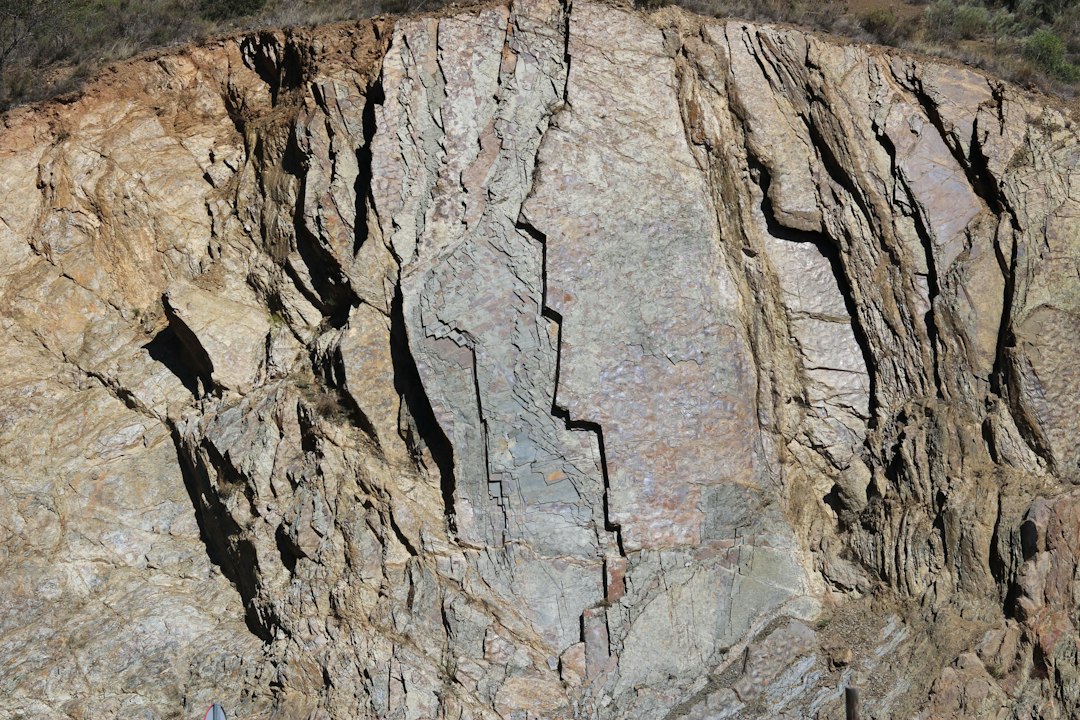
Deep drilling projects, often undertaken with a specific scientific or resource-extraction goal in mind, frequently transcend their initial objectives to unveil a cascade of geological surprises. These meticulously planned expeditions, venturing kilometers beneath the Earth’s surface, act as portals into a realm largely unseen and previously unimagined. What begins as a quest for oil, gas, or geothermal energy, or as an endeavor to understand seismic activity, can transform into a profound exploration of Earth’s deepest secrets, revealing ancient life, exotic mineral formations, and the very processes that shape our planet. The sheer depth of these penetrations allows scientists to bypass the weathered and eroded outer layers, accessing pristine rock and fluid environments that have remained undisturbed for eons. This article delves into the remarkable geological wonders unearthed through deep drilling, showcasing how these ventures are continually expanding our comprehension of Earth’s complex and dynamic interior.
The primary impetus for many deep drilling projects has historically been the pursuit of valuable natural resources. Beneath the familiar surface lie vast reservoirs of hydrocarbons – oil and natural gas – formed over millions of years from the decomposition of organic matter. Extracting these resources requires penetrating deep sedimentary basins, often reaching depths of several kilometers. Similarly, the burgeoning demand for clean and sustainable energy has spurred extensive drilling for geothermal resources, tapping into the Earth’s internal heat for power generation. These resource-driven explorations, while economically motivated, have inadvertently provided unprecedented access to geological information, acting as the foundational work for more purely scientific investigations. The infrastructure and expertise developed for these industrial efforts are often repurposed or directly utilized by researchers seeking to understand deeper geological phenomena.
Unveiling Hydrocarbon Reservoirs: More Than Just Fuel
The process of locating and extracting oil and natural gas necessitates a detailed understanding of subsurface geology. Geoscientists meticulously map out sedimentary layers, identify porous rock formations that can store hydrocarbons, and pinpoint impermeable caprocks that trap these resources. Deep drilling rigs then become the instruments to physically access these formations, bringing core samples to the surface for analysis. These core samples, representing a direct physical link to the deep subsurface, are invaluable scientific assets. They reveal not only the presence of hydrocarbons but also the intricate stratigraphy, depositional environments, and paleoclimatic conditions of ancient Earth. The detailed logging of rock types, pore structures, and fluid content during drilling provides crucial data for basin analysis and the reconstruction of geological history.
The Science of Sedimentary Basins
Sedimentary basins are vast depressions in the Earth’s crust where sediments accumulate over geological time. Deep drilling within these basins allows scientists to study the entire depositional history, from the initial formation of the basin to the most recent sediment layers.
Stratigraphic Analysis: Reading Earth’s Layers
The sequential layering of rocks, known as stratigraphy, provides a chronological record of geological events. Deep drilling allows for the examination of these layers in situ, revealing changes in sediment type, fossil content, and depositional energy. This helps in understanding ancient landscapes, sea levels, and tectonic activity.
Paleoclimate Reconstruction: Echoes of Past Climates
Sediments and the fossils they contain are a treasure trove of paleoclimatic information. By analyzing the types of rocks, the presence of certain mineral assemblages, and the remains of ancient organisms, scientists can reconstruct past temperatures, precipitation patterns, and atmospheric compositions. Deep drilling can access exceptionally well-preserved sedimentary sequences, offering a more detailed and potentially longer-term climate record than surface exposures.
Tapping into Geothermal Energy: The Earth’s Inner Warmth
Geothermal energy harnesses the heat emanating from the Earth’s interior. This involves drilling into regions where the subsurface temperature is sufficiently high to generate steam or hot water, which can then be used to drive turbines for electricity production. Deep drilling for geothermal purposes often reaches depths where temperatures can exceed 300°C, providing direct access to the Earth’s thermal gradient.
High-Temperature Zones: A Source of Power and Scientific Insight
The very high temperatures encountered in deep geothermal drilling are not only essential for energy generation but also offer unique opportunities for scientific research. Studying the mineral alterations and fluid chemistry at these extreme conditions can shed light on the processes of rock alteration and mineral precipitation in the deep crust.
Hydrothermal Systems: Active Geological Laboratories
Geothermal reservoirs are often associated with hydrothermal systems, where hot fluids circulate through fractured rock. These systems are dynamic geological environments that can host unusual mineral deposits and support unique microbial communities. Deep drilling into these systems provides direct access for sampling and monitoring these active processes.
Deep drilling projects often unveil geological surprises that challenge our understanding of the Earth’s crust. For instance, a recent article discusses how scientists discovered unexpected mineral deposits and ancient microbial life forms in deep-sea drilling sites. This research not only sheds light on the geological history of our planet but also raises questions about the potential for life in extreme environments. To learn more about these fascinating discoveries, you can read the full article at Freaky Science.
Unearthing Ancient Life: Fossils from the Depths
Perhaps one of the most profound geological surprises uncovered by deep drilling is the discovery of ancient life forms preserved in rock formations far below the surface. While surface fossils are commonplace, finding well-preserved microorganisms, spores, or even macroscopic fossil fragments in ancient sedimentary or igneous rocks offers a unique window into early life on Earth and the conditions under which it thrived. These discoveries challenge existing notions of where life can exist and the resilience of biological organisms over geological timescales.
Microbial Life in Extreme Environments: The Subsurface Biosphere
Deep drilling has revolutionized our understanding of the Earth’s biosphere by revealing extensive microbial communities living kilometers below the surface, in environments previously considered uninhabitable. These “deep subsurface” or “deep biosphere” ecosystems thrive in the absence of sunlight, relying on chemosynthesis – the conversion of chemical energy into organic matter.
Chemosynthetic Microbes: Life Beyond Photosynthesis
These deep subsurface microbes utilize chemical compounds found in the rock and pore fluids, such as hydrogen, methane, and sulfur compounds, as their energy source. Their existence demonstrates that life can flourish in diverse and extreme conditions, driven by geological processes rather than solar energy.
Implications for Astrobiology: Searching for Life Beyond Earth
The discovery of life in Earth’s deep subsurface has significant implications for astrobiology. It suggests that similar environments on other planets and moons, such as Mars or the icy moons of Jupiter and Saturn, could potentially harbor life, even if surface conditions are harsh. Drilling into these extraterrestrial bodies would be the next logical step in this search.
Fossilized Spores and Microorganisms: Clues to Ancient Ecosystems
Even in seemingly barren deep rock formations, drilling can unearth remarkably preserved fossilized spores, bacteria, and other microorganisms. These microscopic fossils provide direct evidence of past biological activity and can offer insights into the evolution of life and the composition of ancient ecosystems.
Preservation Mechanisms: The Secrets of Deep Time
The exceptional preservation of these deep subsurface fossils is often attributed to the stable, low-oxygen, and high-pressure conditions of the deep Earth. Minerals precipitating from pore fluids can encapsulate and protect organic remains, preventing their degradation over millions or even billions of years.
Dating Ancient Life: Unlocking Evolutionary Timelines
The ability to accurately date these deep fossil finds, often through radiometric dating of surrounding rock layers, allows scientists to establish more precise timelines for the evolution of various life forms. This helps in refining our understanding of major evolutionary transitions and the diversification of life on Earth.
Mineralogical Marvels: Exotic and Unexpected Formations
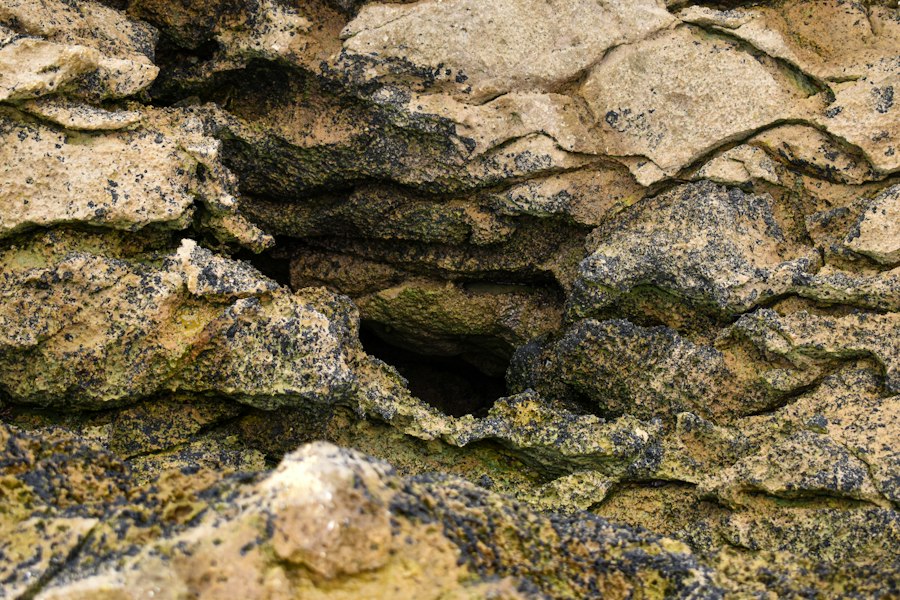
The intense pressures and temperatures found at significant depths, coupled with the unique chemical environments, can lead to the formation of mineralogical wonders that are rarely, if ever, found at the surface. Deep drilling projects have unearthed veins of precious metals, exotic silicate structures, and mineral assemblages that defy conventional understanding, pushing the boundaries of mineral physics and geochemistry.
Crystalline Structures Under Pressure: Minerals Behaving Differently
The extreme conditions of the deep Earth can cause minerals to form in crystalline structures that are stable only under immense pressure. Drilling provides samples of these high-pressure polymorphs, offering insights into the behavior of matter under conditions not replicable in standard laboratory settings.
New Mineral Discoveries: Expanding the Periodic Table
Occasionally, deep drilling can lead to the discovery of entirely new mineral species. These discoveries are the result of unique combinations of elements and crystallographic arrangements that only form under specific deep-Earth conditions, expanding our knowledge of the Earth’s mineralogical inventory.
High-Pressure Experiments: Simulating the Deep Interior
The mineral samples obtained from deep drilling provide valuable benchmarks for high-pressure experimental research. Scientists can use these natural samples to calibrate their experimental equipment and validate theoretical models of mineral behavior under extreme conditions.
Hydrothermal Veins and Ore Deposits: Riches from the Depths
Deep drilling into areas with active hydrothermal circulation can reveal spectacular veins of minerals, including gold, silver, copper, and other valuable metals. These ore deposits are formed as superheated fluids, enriched with dissolved metals, migrate through fractures in the rock and precipitate their mineral content as the fluids cool or their chemistry changes.
Fluid Inclusion Analysis: Trapped Time Capsules
Tiny pockets of ancient fluid trapped within growing mineral crystals, known as fluid inclusions, act as time capsules. Analyzing the composition of these fluids can reveal the temperature, pressure, and chemical makeup of the hydrothermal system at the time of mineral formation, providing direct evidence of the conditions that created these rich deposits.
The Genesis of Ore Deposits: Understanding Earth’s Alchemy
The study of these deep-seated ore deposits helps scientists understand the complex geological processes involved in the formation of mineral resources. This knowledge is crucial for efficient exploration and sustainable extraction of these valuable commodities.
Geothermal Gradients and Heat Flow: The Earth’s Inner Engine
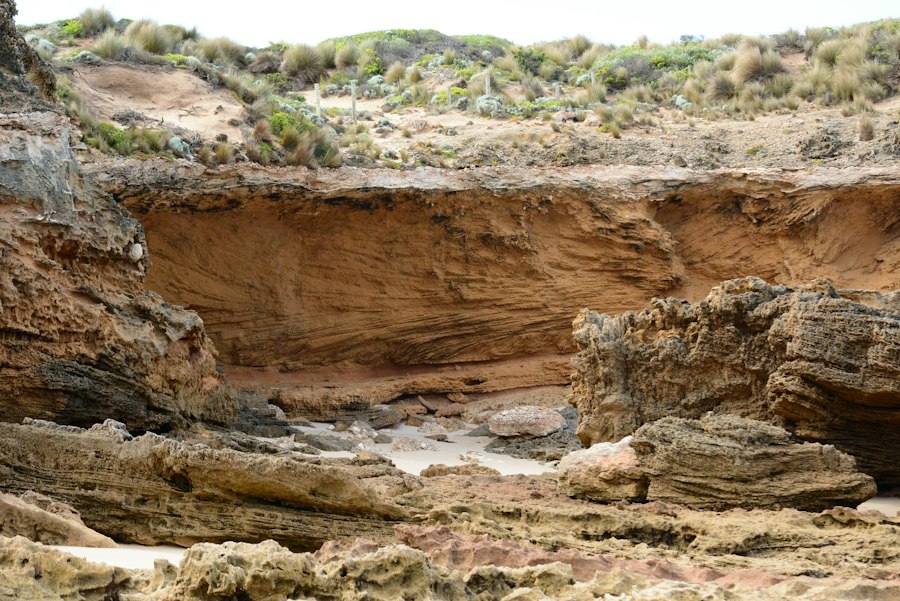
Deep drilling provides direct measurements of the geothermal gradient – the rate at which temperature increases with depth – and the Earth’s heat flow. These measurements are fundamental to understanding the planet’s thermal budget, the dynamics of its interior, and the processes driving plate tectonics and volcanism. Deviations from expected gradients can indicate the presence of magma chambers, active hydrothermal systems, or unusual geological formations.
Measuring the Earth’s Temperature: A Direct Probe of Internal Heat
The direct measurement of temperature at various depths during drilling operations provides invaluable data for constructing accurate geothermal models of the Earth’s crust and upper mantle. These measurements are critical for understanding how heat is transferred from the Earth’s core to its surface.
Thermal Conductivity of Rocks: How Heat Travels Beneath Our Feet
By analyzing the rock samples brought to the surface and measuring their thermal conductivity, scientists can better understand how efficiently heat is conducted through different geological materials. This information is vital for modeling heat flow patterns and predicting subsurface temperatures.
Geothermal Anomalies: Signposts to Subsurface Activity
Areas with unusually high or low geothermal gradients can signal the presence of significant geological features. For example, a steep gradient might indicate a shallow magma body, while a low gradient could suggest the presence of a thick layer of insulating rock or the upwelling of cold fluids.
Plate Tectonics and Mantle Dynamics: Insights from Heat Flow
The patterns of heat flow across the Earth’s surface are directly linked to the large-scale processes of plate tectonics and mantle convection. Deep drilling in diverse geological settings allows scientists to gather data that helps refine models of these fundamental Earth processes.
Mid-Ocean Ridges: Where New Crust is Born
Drilling into the oceanic crust, particularly at mid-ocean ridges where new lithosphere is generated, provides crucial data on the heat flow associated with volcanic activity and the formation of new oceanic crust.
Subduction Zones: Recycling Earth’s Crust
At subduction zones, where one tectonic plate slides beneath another, deep drilling can provide information about the heat flow and fluid circulation associated with the descending plate and the overlying mantle wedge. This helps in understanding the processes that lead to earthquakes and volcanic arcs.
Deep drilling projects often lead to unexpected geological discoveries that can reshape our understanding of the Earth’s structure and history. For instance, a recent article discusses how scientists encountered ancient microbial life in rock formations that were thought to be lifeless, revealing the resilience of life in extreme conditions. This fascinating topic is explored further in the article available at Freaky Science, which highlights the implications of these findings for both geology and astrobiology. Such surprises from deep drilling not only challenge existing theories but also open new avenues for research into the planet’s past and the potential for life beyond Earth.
Understanding Earthquakes and Seismic Activity: Probing Fault Zones
| Drilling Site | Depth Reached (km) | Unexpected Geological Finding | Significance | Year Discovered |
|---|---|---|---|---|
| Kola Superdeep Borehole | 12.3 | Presence of microscopic plankton fossils at great depth | Challenged assumptions about life limits in deep crust | 1989 |
| Chikyu Deep Drilling Project | 2.5 | Discovery of unexpected high-temperature microbial life | Expanded understanding of extremophiles and biosphere depth | 2012 |
| San Andreas Fault Observatory | 3.2 | Detection of fluid pressure anomalies within fault zone | Provided insights into earthquake mechanics and fault lubrication | 2016 |
| Deep Sea Drilling Project (DSDP) | 1.5 | Unexpected thick sediment layers with ancient climate records | Improved understanding of Earth’s climatic history | 1970 |
| ICDP KTB Borehole | 9.1 | Discovery of high-velocity seismic zones in crystalline crust | Refined models of crustal composition and seismic wave behavior | 1994 |
Deep drilling projects in seismically active regions offer unprecedented opportunities to study the mechanics of earthquakes. By drilling into or adjacent to known fault zones, scientists can deploy sensors to monitor stress accumulation, fluid pressure changes, and the physical properties of rocks under tectonic strain. This direct access to the earthquake source region is invaluable for improving earthquake prediction models and understanding the fundamental physics of fault rupture.
Fault Zone Characterization: The Anatomy of a Seismogenic Zone
Drilling into fault zones allows for the detailed characterization of their physical structure, including the type of rock, the presence of fractures and gouge, and the distribution of fluids. This information is crucial for understanding how stress is transmitted and released along faults.
Fluid Pressure and Pore Space: The Role of Water in Earthquakes
The presence and pressure of fluids within fault zones play a critical role in earthquake generation. Deep drilling can directly measure pore fluid pressures, providing vital data for assessing the likelihood of seismic events. Changes in fluid pressure can significantly alter the frictional properties of rocks, making them more or less prone to slipping.
Rock Mechanics Under Stress: Laboratory Experiments in the Field
The rock samples obtained from deep drilling in fault zones can be brought to the surface for laboratory experiments that simulate the stresses and conditions they experience underground. This allows for direct testing of rock strength, frictional behavior, and the development of fracture networks.
Monitoring Seismic Activity: Real-Time Data from the Depths
Once a borehole is established, it can be equipped with a suite of sensors, including seismometers, strainmeters, and pressure gauges. These instruments provide continuous, real-time data on the seismic activity within and around the fault zone, offering unparalleled insights into the processes leading up to and during an earthquake.
The Induced Seismicity Debate: Human Impact on Earthquakes
Deep drilling, particularly for resource extraction such as hydraulic fracturing, has also been linked to induced seismicity – earthquakes caused by human activities. Deep drilling projects, both for scientific study and for industrial purposes, are therefore crucial for understanding the complex relationship between human actions and seismic events.
Developing Early Warning Systems: Saving Lives Through Science
The data collected from deep boreholes in seismically active areas can be integrated into earthquake early warning systems. By detecting the initial seismic waves from a rupture, these systems can provide precious seconds or minutes of warning to populations in threatened areas, allowing for evacuation and mitigation efforts.
In conclusion, deep drilling projects, far from being solely utilitarian endeavors, consistently act as gateways to profound geological discoveries. They push the boundaries of our knowledge by revealing hidden life, novel mineral formations, the intricate dynamics of Earth’s heat flow, and the fundamental mechanisms of earthquakes. Each kilometer penetrated beneath the surface peels back another layer of mystery, offering invaluable insights into the planet’s past, present, and future. The continued investment in and exploration of Earth’s deep interior promises to yield even more astonishing revelations, forever shaping our understanding of the dynamic and wondrous world we inhabit.
We Drilled 12 KM Into Earth—Then the Rock Started Bending
FAQs
What are some geological surprises that can be found from deep drilling?
Some geological surprises that can be found from deep drilling include unexpected rock formations, ancient fossils, and evidence of past seismic activity.
How deep do scientists typically drill to uncover these geological surprises?
Scientists typically drill hundreds to thousands of meters deep to uncover these geological surprises. Some drilling projects have even reached depths of over 10 kilometers.
What technologies are used in deep drilling to explore the Earth’s subsurface?
Technologies such as drilling rigs, core sampling tools, seismic imaging, and logging instruments are commonly used in deep drilling to explore the Earth’s subsurface.
Why is deep drilling important for understanding Earth’s history and geology?
Deep drilling is important for understanding Earth’s history and geology because it provides valuable insights into the planet’s past climate, tectonic activity, and the formation of natural resources.
What are some challenges associated with deep drilling for geological exploration?
Some challenges associated with deep drilling for geological exploration include high costs, technical difficulties in drilling at extreme depths, and environmental concerns such as potential groundwater contamination.