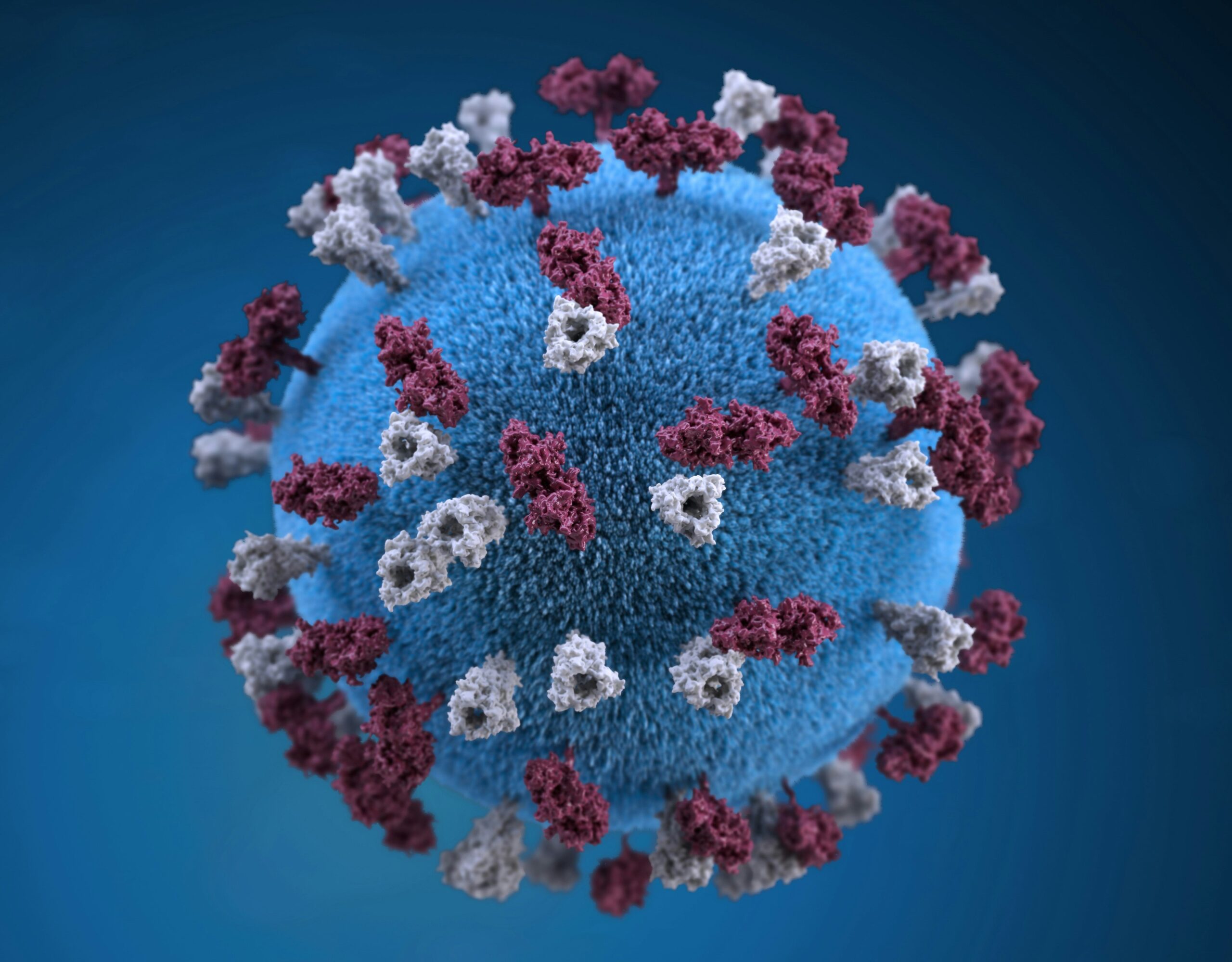
Your genetic code, the blueprint of your very being, holds secrets far older than your own existence. Within it, you carry remnants of ancient viral invasions, etched into your DNA by viruses long extinct in their active form. These silent passengers are known as endogenous retroviruses (ERVs), and their study is a journey into the deep evolutionary history of your species and others. You might not feel their presence, you won’t see them actively replicating, yet they are integral parts of your genome, shaping your biology in ways that are only beginning to be understood. Uncovering these ancient viral guests within your own cells is a fascinating scientific endeavor, revealing the complex interplay between viruses and their hosts over millions of years.
You may have encountered retroviruses in the context of modern-day pathogens like HIV. These viruses, characterized by their RNA genome and the enzyme reverse transcriptase, infect cells and, in a crucial step, convert their RNA into DNA. This viral DNA is then integrated into the host cell’s genome, becoming a permanent part of its genetic material. Endogenous retroviruses are the result of a specific kind of ancient infection: a retrovirus that managed to infect germline cells – the cells that give rise to sperm and eggs. When this happened, the viral DNA integrated into the germline was passed down to subsequent generations, becoming a heritable trait. Over vast stretches of evolutionary time, these integrated viral sequences have mutated and degraded, often losing their ability to produce infectious viral particles. However, they remain embedded within your DNA, an indelible mark of past encounters.
How ERVs Become Part of Your Genome
The critical event for ERV formation is the integration of retroviral DNA into the germline. Imagine a retrovirus entering a reproductive cell. It performs its usual life cycle: reverse transcription of its RNA into DNA, and then integration of this viral DNA into the host cell’s chromosome. If this infected cell is a germ cell that ultimately participates in fertilization, the integrated viral DNA will be present in the zygote. From that point forward, this viral sequence is replicated along with all the host’s own DNA and passed down to every cell in the developing organism, and then to offspring. This process can occur multiple times with different retroviruses, leading to a complex mosaic of ERVs within any given genome.
The Vastness of the ERV Landscape
Your genome is surprisingly populated by ERVs. Estimates suggest that a significant percentage of your DNA consists of these remnants, with some studies indicating they make up as much as 8% of the human genome. This makes them a substantial component, far more common than protein-coding genes. These sequences are not uniformly distributed; they are found on all chromosomes and can exist as single copies or in multiple locations. The sheer abundance of ERVs underscores the long and intimate history of retroviral infection in mammalian evolution. You are, quite literally, a living archive of these ancient viral migrations.
Endogenous retroviruses (ERVs) are remnants of ancient viral infections that have integrated into the human genome, playing a significant role in our evolution and immune response. For a deeper understanding of how these viral elements influence human biology and their potential implications in diseases, you can explore a related article on this topic. Check out this informative piece at Freaky Science for more insights into the fascinating world of endogenous retroviruses in humans.
Tracing Ancestry Through ERV Integration Sites
One of the most compelling aspects of studying ERVs is their potential as molecular fossils, offering insights into evolutionary relationships and the timing of genetic events. Because ERVs integrate randomly into the host genome, the specific location of an ERV insertion provides a unique fingerprint. If two species share an ERV inserted at the exact same chromosomal location, it is highly probable that they inherited that insertion from a common ancestor. This shared genomic landmark can then be used to reconstruct phylogenetic trees and infer evolutionary divergence times.
The Principle of Shared Insertion Sites
Consider two different species of primates. If you identify an ERV sequence within the genome of both species, and crucially, if that ERV is located at precisely the same position on the same chromosome in both, this is strong evidence of shared ancestry. This is because a new viral integration event is generally a rare occurrence. For the same ERV to integrate at the exact same spot in the germline of two independently diverging lineages is statistically improbable. Therefore, the most parsimonious explanation for such a shared insertion is that a single integration event occurred in a common ancestor, and this ancestor then passed down that integrated ERV to all its descendants.
Reconstructing Primate Phylogeny
This principle has been instrumental in understanding the evolutionary history of primates. By analyzing the presence or absence of specific ERV insertions across different primate species, researchers have been able to build detailed phylogenies. These ERV-based analyses often corroborate and refine classifications derived from other genetic or morphological data. For instance, the identification of ERVs shared uniquely between humans and chimpanzees, but not with less closely related primates, provides compelling genetic evidence for their close evolutionary ties. This allows you to see the ripples of past viral encounters laid out like markers on the tree of life.
Dating Ancient Events
The molecular clock concept, applied to single nucleotides in coding regions, can be used to estimate divergence times. While ERV integration itself is a discrete event, the patterns of mutation accumulated by the ERV sequence and its flanking host DNA over time can also be used to estimate the age of the integration. By comparing the ERV sequences in closely related species, and accounting for mutation rates, scientists can estimate when a particular ERV lineage first infected the germline of a common ancestor. This allows you to put temporal markers on these ancient viral invasions, providing a deeper understanding of their impact on evolution.
Functional Roles of ERVs: Beyond Silent Stowaways
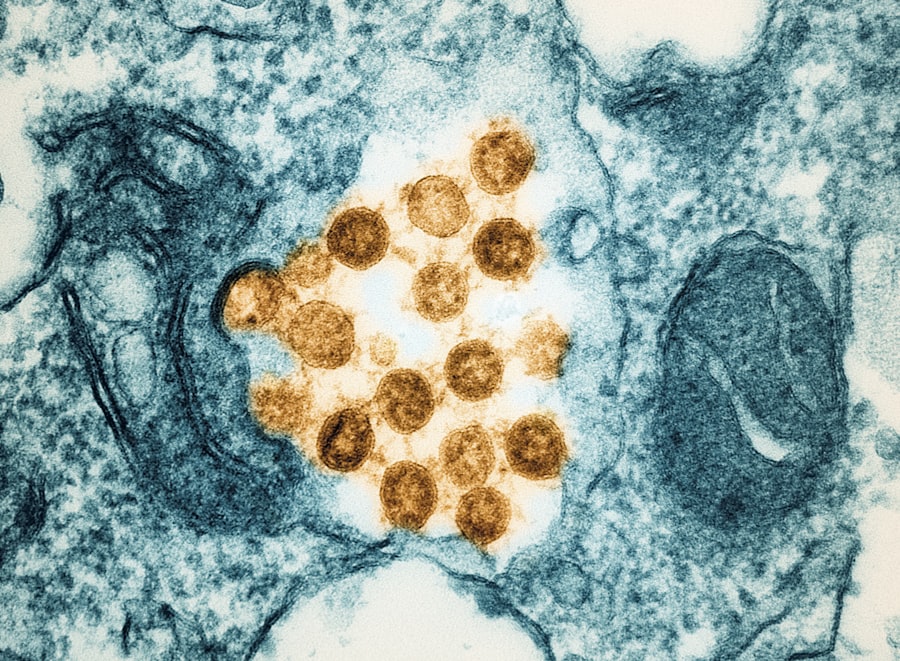
For a long time, ERVs were largely relegated to the realm of ‘junk DNA’ – sequences that were evolutionarily ancient and served no apparent biological function. However, a growing body of research has challenged this assumption, revealing that some ERVs have been co-opted by their hosts and have acquired novel, beneficial functions. This process, known as exaptation, highlights the dynamic nature of host-pathogen interactions and the capacity of genomes to repurpose genetic material. You might be surprised to learn that parts of you are literally built from viral machinery.
ERVs in Placental Development
One of the most striking examples of ERV exaptation is their role in placental development. The placenta is a complex organ essential for mammalian reproduction, facilitating nutrient and waste exchange between mother and fetus. Several ERVs have been found to be expressed in placental cells, and their protein products play crucial roles in syncytiotrophoblast formation – a key process in building the placental barrier. These viral proteins can mediate cell fusion, which is essential for creating the multinucleated syncytiotrophoblast layer. Without these ancient viral genes, mammalian reproduction as you know it might not be possible.
Syncytin: A Viral Protein Essential for Pregnancy
Specifically, certain ERV env genes, which normally encode viral envelope proteins, have been domesticated to produce proteins called syncytins. These syncytins are critical for the formation of the syncytiotrophoblast. They facilitate the fusion of individual trophoblast cells into a continuous, multinucleated layer. This fusion is vital for establishing the maternal-fetal interface and ensuring efficient nutrient transfer. The presence of different syncytin genes in various mammalian lineages reflects independent domestication events from different ERV ancestors. You can think of these as ancient viruses providing a fundamental piece of reproductive machinery.
Immune Tolerance in Pregnancy
Beyond cell fusion, ERVs expressed in the placenta may also contribute to immune tolerance. The fetus, being semi-allogeneic (carrying paternal genes), would normally be rejected by the maternal immune system. Placental ERVs can help to dampen the maternal immune response at the feto-maternal interface, creating a localized environment of immune privilege that allows the pregnancy to proceed. This is another example of how ancient viral elements are integrated into the complex dance of mammalian reproduction.
ERVs and the Immune System
The relationship between ERVs and the immune system is multifaceted. While some ERVs might have been co-opted for immune-related functions, others can also be implicated in immune dysregulation. For instance, the expression of certain ERVs has been linked to autoimmune diseases. When viral sequences are reactivated or expressed abnormally, they can trigger inflammatory responses and contribute to the breakdown of self-tolerance. This illustrates the dual nature of these genetic relics – they can be beneficial, detrimental, or neutral, depending on the context.
ERV Reactivation and Autoimmunity
The human genome contains many ERV sequences that are silenced but can be reactivated under certain conditions, such as cellular stress or viral infection. If these reactivated ERV elements produce viral proteins or RNA, they can be recognized by the immune system as foreign. This can lead to chronic inflammation and the development of autoimmune conditions. For example, some studies have explored potential links between ERV expression and diseases like multiple sclerosis and rheumatoid arthritis. You may possess the genetic predisposition to certain immune responses, partially shaped by these ancient invaders.
ERVs in Brain Function
Emerging research also suggests a role for ERVs in neural development and function. Certain ERV proteins have been detected in the brain, and some studies propose they may influence neuronal differentiation, synaptic plasticity, and even behavior. While this area of research is still in its early stages, it opens up intriguing possibilities about how these ancient viral elements might be integrated into the complex biology of the nervous system.
ERV-Mediated Synaptogenesis
Some ERVs encode proteins that are expressed in neurons and might play a role in the formation and function of synapses, the junctions between nerve cells. These viral proteins could influence the assembly of synaptic structures or modulate neurotransmitter release. This suggests that elements of viral biology may have been incorporated into the fundamental processes of neural communication.
Methodologies for Uncovering ERVs: A Scientific Toolkit
Identifying and characterizing ERVs within the vast expanse of a genome requires sophisticated bioinformatics and molecular biology techniques. Scientists have developed a range of tools and strategies to sift through the genetic data, distinguish ERV sequences from host DNA, and infer their evolutionary history and potential functions. You are essentially an archaeologist of your own genetic code, employing a specialized set of instruments.
Bioinformatic Approaches to ERV Identification
The initial discovery of ERVs often relies on computational analyses. Researchers use existing databases of known ERV sequences and compare them to newly sequenced genomes. Pattern recognition algorithms are employed to identify characteristic features of retroviral integration, such as long terminal repeats (LTRs) at the ends of the sequence and the presence of genes encoding retroviral proteins like gag, pol, and env. Hidden Markov Models (HMMs) and other machine learning approaches are also used to detect these characteristic viral gene structures.
Database Mining and Sequence Alignment
Comprehensive databases, such as Repbase and specific ERV-focused repositories, serve as crucial resources. Scientists perform extensive sequence alignments between the query genome and these databases to identify potential ERV candidates. Even degraded and fragmented ERV sequences can be detected through these alignments.
Identifying Viral Gene Signatures
The presence of conserved protein domains characteristic of retroviral genes is a key indicator. For example, identifying sequences homologous to reverse transcriptase or integrase enzymes within the host genome strongly suggests an ERV origin.
Experimental Validation and Characterization
Once potential ERVs are identified computationally, experimental methods are used to validate their existence, determine their copy numbers, and investigate their expression and potential functions. Techniques like Polymerase Chain Reaction (PCR) can be used to amplify specific ERV sequences and confirm their presence in the genome.
PCR-Based Detection and Confirmation
Targeted PCR primers can be designed to amplify unique ERV sequences or LTR regions. Successfully amplifying these specific fragments from genomic DNA provides experimental evidence for the presence of the ERV.
Southern Blotting for Copy Number Estimation
Southern blotting, a technique used to detect specific DNA sequences within a complex mixture, can be employed to estimate the number of copies of a particular ERV integrated into the genome. Different patterns of hybridization can indicate single or multiple insertions.
RNA Sequencing and Gene Expression Analysis
To determine if ERVs are actively transcribed (expressed), researchers use RNA sequencing (RNA-seq). This technique allows for the global analysis of RNA molecules present in a cell or tissue, revealing which ERV sequences are being turned into RNA. This is a crucial step in assessing their potential for functional relevance.
Evolutionary Analysis of ERV Families
Understanding the evolutionary relationships between different ERV families requires comparing their sequences across multiple species. Phylogenetic analysis, often employing specialized software, is used to reconstruct the evolutionary history of ERV lineages, identifying common ancestors and diversification events.
Phylogenetic Tree Construction
By analyzing variations in the DNA sequences of ERVs across different species, phylogenetic trees can be constructed. These trees depict the evolutionary relationships between ERV families, showing how they have diverged over time.
Dating ERV Insertions Through Molecular Clocks
As mentioned earlier, the accumulation of mutations in ERV sequences and their flanking host DNA can be used to estimate the age of their integration events, providing temporal context for their origin.
Endogenous retroviruses are fascinating remnants of ancient viral infections that have integrated into the human genome over millions of years. These viral sequences, which make up a significant portion of our DNA, can influence various biological processes, including immune responses and gene regulation. For a deeper understanding of how these retroviruses impact human health and evolution, you can explore a related article on this topic at Freaky Science. This resource provides insights into the complex relationship between endogenous retroviruses and their role in shaping our genetic landscape.
ERVs as Biomarkers and Therapeutic Targets
| Category | Description |
|---|---|
| Definition | Endogenous retroviruses (ERVs) are remnants of ancient retroviral infections that have become integrated into the human genome. |
| Origin | They are believed to have originated from exogenous retroviruses that infected germ line cells and were passed down through generations. |
| Function | Some ERVs have been co-opted by the host for various functions, while others may have detrimental effects on the host. |
| Research | Scientists are studying ERVs to understand their role in human evolution, disease, and potential therapeutic applications. |
The growing understanding of ERV biology has opened up possibilities for their use as biomarkers for disease and even as potential targets for therapeutic interventions. While still largely in the research phase, this area holds promise for future clinical applications. You might carry within your DNA the key to diagnosing or treating certain conditions.
ERVs in Cancer Diagnosis and Prognosis
Aberrant expression of certain ERVs has been observed in various types of cancer. The presence of specific ERV transcripts or proteins in tumor tissues or bodily fluids could potentially serve as diagnostic markers, indicating the presence of cancer, or as prognostic markers, helping to predict disease progression and treatment response.
Tumor-Specific ERV Expression Patterns
Some ERVs might be preferentially expressed in tumor cells compared to healthy tissues. Identifying these unique expression patterns could lead to the development of diagnostic tests that detect cancer at an early stage.
ERVs and Immune Evasion in Cancer
Cancer cells often employ strategies to evade the host immune system. Certain ERV proteins could potentially contribute to this immune evasion, either by suppressing anti-tumor immune responses or by promoting immune tolerance within the tumor microenvironment. Targeting these ERV-mediated mechanisms could enhance the effectiveness of cancer immunotherapies.
Potential Therapeutic Applications of ERVs
The very nature of ERVs – being viral elements that can be manipulated – suggests potential therapeutic avenues. Researchers are exploring ways to either leverage ERV biology for therapeutic benefit or target ERVs that contribute to disease.
ERV-Derived Vectors for Gene Therapy
The ability of retroviruses to efficiently integrate their genetic material into host cells has led to the development of retroviral vectors for gene therapy. These vectors, derived from modified ERVs or other retroviruses, can be engineered to deliver therapeutic genes to target cells. While distinct from endogenous ERVs, the underlying principles of retroviral integration inform this approach.
Targeting ERVs in Autoimmune Diseases
If ERV reactivation contributes to autoimmune diseases, strategies to suppress their expression or neutralize their products could be explored as therapeutic interventions. This might involve developing small molecules that inhibit ERV transcription or antibodies that block the activity of ERV proteins involved in pathogenesis.
ERVs and Infectious Diseases: A Complex Relationship
The relationship between ERVs and infectious diseases is complex. While ERVs are remnants of past infections, their reactivation or expression can sometimes influence susceptibility or response to current viral pathogens. Understanding these interactions could inform strategies for combating infectious diseases.
ERV-Mediated Interference with Viral Replication
In some cases, the expression of ERV proteins might inadvertently interfere with the replication of other viruses, providing a form of innate immunity. Conversely, certain ERVs might provide entry points or pathways exploited by other viruses.
ERVs in Viral Pathogenesis
The role of ERVs in the pathogenesis of existing viral infections is an area of active investigation. For instance, some studies have explored whether ERV expression might exacerbate the effects of infections like HIV or influenza.
The Future of ERV Research: Unlocking Deeper Insights
The study of endogenous retroviruses is a rapidly evolving field. As sequencing technologies become more powerful and bioinformatic tools more sophisticated, our ability to detect, annotate, and understand the functional implications of these ancient genetic elements continues to expand. The journey to fully comprehend the impact of ERVs on your biology, your health, and your evolutionary past is far from over.
Expanding ERV Discovery Across Species
While human ERVs have been extensively studied, a vast universe of ERVs exists within the genomes of countless other species. Continued exploration of ERV landscapes across the tree of life will undoubtedly reveal new insights into host-pathogen co-evolution and the diverse ways genomes have adapted to viral invasions. This comparative approach is crucial for understanding the fundamental biology of ERVs and their roles across different evolutionary lineages.
Comparative Genomics of ERV Distribution
Comparing ERV insertion patterns across a wide range of taxa is essential for tracing the origins of specific ERV families and understanding their horizontal transfer and fixation in different lineages. This will solidify your understanding of the shared genetic heritage that viruses have helped to shape.
Investigating Novel ERV Classes
The ongoing discovery of new and previously uncharacterized ERV families suggests that our current knowledge is likely incomplete. Future research will focus on identifying these novel ERV classes and understanding their unique features and evolutionary trajectories.
Functional Genomics and Mechanistic Studies
The focus is shifting from mere identification to understanding the precise mechanisms by which ERVs exert their effects. This involves detailed functional genomics studies to elucidate how ERV sequences are regulated, how their encoded proteins interact with cellular machinery, and what specific cellular pathways they influence.
Deep Proteomic and Transcriptomic Analysis
Advanced proteomic and transcriptomic techniques are vital for identifying which ERV proteins are produced and at what levels in different cell types and under various conditions. This provides a more direct link between ERV sequences and their functional consequences.
CRISPR-Based Functional Screening
The development of genome editing technologies like CRISPR-Cas9 allows researchers to precisely manipulate ERV sequences and their regulatory elements. This enables functional screening to identify the specific roles of individual ERVs and their components.
Integration with Health and Disease Research
The ultimate goal is to translate ERV research into tangible benefits for human health. This involves deepening the understanding of ERVs’ roles in disease pathogenesis and exploring their potential as targets for novel diagnostic and therapeutic strategies. Your own genetic makeup may hold keys to future medical breakthroughs.
Clinical Validation of ERV Biomarkers
Rigorous clinical studies are needed to validate the utility of ERV-based biomarkers for cancer, autoimmune diseases, and other conditions. This will involve large-scale patient cohort studies to confirm the predictive power of these markers.
Development of Novel ERV-Targeted Therapies
Translating the insights into ERV-mediated disease mechanisms into effective therapies will require innovative drug discovery and development. This could include designing antiviral agents that specifically target ERVs or developing immunotherapies that harness or modulate ERV activity.
FAQs
What are endogenous retroviruses (ERVs) in humans?
Endogenous retroviruses (ERVs) are remnants of ancient retroviral infections that have become integrated into the human genome. They make up a significant portion of our DNA, comprising about 8% of the human genome.
How do endogenous retroviruses (ERVs) affect humans?
ERVs are generally considered to be harmless, as they are usually inactive and do not cause disease. However, in some cases, they have been linked to certain diseases such as cancer and autoimmune disorders.
What is the role of endogenous retroviruses (ERVs) in human evolution?
ERVs have played a role in human evolution by contributing genetic diversity and potentially influencing gene regulation. Some ERVs have been co-opted by the human genome to perform important functions, such as placental development.
Can endogenous retroviruses (ERVs) be passed from parent to offspring?
Yes, ERVs can be inherited from parent to offspring as they are integrated into the germ line cells. This means that they are passed down through generations and are present in all cells of an individual.
Are there any potential medical applications of endogenous retroviruses (ERVs) in humans?
Research is ongoing to explore the potential medical applications of ERVs, such as using them as markers for certain diseases or harnessing their properties for gene therapy. However, more research is needed to fully understand their potential in medical applications.