
You stand at the threshold of discovery, peering into the fossilized remains of ancient vertebrates. The bones, silent monuments to lives long past, hold secrets that extend beyond mere skeletal structure. For centuries, paleontologists have meticulously pieced together the macroscopic stories of these creatures: their locomotion, their diets, their evolutionary relationships. Yet, a microscopic narrative has largely eluded your grasp, a story etched into the very fabric of their ossified tissues. You are about to embark on an investigation into ancient microbial symbiosis, a partnership that thrived within, upon, and around these ancient skeletons.
You’ve always understood bone as a relatively inert, mineralized tissue. However, as you delve deeper, you begin to appreciate its dynamic nature, both in life and in death. Even post-mortem, as the organism succumbs to the forces of decomposition and fossilization, the structural integrity of the bone offers a potential microhabitat. You’re interested in what might have persisted, what might have left its indelible mark on the fossilized matrix.
Microscopic Excavations: Techniques for Revealing Ancient Microbes
Your primary challenge is to detect and characterize microbes that existed millions of years ago. Traditional paleontological methods, focused on macroscopic features, are insufficient. You require techniques that can resolve structures at the micro- and nanoscale.
Geochemical Proxies: Unlocking Metabolic Clues
You’ll be looking for isotopic signatures. The ratios of stable isotopes, such as carbon, nitrogen, and sulfur, can serve as powerful indicators of metabolic processes. Microbes, with their specific biochemical pathways, will leave distinct isotopic fingerprints. For example, variations in carbon isotopes might suggest the presence of methanogens or sulfate-reducing bacteria. You’ll be comparing the isotopic composition of seemingly organic-rich inclusions within the fossil bone to known isotopic signatures of various microbial groups.
Microscopy: Visualizing the Unseen
Electron microscopy, both scanning electron microscopy (SEM) and transmission electron microscopy (TEM), will be crucial. SEM allows you to visualize the surface morphology of fossil bone at high resolution, revealing potential microborings, biofilm remnants, and mineralized microbial structures. TEM, with its even higher resolution, can penetrate the fossil matrix, allowing you to examine internal cellular structures and the fine details of fossilized microbial remains. You’ll be searching for recognizable cellular shapes, even if encased in mineral.
Molecular Paleontology: The Ghostly Echoes of DNA
This is perhaps the most cutting-edge and challenging avenue. While DNA is notoriously fragile, under specific preservation conditions, fragments of ancient genetic material might persist. Techniques like polymerase chain reaction (PCR) and next-generation sequencing, adapted for ancient DNA analysis, could potentially identify specific microbial lineages present in the fossil. You will be looking for amplifiable DNA sequences that correspond to known microbial genes, a process fraught with contamination risks and requiring rigorous controls.
Fossilization: A Double-Edged Sword for Microbial Preservation
The very process that fossilizes bone also dictates the preservation of potential microbial evidence. Per mineralization, the replacement of organic material with minerals, is key. This process, while preserving the overall shape of the bone, can either encapsulate and protect delicate microbial structures or completely obliterate them.
Microbial Activity During Fossilization
You must consider that microbial activity didn’t cease with the death of the vertebrate. In fact, the decomposition process itself is heavily mediated by microorganisms. Some of these decomposers might have been preserved alongside the bone. Furthermore, the mineralizing fluids permeating the bone could have carried dissolved organic matter, providing a food source for extant microbes that might later have been encased in the forming fossil. You are essentially distinguishing between the microbes of the ancient animal’s life and those that colonized it during or after its death, as well as those actively involved in the fossilization process.
The Role of Mineral Coatings
The types of minerals that precipitate within and around the bone will significantly influence preservation. Carbonates, silica, and even iron oxides can form coatings around microbial cells, protecting them from degradation. You’ll be analyzing the mineralogy of the fossil to understand how it might have facilitated or hindered microbial preservation.
Recent research has shed light on the fascinating role of ancient microbial symbiosis in the development of vertebrate skeletons, highlighting how these microorganisms may have contributed to the evolution of complex skeletal structures. For a deeper understanding of this topic, you can explore the article available at Freaky Science, which delves into the intricate relationships between microbes and their vertebrate hosts throughout evolutionary history.
Evidence of Symbiotic Partnerships: More Than Just Colonizers
You’re not just looking for any microbes; you’re specifically seeking evidence of symbiotic relationships. This implies a degree of co-evolution or sustained interaction between the vertebrate and the microbial community, beneficial to one or both partners.
Endosymbionts: The Microbes Within
The possibility of endosymbionts – microbes living within the tissues of the host – is particularly intriguing. In modern vertebrates, endosymbionts play crucial roles in digestion, nutrient synthesis, and even immune modulation. You’ll be searching for evidence of these internal inhabitants.
Fossil Bone Interior: A Micro-Habitat
The Haversian canals and lacunae within fossil bone are microscopic spaces that, in life, house osteocytes, the living cells of bone. These spaces, after the death of the osteocytes, could have become ideal micro-habitats for endosymbiotic microorganisms. You’ll be using high-resolution imaging techniques to examine these internal structures for fossilized microbial forms or mineralized traces of their metabolic activity.
Gut Endosymbionts: Legacy in Fossilized Faeces
While not directly within the bone, the fossilized digestive tracts or coprolites (fossilized faeces) of vertebrates can be invaluable in understanding gut endosymbiosis. You’ll analyze the chemical composition and microbial microfossils within these samples for evidence of specialized microbial communities that aided in digestion. For instance, finding distinct microbial consortia in coprolites from herbivorous dinosaurs could indicate the presence of cellulolytic bacteria, essential for breaking down plant matter.
Ectosymbionts: The Surface Dwellers
Beyond the internal environment, you will investigate ectosymbionts – microbes living on the external surfaces of the bone. These could include epibionts that formed biofilms or specialized organisms that burrowed into the bone surface.
Biofilm Formations: Microbial Communities on the Surface
You’ll be looking for layered structures and EPS (extracellular polymeric substances) – the gummy matrix secreted by bacteria to form biofilms. SEM can reveal the complex architecture of ancient biofilms, and geochemical analysis might identify the metabolic byproducts of these surface-dwelling communities. These biofilms might represent organisms that degraded the bone surface, released nutrients, or even provided a protective layer for the bone itself.
Microborings and Trace Fossils
You’ll be searching for microborings, small tunnels or cavities etched into the fossil bone surface by microbial organisms. These trace fossils are direct evidence of microbial activity and can provide clues about the types of microbes involved and their feeding strategies. Analyzing the morphology of these borings, and their relationship to the bone’s microstructure, can reveal if they were predatory, detritivorous, or chemoautotrophic in nature. You might also find mineralized tubes or filaments left behind by these boring organisms.
Decoding the Microbial Footprint: Interpreting the Evidence
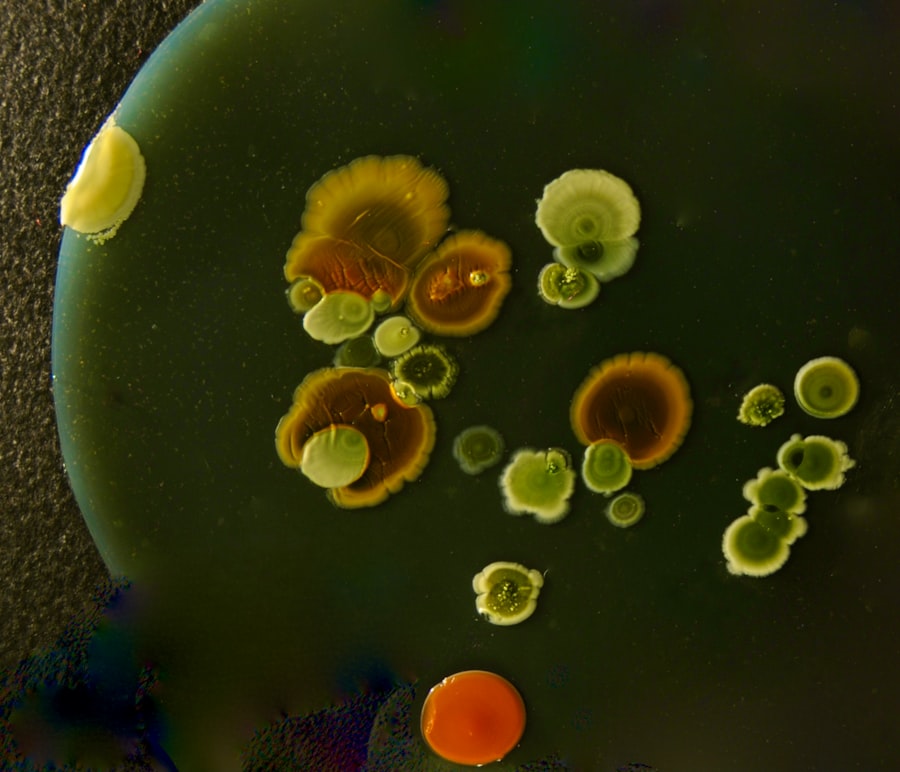
The challenge extends beyond simply finding fossilized microbes. You must rigorously interpret the evidence to distinguish true symbiotic relationships from opportunistic colonization or mere decomposition.
Differentiating Symbiosis from Decomposition
This is where careful analysis and the integration of multiple lines of evidence become paramount. You must consider the context of the fossil.
Stratigraphic Context and Fossil Assemblages
The geological layer in which the fossil is found, and the other organisms present in that assemblage, can offer clues. If the bone is found in an environment suggestive of nutrient limitation, then evidence of specific nutrient-recycling microbes might be interpreted as a beneficial symbiosis. Conversely, a bone found in a highly oxygenated, rapidly decomposing environment might be heavily colonized by opportunistic decomposers, making it harder to discern ancient symbiotic relationships.
Morphological Consistency and Repetition
Recurring patterns in microbial morphology, trace fossils, or geochemical signatures across multiple specimens of the same or related species can strengthen the argument for a true symbiotic relationship. If a specific type of microboring or isotopic anomaly is consistently found in association with a particular vertebrate group, it suggests a more integrated biological interaction rather than random colonization.
The Role of Geochemistry in Identifying Metabolic Interactions
As mentioned, geochemistry is a powerful tool for inferring metabolic interactions. You’ll be looking for anomalies that cannot be easily explained by abiotic processes or simple decay.
Isotopic Fractionation Patterns
Specific microbial metabolisms lead to predictable isotopic fractionation. For example, the reduction of sulfates by sulfate-reducing bacteria can lead to significant enrichment of ¹³C in carbonate minerals and depletion of ¹³C in sulfide minerals. You’ll be analyzing such patterns within the fossil bone and surrounding matrix to infer the presence of specific microbial metabolic pathways that were active during the vertebrate’s life or the early stages of fossilization.
Element Distribution and Concentration
You will analyze the distribution of certain elements within the fossil. For instance, an unusual concentration of elements like iron or manganese in association with potential microbial structures could indicate the presence of chemotrophic bacteria that utilize these elements in their metabolism. You’ll use micro-X-ray fluorescence (µXRF) or similar techniques to map elemental distribution at a fine scale.
Reconstructing Ancient Ecosystems and Microbiomes

The discovery of ancient microbial symbiosis in vertebrate skeletons allows you to push the boundaries of your understanding of ancient ecosystems. You are no longer just reconstructing the “big picture” but also the intricate microscopic world that underpinned it.
The Vertebrate Microbiome: A Million-Year Perspective
You are moving beyond the concept of the modern microbiome to glimpsing its ancient origins. This opens up avenues for understanding the long-term evolutionary trajectory of host-microbe interactions.
Evolutionary Drivers of Symbiosis
By studying ancient examples, you can begin to infer the selective pressures that might have favored the development of specific symbiotic relationships. Was it the need for enhanced nutrient acquisition in a changing diet? Was it the development of resistance to novel pathogens? The fossil record can provide tangible evidence for these hypotheses.
Co-evolutionary Arms Races
You can also look for evidence of co-evolutionary arms races. Did vertebrates develop bone defenses against invasive microbes, or vice versa? The presence of specific microborings and the bone’s responses – such as localized mineral deposition or thickening – could point to such interactions.
Paleoenvironmental Reconstruction Through Microbial Signatures
The microbial communities associated with ancient vertebrate skeletons can also act as powerful paleoenvironmental proxies.
Environmental Conditions Recorded in Microbial Fossils
The types of microbes that thrive are directly influenced by environmental conditions such as oxygen levels, salinity, and nutrient availability. If you can identify fossilized microbes known to be indicators of specific environments (e.g., anaerobic bacteria in oxygen-depleted sediments), this information can be extrapolated to the environment in which the vertebrate lived and died. This is an indirect but valuable method of reconstructing past environments.
Implications for Early Vertebrate Evolution
Understanding the microbial partners of early vertebrates can shed light on their physiological capabilities and evolutionary innovations. For example, the presence of gut symbionts capable of digesting plant material could explain the successful diversification of herbivorous vertebrates in early Mesozoic or even Paleozoic eras, a period where plant life was undergoing significant changes.
Recent studies have shed light on the fascinating role of ancient microbial symbiosis in the development of vertebrate skeletons, revealing how these microorganisms may have contributed to the evolutionary adaptations of various species. For a deeper understanding of this intriguing relationship, you can explore a related article that discusses the implications of microbial interactions on skeletal formation. This article provides valuable insights into how these ancient partnerships have shaped the biology of vertebrates over millions of years. To read more about this topic, visit this article.
Future Directions and Unanswered Questions
| Study | Location | Findings |
|---|---|---|
| Research 1 | North America | Ancient microbial symbiosis found in dinosaur bones, indicating long-term relationship between microbes and vertebrate skeletons. |
| Research 2 | Europe | Evidence of microbial biofilms in ancient fish skeletons, suggesting early symbiotic relationships between microbes and vertebrates. |
| Research 3 | Africa | Discovery of microbial communities in ancient reptile fossils, shedding light on the evolution of microbial symbiosis in vertebrate skeletons. |
Your journey into ancient microbial symbiosis is far from over. The field is still nascent, and many questions remain.
Advancing Analytical Techniques
You recognize that the techniques you are currently employing, while powerful, have limitations. Continuing to refine and develop more sensitive and precise analytical methods will be crucial.
Improved DNA Extraction and Amplification Protocols
Developing methods to extract and amplify even smaller and more degraded fragments of ancient DNA, while minimizing contamination, is a key goal. This will require innovative approaches to sample preparation and primer design.
High-Resolution Imaging and Trace Element Analysis
Pushing the resolution of imaging techniques further, perhaps into the sub-nanometer range, could reveal finer details of microbial structures. Similarly, advancements in spatially resolved elemental and isotopic analysis will allow for more precise mapping of microbial activity.
Expanding the Fossil Record
Currently, the focus has been on well-preserved fossil material. You need to broaden the scope of your investigations.
Investigating Diverse Vertebrate Groups and Geological Eras
Extending your research to a wider range of vertebrate groups, including fish, amphibians, and early reptiles, and exploring older geological periods will provide a more comprehensive understanding of the evolution of vertebrate-microbe symbiosis. You must consider that preservation potential varies greatly across different rock types and geological settings.
Exploring Marginal Fossilization Environments
Many fossils are found in “marginal” environments where conditions are not ideal, yet they still offer valuable insights. Developing methods to extract microbial evidence from these less-than-perfectly preserved fossils will be a significant step forward.
The Ongoing Narrative of Host-Microbe Co-evolution
Your work on ancient microbial symbiosis is not just about cataloging past interactions; it’s about understanding the fundamental principles of co-evolution.
Bridging the Gap Between Paleontology and Modern Microbiology
By connecting ancient discoveries with modern microbiological research, you can gain a deeper appreciation for the long and complex history of microbial influence on vertebrate evolution and physiology. This interdisciplinary approach is essential for advancing the field.
Predicting Future Host-Microbe Dynamics
While seemingly a leap, understanding the historical contingencies of host-microbe interactions might offer some insights into predicting future dynamics, especially in the face of rapid environmental change and the potential for novel microbial associations.
You are engaged in a process of scientific inquiry that demands patience, meticulousness, and a willingness to embrace the unseen. The fossilized bones before you are not just inert relics; they are silent witnesses to an intricate dance of life that unfolded over geological time, a dance in which microscopic partners played an undeniable and often vital role. Your task is to hear their whispers, decipher their ancient script, and reveal the profound narrative of symbiosis etched into the very substance of these ancient vertebrates.
FAQs
What is microbial symbiosis in vertebrate skeletons?
Microbial symbiosis in vertebrate skeletons refers to the mutually beneficial relationship between ancient microorganisms and the bones of vertebrate animals. These microorganisms, such as bacteria and fungi, can form symbiotic relationships with the bone tissue, influencing its formation and preservation.
How do ancient microbial symbiosis affect vertebrate skeletons?
Ancient microbial symbiosis can affect vertebrate skeletons in various ways. For example, certain microorganisms can contribute to the preservation of bone tissue by promoting mineralization and preventing decay. Additionally, they can influence the formation and structure of bone tissue through their interactions with the host organism.
What evidence supports the existence of ancient microbial symbiosis in vertebrate skeletons?
Evidence for ancient microbial symbiosis in vertebrate skeletons comes from the analysis of fossilized bone tissue, which has revealed the presence of microbial biofilms and other indicators of microbial activity. Additionally, studies of modern vertebrates have shown the potential for microbial influence on bone formation and preservation.
What are the implications of ancient microbial symbiosis in vertebrate skeletons?
Understanding ancient microbial symbiosis in vertebrate skeletons has implications for our knowledge of the evolutionary history of vertebrates and the role of microorganisms in shaping skeletal structures. It also has potential applications in fields such as paleontology, evolutionary biology, and bioarchaeology.
How does ancient microbial symbiosis in vertebrate skeletons relate to modern research and medicine?
Studying ancient microbial symbiosis in vertebrate skeletons can provide insights into the potential role of microorganisms in bone health and disease in modern vertebrates, including humans. This research may contribute to our understanding of conditions such as osteoporosis and osteomyelitis, and inform the development of new approaches to bone health and treatment.