
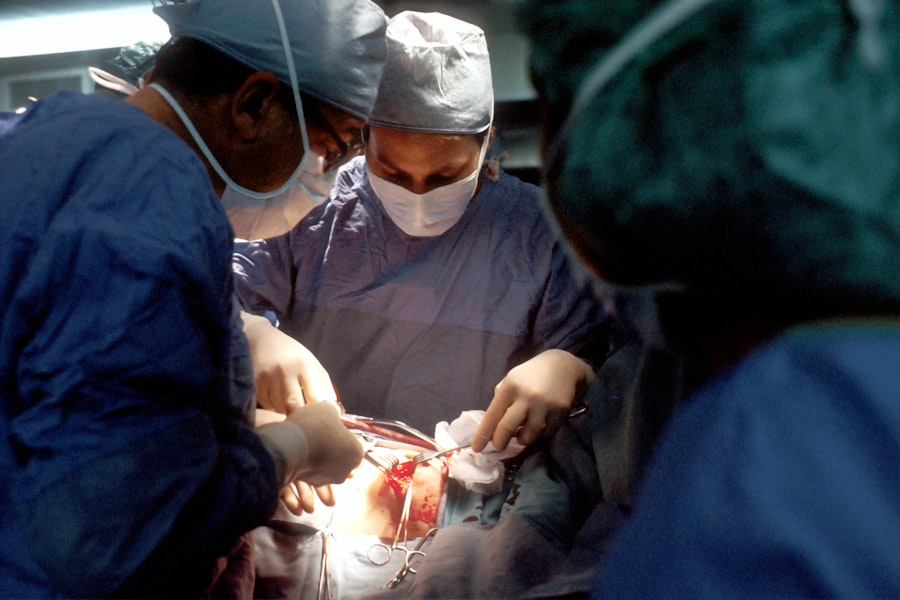
You’re wheeled into the sterile, brightly lit room. The masked faces of the surgical team are a blur of efficiency and calm. You’re prepped, a little nervous perhaps, but reassured by their practiced movements. Then, the anesthesiologist leans in, their voice a gentle murmur against the hum of the machines. They tell you they’re going to give you something to help you rest, something to make you comfortable. And then… nothing.
This is where the unconscious takes over, a realm so profound and mysterious that even in your most lucid moments, you can barely grasp its depths. The world you know – the sights, the sounds, the sensations, the very fabric of your consciousness – simply ceases to be. You are adrift, a passenger in a journey orchestrated by science and your own biology, your mind surrendered to the depths of anesthesia. But what truly happens in that suspended state? What echoes, if any, linger in the uncharted territories of your unconscious mind?
When you hear the word “anesthesia,” your mind likely conjures images of sleep, of an enforced slumber that allows surgeons to perform their intricate work without interruption. And while that’s a crucial component, the reality of anesthesia is far more complex and multifaceted. It’s not merely a switch that turns off your awareness; it’s a carefully managed descent into a state of controlled unconsciousness, a profound alteration of your brain’s activity.
What Exactly is Anesthesia?
At its core, anesthesia is a reversible state of narcosis, analgesia, and amnesia, induced by specific agents. This means it aims to block your ability to feel pain (analgesia), make you unaware of your surroundings (narcosis or unconsciousness), and prevent you from remembering anything that occurs during the procedure (amnesia). The specific combination of these effects depends on the type of anesthesia administered – from local and regional blocks that numb specific areas, to general anesthesia that plunges you into a deep, dreamless sleep.
The Mechanisms of the Sleeping Brain
Understanding how anesthesia works is like peering into a finely tuned orchestra, where different instruments play their parts to create a symphony of silence. Anesthetic agents, whether inhaled gases or intravenous drugs, exert their effects by interacting with specific receptors in your brain. Think of these receptors as tiny locks, and the anesthetic molecules as precisely cut keys.
Targeting Neuronal Communication
The primary target of most anesthetics is the way your neurons communicate with each other. Neurons, the fundamental units of your nervous system, transmit information through electrical and chemical signals. Anesthetics interfere with this intricate dance in several ways:
- Enhancing Inhibitory Signals: Many anesthetics work by amplifying the signals of inhibitory neurotransmitters like GABA (gamma-aminobutyric acid). GABA acts like a brake in your brain, slowing down neuronal activity. Anesthetics bind to GABA receptors, making them more sensitive to GABA’s effects, effectively putting the brakes on your brain’s processing power. This reduces the excitability of neurons, making it harder for them to fire and transmit signals.
- Blocking Excitatory Signals: Conversely, anesthetics can also block the signals of excitatory neurotransmitters like glutamate. Glutamate acts like an accelerator, promoting neuronal firing. By blocking glutamate receptors, anesthetics prevent these excitatory signals from reaching their targets, further dampening brain activity.
- Altering Ion Channels: Neuronal communication relies on the flow of ions across cell membranes. Anesthetics can directly influence these ion channels, either opening them to allow inhibitory ions to enter neurons or closing them to prevent excitatory ions from entering. This disruption of ion flow fundamentally alters the electrical activity of neurons.
The Spectrum of Unconsciousness
It’s important to recognize that “unconsciousness” under anesthesia isn’t a monolithic state. The depth and quality of unconsciousness can vary. While the goal is complete unawareness, there are nuances in how different anesthetic agents and their dosages affect the brain. This variability has led to ongoing research into depth of anesthesia monitoring, aiming to ensure patients are neither too deeply anesthetized (increasing risks) nor too lightly (risking awareness).
Anesthesia is a fascinating subject that raises many questions about its effects on the mind and consciousness. For those interested in exploring this topic further, a related article can provide valuable insights into what happens to your brain while under anesthesia. You can read more about the intricacies of anesthesia and its impact on mental processes in this informative piece: here.
Echoes in the Void: The Elusive Nature of Anesthetic Memory
The promise of amnesia is a cornerstone of anesthetic care. The idea that you will emerge from surgery with no recollection of the events that transpired is a profound comfort. Yet, the human mind is a remarkably complex and sometimes unpredictable entity, and the boundaries of memory under anesthesia are not always as absolute as we’d like them to be.
The Phenomenon of Intraoperative Awareness
While rare, the possibility of intraoperative awareness – a state where a patient becomes consciously aware of events during surgery – is a significant concern. This isn’t about seeing or hearing in the traditional sense, as sensory input is largely blocked. Instead, it often manifests as a feeling of pressure, discomfort, or even a sense of being trapped, all while your body remains paralyzed and unable to signal your distress.
Factors Contributing to Awareness
Several factors can increase the risk of intraoperative awareness:
- Type of Anesthesia: General anesthesia, especially with certain agents or in high-risk patients, carries a higher potential for awareness than local or regional anesthesia.
- Patient Factors: Certain medical conditions, such as pre-existing anxiety disorders, a history of difficult intubations, or the use of certain medications, can influence the likelihood of awareness.
- Surgical Factors: Emergency surgeries, prolonged procedures, or surgeries involving significant physiological stress can also contribute.
- Anesthesia Management: Inadequate anesthetic depth, sudden physiological changes that reduce drug effectiveness, or malfunctioning equipment can all play a role.
The Unconscious Mind’s Subtle Receptions
Even in the absence of full conscious awareness, the unconscious mind may still be processing external stimuli to some degree. Research has explored the possibility of the brain registering certain auditory information or emotional tones, even if these are not consciously recalled. This doesn’t necessarily equate to remembering a conversation or the specific sounds of the operating room, but rather a more subtle, subliminal processing.
Auditory Input and Its Potential Impact
Studies have shown that the auditory cortex, the part of the brain responsible for processing sound, can remain active to some extent during anesthesia. While the pathways that would normally transmit this information to conscious awareness are largely blocked, there’s speculation that the brain might still be registering sounds. This has led to practices like playing calming music in operating rooms, in the hope that any subliminal processing might be beneficial.
The Mystery of Post-Anesthetic Amnesia
The profound amnesia associated with anesthesia is still a subject of intense scientific inquiry. While the mechanisms are believed to involve disruption of memory formation and consolidation at various brain regions, the precise way in which anesthesia erases memories remains a frontier of research. It’s a testament to the brain’s ability to selectively shut down specific functions, a survival mechanism that allows for healing and recovery without the burden of traumatic experiences.
The Deep Dive: Exploring the Nature of Anesthetic Consciousness
When you are under anesthesia, your consciousness doesn’t simply vanish; it undergoes a radical transformation. It’s not a void, but rather a state of altered neural activity, a departure from your familiar waking experience. Understanding this altered state requires delving into the very architecture of your brain and how anesthetics interact with it.
Consciousness as a Network Phenomenon
Modern neuroscience increasingly views consciousness not as residing in a single brain region, but as an emergent property of complex neural networks. These networks involve intricate communication pathways between different parts of the brain, allowing for the integration of information and the generation of subjective experience.
The Role of Thalamocortical Loops
A key player in consciousness is the thalamocortical loop, a reciprocal pathway between the thalamus and the cerebral cortex. The thalamus acts as a relay station for sensory information, while the cortex is responsible for higher-level processing, including awareness and thought. Anesthetics are known to disrupt the synchronized activity within these loops, effectively fragmenting the neural communication necessary for conscious experience.
Dissociation and its Implications
Some anesthetic agents, particularly ketamine, can induce a state of dissociation. This is a profound disconnect between the mind and the body, where you might feel detached from your physical self or experience altered perceptions of reality. While this can be unsettling in other contexts, under controlled anesthetic administration, it’s a mechanism that contributes to pain relief and amnesia.
The Psychedelic Echoes of Dissociatives
Interestingly, the dissociative effects of certain anesthetics have led to exploration of their potential therapeutic uses in treating conditions like depression and PTSD. While the mechanisms are still being unraveled, it suggests that the altered states induced by anesthesia can, in some cases, offer pathways to healing.
Brainwave Signatures of Anesthesia
Electroencephalography (EEG), a technique that measures electrical activity in the brain through electrodes placed on the scalp, provides a window into the brain’s state under anesthesia. As anesthesia deepens, characteristic changes in brainwave patterns emerge.
From Beta to Delta: A Shifting Symphony
In a waking, alert state, your brain predominantly exhibits fast beta waves. As you drift into sleep or anesthesia, these waves slow down and become larger, transitioning through alpha and theta waves before settling into the slow, large delta waves associated with deep sleep and anesthesia. This shift in brainwave patterns is a clear indicator of reduced neuronal firing and a more synchronized, less active brain state.
The Unconscious Mind’s Resilience: Recovery and Reintegration

Emerging from anesthesia is a gradual process, a slow unfurling of consciousness as the anesthetic agents are metabolized and cleared from your system. Your brain, having been in a profoundly altered state, begins the intricate work of reintegration, of re-establishing its familiar patterns of activity and restoring your connection to the world around you.
The Gradual Return of Awareness
The return to consciousness is rarely instantaneous. You might experience moments of grogginess, confusion, or even vivid dreams. This is your brain recalibrating, re-establishing its neural networks and reacquiring its ability to process sensory input and generate coherent thoughts.
Navigating Post-Anesthetic Confusion
Post-anesthetic confusion, sometimes referred to as post-operative delirium, can occur, particularly in older adults or those with underlying cognitive issues. This transient state of disorientation and altered thinking is a testament to the profound impact anesthesia has on the brain and the time it takes for it to fully recover.
The Role of Sleep in Recovery
Sleep plays a crucial role in the post-anesthetic recovery process. During sleep, your brain consolidates memories, repairs cellular damage, and restores its functional capacity. This is why it’s so important to rest and allow your body and mind the time they need to heal after a procedure.
Dreaming: A Window to the Reorganizing Brain?
The dreams you might experience after anesthesia can be particularly vivid and sometimes fragmented. While the exact function of these dreams is still debated, they might represent your brain’s attempt to process recent experiences, consolidate memories, or even to explore the altered neural pathways that have been active during unconsciousness.
The Long-Term Impact: An Ongoing Inquiry
For most people, the effects of anesthesia are temporary, with full recovery occurring within days or weeks. However, ongoing research is exploring whether there are any subtle, long-term cognitive effects of anesthesia, particularly in vulnerable populations or after repeated exposures. While current evidence suggests that anesthesia is generally safe, the scientific community remains committed to understanding every facet of its impact.
Anesthesia is a fascinating topic that raises many questions about its effects on the mind and consciousness. Many people wonder what happens to their thoughts and awareness during surgery. For a deeper understanding of this subject, you can explore an insightful article that discusses the complexities of the brain under anesthesia. This article delves into how anesthesia alters perception and memory, shedding light on the mysteries of our cognitive functions during medical procedures. To read more about this intriguing topic, check out this related article.
The Future of Unconscious Care: Precision and Personalization
| Effect | Description |
|---|---|
| Loss of Consciousness | Under anesthesia, the brain’s ability to maintain consciousness is suppressed, leading to a state of unconsciousness. |
| Memory Loss | Anesthesia can cause temporary amnesia, leading to the inability to form new memories during the procedure. |
| Decreased Brain Activity | Anesthesia reduces brain activity, slowing down the normal functioning of the brain. |
| Altered Brain Waves | Electroencephalogram (EEG) readings show changes in brain wave patterns under anesthesia. |
| Suppressed Pain Perception | Anesthesia blocks the transmission of pain signals to the brain, reducing the perception of pain. |
As our understanding of the brain and anesthesia deepens, the future of anesthetic care promises even greater precision and personalization. Gone are the days of a one-size-fits-all approach. We are moving towards a future where anesthetic strategies are tailored to the individual patient, optimizing both safety and recovery.
Advances in Monitoring and Personalization
Technological advancements are revolutionizing how we monitor anesthetic depth. New brain-monitoring devices are providing real-time insights into a patient’s neurological state, allowing anesthesiologists to fine-tune anesthetic delivery with unprecedented accuracy. This personalized approach aims to minimize the risk of awareness while ensuring optimal conditions for surgery.
Tailoring Anesthesia to Individual Needs
Factors such as genetics, age, medical history, and even lifestyle are increasingly being considered in anesthetic planning. This personalized approach ensures that the anesthetic regimen is not only safe but also conducive to a faster and smoother recovery for each unique patient.
The Ethical Imperative of Understanding
The journey into unconsciousness under anesthesia is a profound privilege granted to medical professionals. As we continue to explore the depths of the mind under these controlled conditions, there is an ethical imperative to do so with the utmost care, respect, and a commitment to patient well-being. Understanding the unconscious impact of anesthesia is not just an academic pursuit; it is fundamental to providing the best possible care and ensuring that every patient emerges from their journey, fully restored and ready to embrace their conscious life once more. Your unconscious mind, though silent during the procedure, is an active participant in your healing, and its recovery is as vital as the surgical intervention itself.

You’re Not Asleep Under Anesthesia. So Where Do You Go?
FAQs
What is anesthesia?
Anesthesia is a medical treatment that induces a reversible loss of sensation, typically used to make a patient unconscious during surgery or other medical procedures.
How does anesthesia affect the brain?
Anesthesia works by disrupting the normal functioning of the brain, specifically by altering the activity of neurotransmitters and blocking the transmission of nerve signals. This results in a loss of consciousness and a lack of awareness of pain.
What are the potential side effects of anesthesia on the mind?
Some potential side effects of anesthesia on the mind include confusion, memory loss, and difficulty concentrating in the days following the procedure. These effects are usually temporary and resolve as the anesthesia wears off.
Can anesthesia have long-term effects on the mind?
While most patients do not experience long-term effects on the mind from anesthesia, some studies have suggested that repeated exposure to anesthesia may be associated with a small increased risk of cognitive decline in older adults.
How does the mind recover from the effects of anesthesia?
The mind typically recovers from the effects of anesthesia as the drugs are metabolized and eliminated from the body. Most patients regain full mental function within a few hours to a few days after the procedure.