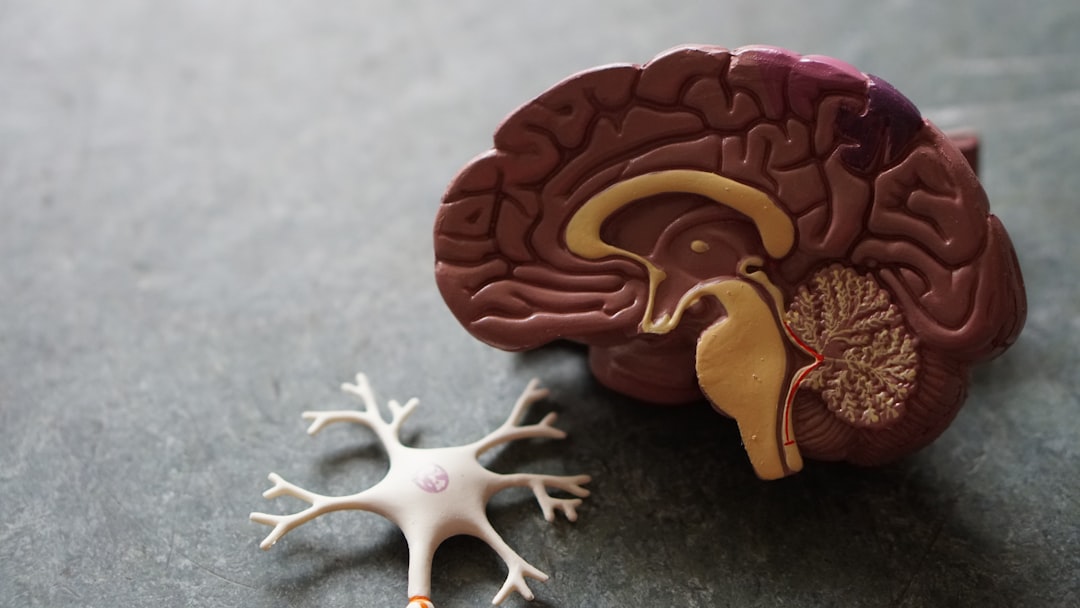
You might think you’re fully in control of your decisions, your preferences, and even your understanding of the world. You believe that every choice you make is the result of conscious, deliberate thought, a carefully weighed process of pros and cons. But what if I told you that a vast, unseen theater of processing is constantly at play beneath the surface of your awareness, shaping your reality in ways you barely perceive? This is the realm of unconscious brain processing, and its power, often termed subliminal awareness, is far more profound than you might imagine.
You experience the world through a narrow spotlight of conscious attention, but behind that spotlight, an immense engine of information intake, analysis, and pattern recognition operates tirelessly. It’s the silent architect of your instincts, the hidden influence on your emotions, and the subtle sculptor of your behaviors. To truly understand yourself, you must venture into this uncharted territory, to acknowledge the extraordinary capabilities of your own subconscious mind.
Your conscious mind is like a tiny island in a vast ocean of sensory input. Every second, your senses bombard you with an overwhelming amount of data – sights, sounds, smells, tastes, textures, and even internal bodily sensations. If your conscious mind had to process every single bit of this information, it would quickly become overloaded, paralyzed by the sheer volume. Fortunately, your brain has evolved an incredibly efficient system for filtering and prioritizing.
Filtering the Flood: Your Brain’s Automatic Gatekeepers
Imagine walking down a busy street. You hear a cacophony of noises: traffic, conversations, distant music, perhaps a siren. Your conscious mind is likely focused on your immediate goal – getting to your destination, perhaps – and you only consciously register the sounds that are relevant to that task or that are particularly jarring. However, your unconscious mind is simultaneously processing the ambient noise, categorizing it, and subtly noting any deviations or potential threats. This constant, low-level monitoring is crucial for survival. It’s why you can sleep through a steady hum of traffic but instantly wake up to the sound of a baby crying or a smoke alarm.
Subliminal Stimuli: The Whispers You Don’t Hear
This filtering process extends beyond mere noise. Subliminal stimuli are pieces of information presented below the threshold of conscious perception. These can be visual cues flashed too quickly to be consciously recognized, or auditory messages played at a volume too low to be consciously heard. Despite not being consciously perceived, these stimuli can still influence your thoughts, feelings, and behaviors. Think about the subtle mood lighting in a restaurant, or the background music in a store – these are often deliberately chosen to evoke specific feelings or encourage certain behaviors, operating at a level just below your conscious awareness.
Pattern Recognition: The Unseen Architect of Understanding
One of the most powerful functions of your unconscious mind is its ability to recognize patterns. You do this constantly, without even realizing it. When you see a familiar face in a crowd, your unconscious mind instantly retrieves a wealth of information about that person – their name, your history with them, your general feeling towards them. This happens in milliseconds, bypassing conscious deliberation. This pattern recognition extends to abstract concepts, social cues, and even predicting future outcomes based on past experiences. It’s the foundation of your intuition, those gut feelings that often prove remarkably accurate.
Recent research has shed light on the fascinating concept of brain processing without conscious awareness, revealing how our minds can absorb and respond to stimuli without our explicit knowledge. This phenomenon is explored in depth in an insightful article that discusses the implications of subconscious processing on decision-making and behavior. For more information, you can read the article here: Freaky Science.
The Silent Language of Emotions and Instincts
Your emotions and instincts are largely the domain of your unconscious brain. While you may consciously label an emotion – “I feel happy,” “I feel angry” – the initial surge of feeling, the physiological responses, and the underlying drivers are often processed and initiated unconsciously. This is why you might experience a sudden mood shift without a clear conscious trigger, or react instinctively to a perceived threat.
The Gut Feeling: Intuition’s Unconscious Origin
Your “gut feeling” is a prime example of unconscious processing at work. It’s your brain drawing on a vast database of past experiences, subtle bodily cues, and learned associations to make a rapid, often accurate assessment of a situation. Before your conscious mind can even articulate why, your unconscious mind has already made a judgment. This can be a feeling of unease, a sense of excitement, or a strong inclination towards or away from something. Learning to trust and interpret these intuitive signals, without letting your conscious mind overthink them, is a vital skill.
Emotional Contagion: The Unseen Spread of Feelings
Have you ever walked into a room and instantly felt the mood of the people there, even if no one has said anything? This is emotional contagion, a phenomenon driven by unconscious mirroring and empathy. Your brain unconsciously picks up on subtle facial expressions, body language, and vocal tones, and begins to mimic those states, leading you to feel similar emotions. This is a powerful social mechanism that facilitates connection and understanding, but it also means you can be influenced by the emotional states of those around you without actively choosing to be.
Instinctual Reactions: Survival’s Subliminal Speed
Your instinctual reactions are hardwired into your unconscious brain for survival. Think about the startle reflex – your body tenses and you jump before you even consciously register what startled you. This rapid, automatic response is designed to protect you from immediate danger. Similarly, your unconscious mind constantly monitors your environment for potential threats, processing information at a speed that far surpasses conscious thought. This is why you might swerve to avoid an obstacle before you even consciously see it.
The Hidden Influence on Your Decisions

While you believe you’re making deliberate choices, a significant portion of your decision-making process is influenced by unconscious factors. From the products you buy to the people you connect with, your subconscious mind is playing a crucial role, often steering you in directions you wouldn’t consciously admit to.
Priming: The Subtle Nudges in Your Mind
Priming is a psychological phenomenon where exposure to one stimulus influences your response to a subsequent stimulus, without you being consciously aware of the connection. For example, if you’re exposed to words related to old age, you might unconsciously walk slower afterwards. Advertisers and marketers are masters of priming, using subtle cues in their campaigns to influence your purchasing decisions. This could be the color of a product, the music in a commercial, or the images used in an advertisement – all designed to unconsciously evoke certain associations and desires.
Implicit Bias: The Unseen Prejudices
You might hold conscious beliefs about fairness and equality, but your unconscious mind can harbor implicit biases – automatic associations and stereotypes that influence your judgments and behaviors. These biases are learned through your environment, culture, and personal experiences, and they can affect everything from who you hire to how you interact with different groups of people. Recognizing and addressing your implicit biases is a lifelong process of self-awareness and intentional effort.
Heuristics: The Mental Shortcuts You Take
Your unconscious mind relies on heuristics, or mental shortcuts, to make quick decisions. These are often useful and efficient, allowing you to navigate a complex world without getting bogged down in endless analysis. However, these shortcuts can also lead to errors in judgment. For instance, the availability heuristic makes you overestimate the likelihood of events that are easily recalled, such as dramatic news stories, even if they are statistically rare. Understanding these mental shortcuts can help you identify when your unconscious might be leading you astray.
Subliminal Awareness in Action: Everyday Examples

The power of subliminal awareness isn’t confined to psychological laboratories. It’s woven into the fabric of your everyday life, shaping your experiences in subtle yet significant ways. By recognizing these instances, you can begin to harness this power and become more aware of its influence.
Marketing and Advertising: The Art of Subtle Persuasion
As mentioned earlier, marketing and advertising are heavily reliant on subliminal awareness. Think about product placement in movies, the jingles you can’t get out of your head, or the aspirational lifestyles depicted in commercials. These elements are designed to create positive associations with brands and products, tapping into your unconscious desires and preferences. The placement of a product in a scene, the emotional tone of a commercial, even the font used in a logo – all are carefully crafted to influence your perception at a level beyond conscious analysis. You might not consciously think, “That blue packaging makes me feel calm and trustworthy,” but your unconscious mind might register that association and guide your purchase.
Social Interactions: The Unspoken Language of Connection
Much of what happens in social interactions is driven by unconscious cues. Body language, facial expressions, and tone of voice communicate far more than words alone. You unconsciously read these cues to gauge someone’s sincerity, their interest, or their mood, and in turn, your own unconscious signals are being interpreted by others. This is why a firm handshake can convey confidence, or a lack of eye contact can suggest nervousness or disinterest. The subtle mirroring of postures and gestures can also create a sense of rapport and connection, all without conscious effort.
Learning and Skill Acquisition: The Deep Roots of Expertise
When you learn a new skill, such as playing a musical instrument or riding a bike, it initially requires intense conscious effort. You focus on every movement, every note, every balance adjustment. However, with practice, these actions become ingrained in your unconscious mind. You no longer have to think about each individual step; your body and mind perform the skill almost automatically. This is the power of muscle memory and unconscious expertise, allowing you to perform complex tasks with fluidity and ease. This unconscious mastery frees up your conscious mind to focus on higher-level aspects of the activity, such as improvisation in music or strategic thinking in sports.
Recent studies have shed light on the fascinating concept of brain processing without conscious awareness, revealing how our minds can absorb and react to information without us even realizing it. This phenomenon is explored in depth in an insightful article that discusses the implications of unconscious processing on decision-making and behavior. For those interested in understanding this intriguing aspect of cognitive science, you can read more about it in the article found at Freaky Science.
Harnessing the Power: Cultivating Subliminal Awareness
| Metrics | Data |
|---|---|
| Reaction Time | Milliseconds |
| Neural Activity | Electroencephalography (EEG) measurements |
| Information Processing | Subliminal stimuli detection |
| Emotional Response | Implicit association tests |
Recognizing the power of your unconscious mind is the first step. The next is learning to cultivate your subliminal awareness, to become a more conscious observer of these hidden influences and, where appropriate, to guide them.
Mindfulness and Meditation: Tuning into Your Inner Landscape
Practices like mindfulness and meditation are powerful tools for developing subliminal awareness. By focusing your attention on the present moment, without judgment, you begin to notice the subtle shifts in your thoughts, emotions, and bodily sensations. This practice allows you to observe the unconscious processes at play without being swept away by them. You can start to identify recurring patterns of thought, the subtle triggers for certain emotions, and the physical manifestations of stress or excitement that you might have previously overlooked. This is not about silencing your thoughts, but about becoming a more detached observer of your own mental activity.
Self-Reflection and Journaling: Unpacking Your Unconscious
Regular self-reflection and journaling can be incredibly effective for unpacking your unconscious. By writing down your thoughts, feelings, and experiences, you create a tangible record that allows you to identify patterns and themes that might not be apparent in the moment. You can explore the “why” behind your reactions, question your assumptions, and begin to understand the underlying beliefs that are shaping your behavior. This process of externalizing your inner world provides a valuable perspective, allowing you to see the unconscious influences that might otherwise remain hidden.
Conscious Choice and Intentional Living: Steering Your Subconscious
While your unconscious mind operates automatically, it is not entirely beyond your influence. Through conscious choices and intentional living, you can gradually shape the patterns and associations that your unconscious mind forms. By consistently exposing yourself to positive influences, engaging in activities that align with your values, and practicing gratitude, you can begin to reprogram your subconscious biases and preferences. Think of it as cultivating a garden; you can’t force plants to grow, but you can provide the right soil, water, and sunlight to encourage healthy growth. Similarly, by consciously choosing your inputs, you can positively influence your unconscious outputs. This involves actively seeking out information that challenges your biases, surrounding yourself with supportive people, and engaging in activities that bring you joy and fulfillment.
Questioning Your Assumptions: Challenging the Status Quo Within
The most potent way to harness subliminal awareness is to cultivate a habit of questioning your assumptions. Your unconscious mind operates on a foundation of deeply ingrained beliefs and associations, many of which are inherited from your environment and past experiences. Actively challenging these assumptions, asking “Why do I believe this?” or “Is this truly serving me?” can unlock new perspectives and allow for conscious recalibration. This is where critical thinking intersects with subconscious processing. Instead of accepting a gut feeling or an immediate emotional response at face value, you can pause and investigate its origins. This deliberate act of self-inquiry empowers you to take ownership of your internal landscape.
You are a complex tapestry of conscious thought and unconscious processing. To deny the power of the latter is to limit your understanding of yourself and your potential. By embracing the concept of subliminal awareness, by venturing into the unseen depths of your own mind, you unlock a profound capacity for self-understanding, informed decision-making, and ultimately, a more authentic and fulfilling life. The journey into the unconscious is not about relinquishing control, but about gaining a deeper, more nuanced form of it. It’s about recognizing that the most profound influences on your life are often the ones you don’t consciously perceive, and learning to navigate that intricate, powerful landscape with intention and awareness.

Your Brain May Sense Earth’s Magnetic Field Without You Knowing
FAQs
What is brain processing without conscious awareness?
Brain processing without conscious awareness refers to the ability of the brain to perceive and respond to stimuli without the individual being consciously aware of it. This can include automatic processes such as reflexes, subconscious decision-making, and implicit memory retrieval.
How does the brain process information without conscious awareness?
The brain processes information without conscious awareness through various neural pathways and networks. These processes can involve the amygdala for emotional responses, the visual cortex for processing visual stimuli, and the cerebellum for coordinating motor movements, among other brain regions.
What are some examples of brain processing without conscious awareness?
Examples of brain processing without conscious awareness include reflex actions such as blinking in response to a sudden bright light, subconscious processing of facial expressions to gauge emotions, and automatic motor responses while driving or typing.
What are the implications of brain processing without conscious awareness?
The implications of brain processing without conscious awareness are vast, as it influences our daily behaviors, decision-making, and emotional responses. Understanding these processes can have implications for fields such as psychology, neuroscience, and artificial intelligence.
Can brain processing without conscious awareness be influenced or controlled?
While some aspects of brain processing without conscious awareness are innate and automatic, certain techniques such as mindfulness practices and cognitive behavioral therapy can help individuals become more aware of and potentially influence these processes. Additionally, certain stimuli and environmental factors can also influence subconscious processing.