You are an intricate symphony of conscious thought and unconscious processes, a vibrant dancer whose every step you perceive, yet whose underlying mechanics remain largely hidden. Your conscious mind, the spotlight you shine on your immediate reality, is a remarkable tool. It allows you to ponder, to reason, to feel the warm embrace of love or the sharp sting of disappointment. But what you experience as “you” is but a fraction of the incredible work happening beneath the surface, in the vast, silent ocean of your unconscious brain processing.
This is not some shadowy, mystical realm. Instead, think of it as your brain’s tireless, highly efficient operational system, constantly working in the background, managing a colossal amount of information, making decisions, and executing tasks without ever demanding your conscious attention. It’s the engine that keeps your body running, the navigator that guides your every move, and the quiet architect of your perceptions and beliefs. Understanding this hidden world can unlock a new appreciation for yourself and the complexities of human experience.
Imagine your conscious mind as the captain of a ship. You see the horizon, you chart a course, and you make decisions about where to steer. But the captain doesn’t personally operate the engines, monitor the fuel levels, or adjust the sails. Those tasks are handled by the crew, the unseen workers below deck, performing their duties diligently and without fanfare. Your unconscious brain is that crew, performing an astronomical number of computations and operations that enable your conscious experience to even exist.
More Than Just Reflexes: The Depth of the Unconscious
When we think of unconscious processes, we might first conjure up automatic reflexes – the way your hand jerks away from a hot stove, or how you blink when something approaches your eye. While these are indeed forms of unconscious processing, they represent only the tip of the iceberg. The unconscious brain is involved in a far broader spectrum of activities, shaping your decisions, your emotions, your memories, and even your very personality.
The Foundation of Every Decision
You believe you are making a conscious choice when you decide to order a pizza for dinner or to read a particular book. However, research suggests that the initial impulse, the subtle inclination that nudges you in a certain direction, often arises from unconscious processing. Your past experiences, learned associations, and even your current physiological state (are you genuinely hungry, or just experiencing a craving based on a visual cue?) all contribute to a complex interplay that eventually presents a “decision” to your conscious awareness, often making it seem like a purely rational choice.
The Unseen Hand of Emotion
Emotions are potent forces that color your entire existence. While you can consciously identify feeling happy, sad, angry, or fearful, the initial processing of emotional stimuli often happens below the radar. Your amygdala, a key brain structure, can detect potential threats or rewards in your environment long before your conscious mind has registered what they are. This rapid, unconscious emotional tagging influences your subsequent thoughts and actions, sometimes leading you to react defensively before you even understand why.
Unconscious brain processing plays a crucial role in how we perceive and react to the world around us, often influencing our decisions without our conscious awareness. For a deeper understanding of this fascinating topic, you can explore the article on unconscious processing at Freaky Science. It delves into the mechanisms behind our subconscious mind and how it shapes our thoughts and behaviors. To read more, visit Freaky Science.
The Power of Automaticity: How Your Brain Saves Energy
One of the primary functions of unconscious brain processing is efficiency. Your conscious mind has a limited capacity for attention and processing. If it had to actively manage every single aspect of your being, you’d be overwhelmed, unable to perform even the simplest tasks. The unconscious brain takes on the heavy lifting, automating repetitive actions and established patterns, freeing up your conscious resources for novel situations and complex problem-solving.
Mastering Skills Through Practice
Think about learning to ride a bicycle. Initially, it’s a conscious, painstaking effort. You’re acutely aware of your balance, your pedaling, your steering. Every movement requires deliberate thought. But with practice, something remarkable happens. The act of riding becomes second nature. Your brain, through repeated experience, has automated the necessary motor sequences and sensory feedback loops. You can now pedal, steer, and maintain balance while simultaneously holding a conversation or enjoying the scenery. This is the power of unconscious skill acquisition.
The Efficiency of Habits
Habits are essentially unconscious programs that your brain runs. They are shortcuts that allow you to perform familiar actions without expending conscious effort. Brushing your teeth, driving your usual route to work, or even the way you typically organize your workspace are all examples of habits. While some habits can be detrimental, the vast majority are incredibly beneficial, streamlining your daily life and allowing you to navigate the world with greater ease. The unconscious brain is constantly seeking to optimize by creating these automatic routines.
The Unsung Heroes of Perception
Your sensory organs are constantly bombarded with an overwhelming amount of data – light, sound, touch, smell, taste. Your conscious mind only registers a fraction of this. The unconscious brain acts as a sophisticated filter and interpreter, sifting through this torrent of information, identifying what is relevant, and constructing a coherent perception of reality for you to experience. It’s responsible for filling in the blanks, for recognizing familiar faces in a crowd, and for understanding the nuances of spoken language.
The Unconscious Role in Learning
Learning isn’t solely about conscious memorization. A significant portion of how you learn and retain information occurs unconsciously. When you are exposed to new concepts or experiences, your brain is constantly making connections, strengthening neural pathways, and consolidating memories without your direct involvement. This is why sometimes, after a period of rest or distraction, a problem you were struggling with suddenly becomes clear – your unconscious mind has been working on it in the background.
Implicit Memory: The Unseen Knowledge
This type of learning is often referred to as implicit memory. It’s the knowledge you possess but cannot necessarily articulate. For example, you might know how to tie your shoelaces without being able to give step-by-step instructions. This type of memory is acquired through experience and repetition and is deeply embedded in your motor and cognitive systems, operating largely outside of conscious recall.
Priming: The Subtle Influence of What Came Before
You’ve likely experienced priming without even realizing it. If you recently saw a picture of a dog, you might be slightly quicker to recognize the word “bark” or “tail” compared to someone who hasn’t. This is because your brain has been “primed” by the previous exposure, making related concepts more accessible in your unconscious processing. This subtle influence shapes your perceptions and reactions in countless ways throughout the day.
Bridging the Gap: The Interface Between Conscious and Unconscious
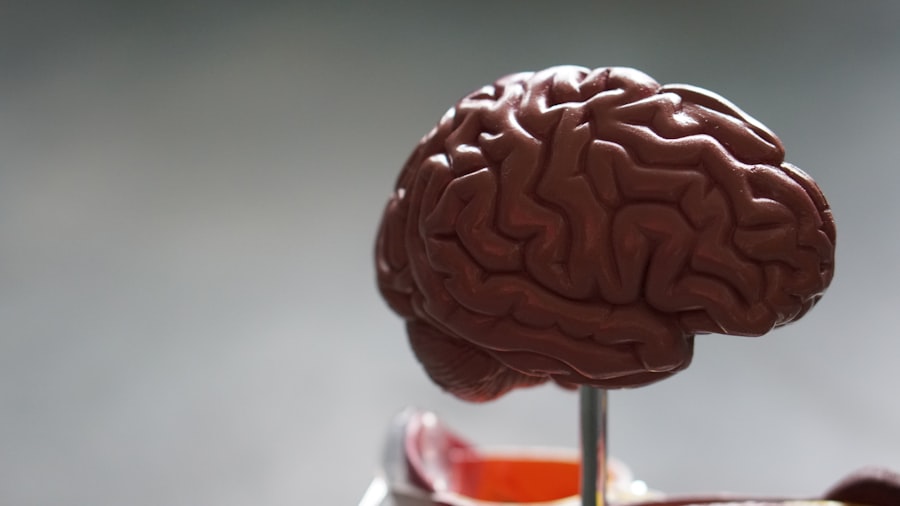
While the unconscious brain operates largely independently, it doesn’t exist in a vacuum. There is a constant, dynamic interaction between your conscious and unconscious minds. Your conscious thoughts can influence your unconscious patterns, and conversely, your unconscious processes can manifest in your conscious awareness as intuitions, creative insights, or even anxieties.
The Intuitive Leap: Trusting Your Gut
That “gut feeling” you sometimes experience is often a manifestation of rapid, complex unconscious processing. Your brain has analyzed a situation, drawing upon a vast database of past experiences and learned associations, and has arrived at a conclusion or a warning before your conscious mind has had time to fully rationalize it. Learning to recognize and trust these intuitions can be a powerful tool for navigating life.
Pattern Recognition: The Unconscious Detective
Your unconscious mind is a master of pattern recognition. It can detect subtle correlations and anomalies that might elude your conscious attention. This ability is crucial for everything from understanding social cues to diagnosing complex medical conditions. When a doctor makes a seemingly intuitive diagnosis, it’s often the result of years of unconscious learning and pattern recognition from countless cases.
The Emergence of Creativity
Where do brilliant ideas come from? While conscious effort and deliberate work are essential, the spark of creativity often ignites in the fertile ground of the unconscious. Many artists, scientists, and inventors report having their most profound insights during moments of relaxation, sleep, or distraction, when their conscious minds are less guarded, allowing unconscious connections to surface.
The Role of Sleep and Dreams
Sleep is a vital period for unconscious brain processing. During sleep, your brain consolidates memories, clears out metabolic waste, and processes emotional experiences. Dreams, often seen as bizarre narratives, are thought to be a manifestation of this ongoing unconscious activity, allowing your brain to explore different scenarios, process unresolved emotions, and even rehearse potential future events in a safe, simulated environment.
Memory Consolidation: Weaving the Threads of Experience
While you are asleep, your brain is actively working to solidify the memories you formed during the day. It’s like a diligent archivist, sorting through information, discarding what’s not important, and strengthening the connections for what is. This process is crucial for long-term learning and recall, allowing you to build upon your knowledge and experiences over time.
Emotional Regulation: The Unconscious Therapist
Sleep also plays a critical role in regulating your emotions. During REM sleep, your brain processes emotional memories, effectively de-escalating their intensity. This is why a difficult day can feel less overwhelming after a good night’s sleep – your unconscious mind has helped you to process and manage those emotions.
When the Unconscious Speaks: Manifestations and Insights
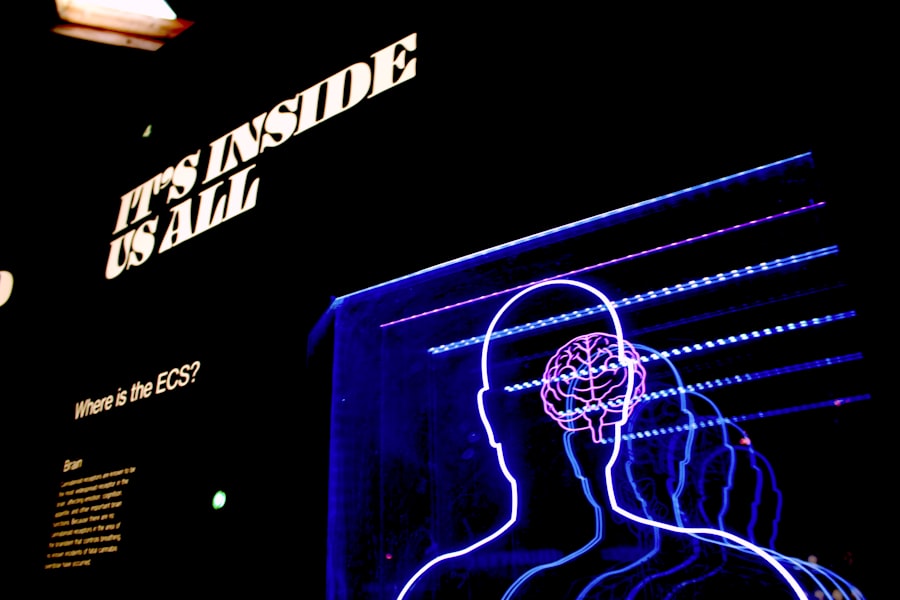
The influence of your unconscious brain isn’t always subtle. It can manifest in tangible ways, impacting your behavior, your feelings, and even your physical well-being. Understanding these manifestations can offer valuable insights into your inner world.
Subliminal Perception: More Than Meets the Eye
While the concept of subliminal messaging in advertising is often sensationalized, the reality of subliminal perception is more nuanced and pervasive. Your brain can process information presented below the threshold of conscious awareness, and this can subtly influence your preferences and behaviors. This isn’t about mind control, but rather about the unconscious brain’s remarkable ability to detect and react to stimuli it doesn’t consciously register.
The Impact on Consumer Choices
Studies have shown that subtle, unconscious cues can influence purchasing decisions. For example, presenting a brand logo for a fleeting moment might create a positive unconscious association that influences your choice later on. This highlights how deeply interwoven your unconscious processing is with your everyday interactions.
Unconscious Bias: The Hidden Prejudices
Perhaps one of the most significant and challenging manifestations of unconscious processing is unconscious bias. These are automatic associations and beliefs that we hold about different groups of people, often without our conscious awareness or intention. These biases can shape our judgments, our interactions, and our decisions, impacting everything from hiring practices to personal relationships. Recognizing and addressing unconscious bias is a crucial step towards fostering a more equitable society.
The Power of Placebo and Nocebo Effects
The placebo effect, where a person experiences a positive health outcome after receiving a treatment that has no inherent medicinal value, is a powerful testament to the unconscious mind’s influence on the body. Your beliefs and expectations, often formed unconsciously, can trigger real physiological changes. Conversely, the nocebo effect demonstrates how negative expectations can lead to negative outcomes, even in the absence of a genuine threat. This highlights the profound connection between your mental state and your physical health.
The Mind-Body Connection: A Powerful Alliance
The placebo and nocebo effects underscore the intricate connection between your mind and body. Your unconscious brain plays a significant role in mediating this connection, translating beliefs and expectations into tangible physical responses. This area of research is continuously revealing the extent to which our mental landscape can impact our physical well-being.
Recent research has shed light on the fascinating world of unconscious brain processing, revealing how our minds can work behind the scenes to influence our thoughts and actions. For a deeper understanding of this intriguing topic, you might find the article on unconscious cognition particularly enlightening, as it explores the mechanisms through which our brains process information without our conscious awareness. This exploration not only enhances our understanding of human behavior but also opens up new avenues for psychological research.
Cultivating a Kinder Relationship with Your Unconscious
| Aspect | Explanation |
|---|---|
| Definition | The unconscious brain processing refers to the mental activities that occur without awareness or conscious control. |
| Examples | Automatic bodily functions, implicit memory, and subconscious decision-making are all examples of unconscious brain processing. |
| Role | Unconscious brain processing plays a crucial role in shaping behavior, emotions, and perceptions without the individual being aware of it. |
| Research | Studies have shown that unconscious brain processing can influence behavior and decision-making, leading to a better understanding of human cognition. |
You don’t need to be a neuroscientist to develop a better understanding and a more harmonious relationship with your unconscious brain. By paying attention to certain signals and engaging in practices that foster self-awareness, you can begin to harness the power of this hidden realm.
Mindfulness and Meditation: Listening to the Inner Voice
Practices like mindfulness and meditation are essentially training grounds for your unconscious mind. They teach you to observe your thoughts and feelings without judgment, to become more aware of the subtle impulses that arise from your unconscious. This increased awareness allows you to differentiate between a fleeting thought and a deeply ingrained belief, and to make more intentional choices.
Observing Your Thoughts Without Judgment
During meditation, you are not trying to empty your mind, but rather to become an observer of its activity. You notice thoughts, emotions, and physical sensations as they arise and pass. This practice helps to detach you from the automaticity of your thought patterns, allowing you to see them more clearly and to understand their origins, many of which lie in the unconscious.
Recognizing Your Triggers and Patterns
By regularly checking in with yourself, you can begin to identify the situations, people, or thoughts that consistently trigger certain emotional responses or behaviors. This recognition is the first step towards understanding the unconscious patterns that may be driving your reactions and towards consciously choosing different responses.
The Importance of Self-Reflection and Journaling
Taking time for self-reflection and journaling can be incredibly beneficial for bridging the gap between your conscious and unconscious minds. By writing down your thoughts, feelings, and experiences, you provide your conscious mind with an opportunity to process and understand the information that your unconscious has been working with.
Unpacking Your Emotions
Journaling can be a safe space to explore your emotions without immediate pressure to act or react. As you write, you may uncover underlying reasons for your feelings, bringing to light unconscious influences that were previously hidden. This process can be deeply cathartic and lead to significant personal growth.
Identifying Underlying Beliefs
Often, our habitual reactions are rooted in deeply held beliefs about ourselves and the world, many of which were formed in our early years and operate largely unconsciously. Journaling can help you to unearth these beliefs by examining recurring themes in your thoughts and experiences, allowing you to consciously challenge and potentially revise them.
Embracing Rest and Allowing for Incubation
In our fast-paced world, it’s easy to feel pressured to be constantly productive. However, embracing rest and allowing for periods of “incubation” is crucial for effective unconscious processing. This means stepping away from a problem, engaging in activities that relax you, and trusting that your unconscious mind will continue to work on it in the background.
The Power of Stepping Away
When you’re stuck on a problem, sometimes the best solution is to stop trying so hard to force it. Engaging in something completely unrelated, like taking a walk or listening to music, can give your unconscious mind the space it needs to make new connections and generate novel solutions.
Trusting the Process of Incubation
Learning to trust that your unconscious mind is working even when you’re not consciously thinking about a problem is a key aspect of harnessing its power. This trust can alleviate anxiety and lead to more creative and effective problem-solving.
Your unconscious brain is not a separate entity, but an integral and indispensable part of who you are. It is the silent partner in every thought, every feeling, and every action. By taking the time to understand its workings, to recognize its influence, and to cultivate a conscious connection with it, you unlock a deeper understanding of yourself and a greater capacity for navigating the complexities of life with awareness, intention, and wisdom. You are, after all, far more than what you consciously perceive yourself to be. You are a magnificent, intricate, and continuously evolving masterpiece of both conscious awareness and unconscious power.

Your Brain May Sense Earth’s Magnetic Field Without You Knowing
FAQs
What is unconscious brain processing?
Unconscious brain processing refers to the cognitive processes that occur without our conscious awareness. This includes activities such as perception, memory, and decision-making that happen automatically and without deliberate effort.
How does unconscious brain processing work?
Unconscious brain processing involves the activation of neural pathways and networks in the brain that operate outside of conscious awareness. These processes are often driven by past experiences, learned associations, and evolutionary adaptations.
What are some examples of unconscious brain processing?
Examples of unconscious brain processing include the ability to recognize familiar faces, interpret body language, and make split-second decisions in response to potential threats. Additionally, habits, routines, and automatic responses are all driven by unconscious brain processing.
What is the significance of unconscious brain processing?
Unconscious brain processing plays a crucial role in our everyday functioning, influencing our behavior, emotions, and perceptions. It allows us to efficiently navigate the world around us and respond to stimuli without being overwhelmed by conscious thought.
Can unconscious brain processing be influenced or controlled?
While unconscious brain processing is largely automatic, it can be influenced and modified through various techniques such as mindfulness, cognitive-behavioral therapy, and exposure therapy. However, complete control over unconscious brain processing is not possible, as it is deeply ingrained in the functioning of the human brain.