
You’re driving, maybe heading home after a long day, perhaps on a road trip to somewhere exciting. The radio’s playing, you’re comfortable, and the world outside is a blur of passing scenery. Then, it happens. A sudden swerve, a sharp impact, and your vehicle is no longer on the road. It might be submerged, upside down, or simply trapped in a way that conventional doors won’t open. Panic can set in, but a few key tools, readily accessible in your vehicle, can be your lifeline. This isn’t about being a doomsday prepper; it’s about being prepared for the unexpected, for those rare but critical moments where quick thinking and the right equipment can mean the difference between a frightening inconvenience and a true disaster.
You might think your car is a sturdy fortress, but in certain emergency scenarios, it can quickly become a death trap. Water can pour in with surprising speed, making escape through doors nearly impossible due to the immense pressure. A fire can erupt, trapping you inside as flames engulf the cabin. A rollover can jam doors or crush them shut. In these situations, your primary goal is to break out quickly and safely. This means having tools designed specifically for vehicle escape, not just a tire iron you might have forgotten is in the trunk. These aren’t just gadgets; they are potentially life-saving instruments that empower you to take control when your surroundings are out of your control.
The Unseen Threats: Why Standard Exits Fail You
It’s a common misconception that you can simply open your car door in any emergency. While this is true for most minor fender-benders, it fails to account for the dynamic and often violent nature of serious accidents. Understanding why your vehicle’s standard exits might betray you in a crisis is the first step in appreciating the necessity of specialized escape tools.
Water’s Implacable Force: The Submersion Scenario
Imagine your car plunging into a body of water – a lake, a river, or even a flooded roadway. The initial shock can disorient you, but the real danger comes from the water pressure. As your vehicle fills, the air inside is compressed. This compression creates an outward force that makes opening your car doors, even with considerable strength, a monumental, often impossible, task. The pressure of the water outside will be greater than any force you can exert from inside. Think of it like trying to open a bottle with the lid sealed from the outside. You’re fighting a powerful, invisible force. The windows, while seemingly more fragile, offer a better chance. However, even windows can be surprisingly difficult to break, especially when you’re stressed and disoriented, and the glass is designed to withstand impacts from the outside.
The Inferno Within: Fire and Its Insidious Grip
Vehicle fires are terrifying and spread with astonishing speed, fueled by the plastics, fabrics, and fluids within your car. In such a situation, time is of the essence. Smoke inhalation can incapacitate you within minutes, and the heat can become unbearable even faster. Your primary concern is to escape before the fire completely consumes the cabin or produces toxic fumes. Relying on doors that might be blocked by debris or warped by heat is a gamble you don’t want to take. Again, windows become your potential escape route, but they need to be broken quickly and efficiently to allow you to get out before the situation becomes unsurvivable.
The Crushing Embrace: Rollovers and Deformations
A rollover accident, whether it’s a gentle flip or a violent tumble, can significantly alter your vehicle’s structural integrity. Doors can become jammed, hinges can be strained, and the entire frame can twist. In some extreme cases, the roof can be crushed, making it impossible to exit through the top. If your vehicle lands in a precarious position, such as wedged between trees or on its side, the normal operation of doors might be impossible. This is where the ability to create your own exit point, independent of the designed entryways, becomes paramount.
If you’re interested in enhancing your safety while traveling, you might want to check out a related article on vehicle escape tools that work effectively in emergencies. This article provides insights into various tools designed to help you break free from your vehicle in case of an accident or submersion. For more information, visit this link to learn about the best options available on the market today.
Your First Line of Defense: The Multi-Tool Marvels
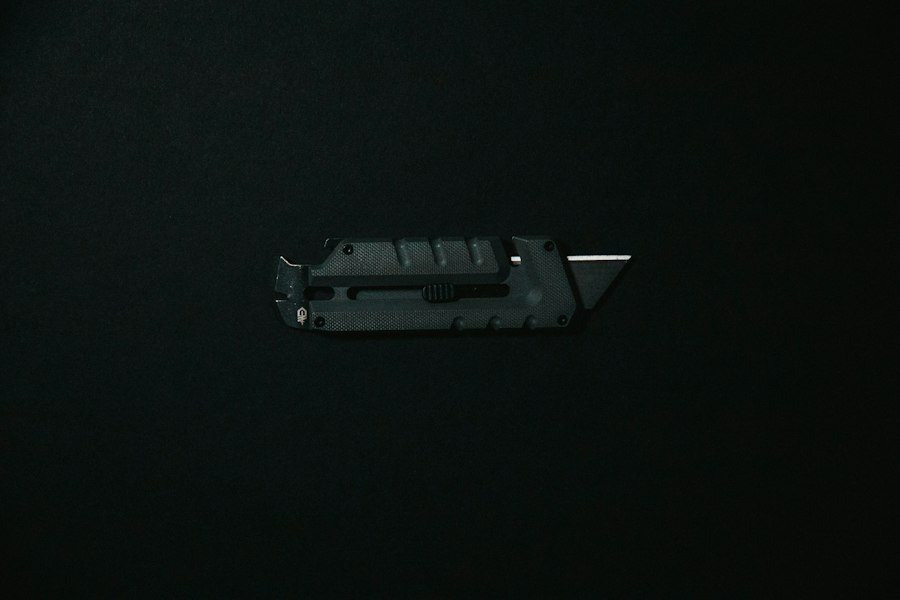
When it comes to vehicle escape, versatility is key. You want tools that can handle multiple tasks and are compact enough to be readily available. The multi-tool segment of vehicle escape devices offers precisely this, combining several essential functions into a single, pocket-sized (or glove-compartment-sized) package. These are the workhorses of emergency preparedness.
The All-in-One Wonder: The Car Escape Tool
The quintessential vehicle escape tool is often a compact device that combines a seatbelt cutter and a window breaker. These are designed to be kept within easy reach, perhaps clipped to your keychain, in your center console, or in your glove compartment. The seatbelt cutter is crucial because in an accident, seatbelts can become jammed or difficult to unbuckle, especially if you’re injured or disoriented. A sharp, dedicated blade can sever the belt quickly. The window breaker, typically a spring-loaded or tungsten carbide tip, is designed to shatter tempered automotive glass with minimal effort. Tempered glass, used in most car side and rear windows, is designed to break into small, relatively harmless pieces when struck with enough force at a specific point.
In emergency situations, having a reliable vehicle escape tool can be a lifesaver, as it enables individuals to quickly exit their vehicles in case of an accident or submersion. For those interested in learning more about innovative safety devices, a related article can be found at Freaky Science, which explores various gadgets designed to enhance personal safety on the road. Understanding the importance of such tools can make a significant difference in critical moments.
Beyond the Basics: Enhanced Multi-Tool Features
Some advanced multi-tools offer even more functionality. You might find models with integrated LED flashlights, useful for signaling for help or navigating in the dark after an accident. Others may include a small, but effective, pry bar for manipulating small obstructions or a basic compass. While these extra features might seem minor, in a chaotic emergency situation, every bit of utility can be a lifesaver. The key is to choose a tool that feels robust and reliable in your hand, one you’re confident will perform when you need it most. Practice using it – not to break your car windows, but to get a feel for its operation. Know where the cutter is, how to activate the breaker, and keep it in a consistent, easily accessible location.
Strategic Placement: Where to Keep Your Escape Tool
The effectiveness of any escape tool is directly tied to its accessibility. If it’s buried in the trunk or lost in a messy glove compartment, it’s useless. You should aim to have at least one readily accessible escape tool within arm’s reach of the driver’s seat. Common recommendations include:
- The Keychain: Many compact escape tools can be attached to your car keys. This ensures it’s with you every time you get out of the car.
- The Center Console: This is often the most convenient spot for immediate access.
- The Sun Visor Clip: Some escape tools come with clips that can attach to the sun visor.
- The Driver’s Side Door Pocket: Another easily accessible location.
Consider having a secondary tool in the glove compartment or a passenger’s reach as well, especially if you frequently have passengers.
The Power of Precision: Specialized Window Breaking Devices
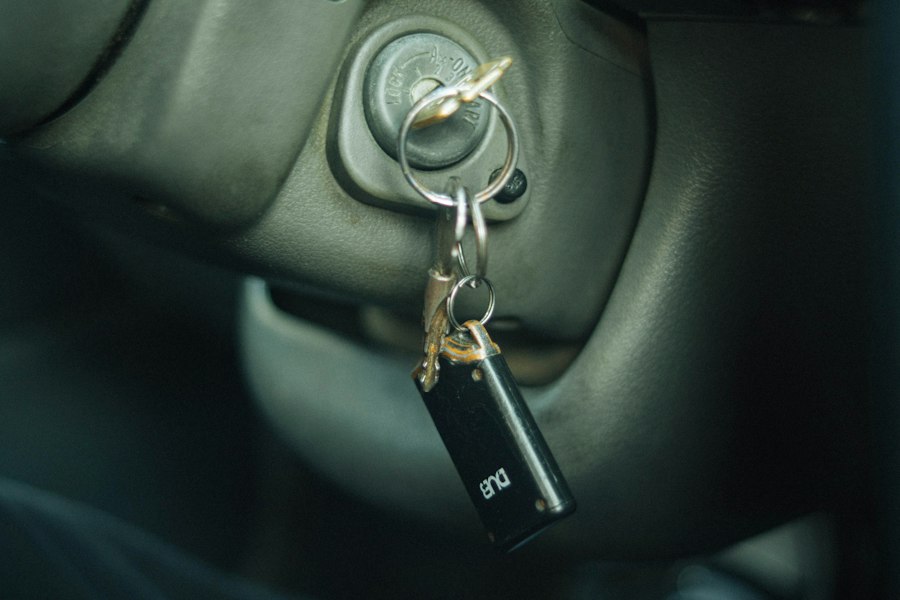
While multi-tools offer a great combination of features, there are situations where a dedicated window breaker can provide superior leverage and force. These tools are designed with one primary purpose: to shatter glass quickly and efficiently.
The Spring-Loaded Force Multiplier: The Personal Safety Hammer
The personal safety hammer, often referred to as a spring-loaded window breaker, is perhaps the most popular and effective standalone window breaking device. It works by using a powerful spring mechanism. When you press the tip against a window, the spring is compressed. Upon reaching a certain pressure, it releases suddenly, driving a sharp point (often made of hardened steel or tungsten carbide) into the glass with considerable force. The beauty of this design is that it requires very little physical strength to operate, making it ideal for individuals who might be injured or weaker. You don’t need to swing it with all your might; just a firm press is usually sufficient.
The Tungsten Carbide Edge: Unmatched Shattering Power
Tungsten carbide is a material known for its extreme hardness, second only to diamond. Many high-quality window breakers utilize tungsten carbide tips because of this property. This allows them to create the necessary stress concentration on the glass to shatter it with ease. You’ll often see this material mentioned in product descriptions for premium escape tools. When choosing a window breaker, look for a hardened steel or, ideally, a tungsten carbide tip for maximum effectiveness.
Breaking the “Unbreakable”: The Science of Tempered Glass
It’s important to understand what kind of glass you’re dealing with. The side and rear windows of most vehicles are made of tempered glass. This glass is heat-treated to make it stronger and safer. When it breaks, it shatters into thousands of small, granular pieces, significantly reducing the risk of serious cuts compared to standard annealed glass. However, this strength also means it’s harder to break. The trick to breaking tempered glass is to apply a concentrated force to a small area, creating a stress point that causes the entire pane to fracture. This is precisely what a good window breaker is designed to do.
What About the Windshield? A Different Challenge
Your car’s windshield is typically made of laminated glass, not tempered glass. It consists of two layers of glass with a plastic (PVB) layer in between. This construction makes it much stronger and less likely to shatter completely upon impact. While a powerful window breaker might crack a windshield, it’s unlikely to create a viable escape hole. The plastic layer will tend to hold the glass together. Therefore, while a window breaker is excellent for side and rear windows, it’s generally not the primary tool for escaping through a windshield. In a windshield scenario, you’d be looking at tools that can cut or pry.
Cutting Through the Constraints: Seatbelt and Obstruction Removal
Beyond breaking windows, another critical aspect of vehicle escape is dealing with restraints and minor obstructions that can impede your exit. Your seatbelt, designed to save your life, can become a deadly trap if it’s jammed or if you’re unable to release the buckle.
The Silent Threat: When Seatbelts Won’t Release
In a severe accident, the forces involved can jam the seatbelt mechanism or even fray and tear the webbing. The automatic locking retractor, designed to engage during sudden deceleration, might engage so forcefully that it becomes impossible to retract or unbuckle. In such cases, a sharp, reliable seatbelt cutter is essential. You need to be able to cut through the strong webbing quickly without fumbling or struggling.
The Integrated Solution: Seatbelt Cutters on Multi-Tools
As mentioned, most effective vehicle escape tools incorporate a dedicated seatbelt cutter. These are usually a small, razor-sharp blade designed to slice through webbing with minimal effort. The key is that the blade is protected to avoid accidental cuts to yourself or others while it’s stored

Your Car Window Can Keep You In—Even When You Need Out
FAQs
1. How does a vehicle escape tool work?
A vehicle escape tool typically combines a seatbelt cutter and a window breaker to help individuals escape from a car in emergency situations. The seatbelt cutter is used to quickly cut through a seatbelt, while the window breaker is designed to shatter car windows easily.
2. Are vehicle escape tools easy to use?
Yes, vehicle escape tools are designed to be user-friendly and easy to use in stressful situations. They are usually compact in size and can be stored within reach in the car for quick access when needed.
3. Can anyone use a vehicle escape tool?
Yes, vehicle escape tools are designed to be used by anyone, regardless of age or physical strength. They are created with simplicity in mind so that individuals can quickly and effectively use them in case of an emergency.
4. Where should I keep a vehicle escape tool in my car?
It is recommended to keep a vehicle escape tool in a readily accessible location within the car, such as the glove compartment, center console, or door pocket. Make sure it is securely stored but easy to reach in case of an emergency.
5. Are vehicle escape tools reusable?
Most vehicle escape tools are reusable, allowing individuals to use them multiple times if needed. However, it is essential to check the tool’s condition periodically to ensure it is in good working order and replace it if necessary.