
When embarking on your Hemi-Sync journey, the headphones you choose are not mere accessories; they are the conduits through which sonic landscapes unfold. They are the silent architects of your internal experience, shaping the clarity, immersion, and effectiveness of the audio programs designed to synchronize your brainwaves. Selecting the right pair is akin to choosing the sharpest chisel for a sculptor: it directly impacts the precision and beauty of the final form. This article will guide you through selecting optimal headphones for Hemi-Sync, focusing on factors critical to this unique audio experience, rather than general consumer preferences.
Hemi-Sync, a proprietary audio technology developed by The Monroe Institute, utilizes binaural beats embedded within soundscapes to encourage specific brainwave states. These beats are delivered independently to each ear, requiring headphones that can accurately reproduce these distinct auditory signals without bleed-through or distortion. The subtle nature of these frequencies means that fidelity and isolation are paramount.
The Importance of Binaural Beats Reproduction
Binaural beats are created by presenting slightly different frequencies to each ear. Your brain then perceives a “third” phantom beat, which is the difference between the two frequencies. This phantom beat is what purportedly influences brainwave activity. For this mechanism to work effectively, your headphones must deliver each frequency precisely as intended, without interference. Imagine trying to tune a delicate instrument with a rusty, out-of-tune tuning fork – the results will be imprecise. Similarly, headphones that muddy the soundstage or fail to isolate audio can compromise the intended binaural effect.
The Role of Soundstage and Immersion
Many Hemi-Sync programs are designed to create an immersive sonic environment. This can range from nature sounds to guided meditations. A wide and accurate soundstage allows you to perceive the spatial placement of sounds, drawing you deeper into the intended experience. For Hemi-Sync, this isn’t about a concert hall thrill; it’s about creating a believable internal space that facilitates focus and relaxation. If the soundstage is narrow, the audio can feel claustrophobic, hindering the expansive states Hemi-Sync aims to induce.
Frequency Response and Harmonic Distortion
Hemi-Sync audio often extends into subtle frequencies that might not be as prominent in music. While extreme bass or treble might not be the primary focus, a balanced and extended frequency response ensures that all the nuances of the audio are reproduced faithfully. Harmonic distortion, which introduces unwanted overtones and muddiness, can obscure the delicate binaural beats and disrupt the intended meditative or focus-inducing effects.
If you’re looking to enhance your Hemi-Sync audio experience, it’s essential to invest in the right headphones. For a comprehensive guide on the best headphones suited for this purpose, check out the article on Freaky Science. It provides detailed reviews and recommendations to help you choose the perfect pair for optimal sound quality and immersion. You can read more about it here: Best Headphones for Hemi-Sync Audio.
Key Headphone Attributes for Hemi-Sync
While general headphone quality is important, certain specifications are particularly relevant for Hemi-Sync users. You are not looking for sonic fireworks, but rather for transparency and accuracy.
Open-Back vs. Closed-Back Design
The debate between open-back and closed-back headphones is central to this discussion.
Open-Back Headphones
- Soundstage Superiority: Open-back headphones, by their very design, allow air and sound to pass through the earcups. This typically results in a wider, more natural, and airy soundstage, often described as a more “speaker-like” experience. This can be highly beneficial for Hemi-Sync programs that rely on creating a spacious and immersive audio environment.
- Natural Resonance: The lack of a sealed chamber means that internal resonances within the earcups are minimized, contributing to a cleaner and more accurate sound reproduction. This purity is crucial for discerning the subtle binaural beats.
- Reduced Ear Fatigue: For extended listening sessions, common with Hemi-Sync, the open design often leads to less ear fatigue due to better ventilation and a less “pressurized” feeling.
- Limitations: The primary drawback is sound leakage. Both into the environment and from the environment into the headphones. This makes them unsuitable for noisy surroundings or situations where you do not want to disturb others.
Closed-Back Headphones
- Isolation Prowess: Closed-back headphones create a seal around the ear, effectively blocking out external noise. This is a significant advantage if you are using Hemi-Sync in a less-than-ideal acoustic environment, such as a shared living space, a commute, or even a mildly noisy room. This isolation prevents external distractions from intruding on your focus.
- Enhanced Bass Response: Generally, closed-back designs tend to deliver a more impactful bass response due to the sealed enclosure. While not the primary driver for Hemi-Sync, some users may find this adds a layer of depth to certain soundscapes.
- Privacy: They also prevent your Hemi-Sync sessions from being audible to others.
- Limitations: The sealed nature can sometimes lead to a narrower soundstage compared to open-back designs, and they can sometimes feel warmer or cause more ear fatigue during very long sessions due to reduced ventilation.
Driver Technology and Size
The drivers are the “lungs” of your headphones, converting electrical signals into sound.
Dynamic Drivers
- Ubiquity and Versatility: Dynamic drivers are the most common type, utilizing a voice coil and diaphragm. They are generally capable of producing a wide range of frequencies and are found in most headphones.
- Performance Considerations: For Hemi-Sync, the quality of the dynamic driver is paramount. Larger drivers can sometimes offer better bass extension and a more robust sound, but precision and accuracy are more important than sheer size.
Planar Magnetic Drivers
- Precision and Speed: Planar magnetic drivers use a flat diaphragm with a voice coil embedded across its surface. This design allows for very fast transient response and exceptional detail retrieval.
- Reduced Distortion: They are known for their low distortion and excellent clarity, which can be highly beneficial for accurately reproducing the subtle nuances of Hemi-Sync audio.
- Higher Cost and Power Requirements: Planar magnetic headphones are typically more expensive and can require more power from your audio source to perform optimally.
Impedance and Sensitivity
These two factors determine how loud your headphones will play with a given audio source.
Impedance (Ohms)
- Low Impedance (e.g., 32-50 Ohms): These headphones are easier to drive and will generally achieve a sufficient volume directly from portable devices like smartphones or laptops without any additional amplification.
- High Impedance (e.g., 250 Ohms or more): These headphones require a dedicated headphone amplifier to reach their full potential in terms of volume and sonic clarity. While they might sound acceptable directly from a device, they are often “holding back,” like a racehorse on a short leash. For pure Hemi-Sync listening, you might not need high impedance models if you are using portable devices. However, if you are seeking pristine clarity and are willing to invest in amplification, high impedance can offer superior performance.
Sensitivity (dB/mW or dB/V)
- Efficiency: Sensitivity indicates how loud a headphone will play with a given amount of power. Higher sensitivity means the headphones are more efficient and will play louder with less power.
- Matching Source: If you are using a device with limited power output, higher sensitivity headphones will be more suitable to achieve adequate listening volumes without straining the source.
Comfort and Ergonomics
Given the potential for extended Hemi-Sync sessions, comfort is not a secondary concern; it is a primary one.
Earpad Material and Fit
- Velour vs. Leatherette: Velour earpads tend to be more breathable and can reduce heat buildup, making them more comfortable for long periods. Leatherette (faux leather) can offer better passive noise isolation but may lead to increased warmth and sweat.
- Clamping Force: The pressure the headphones apply to your head should be firm enough for a secure fit but not so tight as to cause discomfort or headaches.
- Earcup Depth and Shape: The earcup should be deep enough to accommodate your ears without them touching the driver housing, which can cause discomfort and affect the sound. Over-ear (circumaural) designs are generally preferred for extended listening and better isolation.
Headband Design
- Padding and Adjustability: A well-padded headband distributes weight evenly, preventing pressure points on the crown of your head. Easy adjustability ensures a good fit for different head sizes.
Top Headphone Recommendations for Hemi-Sync

While specific models can change and new innovations emerge, the following categories and examples represent respected choices that align with the needs of Hemi-Sync practitioners. These are not necessarily the most popular consumer headphones, but rather those that prioritize accuracy and immersion.
High-Fidelity Open-Back Options
These headphones prioritize a natural and expansive soundstage, ideal for Hemi-Sync that aims for deep immersion.
Beyerdynamic DT 990 Pro (250 Ohm)
- Overview: A long-standing studio staple, the DT 990 Pro is renowned for its detailed and analytical sound profile. The open-back design provides a wide soundstage, and the 250 Ohm impedance allows for excellent performance when paired with a suitable amplifier.
- Hemi-Sync Relevance: Its clarity allows for precise reproduction of binaural beats, and the expansive soundstage aids in immersion. The analytical nature helps reveal the subtle textures within Hemi-Sync programs.
- Considerations: While comfortable, the velour earpads are a good choice for extended use. It requires amping for optimal performance, especially for getting the most out of its dynamic range.
Sennheiser HD 600
- Overview: A classic audiophile choice, the HD 600 offers a balanced, natural, and highly detailed sound. Its open design contributes to an exceptionally realistic soundstage, making it a favorite for critical listening.
- Hemi-Sync Relevance: The natural tonality means the audio is presented as intended, without artificial coloration. Its detail retrieval is excellent for capturing the nuances in Hemi-Sync. The expansive soundstage fosters a feeling of great depth.
- Considerations: Similar to the DT 990 Pro, it benefits significantly from a headphone amplifier. It is an investment that pays dividends in sonic purity.
Versatile Closed-Back Choices for Isolation
When external noise is a factor, these closed-back headphones offer a balance of isolation and audio quality.
Audio-Technica ATH-M50x
- Overview: While often marketed towards audio professionals for monitoring, the ATH-M50x offers a well-balanced sound with good detail and clarity. Its closed-back design provides decent isolation.
- Hemi-Sync Relevance: The clarity and relatively flat frequency response make it capable of reproducing Hemi-Sync audio accurately. Its isolation is a practical advantage for many users.
- Considerations: The earpads are generally comfortable, and its impedance is manageable for most devices, though a dedicated amp can still elevate its performance. Some users find the sound slightly V-shaped (boosted bass and treble), which can be a matter of preference for Hemi-Sync.
Sony WH-1000XM4 (or XM5)
- Overview: These are industry leaders in active noise cancellation technology. While primarily designed for commuting and travel, their sound quality has improved significantly, and the noise cancellation is virtually unparalleled.
- Hemi-Sync Relevance: The ability to completely block out external distractions is a major asset for Hemi-Sync, allowing for undisturbed focus. The sound quality is generally good enough to convey the intended audio faithfully, and many find them surprisingly comfortable.
- Considerations: The active noise cancellation, while effective, can introduce a slight pressure sensation for some users and may subtly alter the audio signature. They are also wireless, which can introduce latency (though often minimal for audio-only use) and battery dependency. For maximum purity and control, wired options are often preferred for critical listening.
Entry-Level Audiophile Options
For those looking to step up from basic consumer headphones without a significant financial outlay.
Philips SHP9500
- Overview: A remarkably good value open-back headphone that punches above its weight in terms of soundstage and clarity for its price.
- Hemi-Sync Relevance: The wide soundstage and relatively clear audio reproduction make it a solid choice for introductory Hemi-Sync sessions, offering a taste of open-back immersion at an accessible price point.
- Considerations: It’s less detailed than higher-end options and its bass is less pronounced. However, it provides a natural and enjoyable listening experience, crucial for Hemi-Sync.
AKG K240 (Semi-Open)
- Overview: A popular semi-open studio headphone often used for a wide array of audio tasks. It offers a good balance of isolation and soundstage openness.
- Hemi-Sync Relevance: The semi-open design provides a pleasant sense of space without significant sound leakage. Its balanced sound profile ensures that the binaural beats are presented clearly.
- Considerations: The design is known for its comfort and lightweight feel, making it suitable for prolonged listening. It’s a good compromise if pure open-back isolation is a concern but you still desire some sense of spaciousness.
Important Considerations Beyond the Headphones Themselves
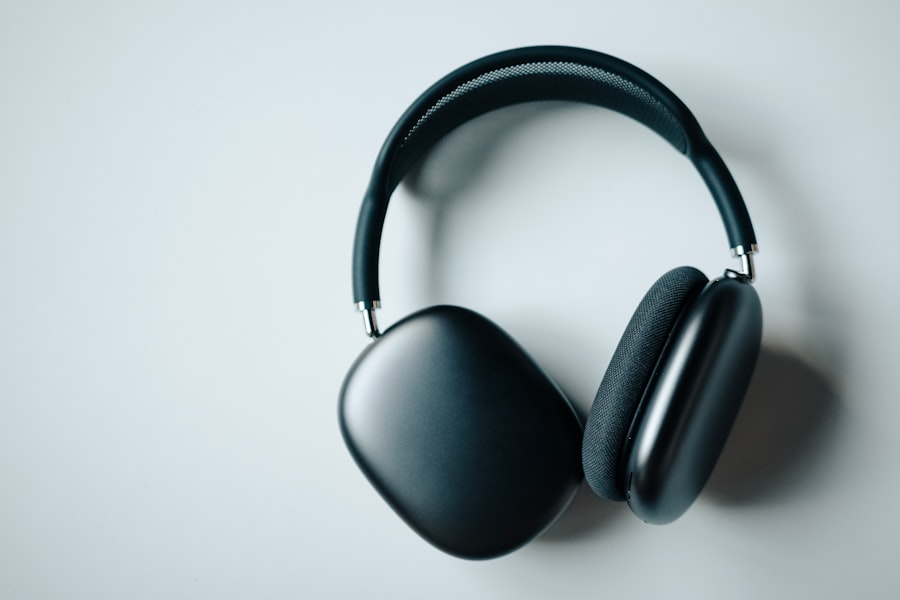
The effectiveness of your Hemi-Sync experience is a symphony, and the headphones are just one instrument.
The Audio Source
The device playing your Hemi-Sync audio matters.
Portable Devices (Smartphones, Tablets)
- Built-in DAC/Amplifier: Most smartphones and tablets have integrated Digital-to-Analog Converters (DACs) and headphone amplifiers. The quality of these components varies significantly between devices. Lower-end devices may have less powerful amps or less pristine DACs, which can limit the potential of even high-end headphones.
- Convenience: The primary advantage is portability and ease of use.
Dedicated Digital Audio Players (DAPs)
- Superior DACs and Amps: DAPs are built from the ground up for audio playback and typically feature higher-quality DACs and more powerful headphone amplifiers. This can result in cleaner, more dynamic sound reproduction.
- Unlocks Potential: If you have invested in higher impedance or more demanding headphones, a DAP can help them perform to their fullest.
Computers
- Varied Quality: Sound cards in computers also vary widely. Some high-end motherboards have decent audio, but often a dedicated external USB DAC/Amplifier will provide a significant improvement.
Headphone Amplifiers
- Unlocking Performance: As mentioned, higher impedance headphones, and even some lower impedance ones, can benefit immensely from a dedicated headphone amplifier. An amplifier provides a cleaner, more robust signal, allowing headphones to reach their full dynamic range and detail potential. This is akin to providing a strong, steady current to a light bulb; it illuminates brighter and more evenly.
The Hemi-Sync Program Itself
The quality and intent of the Hemi-Sync audio program are the core.
- Production Quality: Even with the best headphones, poor audio production will result in a subpar experience. Look for programs from reputable sources known for their high-quality sound engineering.
- Intended Use: Understand the intended purpose of the program – relaxation, focus, sleep, etc. – and choose headphones that best support that goal, whether it’s deep immersion or strict isolation.
If you’re exploring the best headphones for Hemi-Sync audio, you might find it beneficial to read a related article that delves deeper into the topic. This resource offers insights into various headphone models that enhance the experience of binaural beats and guided meditations. For more information, you can check out this informative piece on headphone recommendations that are specifically tailored for optimal Hemi-Sync listening.
Conclusion
“`html
| Headphone Model | Sound Quality | Noise Cancellation | Comfort | Price |
|---|---|---|---|---|
| Sony WH-1000XM4 | Excellent | Excellent | Very comfortable | High |
| Bose QuietComfort 35 II | Great | Excellent | Very comfortable | High |
| Sennheiser HD 660 S | Outstanding | Good | Comfortable | High |
| Audio-Technica ATH-M50x | Very good | Good | Comfortable | Medium |
“`
When selecting headphones for Hemi-Sync, your objective is clarity, accuracy, and immersion. You are seeking an auditory tool that minimizes interference and maximizes the fidelity of the carefully crafted soundscapes. Open-back designs often excel at creating a sense of spaciousness, pulling you into the experience, while closed-back options provide crucial isolation in distracting environments. Consider the driver technology, impedance, and sensitivity to ensure compatibility with your audio source, and prioritize comfort for those extended journeys into altered states of consciousness. By understanding these factors, you can choose headphones that serve as faithful guides on your Hemi-Sync voyage, helping you to unlock the full potential of the audio technology.
FAQs
What is Hemi-Sync audio?
Hemi-Sync audio is a patented audio technology developed by The Monroe Institute. It uses binaural beats to create a specific pattern of sound frequencies that can influence brainwave activity, leading to states of relaxation, focus, and enhanced learning.
Why are headphones important for Hemi-Sync audio?
Headphones are important for Hemi-Sync audio because they help to deliver the binaural beats directly to each ear, which is essential for the technology to work effectively. Using headphones ensures that the left and right hemispheres of the brain receive the specific frequencies required for the desired mental state.
What features should I look for in headphones for Hemi-Sync audio?
When choosing headphones for Hemi-Sync audio, it’s important to look for a pair that offers good sound quality, comfortable fit, and noise isolation. Additionally, headphones with a wide frequency response and balanced sound profile are ideal for accurately reproducing the binaural beats used in Hemi-Sync audio.
Are wireless headphones suitable for Hemi-Sync audio?
Yes, wireless headphones can be suitable for Hemi-Sync audio as long as they have a stable Bluetooth connection and high-quality sound reproduction. However, some users may prefer wired headphones for a more consistent and reliable audio experience.
What are some recommended headphones for Hemi-Sync audio?
Some recommended headphones for Hemi-Sync audio include models from reputable brands such as Sennheiser, Bose, Sony, and Audio-Technica. It’s important to choose headphones that are comfortable for extended use and provide accurate sound reproduction to fully experience the benefits of Hemi-Sync audio.