The modern kitchen is a busy place, and with schedules often packed to the brim, finding time for elaborate cooking can feel like a luxury. Enter the pressure cooker, a culinary superhero that transforms humble ingredients into tender, flavorful meals in a fraction of the time. This kitchen marvel harnesses the power of steam and pressure to significantly reduce cooking durations, making it ideal for busy weeknights and adventurous cooks alike. From deeply savory stews to perfectly cooked grains and even delicate desserts, the pressure cooker is a versatile tool that deserves a prime spot on any countertop. It’s a game-changer for anyone looking to save time without sacrificing taste or nutritional value. The science behind its efficiency is simple yet effective: by sealing the pot and allowing steam to build pressure, the cooking temperature rises well above the boiling point of water, accelerating the cooking process for even the toughest cuts of meat and densest vegetables. This article will explore a selection of top foods that truly shine when prepared in a pressure cooker, revealing the secrets to unlocking their full potential and simplifying meal preparation.
The Magic of Meats: Unlocking Unrivaled Tenderness
When it comes to meats, the pressure cooker is an undisputed champion, capable of transforming tough, inexpensive cuts into melt-in-your-mouth masterpieces. The high-pressure environment breaks down connective tissues and muscle fibers at an accelerated rate, resulting in unparalleled tenderness and succulence that is often difficult to achieve with conventional cooking methods. This makes it an excellent choice for busy home cooks who want to serve restaurant-quality roasts, stews, and braises without spending hours at the stove.
Fall-Off-The-Bone Ribs and Roasts
The allure of tender, succulent ribs or a perfectly cooked pot roast is undeniable. In a traditional oven, achieving this level of tenderness can take hours of slow, low cooking. However, a pressure cooker dramatically shortens this timeline. For example, a rack of pork ribs that might take three to four hours in the oven can be fall-off-the-bone tender in as little as 30-40 minutes under pressure, followed by a quick broil for that irresistible crispy exterior. Similarly, a beef chuck roast, often a tough but flavorful cut, becomes incredibly tender and shreddable in about 60-75 minutes. The pressure cooker infuses the meat with liquid, preventing it from drying out and ensuring that every bite is moist and flavorful. This is particularly beneficial for leaner cuts that might otherwise become dry and tough. The magic lies in the rapid breakdown of collagen, which turns into gelatin, contributing to that rich mouthfeel and deep flavor.
Effortless Shredded Chicken and Pork
Shredded chicken or pork is a staple in countless cuisines, forming the base for tacos, sandwiches, salads, and more. Preparing these meats for shredding traditionally involves simmering or braising for extended periods. The pressure cooker revolutionizes this process. Chicken breasts or thighs that would typically take 20-30 minutes to simmer can be perfectly cooked and easily shreddable in just 8-12 minutes. Likewise, a pork shoulder, often requiring half a day of slow cooking, can be rendered fork-tender and ready for shredding in approximately 60-90 minutes. The residual steam within the cooker continues to tenderize the meat even after the pressure is released, making it exceptionally easy to pull apart with forks. This speed and ease make last-minute meal prep significantly more manageable, allowing for the creation of flavorful shredded meats for quick weeknight dinners or batch cooking for future meals.
Deeply Flavored Stews and Braises
Stews and braises are the ultimate comfort food, but the time commitment can be daunting. The pressure cooker excels at creating deeply flavorful, slow-cooked stews and braises in a fraction of the time. Ingredients like beef, lamb, or even tougher game meats, along with vegetables and aromatic liquids, can be combined and cooked under pressure to achieve a rich, complex flavor profile in as little as 30-60 minutes, depending on the ingredients and desired tenderness. The sealed environment traps all the aromas and flavors, infusing the ingredients with each other for a truly cohesive and delicious result. This method is perfect for developing the deep, savory notes characteristic of classic stews and braises, transforming simple ingredients into a hearty and satisfying meal. The pressure cooker allows the flavors to meld and intensify in a way that mimics long, slow simmering but with remarkable efficiency.
If you’re looking to explore the best foods to cook in a pressure cooker, you might find this related article quite helpful. It provides insights into various ingredients that yield delicious results when prepared under pressure. For more information, check out the article here: What Foods Cook Best in a Pressure Cooker.
Grain and Legume Liberation: Speedy Sides and Staples
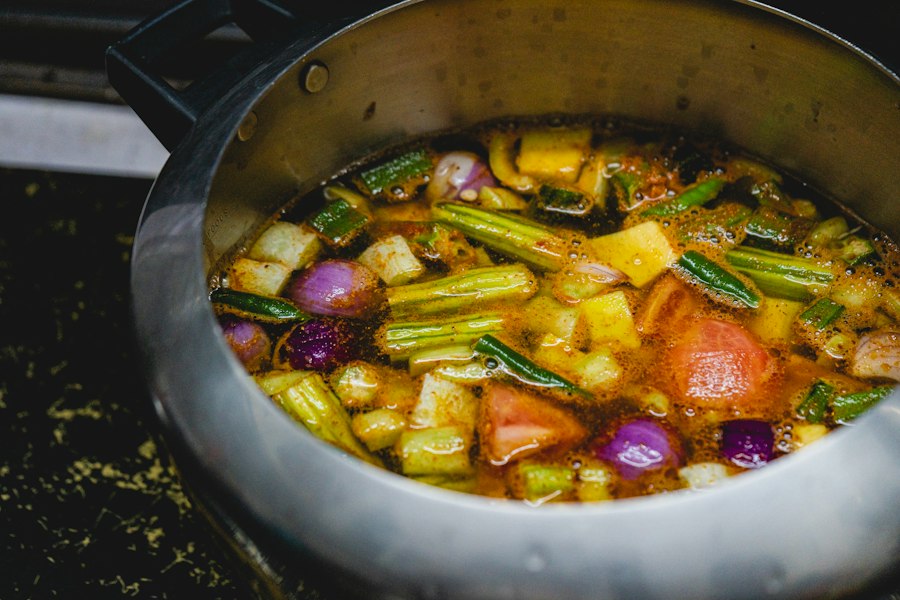
Beyond meats, the pressure cooker proves to be an invaluable tool for cooking grains and legumes, transforming long cooking times into mere minutes. This opens up a world of possibilities for quick and healthy side dishes, hearty vegetarian mains, and versatile bases for various culinary creations. The consistent heat and steam ensure that these often dense ingredients cook through evenly and thoroughly, without the risk of burning or becoming mushy, provided the correct liquid ratios are maintained.
Perfect Rice in Minutes
Rice is a global staple, and achieving perfectly cooked, fluffy rice can sometimes be a challenge. Whether it’s white, brown, or even wild rice, the pressure cooker offers a foolproof and incredibly fast method. Standard white rice, which typically takes 15-20 minutes on the stovetop, cooks to perfection in just 3-6 minutes under pressure. Brown rice, a more nutrient-dense grain with a longer cooking time, transforms from a 40-50 minute stovetop endeavor to a mere 15-20 minute pressure cooker task. The pressure ensures that the grains absorb moisture evenly, resulting in a fluffy, separated texture rather than a sticky, clumpy mess. This makes it an ideal solution for busy individuals or families who want healthy, perfectly cooked rice as a quick side dish for any meal. The consistency achieved in the pressure cooker is often superior to stovetop methods, with less chance of scorching on the bottom.
Tender Beans and Lentils, No Soaking Required
Legumes, such as beans and lentils, are nutritional powerhouses, packed with protein and fiber. However, their lengthy cooking times and the often-required overnight soaking can be a deterrent for many. The pressure cooker liberates cooks from this burden. Dried beans like kidney beans, black beans, or chickpeas, which can take hours to cook even after soaking, become tender in the pressure cooker in approximately 15-30 minutes. Even without soaking, they can be cooked thoroughly and safely. Lentils, which cook even faster, are usually done in 5-10 minutes. This drastically reduces meal preparation time, making it feasible to incorporate nutrient-rich legumes into weeknight dinners or lunches. The pressure cooker ensures that they are cooked through without becoming mushy, maintaining their integrity for salads, soups, or dips. This eliminates the need for advance planning and makes spontaneous healthy meals a reality.
Quinoa and Other Ancient Grains
Ancient grains like quinoa, farro, and barley are celebrated for their health benefits and unique textures. Their cooking times can vary, with some requiring up to 45 minutes on the stovetop. The pressure cooker significantly streamlines this process. Quinoa, which typically cooks in about 15 minutes, can be perfectly fluffy in just 1-3 minutes under pressure. Grains like farro and barley, which can take 30-45 minutes, are tender and ready in about 15-20 minutes in the pressure cooker. This makes it easier to incorporate these nutritious grains into regular meal rotation, whether as a side dish, a base for grain bowls, or an addition to soups and salads. The controlled environment of the pressure cooker helps to ensure that these grains cook evenly and absorb just the right amount of liquid for optimal texture.
Vegetables in the Spotlight: Vibrant and Quick

While often overshadowed by its prowess with meats and grains, the pressure cooker is also remarkably adept at cooking vegetables. It allows for a quick, vibrant transformation, preserving their color, nutrients, and texture in ways that steaming or boiling sometimes fail to achieve. The short cooking times prevent overcooking, which can lead to mushy and nutrient-depleted vegetables.
Steamed Vegetables with Perfect Crisp-Tender Texture
The goal with most steamed vegetables is to achieve a tender yet slightly firm texture, retaining a pleasant bite. The pressure cooker, with its rapid steam infusion, is perfect for this. Vegetables like broccoli, green beans, asparagus, and carrots can be steamed to perfection in as little as 1-3 minutes. The key is to use a minimal amount of liquid in the pot and often to place the vegetables in a steamer basket above the liquid. This method preserves their vibrant colors and crucial nutrients, offering a healthier alternative to frying or over-boiling. The quick cooking time means that vegetables are always at their peak freshness and flavor. This allows for the creation of healthy and appealing side dishes with minimal effort and time investment.
Hearty Root Vegetables Transformed
Root vegetables, such as potatoes, sweet potatoes, and beets, are dense and typically require longer cooking times. The pressure cooker significantly shortens this process. Whole potatoes, which can take 20-30 minutes to boil, are tender in 10-15 minutes under pressure. Sweet potatoes are similarly quick, often ready in 8-12 minutes. Beets, which can take an hour or more to boil, become tender in about 20-30 minutes. This makes it incredibly easy to prepare these hearty vegetables for mashing, roasting, or incorporating into salads and other dishes. The pressure cooker ensures they cook evenly from the inside out, eliminating the common issue of unevenly cooked or hard centers.
Speedy Soups and Purees
Pressure cookers are a dream for soup and puree preparation. The accelerated cooking time allows flavors to meld beautifully and vegetables to soften rapidly, creating smooth and delicious soups in a fraction of the traditional time. A vegetable soup that might simmer for an hour can be ready to blend in 15-20 minutes under pressure. This is particularly beneficial for pureed soups, where the vegetables need to be thoroughly tender before blending. The intensity of the heat and pressure helps to break down tougher ingredients, allowing for a smoother and richer final product. This makes homemade soup a viable and quick option even on the busiest of evenings. The depth of flavor achieved is often comparable to soups that have simmered for hours.
Desserts and Beyond: Unexpected Delights
The versatility of the pressure cooker extends beyond savory dishes, opening up a surprising world of sweet treats and other unexpected culinary creations. The controlled heat and moisture allow for the creation of incredibly moist cakes, custards, and even desserts that mimic slow-cooked favorites, all in a remarkably shorter timeframe.
Steamed Cakes and Cheesecakes
The moist environment within a pressure cooker is ideal for creating incredibly tender and moist cakes. Many pressure cooker recipes utilize the “pot-in-pot” method, where the cake batter is placed in a heatproof pan that is then suspended inside the pressure cooker, usually over a bed of water or trivet. This gentle, moist heat steams the cake to perfection, resulting in a delicate crumb that can be difficult to achieve with traditional baking. Cheesecakes, which can be notoriously finicky, also benefit from this steaming method, resulting in a creamy, smooth texture free from cracks. Cakes that might take 45-60 minutes to bake can be ready in 25-35 minutes under pressure.
Custards and Puddings
The gentle steaming action of the pressure cooker is perfect for delicate custards and puddings. Similar to cakes, these are often prepared using the pot-in-pot method. The controlled heat ensures that the eggs in the custard cook gently without curdling, resulting in a silky smooth texture. Puddings that require simmering for extended periods can be prepared much more quickly, with flavors deepening and ingredients tenderizing in a fraction of the time. This makes it possible to create homemade puddings and custards for desserts or breakfast with significantly less effort and waiting time. The even cooking prevents scorching and ensures a consistent texture throughout.
Flavorful Infusions and Extracts
Beyond full dishes, the pressure cooker can be used to rapidly infuse liquids with flavor, creating potent extracts or broths. For instance, vanilla beans can be infused into alcohol or sugar syrup in as little as 20-30 minutes, a process that would typically take weeks. Similarly, citrus peels or spices can be used to create flavored oils or vinegars quickly. This rapid infusion method is a time-saver for home cooks looking to add unique flavor profiles to their dishes or create homemade extracts for baking and cocktails. The pressure cooker forces the flavor molecules into the liquid more efficiently, accelerating the extraction process.
If you’re looking to explore the world of pressure cooking, you might find it helpful to read about the various foods that cook best in a pressure cooker. This method not only saves time but also enhances the flavors of your meals. For a deeper dive into the benefits and techniques of pressure cooking, check out this informative article on Freaky Science, where you can discover tips and tricks to make the most out of your pressure cooker.
Making the Most of Your Pressure Cooker: Tips for Success
| Food Type | Cooking Time (Minutes) | Texture Result | Notes |
|---|---|---|---|
| Beans (dried) | 20-30 | Soft and tender | Soak beans overnight for best results |
| Rice (white) | 5-7 | Fluffy and separate grains | Use 1:1.25 rice to water ratio |
| Rice (brown) | 20-22 | Chewy and firm | Use 1:1.5 rice to water ratio |
| Potatoes (whole) | 10-12 | Soft but holds shape | Use medium-sized potatoes for even cooking |
| Meat (beef stew) | 35-45 | Tender and juicy | Brown meat before pressure cooking for flavor |
| Chicken (bone-in pieces) | 8-10 | Moist and tender | Use natural release for best texture |
| Vegetables (root) | 5-7 | Soft but not mushy | Cut into uniform pieces for even cooking |
| Soups and stews | 15-20 | Well blended flavors | Use enough liquid to maintain pressure |
To truly unlock the potential of your pressure cooker and ensure consistently delicious results, a few key principles and practices are essential. Understanding the basics of pressure cooking, proper sealing, and release methods will significantly enhance your culinary experience and prevent common pitfalls.
Understanding Pressure Release Methods
There are typically two main ways to release pressure from a pressure cooker: natural release and quick release. Natural release involves allowing the pressure to dissipate on its own once the heat is turned off. This is ideal for meats and dishes where you want the cooking process to continue gently after the main cooking time, allowing the food to tenderize further and flavors to meld. Quick release, on the other hand, involves manually venting the steam to rapidly decrease the pressure. This is useful for vegetables and grains to prevent them from overcooking. Understanding when to use each method is crucial for achieving the desired texture and consistency for different foods.
Liquid Ratios and Cooking Times
One of the most critical aspects of pressure cooking is maintaining the correct liquid ratio. The pressure cooker requires a minimum amount of liquid to generate steam and build pressure, typically around 1 cup for most electric models. However, the exact amount will vary depending on the recipe and the ingredients. Overfilling with liquid can lead to watery results, while insufficient liquid can prevent the cooker from coming to pressure or even lead to burning. Additionally, pressure cooking times are significantly shorter than conventional methods. It’s essential to follow recipe guidelines closely, as overcooking under pressure can quickly turn food mushy. It’s often better to err on the side of undercooking slightly and then cooking for an additional minute or two if needed, as food will continue to cook for a short period even after the pressure is released.
Safety First and Essential Accessories
Safety is paramount when using a pressure cooker. Always ensure the lid is properly sealed before starting and never force the lid open if pressure is still present. Familiarize yourself with the safety features of your specific model, such as the pressure release valve. Essential accessories can also enhance your pressure cooking experience. A good quality trivet or steamer basket is vital for pot-in-pot cooking and steaming vegetables. Silicone sealing rings can absorb odors, so having a separate one for savory and sweet dishes is a good idea. Lastly, investing in a reliable pressure cooker cookbook or consulting reputable online resources can provide a wealth of inspiration and guidance for your pressure cooking adventures.

Why This Water Doesn’t Boil at 100°C
FAQs
1. What types of foods are best cooked in a pressure cooker?
Pressure cookers are ideal for cooking foods that typically require long cooking times, such as tough cuts of meat, beans, lentils, and grains. They are also great for making soups, stews, and risottos.
2. Can I cook vegetables in a pressure cooker?
Yes, vegetables can be cooked in a pressure cooker. However, it is important to be mindful of the cooking time to prevent overcooking. Quick-cooking vegetables like broccoli, carrots, and potatoes are best suited for pressure cooking.
3. Is it safe to cook seafood in a pressure cooker?
Seafood, such as fish and shrimp, can be cooked in a pressure cooker. It is important to follow recommended cooking times to avoid overcooking delicate seafood. Pressure cooking can help retain the natural flavors of seafood.
4. Can I use a pressure cooker to cook rice and pasta?
Pressure cookers are excellent for cooking rice and pasta quickly and efficiently. They can help reduce the cooking time for these staples while ensuring they are perfectly cooked and fluffy. Be sure to follow the recommended water-to-rice or pasta ratios for best results.
5. What are some desserts that can be made in a pressure cooker?
Pressure cookers are versatile appliances that can also be used to make desserts. Some popular desserts that can be made in a pressure cooker include cheesecake, rice pudding, bread pudding, and even lava cakes. The moist environment of a pressure cooker can help create rich and decadent desserts.