The Wonders of the Human Nervous System: A Fascinating Documentary
You’re watching it now. The lights are dimmed, the screen is alive with vibrant imagery, and a soothingly knowledgeable voice guides you through a landscape more intricate and astonishing than any alien world. This isn’t just another nature documentary; this is a journey into the very core of your being, a deep dive into the marvel that is your human nervous system.
The Astonishing Architecture: Building Your Inner Universe
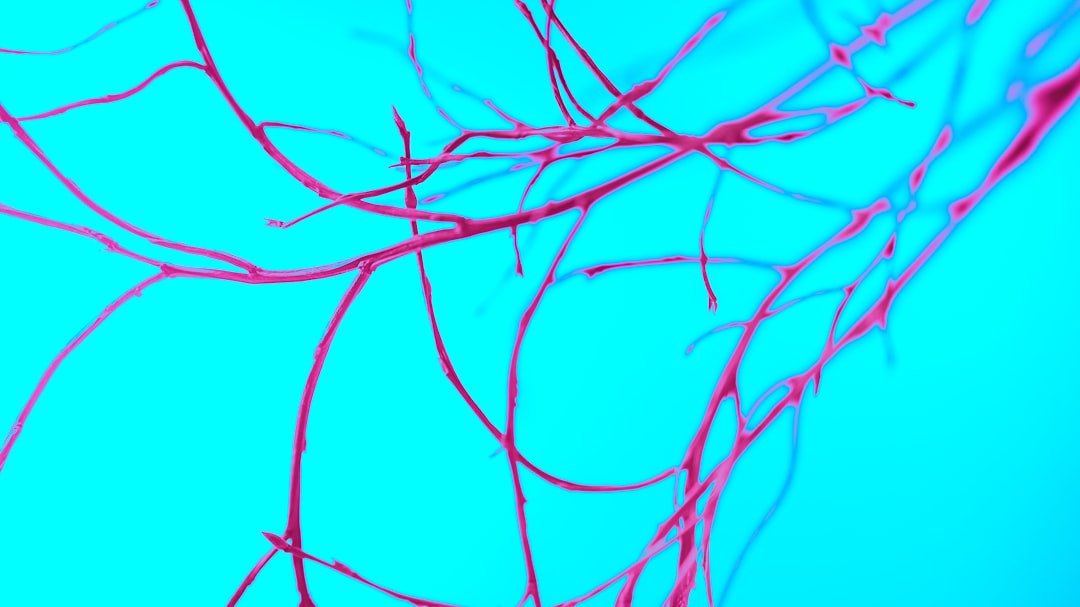
You’ve probably taken it for granted for most of your life, this immense network that allows you to think, feel, move, and experience. But as you gaze at the captivating visuals on screen, you begin to truly appreciate its breathtaking complexity. The documentary paints a vivid picture of the fundamental building blocks: neurons, those extraordinary cells that transmit signals with lightning speed. You see them depicted as not just abstract scientific entities, but as dynamic, interconnected entities, communicating with each other across synapses, a microscopic dance of electrical and chemical impulses.
The Neuron: A Biological Telegraph
You learn that each neuron is a specialized performer, equipped with dendrites that receive incoming messages and an axon that sends outgoing signals. The sheer number of these neurons, billions upon billions, forms a sprawling network that permeates every inch of your body. The documentary uses stunning CGI to illustrate the propagation of an action potential, that electrical surge that zips along the axon. It feels like witnessing the birth of a thought, the genesis of a reflex, or the initiation of a memory. You’re shown how glial cells, once considered mere support staff, are now recognized as active participants, crucial for neuronal health and function. You grasp, with renewed clarity, that these humble cells are the architects of your consciousness.
If you’re interested in learning more about the complexities of the human nervous system, you might find this related article insightful. It delves into the intricate functions and components of the nervous system, offering a deeper understanding of how it influences our daily lives. You can read more about it in this informative piece: Human Nervous System Insights.
The Spinal Cord: The Body’s Superhighway
As the documentary shifts its focus, you’re introduced to the spinal cord, a robust bundle of nerve fibers that acts as the central communication highway. Imagine it as a brilliantly designed fiber optic cable, carrying information from your brain to every limb and organ, and relaying sensory input back again. You witness the intricate protective layers of the spinal cord, the vertebral column, and the meninges, a testament to nature’s meticulous engineering. The film highlights the critical role of the spinal cord in mediating reflexes, those instantaneous, involuntary responses that can save you from harm. You see the pathways of sensory and motor neurons clearly delineated, illustrating the flow of information that allows you to react to a hot stove before you even consciously register the pain. It’s a powerful reminder of the constant, unseen activity that keeps you safe and functioning.
The Brain: The Command Center and So Much More
Then, the spotlight shifts to the undisputed star of the show: your brain. You’re presented with its remarkable three-dimensional structure, a labyrinth of folds and crevices that maximize its surface area. The documentary doesn’t just offer a static anatomical overview; it delves into the dynamic processes occurring within this extraordinary organ. You’re shown how different regions are specialized for distinct functions – the cerebral cortex for higher-level thinking, the cerebellum for motor control and coordination, and the brainstem for vital life functions like breathing and heart rate. The sheer volume of information processed per second is staggering, and the documentary effectively conveys this quantitative power with compelling analogies and visualizations. You realize that your brain isn’t a monolithic entity, but a collection of highly specialized areas working in concert, a symphony of neural activity.
Decoding the Signals: The Language of the Nervous System
You might have a general understanding of how nerves work, but this documentary takes you deeper, explaining the fascinating molecular language that neurons use to communicate. It’s a world of chemical messengers and electrical pulses, a ballet of neurotransmitters that orchestrates every aspect of your existence.
Neurotransmitters: The Chemical Messengers
The film introduces you to a cast of crucial characters: neurotransmitters. Serotonin, dopamine, acetylcholine – these aren’t just abstract scientific terms anymore. You see them as molecules that bind to receptors on neighboring neurons, triggering a response that can be excitatory or inhibitory. You learn about the delicate balance of these chemicals, and how disruptions can lead to conditions that affect mood, cognition, and behavior. The documentary uses animated sequences to show neurotransmitters being released into the synaptic cleft, diffusing across, and binding to their specific targets. It’s a beautiful illustration of the precision and complexity involved in every neural communication, from the simplest to the most profound. You might even experience a flash of insight, connecting the information on screen to your own personal experiences of emotions and mental states.
In exploring the complexities of the human nervous system, one can gain deeper insights by watching a fascinating documentary that delves into its intricate workings. For those interested in further reading, an article on Freaky Science provides an engaging overview of the nervous system’s functions and its role in overall health. You can find this informative piece by following this link, which complements the documentary beautifully and enhances your understanding of this vital system.
Action Potentials: The Electrical Spark
You also gain a clearer understanding of the electrical signals that travel along neurons. The documentary explains the concept of membrane potential and how changes in ion concentrations create the electrical gradient necessary for an action potential. You witness how this electrical impulse is generated and propagated, a wave of depolarization and repolarization that zips along the axon. The visualizations are incredibly effective, making abstract concepts tangible. You can practically feel the energy surging through these biological wires. It’s a reminder that at the most fundamental level, your thoughts and actions are driven by electricity and chemistry.
Synaptic Plasticity: The Ever-Changing Network
Perhaps one of the most mind-blowing concepts you encounter is synaptic plasticity. This is where the nervous system’s ability to adapt and change becomes truly evident. The documentary shows you how the strength of connections between neurons can be modified based on experience. This is the basis of learning and memory, the reason you can acquire new skills and recall past events. You see visual representations of synapses strengthening and weakening, forming new connections, and even pruning away old ones. It’s a dynamic, living network, constantly rewiring itself. This realization is empowering; it shows you that your brain is not a fixed entity, but a continuously evolving organism.
The Senses: Your Window to the World
Without your nervous system, your senses would be dormant, and the world would cease to exist for you. This documentary beautifully illustrates how the nervous system transforms raw sensory input into meaningful perceptions.
Sight: From Light to Perception
You’re taken on a journey through the eye, a marvel of biological engineering. The film explains how light enters your eye, how it’s focused by the lens onto the retina, and how photoreceptor cells – rods and cones – convert light into electrical signals. You see the intricate pathways that these signals take through the optic nerve to the visual cortex in your brain, where they are ultimately interpreted as images. The documentary might even show you how optical illusions work, highlighting the active role your brain plays in constructing your visual reality. You’re reminded that what you see isn’t just a passive reflection of the world, but an active interpretation.
Sound: Vibrations Become Music
The exploration of hearing is equally captivating. You observe how sound waves enter your ear canal, vibrate the eardrum, and are amplified by the tiny bones in the middle ear. The documentary then guides you into the cochlea, where these vibrations are converted into electrical signals by hair cells. You follow these signals as they travel along the auditory nerve to the auditory cortex, where they are processed into the sounds you hear. The film might even showcase the nuances of music perception, demonstrating how the brain deciphers pitch, rhythm, and melody. You gain a deeper appreciation for the sophisticated machinery involved in transforming invisible air vibrations into what you experience as sound.
Touch, Taste, and Smell: The Chemical and Mechanical Detectors
The documentary doesn’t stop at sight and sound. You also learn about the mechanoreceptors in your skin that allow you to feel pressure, texture, and temperature. You see the taste buds on your tongue and the olfactory receptors in your nose, explaining how the nervous system detects chemical compounds and translates them into the sensations of taste and smell. The interconnectedness of these senses is also highlighted, showing how smell and taste work together to create the rich experience of flavor. You realize how fortunate you are to have these senses, providing you with a constant stream of information about your immediate environment.
The Brain’s Control: Movement, Emotion, and Thought
The nervous system is not just about receiving information; it’s about acting upon it. This documentary delves into how your brain orchestrates movement, governs your emotions, and enables the very act of thinking.
Motor Control: The Precision of Movement
You witness the intricate neural pathways that control your muscles. The documentary explains how the motor cortex initiates voluntary movements, sending signals down the spinal cord to the muscles. You’re shown the role of the cerebellum in coordinating these movements, ensuring they are smooth and precise, and the basal ganglia in initiating and regulating motor activity. The film might even demonstrate the complexities of skills like playing a musical instrument or performing a complex athletic feat, highlighting the immense computational power and fine-tuning required. You marvel at the effortless grace of movement that you often take for granted, understanding the vast network of commands and feedback loops that make it possible.
The Emotional Landscape: The Limbic System
The documentary delves into the fascinating world of emotions, introducing you to the limbic system. You learn about the amygdala’s role in processing fear and pleasure, the hippocampus in memory formation, and the hypothalamus in regulating bodily functions related to emotion. The visuals here are often more abstract, depicting the ebb and flow of neurochemical activity associated with different emotional states. You might see how the nervous system primes your body for action in response to threats or rewards, the physiological changes that accompany feelings of joy, sadness, or anger. It’s a powerful reminder that your emotions are not just fleeting sentiments, but deeply rooted biological processes.
Cognition: The Seat of Consciousness
Finally, the documentary tackles the ultimate mystery: consciousness and cognition. You’re guided through the prefrontal cortex, the executive control center responsible for planning, decision-making, problem-solving, and abstract thought. The film explores the concept of neural networks and how they enable complex cognitive functions, including language processing and abstract reasoning. While the exact mechanisms of consciousness remain elusive, the documentary offers compelling insights into the neural correlates of thought, presenting the brain as the extraordinary organ that allows you to ponder the universe, create art, and reflect on your own existence. You are left with a profound sense of wonder at the sheer capacity of your own mind.
Challenges and Future Frontiers: The Ongoing Exploration
As the documentary draws to a close, it doesn’t shy away from the challenges that lie ahead in understanding and treating neurological disorders. You are presented with glimpses into the cutting edge of neurological research, offering a hopeful outlook for the future.
Neurological Disorders: When the Network Falters
The film acknowledges that despite its incredible robustness, the nervous system is susceptible to disease and injury. You might learn about conditions like Alzheimer’s, Parkinson’s, epilepsy, and stroke, and the devastating impact they have on individuals and their loved ones. The documentary uses sensitive and informative segments to explain the underlying pathology of these disorders, often linking them back to the fundamental processes you’ve learned about earlier in the film – neurotransmitter imbalances, neuronal degeneration, or disruptions in neural pathways. This section serves as a sobering reminder of the fragility of this intricate system and the importance of continued research.
The Cutting Edge: Neuroscience Tomorrow
However, the documentary concludes on an optimistic note, showcasing the incredible advancements in neuroscience. You’re introduced to technologies like fMRI and EEG, which allow researchers to observe the brain in action. You might see examples of novel therapies for neurological conditions, such as deep brain stimulation or gene therapy. The film emphasizes the collaborative nature of scientific discovery, with researchers from diverse fields working together to unravel the mysteries of the nervous system. You’re left with a sense of excitement for what the future holds, as humanity continues to push the boundaries of its understanding of this extraordinary biological frontier.
As the credits roll and you slowly return to the present, you’re left with a profound sense of awe and gratitude. This documentary hasn’t just been an educational experience; it’s been an intimate encounter with yourself. You’ve peered into the very engine of your existence, and you understand, perhaps for the first time, the true meaning of the phrase “a wonder of the world.” You realize that the most complex and fascinating universe isn’t out there among the stars, but right here, within your own incredible nervous system.

The Hidden Sense Inside Your Gut
FAQs

What is the human nervous system?
The human nervous system is a complex network of nerves and cells that transmit signals between different parts of the body. It is responsible for coordinating and controlling bodily functions and processes.
What are the main components of the human nervous system?
The human nervous system is divided into two main parts: the central nervous system (CNS), which includes the brain and spinal cord, and the peripheral nervous system (PNS), which includes all the nerves outside of the CNS.
How does the human nervous system work?
The human nervous system works by transmitting electrical signals and chemical messages between the brain, spinal cord, and the rest of the body. This allows for the coordination of movement, regulation of bodily functions, and processing of sensory information.
What are some common disorders of the human nervous system?
Some common disorders of the human nervous system include Alzheimer’s disease, Parkinson’s disease, multiple sclerosis, epilepsy, and stroke. These disorders can affect various aspects of nervous system function, leading to a range of symptoms and complications.
Are there any documentaries about the human nervous system?
Yes, there are several documentaries that explore the human nervous system, providing in-depth information about its structure, function, and the latest research and discoveries in the field of neuroscience. These documentaries often feature interviews with experts and stunning visualizations of the nervous system in action.