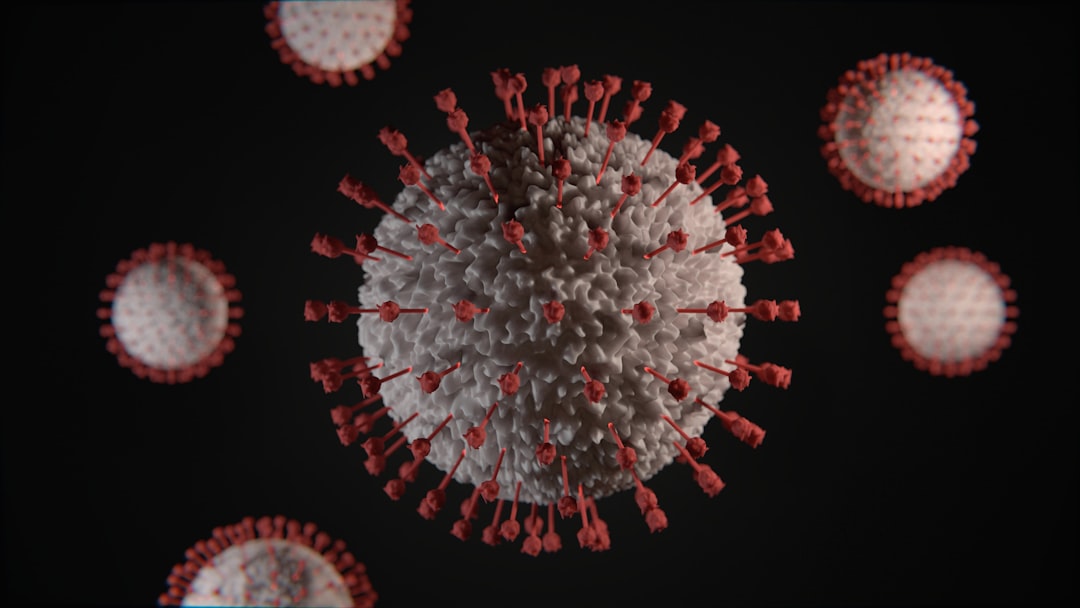
You are a universe. Not in a grand, cosmic sense, but in a microscopic one. Within the trillions of cells that constitute your being, you harbor a vast and ancient population, a hidden kingdom teeming with life, and much of this life is not of your own making. You are, in many ways, more virus than protein.
Your Inner Ecosystem: A Microbial Metropolis
It’s a concept that might unsettle you at first, this notion of being a host to a multitude of microscopic entities. Yet, the reality is that your body is a complex, dynamic ecosystem, and viruses are not merely invaders; they are integral inhabitants and often, surprisingly, essential collaborators.
The Endogenous Retroviral Legacy
You carry with you the ghosts of infections past, encoded in your very DNA. Endogenous retroviruses (ERVs) are remnants of ancient viral infections that integrated their genetic material into the germline cells of your ancestors, passing down through generations. These are not active viruses seeking to replicate and spread, but rather their genetic footprints, fossilized within your genome. For a long time, they were dismissed as evolutionary junk, evolutionary detritus. However, recent research has begun to paint a different picture, suggesting that these viral relics have been co-opted for essential biological functions.
ERVs and Placentation: A Crucial Symbiosis
One of the most profound examples of ERV utility lies in the development of the placenta. A significant portion of the human genome, estimated to be as high as 8%, is comprised of ERVs. Within this vast collection, specific ERV sequences have been found to be crucial for the formation of the placenta, the organ that sustains fetal development. Syncytins, proteins derived from ERV genes, are essential for the fusion of cells that form the syncytiotrophoblast, the outermost layer of the placenta. Without this viral contribution, mammalian reproduction as you know it would be impossible. You would not exist in your current form.
Beyond Reproduction: ERVs in Immune Regulation
The influence of ERVs extends beyond reproduction. Evidence suggests that these viral remnants also play a role in modulating your immune system. They can contribute to immune tolerance, preventing your body from attacking nascent fetal tissue, and may also be involved in calibrating responses to other pathogens. This indicates a nuanced relationship, where ancient viral incursions have been domesticated and repurposed by your evolutionary lineage. It is a testament to the adaptability of both viruses and their hosts, a continuous dance of integration and adaptation.
The Transient Viral Visitors: More Than Just Pathogens
While ERVs represent a permanent viral presence, your body is also a transient home to a multitude of other viruses. These are not always the agents of disease that the term “virus” often conjures in the popular imagination. The vast majority of viral encounters in your life are asymptomatic or even beneficial.
Bacteriophages: The Bacterial Regulators
Perhaps the most numerous viral entities you encounter are bacteriophages, or phages. These are viruses that infect bacteria, and they are incredibly diverse and abundant in your gut microbiome. Far from being harmful to you, phages are critical regulators of bacterial populations. They keep bacterial numbers in check, preventing harmful overgrowth and maintaining a healthy balance within your intestinal ecosystem.
Your Gut Microbiome: A Viral Powerhouse
Your gut is a veritable viral metropolis, and phages are its architects. They constantly patrol the vast bacterial communities within your intestines, exerting selective pressure that shapes the evolution of bacteria. This dynamic interaction is crucial for your digestive health, nutrient absorption, and even your immune system development. Without this constant viral policing, the delicate equilibrium of your gut bacteria could be disrupted, leading to a cascade of health issues. You are, in essence, a co-dependent entity with this vast viral-mediated bacterial landscape.
Phage Therapy: A Resurgent Approach
The therapeutic potential of phages is increasingly being recognized. As antibiotic resistance continues to grow, phages offer a promising alternative for treating bacterial infections. This targeted approach, where specific phages are used to eliminate problematic bacteria, leverages the natural viral mechanisms that have been co-evolving with bacteria for eons. It’s a way of working with, rather than against, these viral entities, acknowledging their power and specificity.
Viral Contributions to Immunity: A Complex Interplay
The interaction between viruses and your immune system is far more intricate than a simple predator-prey relationship. While some viruses are indeed pathogens that trigger robust immune responses, others engage in a more subtle dance, influencing and even training your immune defenses.
Training the Immune System: Viral Exposure and Tolerance
Exposure to a variety of viruses throughout your life, even those that do not cause overt illness, can play a role in shaping your immune system. This exposure helps mature your immune cells, teaching them to distinguish between harmless and harmful invaders. It’s a process of immunological education, where viral encounters contribute to the development of tolerance and effective defense mechanisms. You learn to navigate the viral world by experiencing it.
The Janus Face of Viruses: From Harm to Help
It’s important to recognize that the term “virus” is not monolithic. While some viral infections can be debilitating or fatal, many are benign or even contribute to your overall health. The distinction often lies in the specific viral species, the genetic makeup of the host, and the prevailing environmental conditions. Understanding this nuance is crucial to appreciating the viral nature of humanity for what it truly is: a complex, co-dependent existence.
In exploring the fascinating concept that humans are more virus than protein, one can delve into the intricacies of our genetic makeup and the role of viral elements in our evolution. A related article that provides further insights into this topic can be found at Freaky Science, where the interplay between human DNA and viral sequences is discussed in detail. This perspective not only challenges our understanding of what it means to be human but also highlights the significant impact that viruses have had on our biological development over millennia.
Beyond Proteins: The Viral Blueprint Within
The idea that you are “more virus than protein” is not a literal statement about biomass. It refers more to the significant genetic contributions of viruses to your biological makeup and their pervasive influence on your physiological processes.
Viral Genes Shaping Human Development
The integration of viral genetic material into your genome has had profound evolutionary consequences. These viral genes have been repurposed and have become essential components of your cellular machinery.
Essential Proteins and Pathways: Viral Origins
As mentioned with syncytins, viral genes have been co-opted to produce proteins that are vital for your survival and reproduction. These are not merely proteins you consume or synthesize; they are proteins encoded by genetic sequences that once belonged to viruses. This underscores the deep integration of viral elements into your fundamental biology. Your very ability to reproduce is, in part, a legacy of past viral infections.
The Evolutionary Arms Race: Viral Innovation Driving Host Adaptation
The continuous interaction between viruses and their hosts has been a powerful engine of evolution. Viral infections have often presented challenges that have driven the development of new host defenses and adaptations. In turn, viruses have evolved to overcome these defenses, leading to a dynamic and ongoing evolutionary arms race. You are a product of this relentless evolutionary pressure, shaped by the constant push and pull of viral pressures.
The Viral Influence on Cellular Function
The impact of viruses on your cells extends beyond the mere presence of their genetic material. They can directly influence cellular behavior, metabolic processes, and even gene expression.
Viral Hijacking: A Misunderstood Phenomenon
While the term “hijacking” often carries negative connotations, from a biological perspective, it refers to viruses utilizing cellular machinery for their own replication. However, this process can also have unintended consequences for the host cell, sometimes leading to altered functions. This unintended influence can, in some cases, be subtly beneficial, though the primary driver remains the virus’s propagation.
Cellular Communication and Signaling: Unexpected Viral Roles
Intriguing research suggests that viruses might even play a role in cellular communication and signaling pathways. Some viral proteins have been observed to interact with host signaling molecules, potentially influencing cellular responses. This is an area of active investigation, and it hints at a far more complex and nuanced role for viruses in your physiology than previously understood. You are not simply a passive recipient of viral activity.
The Microbiome: Your Extended Viral Genome
Your microbiome, the collection of all microorganisms living in and on you, is a critical component of your health. And a significant portion of this microbiome is viral.
Recent studies have suggested that humans may be more virus than protein, a concept that challenges our understanding of human biology and evolution. This intriguing idea is explored in greater detail in a related article, which discusses how viral elements have integrated into our genome over millions of years, influencing our development and functioning. For those interested in delving deeper into this fascinating topic, you can read more about it in the article found here. This perspective not only reshapes our view of what it means to be human but also highlights the complex relationship between our bodies and the myriad of viruses that inhabit them.
The Virome: A Hidden Majority
The term “virome” refers to the totality of viruses present in a particular environment, including your body. While the focus has often been on bacteria, a growing body of research highlights the immense diversity and abundance of viruses within your microbiome.
The Gut Virome: A Dynamic Community
Your gut virome, in particular, is incredibly diverse and plays a crucial role in maintaining the health of your gut ecosystem. Phages, as previously discussed, are a dominant force, but other viruses, like eukaryotic viruses that infect cellular organisms, also reside within your gut.
Viral Interactions Shaping Host Metabolism
The viruses within your microbiome, especially the phages, can indirectly influence your metabolism. By controlling bacterial populations, they affect the production of metabolites that your cells can then absorb and utilize. This intricate interplay means that viral activity in your gut has direct implications for your energy balance and nutrient processing. You are an unwitting participant in a complex viral ecology that directly impacts your physiological state.
Viral Diversity and Health Outcomes: A Correlation
Studies have begun to suggest correlations between the diversity of your virome and various health outcomes. A more diverse virome, containing a greater variety of phages and other viruses, might be associated with a healthier immune system and a reduced susceptibility to certain diseases. This further emphasizes the idea that viruses are not simply agents of disease but integral components of a healthy biological system.
The Evolutionary Significance: A Viral Partnership for Survival
The pervasive influence of viruses on your genome and your microbiome speaks to a deep, evolutionary partnership.
Co-evolution: A Symbiotic Dance
The long history of interaction between viruses and their hosts has been characterized by co-evolution. This is a process where two or more species reciprocally influence each other’s evolution. In your case, viruses have not only presented challenges but have also been integrated into your biological fabric, contributing to your development and adaptations.
Viral Innovation: Driving Host Evolution
Viruses have been a constant source of genetic innovation for your lineage. The acquisition of viral genetic material has provided new genes and pathways that have been crucial for adaptation and survival in a changing environment. You are, in a very real sense, a mosaic of viral and host-derived genetic material.
The Future of Viral Research: Understanding Our Viral Nature
Understanding the viral nature of humans is an ongoing area of scientific exploration. As researchers delve deeper into the virome and the role of endogenous retroviruses, a more complete picture of our symbiotic relationship with viruses is emerging. This knowledge has profound implications for medicine, biology, and our understanding of what it means to be human. It challenges anthropocentric views of life and highlights the interconnectedness of all living things, even those that are genetically distinct and microscopically small. The notion that you are a universe within, populated and shaped by viral forces, is not a metaphor but a biological reality.
FAQs
What does it mean for humans to be more virus than protein?
Humans are considered to be more virus than protein due to the fact that the genetic material of viruses makes up a significant portion of the human genome. In fact, viral genetic material makes up about 8% of the human genome, while protein-coding genes make up only about 1.5%.
How do viruses contribute to the human genome?
Viruses contribute to the human genome through a process called endogenization, where viral genetic material becomes integrated into the host genome. This can happen when a virus infects a germ cell (sperm or egg) and its genetic material becomes part of the host’s DNA, which can then be passed on to future generations.
What are some examples of viral genetic material in the human genome?
Examples of viral genetic material in the human genome include retroviral elements such as endogenous retroviruses (ERVs) and retrotransposons. These elements are remnants of ancient viral infections that have become part of the human genome through the process of endogenization.
What are the potential implications of humans having viral genetic material in their genome?
The presence of viral genetic material in the human genome has the potential to impact human health and evolution. Some studies suggest that viral genetic elements may play a role in regulating gene expression and immune response, while others have linked them to certain diseases and conditions.
How does the concept of humans being more virus than protein challenge our understanding of genetics and evolution?
The concept of humans being more virus than protein challenges traditional views of genetics and evolution by highlighting the significant impact that viral genetic material has had on the human genome. It suggests that our genetic makeup is more complex and intertwined with viral elements than previously thought, and raises questions about the role of viruses in shaping human biology and evolution.