You might be carrying more of the ancient past within your own genetic blueprint than you realize. For a long time, scientists believed that viral DNA found within our own genome was a mere curiosity, a historical footnote of past infections. However, recent research has begun to illuminate a far more profound and pervasive integration: a significant portion, estimated to be around 8%, of your DNA isn’t purely human. It’s viral. This isn’t about an active infection; these are dormant, ancient remnants of viruses that integrated into the DNA of your ancestors, becoming a permanent part of your heredity. This intriguing discovery, often referred to as the “viral link,” is challenging our understanding of evolution, immunity, and even what it means to be human.
The idea that parts of viruses could become embedded in our DNA might sound alarming, but it’s a natural consequence of a biological process known as endogenization. Viruses are fundamentally parasites, designed to insert their genetic material into host cells to replicate. In rare instances, if a virus infects the germline cells—the sperm and egg cells—its genetic material can be passed down to future generations. When this happens, the viral DNA becomes integrated into the host’s genome, essentially becoming a permanent part of their genetic code.
The Long History of Viral Colonization
This process, while sounding dramatic, has happened over vast stretches of evolutionary time. The viruses that have left their mark on your DNA are not the influenza or common cold viruses you might contract today. These are ancient invaders, perhaps belonging to families of retroviruses that existed millions of years ago. Your ancestors, in their encounters with these viruses, didn’t just fight them off; their very genetic material was altered. This integration wasn’t always a destructive event. In some cases, it might have offered a survival advantage, a concept we’ll explore later.
Retroviruses: The Primary Culprits
The vast majority of the viral DNA in your genome originates from retroviruses. Unlike DNA viruses, retroviruses have an RNA genome. When they infect a cell, they use an enzyme called reverse transcriptase to convert their RNA into DNA. This viral DNA can then integrate into the host cell’s DNA, becoming a provirus. If this provirus resides in a germline cell, it can be passed on to offspring. Over generations, these integrated viral sequences, known as endogenous retroviruses (ERVs), can accumulate mutations, become inactive, or even evolve new functions.
Beyond Retroviruses: Other Viral Contributions
While retroviruses are the most prominent contributors, other types of viruses may have also left their mark, albeit to a lesser extent. The exact proportion of the 8% that comes from non-retroviral sources is still an area of active research. However, the evidence strongly suggests that retroviruses have been the most successful in establishing a permanent presence within our DNA.
Recent studies have revealed that approximately 8 percent of human DNA is derived from ancient viral infections, highlighting the complex relationship between humans and viruses throughout evolution. This fascinating topic is explored in greater detail in the article “Why Your DNA Is 8 Percent Virus,” which discusses how these viral sequences have been integrated into our genetic material over millions of years and may even play a role in certain biological processes. For more insights, you can read the full article here: Why Your DNA Is 8 Percent Virus.
Unraveling the 8%: What Constitutes This Viral Legacy?
The 8% figure is a significant one. It’s not just a handful of isolated viral snippets; it represents a substantial portion of your genetic material. Understanding what this means requires looking at the types of viral elements that have integrated and how they are classified within your genome. This isn’t a random scattering; there are patterns and commonalities that suggest shared evolutionary experiences.
Endogenous Retroviruses (ERVs): The Bulk of the Load
As mentioned, ERVs are the primary components of this viral inheritance. These are sequences that originated from retroviruses but have become part of your host genome. They can exist in various forms depending on how much of the original viral genome has been retained and whether they are still capable of producing viral proteins. Many ERVs are truncated or riddled with mutations, rendering them incapable of producing infectious viral particles.
Classification of ERVs
ERVs are further classified into different “families” based on their genetic similarities. These families represent different lineages of retroviruses that infected your ancestors. Within these families, there are numerous individual ERV insertions scattered across your chromosomes. The sheer number and distribution of these elements highlight the extensive nature of viral integration throughout evolutionary history.
Other Viral Elements: A Smaller, Yet Significant Contribution
While ERVs dominate, other types of viral DNA might also be present. These could include remnants of DNA viruses or other viral genetic material that, through various mechanisms, became integrated into the host genome. The research is ongoing to fully quantify and characterize these contributions, but the focus remains largely on the impact of ERVs due to their sheer abundance.
Junk DNA? Not Entirely.
For a long time, much of this non-coding DNA, including ERVs, was dismissed as “junk DNA”—genomic sequences with no apparent function. However, the field of genomics has revealed that this perspective is overly simplistic. Many of these previously discarded sequences, including ERVs, are now understood to have acquired or retained significant biological roles, contributing to the complexity and functionality of your genome.
Beyond the Ancient Past: Functional Roles of Viral DNA
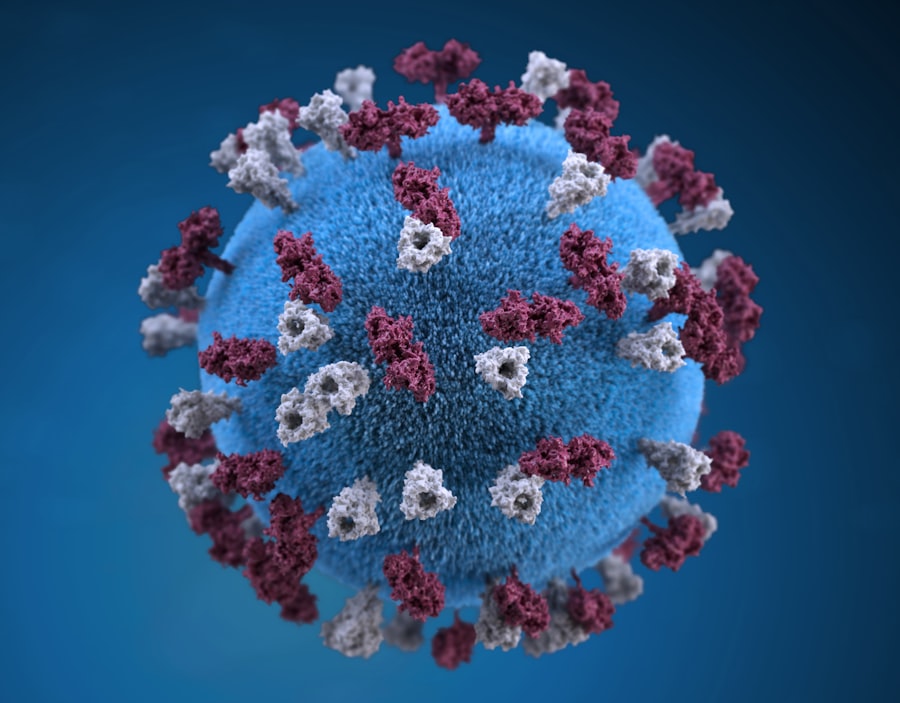
The most compelling aspect of this viral inheritance is that it’s not just inert genetic baggage. Evidence is mounting that these ancient viral sequences are actively participating in your biology, influencing gene expression, immune responses, and even playing roles in development. This transition from seeing them as relics to understanding their functional contributions is a paradigm shift in our understanding of genomics.
Gene Regulation: Orchestrating Your Genome
One of the most well-documented functions of ERVs is their ability to influence gene expression. Some ERVs contain regulatory elements, such as promoters and enhancers, that can control the activity of nearby human genes. This means that an ancient viral sequence, now dormant, can still dictate when and how much of a particular human gene is turned on or off. This can have far-reaching consequences for cellular processes and development.
Transcriptional Regulation by ERVs
Specific ERV sequences can bind to transcription factors, proteins that control gene expression. This binding can either activate or repress the transcription of adjacent genes. This mechanism allows ERVs to exert a subtle but significant influence on the overall cellular machinery, fine-tuning gene activity in a way that was likely shaped by evolutionary pressures.
Epigenetic Modifications and ERVs
ERVs can also be targets of epigenetic modifications—changes to DNA that affect gene activity without altering the underlying DNA sequence. These modifications can determine whether an ERV is active or silenced, and this, in turn, can influence the expression of surrounding human genes. This intricate interplay between viral and host epigenomes highlights the sophisticated co-evolution that has occurred.
Immune System Modulation: A Dual Role
Your immune system is constantly on guard against pathogens, including viruses. The presence of ancient viral DNA within your genome has inevitably shaped your immune system’s development and its response to infections. Interestingly, these viral remnants can play both a protective and sometimes a disruptive role.
Innate Immunity and ERVs
ERVs can be recognized by components of your innate immune system, the body’s first line of defense. This recognition can trigger inflammatory responses or activate antiviral defense pathways. In some cases, this interaction might have helped your ancestors develop more robust defenses against contemporary viral threats by providing a “training ground” for immune cells.
Syncytin: A Viral Protein Essential for Pregnancy
Perhaps one of the most striking examples of a functional ERV is the gene syncytin. This gene is derived from an ancient retroviral envelope gene and is crucial for the formation of the placenta. Syncytin mediates the fusion of specific cells in the placenta, forming a syncytium that is vital for nutrient and gas exchange between mother and fetus. Without this viral legacy, mammalian pregnancy as we know it would likely not be possible.
Brain Function and Neurological Processes
Emerging research is also hinting at a role for ERVs in brain function. Some ERVs have been found to be expressed in brain cells and may be involved in neuronal development, plasticity, and even in certain neurological conditions. The precise mechanisms are still being elucidated, but it’s a fascinating frontier in understanding the complex interplay between our viral heritage and our cognitive abilities.
ERVs in Neurodevelopment
Studies have detected ERV transcripts in the developing brain, suggesting a role in processes like neurogenesis (the formation of new neurons) and synaptogenesis (the formation of synapses, the connections between neurons). This could mean that ancient viral sequences are influencing the very architecture of your brain.
Potential Links to Neurological Disorders
There’s ongoing investigation into whether dysregulation or reactivation of certain ERVs might be linked to neurological disorders like multiple sclerosis or schizophrenia. While these are complex conditions with multifactorial causes, the viral component is a growing area of interest.
The Evolutionary Advantage: Did Viruses Make Us Better?

The integration of viral DNA into our genomes wasn’t necessarily a losing proposition. In many instances, it might have provided evolutionary advantages that allowed your ancestors to survive and thrive in challenging environments. The concept of “viral domestication,” where once-parasitic elements are repurposed for beneficial host functions, is central to this idea.
Enhanced Immunity: A Pre-emptive Strike
As discussed with syncytin, some viral elements have been co-opted for vital physiological functions. Beyond that, the constant “priming” of the immune system by dormant viral sequences might have inadvertently strengthened its ability to combat current viral infections. This presents a form of genetic immune memory, pre-existing defenses that can be quickly mobilized.
Resistance to New Infections
The theory suggests that the presence of ERVs, and the immune response they might elicit, could have conferred a degree of resistance to novel viral infections that shared some genetic similarities with the endogenous ones. This is a form of “viral cross-protection” at a genetic level.
Diversification of Immune Receptors
There’s speculation that viral elements might have contributed to the diversification of immune receptors, providing the immune system with a broader repertoire of recognition capabilities, thereby enhancing its overall effectiveness.
Adaptation to Environmental Pressures
Beyond immunity, viral DNA might have also played a role in adapting to various environmental pressures. For instance, changes in gene expression modulated by ERVs could have influenced metabolic pathways or developmental processes that were beneficial in specific ecological niches.
Stress Response Pathways
It’s plausible that ERVs could have been incorporated into stress response pathways, allowing for more rapid or efficient adaptation to environmental challenges that threatened survival.
The Trade-off: A Constant Balancing Act
It’s important to acknowledge that this integration isn’t without its potential downsides. While many ERVs are inert or beneficial, some can still be activated and potentially cause harm, leading to disruptions in gene expression or contributing to disease. The evolutionary narrative is one of a constant balancing act, where the benefits of viral integration have, on average, outweighed the risks for the success of our species.
Recent studies have revealed that approximately 8 percent of human DNA is derived from ancient viral infections, raising fascinating questions about our genetic makeup and evolution. This intriguing phenomenon highlights the complex relationship between humans and viruses, suggesting that these viral sequences may have played a significant role in shaping our genome. For a deeper understanding of this topic, you can explore an insightful article on the subject at Freaky Science, which delves into the implications of viral DNA in our genetic history.
The Future of Viral Genomics: What Lies Ahead?
| Reasons for 8% Virus DNA | Explanation |
|---|---|
| Endogenous Retroviruses | Integration of viral DNA into the human genome over evolutionary time |
| Viral Infections | Previous infections leading to viral DNA incorporation into human cells |
| Horizontal Gene Transfer | Transfer of genetic material between different species, including viruses |
The discovery of the 8% viral DNA in your genome is not the end of the story; it’s the beginning of an entirely new chapter in biological research. As our understanding of genetics and viral biology deepens, we are likely to uncover even more profound insights into the intricate relationship between viruses and their hosts.
Therapeutic Potential: Harnessing the Viral Legacy
The functional roles elucidated so far, particularly in areas like reproduction and immunity, hint at exciting therapeutic possibilities. Understanding how to manipulate or harness the power of ERVs could lead to new treatments for a range of diseases, from infertility to autoimmune disorders.
Gene Therapy Refinements
The precise control over gene expression offered by ERV regulatory elements could be leveraged for more targeted and effective gene therapies. This involves understanding how to activate or silence specific ERV sequences to achieve desired therapeutic outcomes.
Novel Antivirals
Paradoxically, studying viral DNA within our own genome might also inform the development of new antiviral strategies. Understanding how the body has historically dealt with viral invaders, and the mechanisms it has evolved, could provide blueprints for novel drug designs.
Understanding Disease Mechanisms
The ongoing research into the links between ERVs and diseases like cancer, neurological disorders, and autoimmune conditions is crucial for developing more accurate diagnostic tools and targeted treatments. This could involve identifying specific ERV activation patterns as biomarkers for disease progression.
Evolutionary Insights: Reconstructing Our Past
The study of ERVs provides a unique window into the evolutionary history of our species and others. By comparing viral insertions across different species, scientists can reconstruct ancient viral epidemics, trace evolutionary lineages, and gain a deeper understanding of the forces that have shaped life on Earth.
Phylogenomics and Viral Phylogeny
By analyzing the patterns of ERV insertions and their mutations across related species, scientists can build phylogenetic trees that reveal evolutionary relationships and the timing of viral integrations, offering a powerful tool for molecular archaeology.
The 8% of your DNA that originates from viruses is a testament to the deep and enduring dance between viruses and their hosts. It’s a reminder that even the most ancient invaders can leave an indelible mark, shaping not just our biology but, in subtle and profound ways, our very identity as humans. The ongoing exploration of this viral link promises to continue unraveling the complex tapestry of our genetic heritage and its surprising influences on our present and future.
FAQs
What does it mean that your DNA is 8 percent virus?
It means that about 8 percent of the human genome is made up of DNA from viruses that have infected our ancestors over millions of years. This viral DNA has become a permanent part of our genetic code.
How did viral DNA become part of the human genome?
Viral DNA became part of the human genome through a process called endogenization, where a virus infects a germ cell (sperm or egg) and its genetic material becomes integrated into the DNA of the host organism. Over time, these viral sequences can be passed down to future generations.
What are the potential implications of having viral DNA in our genome?
Having viral DNA in our genome may have contributed to the evolution of the human species and could potentially play a role in certain genetic diseases and conditions. It may also have provided genetic diversity and new genetic material for evolution to act upon.
Can viral DNA in our genome be harmful?
In some cases, viral DNA in our genome can lead to genetic mutations or disruptions that may contribute to the development of certain diseases or conditions. However, not all viral DNA in our genome is harmful, and some may even provide benefits to the host organism.
How does the presence of viral DNA in our genome impact our understanding of human genetics and evolution?
The presence of viral DNA in our genome challenges traditional views of human genetics and evolution, highlighting the complex and dynamic nature of our genetic makeup. It suggests that our genetic history is intertwined with that of viruses, and that viral DNA has played a significant role in shaping the human genome.