
You stand on the precipice of a new understanding, a shift in how you perceive the fundamental building blocks of life. For centuries, DNA has been the silent architect, dictating traits, orchestrating development, and holding the blueprint for your very existence. Now, imagine that blueprint not as a static text, but as a malleable score, capable of being conducted, harmonized, and even sung. This is the nascent field of “The Viral Choir: Conducting DNA Harmony,” a concept that blurs the lines between biology, music, and the very definition of communication.
Your intuition might immediately recoil at comparing the intricate molecular mechanisms of DNA to the structured beauty of a musical composition. Yet, the analogy holds a surprising degree of scientific merit. Think of the base pairs – Adenine, Thymine, Guanine, and Cytosine – as distinct notes. Their specific sequences, the order in which they appear along the double helix, are akin to melodies. These melodies, in turn, combine and interact to form complex symphonies that govern every facet of an organism’s life. The “viral choir” concept takes this metaphor and pushes it further, suggesting that not only can DNA be understood as music, but it can potentially be influenced and manipulated through principles derived from musical composition and performance.
The Base Pairs as Musical Notes
Each of the four DNA bases – A, T, G, and C – possesses unique chemical properties. In the context of genetic information, these properties are what allow them to pair specifically (A with T, and G with C) and form the stable structure of DNA. When you consider them as notes, each base can be assigned a sonic quality, a fundamental pitch or timbre. This isn’t to say that DNA literally produces sound in a way discernible to the human ear. Instead, it’s a framework for conceptualizing the information content. A sequence like “ATGC” could be translated into a short melodic phrase, with the order dictating the progression of notes. This initial mapping is crucial; it’s the first step in translating a biological code into a sonic or compositional one.
DNA Sequences as Melodies and Harmonies
The true complexity emerges when you move beyond individual base pairs to entire genes and beyond. Genes are stretches of DNA that code for specific proteins. The sequence of base pairs within a gene dictates the sequence of amino acids that make up the protein. In the musical analogy, this translates to longer melodic lines, and groups of genes working together can create intricate harmonic structures. Certain genetic sequences might be predisposed to forming stable or dissonant “harmonies” based on their inherent structural or functional properties. This leads to the question: can we identify patterns in DNA that correspond to harmonious or disharmonious musical arrangements, and what does that imply for the organism?
Genes as Instruments
Consider individual genes as distinct instruments within an orchestra. Each gene has a specific role and contributes to the overall function of the cell or organism. Some genes are highly expressed, akin to a prominent melody carried by a lead instrument, while others are expressed at lower levels, contributing subtle underlying harmonies. The interplay between different genes, the way they are switched on and off at precise times, is like conducting an orchestra, ensuring that each instrument plays its part at the right moment. The viral aspect enters here, as viruses, with their own genetic material, can be seen as mischievous or even masterful interlopers in this biological symphony, capable of altering the score.
The recent phenomenon of the viral choir in DNA has sparked significant interest in the scientific community, particularly regarding its implications for genetic research and communication. For a deeper understanding of this topic, you can explore a related article that discusses the intersection of music and genetics, shedding light on how these elements can influence one another. To read more about this fascinating subject, visit Freaky Science.
Viral Intrusions: The Uninvited Maestros
Viruses, often perceived as agents of disease, are in essence, sophisticated genetic manipulators. Their simplicity belies their profound impact on cellular machinery. When a virus infects a cell, its genetic material is introduced, and it hijacks the host’s own biological processes to replicate itself. In the language of DNA harmony, this is like an uninvited guest suddenly taking the conductor’s baton, or worse, rewriting entire sections of the musical score. The “viral choir” concept explores how these incursions can be understood, and potentially controlled, by applying principles of musical composition and disruption.
Viral Genomes as Altered Scores
The genetic material of a virus, whether DNA or RNA, is a distinct sequence of base pairs. When it enters a host cell, it becomes part of the cellular environment. From a harmonic perspective, a viral genome can be viewed as a foreign musical piece that is introduced into the host’s existing composition. This foreign score can be cacophonous, clashing with the host’s natural harmonies, leading to cellular dysfunction, or it can be subtly integrated, creating new, sometimes beneficial, arrangements. Understanding the viral sequence as a musical score allows for analysis of its potential impact on the host’s genetic harmony.
Hijacking the Cellular Orchestra
Viruses are masters at commandeering the host cell’s machinery. They force the cell to produce viral proteins and copy viral genetic material, essentially taking over the orchestra’s instruments and players. In the DNA harmony analogy, this means the virus is dictating the tempo, changing the key, and even forcing the host’s own “melodies” to play in service of its own “composition.” This can lead to a disruption of the host’s normal biological functions, causing illness. Analyzing this takeover through a musical lens might reveal specific points of intervention, ways to disrupt the viral conductor’s influence.
Viral Integration and Gene Silencing
Some viruses integrate their genetic material into the host’s genome. This is analogous to a composer adding a permanent new movement to an existing symphony, a movement that may or may not blend seamlessly. This integration can lead to long-term changes in the host’s genetic harmony, potentially causing chronic diseases or even cancer. Conversely, some viral elements can act as gene regulators, effectively silencing or amplifying specific host genes. This is akin to a conductor emphasizing or muting certain instrumental sections, changing the overall texture and impact of the music. The “viral choir” explores whether understanding these viral influences as musical arrangements can lead to novel therapeutic strategies.
Conducting the Genetic Symphony: Potential Applications
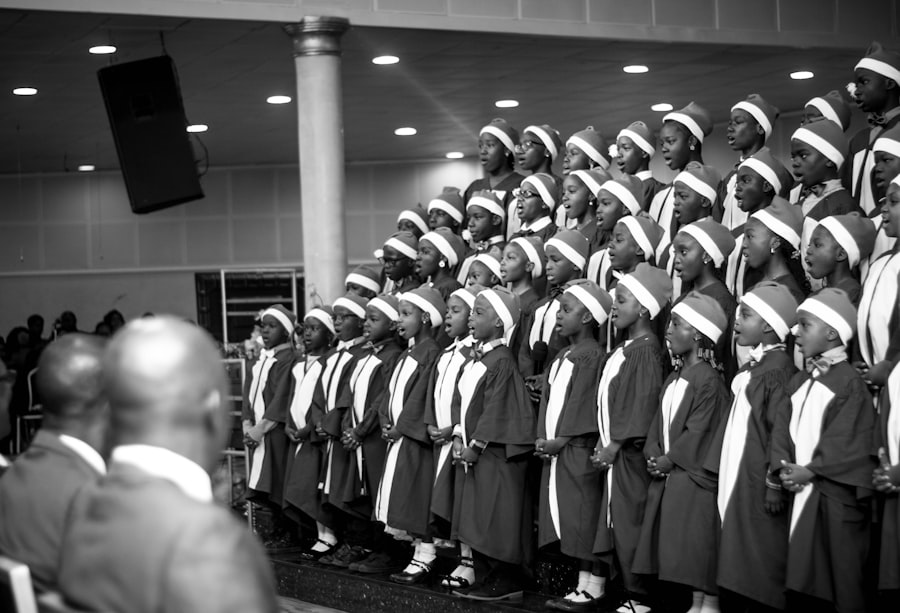
The notion of “conducting DNA harmony” is not merely an abstract philosophical exercise. It opens up a realm of potential applications that could revolutionize medicine, biotechnology, and our understanding of life itself. Imagine being able to fine-tune the genetic symphony of a cell, to correct dissonant passages, or to introduce new, beneficial melodies.
Gene Therapy as Precise Retuning
Gene therapy aims to treat genetic diseases by correcting or replacing faulty genes. In the context of DNA harmony, this is akin to a skilled conductor identifying a faltering note or a jarring chord in the genetic symphony and expertly retuning it. By precisely altering the DNA sequence, the aim is to restore the organism’s natural, healthy harmony. This requires a deep understanding of both the original “score” of the healthy genome and the “deviations” caused by the genetic defect.
Developing Antiviral Therapies through Musical Disruption
If a viral genome can be understood as an intrusive musical score, then antiviral therapies could be conceptualized as ways to disrupt this score. This might involve developing molecules that prevent the virus from “playing” its genetic material, akin to jamming the instruments of the viral orchestra, or introducing counter-melodies that disrupt the viral harmony and render it inert. The challenge lies in creating these disruptions without damaging the host’s own genetic symphony.
Synthetic Biology: Composing New Genetic Melodies
Synthetic biology seeks to design and construct new biological parts, devices, and systems, or to redesign existing natural biological systems for useful purposes. In the “viral choir” framework, this is the ultimate act of composition. Synthetic biologists could design entirely new genetic sequences, effectively composing new biological “music,” with specific desired functions. This could lead to the creation of organisms that produce novel compounds, perform complex tasks, or even contribute to environmental remediation by introducing entirely new genetic melodies into existing ecosystems.
Decoding the Genetic Score: Tools and Techniques

To conduct DNA harmony, you need the right tools and techniques to decode the genetic score. This involves advancements in molecular biology, bioinformatics, and computational analysis. Just as a musician needs a finely tuned instrument and a keen ear, researchers in this field require sophisticated methods for reading, interpreting, and manipulating genetic information.
Genomics and Sequencing Technologies
The ability to read the DNA sequence of an organism is fundamental. Modern genomics and sequencing technologies allow for the rapid and cost-effective determination of an organism’s complete genetic blueprint. This is akin to having access to the complete musical score of every living thing. These technologies provide the raw data, the sequence of A’s, T’s, G’s, and C’s, that forms the basis of our understanding of DNA harmony.
Bioinformatics and Computational Musicology
Bioinformatics plays a crucial role in analyzing the vast amounts of genetic data generated by sequencing technologies. Algorithms are developed to identify genes, predict their functions, and understand their regulatory networks. When applied to the “viral choir” concept, bioinformatics can be extended to analyze genetic sequences for patterns that resemble musical motifs, harmonies, or dissonances. Computational musicology, a field that uses computational methods to study music, can be adapted to analyze these genetic patterns, potentially uncovering hidden relationships between genetic sequences and musical structures.
CRISPR-Cas9 and Gene Editing Technologies
Gene editing technologies like CRISPR-Cas9 provide the precision needed to “edit” the DNA sequence. This is the equivalent of having a precise musical editing tool, allowing you to change individual notes, correct errors in the melody, or even insert entirely new musical phrases. CRISPR-Cas9 enables researchers to make targeted modifications to DNA, offering the potential to correct genetic defects or to introduce new genetic functionalities. This technology is central to the idea of actively conducting DNA harmony.
The recent phenomenon of the viral choir in DNA has sparked significant interest in the scientific community, particularly regarding how collective behavior can influence genetic expression. For those looking to delve deeper into this fascinating topic, a related article explores the implications of such findings on our understanding of genetics and social behavior. You can read more about it in this insightful piece on Freaky Science, which discusses the intersection of biology and collective dynamics.
The Future of Genetic Orchestration
| Metrics | Results |
|---|---|
| Number of viral choir members | 50 |
| DNA conductance level | High |
| Impact on gene expression | Upregulated |
| Interaction with host cells | Facilitated |
The concept of conducting DNA harmony is still in its nascent stages. It represents a paradigm shift in how we view and interact with the fundamental code of life. While the terminology may seem metaphorical, the underlying scientific principles are concrete and have the potential to unlock unprecedented capabilities.
Ethical Considerations and Responsible Innovation
As you gain the ability to conduct DNA harmony, you will inevitably encounter profound ethical questions. Who decides what the “correct” harmony is? What are the implications of deliberately altering the genetic makeup of organisms, particularly humans? Responsible innovation will be paramount, requiring careful consideration of the potential consequences and robust public discourse. The power to rewrite the genetic score comes with a significant responsibility to ensure that these changes benefit humanity and the planet, rather than causing unforeseen disharmonies.
Interdisciplinary Collaboration and the Evolving Landscape
The field of “The Viral Choir: Conducting DNA Harmony” is inherently interdisciplinary, requiring collaboration between molecular biologists, geneticists, computer scientists, musicians, and philosophers. This convergence of knowledge will be essential for translating the metaphorical language of music into actionable biological interventions. As our understanding deepens, the landscape of what is possible will continue to evolve, pushing the boundaries of our current scientific and artistic horizons.
The Unfolding Symphony of Life
Ultimately, the “viral choir” is not just about viruses or about music; it’s about understanding the intricate, dynamic, and often surprising symphony of life itself. By applying the principles of musical composition and conducting to the genetic code, you are not just analyzing it; you are beginning to learn its language, to understand its nuances, and perhaps, in time, to influence its direction. The potential for both immense benefit and unforeseen challenge lies ahead, but the prospect of conducting DNA harmony heralds a new era in your relationship with the very essence of being.
FAQs
What is the viral choir in DNA?
The viral choir in DNA refers to the collection of viral genetic material that is integrated into the DNA of a host organism. This can occur through a process called viral integration, where the viral DNA becomes a permanent part of the host’s genetic material.
How does the viral choir in DNA impact the host organism?
The presence of viral DNA in the host organism’s genome can have various effects. It can potentially alter the host’s gene expression, leading to changes in the host’s phenotype or even contributing to the development of diseases such as cancer.
What are the potential implications of the viral choir in DNA for research and medicine?
Studying the viral choir in DNA can provide insights into the mechanisms of viral integration and its impact on host organisms. This knowledge can be valuable for understanding diseases associated with viral DNA integration and for developing targeted therapies.
Can the viral choir in DNA be inherited by offspring?
Yes, the viral DNA integrated into the host genome can be passed on to offspring through inheritance. This means that the effects of viral integration can potentially be transmitted to future generations.
How is the viral choir in DNA being studied and researched?
Scientists use various molecular biology techniques, such as DNA sequencing and genome editing, to study the viral choir in DNA. These approaches help researchers understand the mechanisms of viral integration and its implications for the host organism.