
Your gut and brain might feel like separate entities, but they are intimately connected, communicating with each other in a constant, dynamic dialogue. You’ve likely experienced this connection firsthand: the nervous stomach before a big presentation, the butterflies when you’re smitten, or the deep sigh of contentment after a delicious meal. At the heart of this intricate communication network lies a remarkable nerve, a veritable superhighway of information: your vagus nerve.
Unveiling the Vagus Nerve: More Than Just a Tube
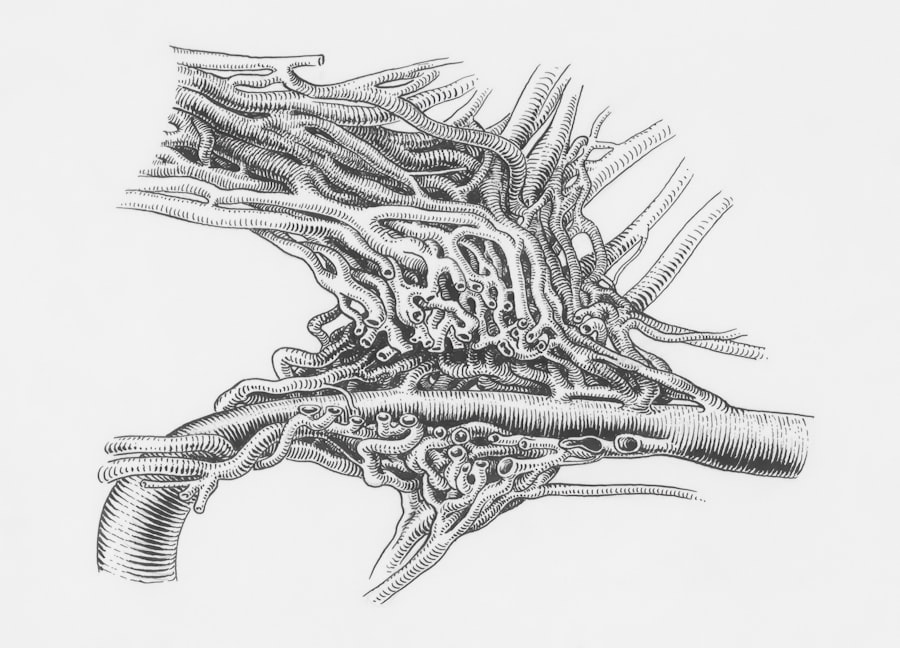
To truly understand the link between your gut and brain, you need to get acquainted with this incredible nerve. You can think of the vagus nerve as a two-way street, carrying signals from your brain to your organs and, perhaps more fascinatingly, from your organs back to your brain. This massive nerve isn’t just a simple wire; it’s a complex bundle of fibers that originates in the brainstem and branches out to reach many of your vital internal organs, including your heart, lungs, and, most crucially for this discussion, your digestive system.
A Journey Through the Vagus Nerve’s Architecture
Your vagus nerve’s structure is a marvel of biological engineering. It’s primarily composed of autonomic nerve fibers, meaning they operate outside of your conscious control, governing involuntary bodily functions. You don’t have to think about your heart beating or your stomach digesting; your vagus nerve handles that automatically.
Sensory Superhighway: Afferent Pathways
A significant portion of your vagus nerve’s fibers are efferent, which means they carry signals from your organs to your brain. These are the sensory pathways, gathering information about the state of your internal landscape. Imagine your gut as a sentient being, constantly reporting its status: “I’m full,” “I’m hungry,” “This food is delicious,” or “This food is upsetting me.” These signals are transmitted via the vagus nerve’s afferent fibers, a constant stream of data that your brain processes to orchestrate your body’s responses.
The Command Center: Efferent Pathways
On the flip side, your vagus nerve also has afferent fibers, carrying signals from your brain to your organs. These are the motor pathways, essentially the commands from your brain to your gut. When you decide to eat, your brain sends signals down the vagus nerve to initiate the digestive process. It tells your stomach to secrete digestive acids, your intestines to begin churning, and so on. This bidirectional flow ensures a coordinated and responsive digestive system.
Recent research has shed light on the fascinating connection between the vagus nerve, the gut, and the brain, highlighting how this intricate pathway influences our overall health and well-being. For a deeper understanding of this relationship, you can explore an insightful article that delves into the science behind the gut-brain axis and its implications for mental health and digestion. To read more, visit Freaky Science.
The Gut: A Second Brain, Or So It Seems
The notion of a “second brain” in your gut might sound like hyperbole, but there’s a scientific basis for it. Your gut is teeming with neurons, a complex network known as the enteric nervous system (ENS). While not a brain in the traditional sense of consciousness or executive function, the ENS is remarkably independent and handles much of the digestive process on its own. The vagus nerve acts as the primary communication link between this gut brain and your central brain.
The Enteric Nervous System: A Universe Within
You possess an astonishing number of neurons in your gut – estimates suggest around 500 million, which is more than the number in your spinal cord! This intricate network allows your gut to function largely autonomously. It controls the muscular contractions that move food through your digestive tract, the release of enzymes and hormones for digestion, and even local immune responses.
Local Control Mechanisms: The ENS at Work
The ENS is capable of carrying out complex reflex arcs entirely within the gut wall. For instance, when food enters your stomach, the ENS triggers the release of hormones and enzymes without needing direct input from your brain. This remarkable autonomy allows for swift and efficient digestion, even if your brain is otherwise occupied.
The Vagus Nerve’s Role in ENS Integration
While the ENS is semi-independent, the vagus nerve is crucial for integrating its functions with the rest of your body. It allows the gut to “talk” to the brain and vice versa, ensuring that your digestive state is considered in your overall well-being. Without these vagal connections, your gut’s actions would be largely disconnected from your brain’s perception and regulatory functions.
Decoding the Messages: How Gut and Brain Communicate
The communication between your gut and brain isn’t just about volume control; it’s about intricate signaling. The vagus nerve transmits a diverse array of information, influencing everything from your mood to your appetite. This complex interplay is crucial for maintaining homeostasis, the body’s internal balance.
Neurotransmitters: The Chemical Messengers
Both your brain and your gut utilize a common language of neurotransmitters. Serotonin, often hailed as the “happiness hormone,” is a prime example. While you might associate it with your brain’s mood regulation, a staggering amount – over 90% – is produced in your gut. The vagus nerve plays a pivotal role in transmitting these gut-produced neurotransmitters to the brain, influencing your mood, appetite, and even sleep patterns.
Gut Microbes and Neurotransmitter Production
Adding another layer of complexity, the trillions of microorganisms residing in your gut, collectively known as the gut microbiota, also play a significant role in producing neurotransmitters. These microscopic inhabitants can influence the production of serotonin, GABA (which has calming effects), and dopamine, all of which impact your brain function and emotional state. Your vagus nerve becomes the conduit for these microbial signals to reach your brain.
Inflammation and Stress Signals
Beyond neurotransmitters, the vagus nerve also carries signals related to inflammation and stress. If your gut is inflamed due to irritation or infection, the vagus nerve transmits these distress signals to the brain, which can manifest as feelings of malaise, fatigue, or even anxiety. Conversely, chronic stress can negatively impact gut health, often amplified by vagal signaling.
The Vagus Nerve’s Influence on Your Well-being
The impact of your vagus nerve extends far beyond digestion. Its intricate connections mean that a healthy vagus nerve contributes to a wide range of bodily functions and overall well-being. You can actively influence the health and tone of your vagus nerve, leading to tangible benefits.
Mood and Emotional Regulation: The Gut-Brain Axis in Action
Your gut’s emotional state is not a passive experience; it’s actively communicated to your brain. Signals transmitted via the vagus nerve can influence your mood, contributing to feelings of calm or anxiety. This is why imbalances in the gut microbiota or gut inflammation can be linked to conditions like depression and anxiety. A well-functioning vagus nerve can help to dampen stress responses and promote a more stable emotional state.
The Serotonin Connection: Mood Booster from Your Belly
As mentioned, your gut is a major producer of serotonin. The vagus nerve’s ability to transmit these serotonin signals to the brain is a key mechanism by which your gut influences your mood. When your gut is healthy and your microbiota are balanced, it can lead to more consistent and positive mood states.
Anxiety and the Gut: A Vicious (or Virtuous) Cycle
The bidirectional nature of vagal signaling means that anxiety can also impact your gut, leading to symptoms like indigestion and nausea. Conversely, a healthy gut and a well-functioning vagus nerve can act as a buffer against anxiety, promoting a sense of calm. This highlights the importance of addressing both mental and gut health for holistic well-being.
Appetite and Satiety: Knowing When You’re Full
Your vagus nerve plays a crucial role in your perception of hunger and fullness. It transmits signals from your gut to your brain, letting you know when you’ve had enough to eat. This feedback loop is essential for regulating your food intake and preventing overeating.
Hormonal Signals Transmitted Through the Vagus
Your gut releases various hormones that signal to your brain about your nutritional status. For example, hormones like leptin and ghrelin, which play a role in appetite regulation, communicate their message, in part, via the vagus nerve. This allows your brain to make informed decisions about when to eat and when to stop.
The “Gut Feeling” of Satiety
That feeling of satisfaction after a meal, the pleasant sense of fullness, is largely mediated by vagus nerve signals. It’s your gut telling your brain, “We’re good, no need for more food right now.” This intricate communication is vital for maintaining a healthy weight and preventing disordered eating patterns.
Recent studies have highlighted the fascinating connection between the gut and the brain, primarily through the vagus nerve, which plays a crucial role in transmitting signals between these two vital systems. For a deeper understanding of this intricate relationship, you can explore an insightful article that delves into the mechanisms of this connection and its implications for overall health. Check out the article here to learn more about how the vagus nerve influences our mental and physical well-being.
Enhancing Your Vagus Nerve Tone: Taking Control
The good news is that you can actively improve the health and functionality of your vagus nerve. By adopting certain lifestyle habits, you can strengthen its tone and reap the many benefits it offers. Think of it as training a muscle; the more you engage it, the stronger it becomes.
The Power of Breath: Simple Yet Profound
Deep, diaphragmatic breathing is one of the most effective ways to stimulate your vagus nerve. When you breathe deeply, you engage your diaphragm, which in turn massages your vagus nerve. This simple act can trigger the parasympathetic nervous system, your body’s “rest and digest” mode, helping to counteract the stress response.
Diaphragmatic Breathing Techniques
Practice taking slow, deep breaths, imagining your belly expanding as you inhale and contracting as you exhale. You can try counting to four as you inhale, holding for a moment, and then exhaling slowly for six counts. Consistent practice can lead to significant improvements in vagal tone.
The Mindful Breath: A Bridge to Calm
Incorporating mindful breathing into your daily routine, even for a few minutes, can have a profound impact. Focusing on the sensation of your breath can calm your nervous system and activate your vagus nerve, promoting a sense of peace and well-being.
Sound and Song: Vibrating Your Way to Health
Certain sounds and vocalizations can also stimulate the vagus nerve. Humming, singing, and gargling are all recognized methods for engaging this vital nerve. The vibrations produced by these actions can directly stimulate the vagus nerve in your throat.
The Magic of Humming
Humming, in particular, is a powerful vagus nerve stimulator. The sound resonates within your vocal cords and can create subtle vibrations that travel down the vagus nerve. Try humming for a few minutes each day; you might be surprised by the calming effect.
Singing Your Worries Away
Similarly, singing, especially in a choir or with others, has been shown to synchronize heartbeats and promote social bonding, all while stimulating the vagus nerve. The act of singing itself, with its controlled breathing and vocalizations, provides a robust vagal workout.
Cold Exposure: A Shock to the System (in a Good Way)
Brief exposure to cold can significantly increase vagal tone. This can include taking cold showers, splashing cold water on your face, or even swimming in cold water if you’re brave enough. The sudden shock of cold triggers a vagal response that can have lasting benefits.
The Cold Shower Advantage
Starting your day with a cold shower, even if it’s just for 30 seconds, can be a powerful way to activate your vagus nerve. This may feel uncomfortable at first, but the physiological response it triggers is incredibly beneficial for your nervous system.
Facial Cold Dips: A Quick Vagal Boost
If a full cold shower seems too daunting, simply splashing cold water on your face can also have a positive effect on your vagus nerve. The cold receptors on your face are linked to the vagus nerve, initiating a beneficial parasympathetic response.
The Vagus Nerve in Health and Disease: A Crucial Player
The vagus nerve’s role isn’t limited to everyday well-being; it’s a critical factor in maintaining health and can be implicated in various disease processes. Understanding its importance can highlight the significance of a balanced gut and a healthy nervous system.
Gut Disorders and the Vagus Nerve: A Bidirectional Link
Conditions like Irritable Bowel Syndrome (IBS) and Inflammatory Bowel Disease (IBD) are often associated with disruptions in the gut-brain axis, and by extension, vagal signaling. These disorders can involve altered vagal nerve function, leading to symptoms like abdominal pain, bloating, and changes in bowel habits.
Dysbiosis and Vagal Impairment
When your gut microbiota are out of balance (dysbiosis), it can negatively impact vagal signaling. This can create a vicious cycle where gut dysbiosis leads to impaired vagal function, which in turn exacerbates gut symptoms and can even influence mood and stress responses.
Vagal Neuropathy: When the Nerve Goes Awry
In some cases, the vagus nerve itself can become damaged or dysfunctional, a condition known as vagal neuropathy. This can be caused by various factors, including diabetes, viral infections, or surgery. Symptoms can range from digestive issues like gastroparesis (delayed stomach emptying) to changes in heart rate and blood pressure.
Mental Health: The Gut-Brain Connection in Focus
The growing understanding of the gut-brain axis has revolutionized how we view mental health. The vagus nerve serves as a vital bridge, connecting our digestive well-being to our emotional and psychological state.
Depression, Anxiety, and Vagal Tone
As previously discussed, a low vagal tone has been linked to increased risk of depression and anxiety. This is likely due to the impaired ability of the vagus nerve to regulate stress responses and its role in transmitting mood-influencing neurotransmitters from the gut.
Trauma and Vagal Regulation
Trauma, particularly early life trauma, can significantly impact the development and function of the vagus nerve. This can lead to difficulties in regulating emotions and stress responses later in life. Interventions aimed at improving vagal tone are increasingly being explored as therapeutic tools for trauma recovery.
Chronic Diseases and the Vagus Nerve: A Wider Impact
The influence of the vagus nerve extends to a broader spectrum of chronic diseases. Its role in modulating inflammation, heart rate variability, and immune function means that its health is intrinsically linked to overall systemic well-being.
Heart Health and Vagal Activity
Your vagus nerve plays a crucial role in regulating your heart rate. A healthy vagal tone is associated with higher heart rate variability (HRV), which is a marker of a resilient nervous system and better cardiovascular health. Low HRV has been linked to an increased risk of heart disease.
Autoimmune Conditions and Vagal Modulation
The vagus nerve has anti-inflammatory properties. It can modulate the immune system and help to dampen excessive inflammation, which is a hallmark of many autoimmune diseases. Research is exploring the potential of vagus nerve stimulation as a therapeutic approach for conditions like rheumatoid arthritis and Crohn’s disease.
Your vagus nerve is a silent orchestrator, a vital link between your gut and your brain that profoundly influences your physical and emotional health. By understanding its intricate workings and actively nurturing its tone through simple yet powerful practices, you empower yourself to cultivate a deeper sense of well-being, fostering a harmonious connection between the two most important centers of your being.

The Hidden Sense Inside Your Gut
FAQs
What is the vagus nerve?
The vagus nerve is the longest cranial nerve in the body, running from the brainstem to the abdomen. It plays a key role in regulating many bodily functions, including digestion, heart rate, and respiratory rate.
How does the vagus nerve connect the gut and brain?
The vagus nerve serves as a bidirectional communication highway between the gut and the brain. It sends signals from the gut to the brain, informing it about the state of the digestive system, and also sends signals from the brain to the gut, influencing digestion and gut function.
What is the role of the vagus nerve in gut-brain communication?
The vagus nerve helps to regulate various aspects of gut function, including the release of digestive enzymes, gut motility, and the gut’s immune response. It also plays a role in transmitting information about the gut’s state to the brain, influencing feelings of hunger, fullness, and overall well-being.
How does the vagus nerve impact mental health?
The vagus nerve is involved in the regulation of mood, stress response, and emotional well-being. Stimulation of the vagus nerve has been shown to have potential therapeutic effects for conditions such as depression, anxiety, and PTSD.
What are some ways to support vagus nerve function?
Practices such as deep breathing, meditation, yoga, and certain dietary choices have been shown to support vagus nerve function. Additionally, regular physical activity and adequate sleep can also help maintain healthy vagus nerve activity.