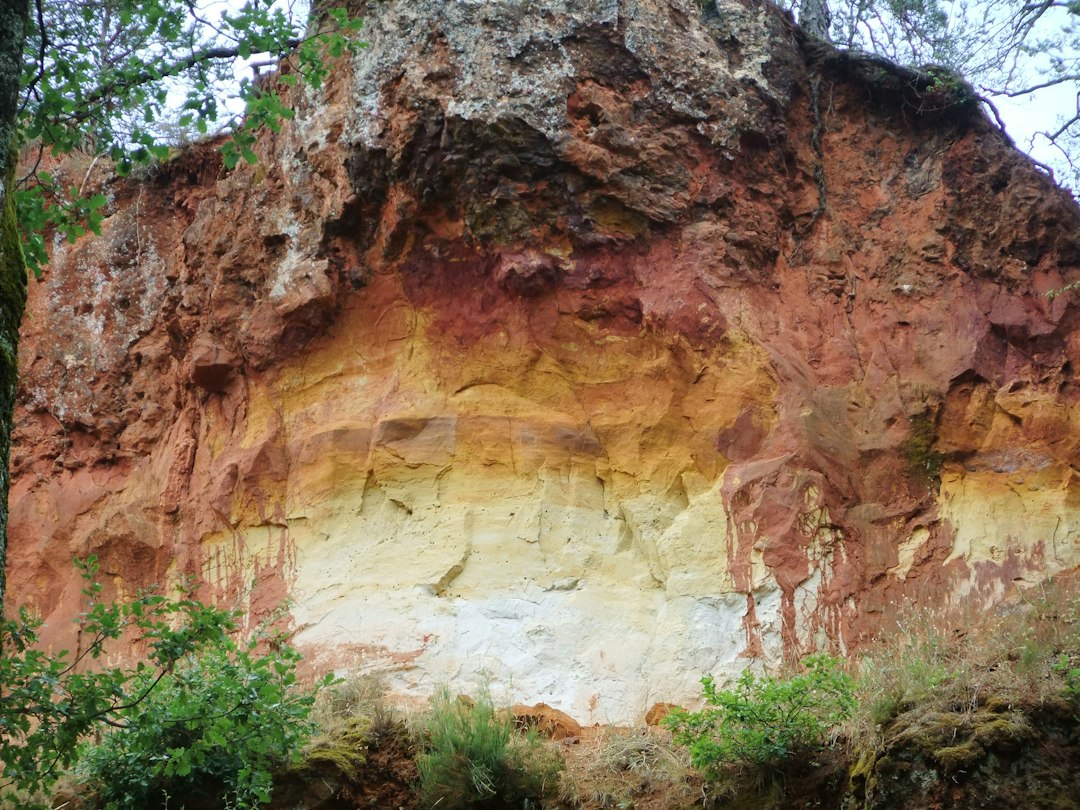
The Earth’s mantle, a vast and enigmatic layer that lies beneath the crust, has long captivated the human imagination. It is a realm of immense heat and pressure, a molten crucible where the very foundations of our planet are forged and reshaped. Yet, despite our technological advancements and insatiable curiosity, the mantle remains largely unexplored, a tantalizing mystery veiled by the solid rock of the crust. The question that echoes through scientific circles is simple, yet profound: Why can’t we reach Earth’s mantle? The answer lies not in a single obstacle, but in a formidable array of challenges that push the boundaries of our current capabilities.
The most immediate and daunting barrier to accessing the Earth’s mantle is its sheer depth. The crust, the familiar shell we inhabit, is a mere thin veneer on the Earth’s surface. Its thickness varies considerably, from about 5 kilometers beneath the oceans to an average of 35 kilometers under continents, and can even reach over 70 kilometers in mountainous regions. Beyond this relatively thin layer lies the mantle, a colossal expanse that stretches for thousands of kilometers. The upper mantle begins where the crust ends, extending down to approximately 660 kilometers. Below this lies the lower mantle, which continues all the way down to the outer core, about 2,900 kilometers from the surface. The sheer scale of this subterranean world means that any attempt to reach it requires traversing a distance that dwarfs our most ambitious terrestrial endeavors.
The Crustal Shield: A Natural Barrier
The crust itself acts as a formidable shield, a testament to the immense forces that shaped our planet. While geologists have drilled deep into the crust for resources and scientific research, these endeavors pale in comparison to the task of penetrating the mantle. The Kola Superdeep Borehole in Russia, for instance, reached a depth of just over 12 kilometers, a remarkable feat that still leaves us many kilometers short of the mantle. The cost and logistical complexities of drilling to such extreme depths are staggering, escalating exponentially with every additional kilometer.
Unfathomable Pressures: A Crushing Reality
As one descends into the Earth, the weight of the overlying rock and material exerts an ever-increasing pressure. This pressure, a direct consequence of gravity, becomes immense in the mantle. At the boundary between the crust and the upper mantle, the pressure is already in the gigapascal range (billions of Pascals), equivalent to millions of pounds per square inch. As drilling progresses deeper into the mantle, these pressures escalate to levels that would instantly crush any known material or structure not specifically engineered to withstand them. Imagine the weight of an entire mountain pressing down on a single point – that is the kind of force we are talking about.
The Quest for Materials: Engineering Under Extreme Stress
Developing materials capable of withstanding these crushing pressures is a monumental engineering challenge. Conventional drilling equipment, made of steel and other alloys, would buckle and disintegrate long before reaching significant depths within the mantle. Scientists and engineers are constantly researching and developing new super-hard alloys, ceramics, and composite materials that can endure such extreme conditions. However, even these advanced materials have their limits, and the sustained integrity of any drilling or exploration equipment under such sustained and immense stress remains a significant hurdle. The development of specialized drill bits that can penetrate extremely hard rock formations under high pressure and temperature is another area of intense research.
The quest to reach Earth’s mantle has fascinated scientists for decades, yet numerous challenges have hindered our progress. For an in-depth exploration of the scientific and technological obstacles we face in this endeavor, you can read a related article on Freaky Science. This piece delves into the extreme conditions of temperature and pressure that exist beneath the Earth’s crust, as well as the innovative drilling techniques that are being developed to overcome these barriers. To learn more, visit Freaky Science.
The Inferno Within: The Challenge of Extreme Temperatures
Beyond the crushing pressures, the Earth’s mantle is also a realm of searing heat. This internal inferno is the driving force behind much of our planet’s geological activity, from volcanic eruptions to plate tectonics. Reaching and operating within this extreme thermal environment presents another formidable set of challenges.
The Geothermal Gradient: A Steadily Rising Fever
The Earth’s temperature increases with depth, a phenomenon known as the geothermal gradient. While the surface temperature is relatively benign, it escalates rapidly as one descends. At the Moho discontinuity, the boundary between the crust and the upper mantle, temperatures can range from 500 to 1,000 degrees Celsius. As one probes deeper into the upper mantle, these temperatures can reach 1,500 degrees Celsius, and in the lower mantle, they can climb to over 4,000 degrees Celsius, approaching the surface temperature of the sun.
The Limits of Materials: Withstanding the Fiery Embrace
Just as pressure poses a threat to structural integrity, extreme heat poses a significant challenge to the materials used in any subterranean exploration. Most conventional drilling fluids, lubricants, and even the metals used in drill bits and casings would melt or degrade at such temperatures. This necessitates the development of specialized cooling systems, heat-resistant materials, and drilling techniques that can mitigate the effects of the intense heat. Imagine trying to operate sensitive electronic equipment in a furnace that reaches thousands of degrees Celsius – this is the reality of mantle exploration.
The Viscosity of the Mantle: A Slow, Molten Ocean
It is important to note that the mantle is not entirely solid rock. While the uppermost part of the mantle, the lithosphere, is rigid, deeper layers exhibit viscous behavior. This means that the mantle flows very slowly over geological timescales. This plasticity, while enabling tectonic processes, also presents a unique challenge for drilling. Drilling into a semi-molten, viscous material is vastly different from drilling into solid rock. The “mud” or magma can clog equipment, impede progress, and create a highly unpredictable drilling environment. The sheer viscosity of the mantle rock at these temperatures makes it resistant to penetration and prone to flowing around and engulfing drilling equipment.
The Inaccessibility of Samples: Gaining Direct Evidence
One of the primary goals of scientific exploration is to obtain direct samples of the material being studied. This allows for detailed analysis of its composition, structure, and properties. However, retrieving intact samples from the Earth’s mantle is an exceptionally difficult task.
The Perils of Sampling: Heat, Pressure, and State Change
The extreme conditions of the mantle pose significant challenges to sample retrieval. The high temperatures and pressures can alter the state and composition of the rock, making it difficult to ascertain its original properties. As samples are brought to the surface, they experience a drastic reduction in pressure and temperature, which can cause them to deform, fracture, or even vaporize. This “decompression sickness” of geological samples means that what is brought to the surface may not accurately represent the conditions from which it was extracted.
The Limited Reach of Current Technology: Extracting the Unobtainable
While seismology provides us with invaluable indirect information about the mantle’s structure and composition by studying seismic waves that travel through it, it does not provide direct physical samples. Our current drilling technologies, even the most advanced, are limited in their ability to reach the mantle and reliably extract samples. The engineering required to develop a tool that can penetrate, withstand the conditions, collect a sample, and then return it safely to the surface without altering its state is a monumental undertaking.
Indirect Evidence: The Power of Deduction and Inference
Despite the challenges of direct sampling, scientists have developed sophisticated methods to infer the composition and behavior of the mantle. By studying volcanic rocks that originate from the mantle, analyzing seismic data, and conducting high-pressure, high-temperature laboratory experiments that simulate mantle conditions, researchers can piece together a remarkable picture of this hidden realm. However, these indirect methods, while powerful, lack the definitive certainty that direct observation and sampling would provide.
The Technological Frontier: Pushing the Boundaries of Engineering
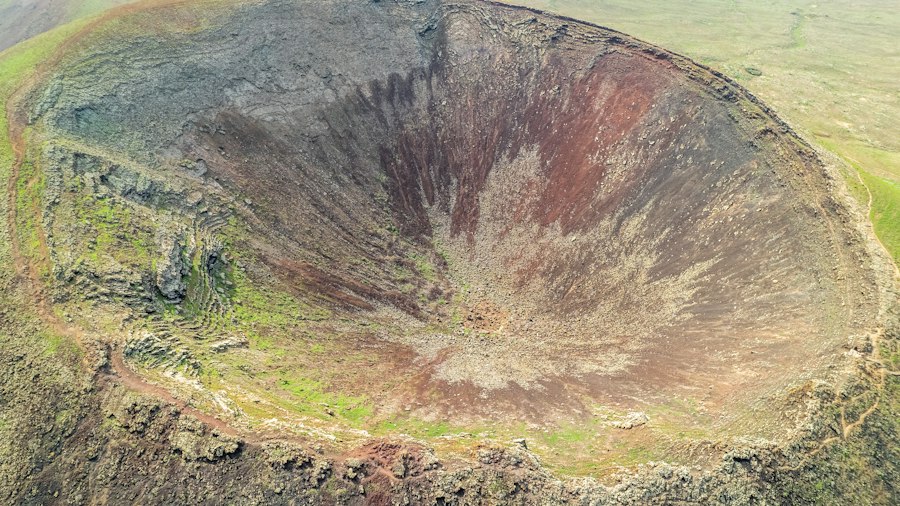
Reaching the Earth’s mantle represents a significant leap in our technological capabilities. It demands innovation across a wide range of engineering disciplines, from materials science and robotics to energy generation and subsurface navigation.
Robotics and Automation: The Future of Deep Earth Exploration
The inherent dangers of the mantle environment make human exploration an unrealistic prospect in the foreseeable future. Therefore, any successful endeavor will rely heavily on advanced robotics and automation. Developing autonomous or remotely operated vehicles (ROVs) capable of operating under immense pressure and heat, navigating complex geological formations, and performing delicate sampling tasks is a critical area of research. These robots would need to be robust, resilient, and equipped with sophisticated sensors and manipulation tools.
Energy Generation and Transmission: Powering the Deep Dive
Operating sophisticated drilling equipment and robotic systems at such depths requires a significant and reliable power source. Traditional surface-based power generation and transmission methods become impractical or impossible. Exploring novel energy solutions, such as advanced battery technologies, in-situ energy generation, or highly efficient power transmission systems, is crucial. The sheer energy required to overcome the resistance of the mantle rock and maintain the operational integrity of equipment is enormous.
Subsurface Navigation and Communication: Guiding the Way in the Dark
Navigating the Earth’s interior, especially at mantle depths, presents unique challenges for communication and guidance. Conventional GPS systems are useless underground. Developing robust subsurface navigation systems, likely relying on inertial navigation, seismic wave tracking, or other novel methods, is essential. Furthermore, establishing reliable communication channels between the surface and deep-diving equipment is critical for control, data transmission, and emergency response. The thick layers of rock act as an effective barrier to conventional radio waves.
Scientists have long been fascinated by the Earth’s mantle, yet reaching it remains an elusive goal due to the extreme conditions and technical challenges involved. The mantle lies beneath the Earth’s crust, and drilling through the crust to access it is fraught with difficulties, including high temperatures and pressures. For a deeper understanding of the challenges faced in this endeavor, you can read a related article that explores the complexities of accessing the mantle and the innovative techniques being developed to overcome these obstacles. Check it out here: related article.
The Immense Cost and Investment: A Price Tag Beyond Measure
| Factor | Description | Impact on Reaching Earth’s Mantle |
|---|---|---|
| Extreme Depth | The Earth’s mantle begins approximately 35 km below the surface under continents and about 5-10 km under oceanic crust. | Current drilling technology can only reach about 12 km, far short of the mantle boundary. |
| High Temperature | Temperatures at the mantle boundary can exceed 400°C to 1,000°C or more. | Extreme heat damages drilling equipment and makes sustained drilling difficult. |
| High Pressure | Pressure increases with depth, reaching up to 1.4 million atmospheres at the mantle boundary. | High pressure can crush drilling equipment and complicate borehole stability. |
| Rock Hardness and Composition | The mantle consists of solid but plastic ultramafic rocks like peridotite. | Hard rock requires specialized drilling tools and increases wear and tear. |
| Technological Limitations | Current drilling technology is limited by materials, cooling systems, and drill bit durability. | Limits maximum achievable depth and operational time in extreme conditions. |
| Cost and Logistics | Deep drilling projects require massive investment and complex logistics. | High costs limit the frequency and scale of deep drilling attempts. |
| Geological Instability | Drilling through tectonically active zones can cause borehole collapse or equipment loss. | Increases risk and difficulty of maintaining a stable drilling path. |
The financial investment required for any serious attempt to reach and explore the Earth’s mantle would be astronomical. The technological development, specialized equipment, extensive research, and logistical complexities all contribute to a staggering price tag.
The Economics of Deep Drilling: A Billion-Dollar Endeavor
Projects like the Kola Superdeep Borehole, while groundbreaking, were incredibly expensive. Scaling such an effort to reach the mantle would represent an order of magnitude increase in cost. The development of entirely new technologies, the construction of specialized infrastructure, and the long-term operational expenses would likely run into tens or even hundreds of billions of dollars. This raises questions about the feasibility of securing such substantial funding from governments or private entities.
Prioritizing Scientific Goals: Justifying the Investment
The scientific rewards of reaching the mantle are undoubtedly immense. Understanding the processes that drive plate tectonics, the Earth’s magnetic field, and the planet’s long-term evolution could revolutionize our understanding of Earth science. However, in a world with numerous pressing scientific and societal challenges, justifying such an enormous expenditure on a single, albeit ambitious, endeavor requires a compelling case for its scientific and potentially practical benefits.
The Role of International Collaboration: Sharing the Burden and the Rewards
Given the sheer scale of the undertaking, international collaboration would likely be essential for any future mantle exploration mission. By pooling resources, expertise, and financial contributions, multiple nations could share the burden and the potential rewards of such an endeavor. This collaborative approach could also foster greater scientific exchange and accelerate technological development. The spirit of scientific exploration, which has historically thrived on shared ambition, would be paramount.
In conclusion, the Earth’s mantle remains one of the last truly unexplored frontiers on our own planet. The formidable challenges of extreme depth, crushing pressure, searing heat, and the technical hurdles associated with material science, engineering, and resource allocation create a seemingly insurmountable barrier. Yet, the allure of unraveling the Earth’s deepest secrets continues to drive scientific inquiry. While reaching the mantle may be beyond our grasp today, the relentless pursuit of knowledge and the continuous advancement of technology suggest that one day, humanity might just find a way to peer into the unreachable depths and unlock the mysteries held within our planet’s fiery heart. The journey will be long, arduous, and undoubtedly expensive, but the potential for discovery is a powerful motivator that continues to fuel the human spirit of exploration.
We Drilled 12 KM Into Earth—Then the Rock Started Bending
FAQs
1. What is the Earth’s mantle?
The Earth’s mantle is the layer of the Earth located between the crust and the core. It is composed of solid rock that is hot and capable of flowing over long periods of time.
2. Why can’t we reach Earth’s mantle?
Reaching the Earth’s mantle is challenging due to the thickness of the Earth’s crust, which can be up to 70 kilometers thick. Additionally, extreme heat and pressure conditions make it difficult for humans to drill deep enough to access the mantle.
3. What methods have been used to study the Earth’s mantle?
Scientists have used seismic waves, volcanic eruptions, and rock samples brought to the surface by volcanic activity to study the Earth’s mantle. These methods provide valuable information about the composition and behavior of the mantle.
4. What are the main obstacles to reaching the Earth’s mantle?
The main obstacles to reaching the Earth’s mantle include the extreme heat and pressure conditions, the thickness of the Earth’s crust, and the technological limitations of drilling deep into the Earth’s surface.
5. Why is it important to study the Earth’s mantle?
Studying the Earth’s mantle is important because it can provide insights into the Earth’s geological processes, the formation of continents and oceans, and the behavior of tectonic plates. Understanding the mantle can also help scientists predict and mitigate natural disasters such as earthquakes and volcanic eruptions.