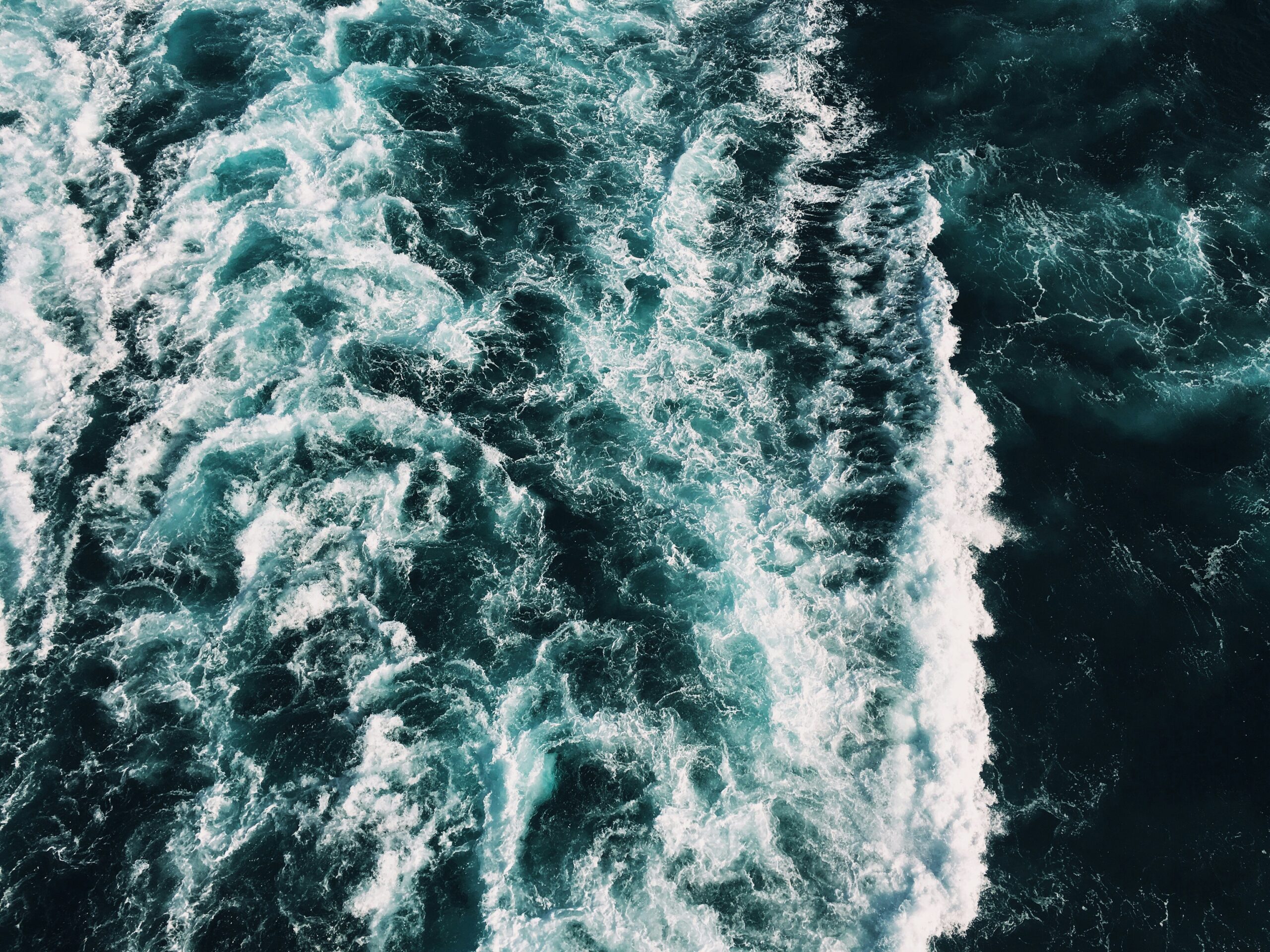
The abyss, a realm of perpetual darkness and crushing pressure, holds secrets that continue to elude even the most advanced scientific minds. The deep ocean, a vast and largely unexplored expanse, harbors an array of phenomena that challenge our understanding of life, geology, and the very nature of reality. From bioluminescent displays that rival celestial wonders to creatures that defy evolutionary logic, the deep sea remains a testament to the enduring power of mystery.
The sheer scale of the deep ocean is difficult to comprehend. It begins where sunlight ceases to penetrate, roughly 200 meters below the surface, and plunges to depths exceeding 11,000 meters in the Mariana Trench. This extreme environment is characterized by several defining factors:
The Absence of Light: A Perpetual Twilight Zone
Sunlight, the primary energy source for most of Earth’s ecosystems, is entirely absent in the deep ocean. This creates a world of perpetual darkness, where sight as we know it is irrelevant. Organisms have evolved incredible adaptations to navigate and survive in this lightless realm.
Bioluminescence: The Living Lights of the Abyss
One of the most breathtaking manifestations of life in the deep ocean is bioluminescence – the production and emission of light by living organisms. This phenomenon serves a multitude of purposes, from attracting prey and deterring predators to communication and mate attraction.
Anglerfish: The Lure of the Dark
Perhaps the most iconic example is the anglerfish, which possesses a bioluminescent lure dangling from its head. This glowing appendage mimics plankton or small fish, drawing unsuspecting prey directly into the anglerfish’s formidable jaws. The complexity of the photophores and the symbiotic bacteria responsible for this light production are still subjects of intense scientific study.
Vampire Squid: A Defensive Light Show
The vampire squid, a creature named for its dark coloration and webbed arms, utilizes bioluminescence in a unique defensive strategy. When threatened, it can eject a cloud of bioluminescent mucus, creating a dazzling and disorienting spectacle that allows it to escape into the darkness. The precise chemical reactions and evolutionary pressures that led to such sophisticated light displays remain a source of wonder.
Deep-Sea Jellyfish: Ethereal Glows
Numerous species of deep-sea jellyfish exhibit stunning bioluminescent patterns, flashing and pulsing in intricate sequences. The purpose of these displays is not always clear, but researchers speculate they are used for communication, defense, or even to stun prey. The sheer diversity of bioluminescent organisms, each with its unique light-producing capabilities, underscores the evolutionary ingenuity of life in the abyss.
The Crushing Embrace: Pressure’s Unseen Hand
The immense pressure in the deep ocean is a formidable barrier to exploration and a constant challenge for its inhabitants. For every 10 meters of depth, the pressure increases by approximately one atmosphere. At the deepest points, the pressure is over 1,000 times that at sea level, equivalent to having several elephants standing on a postage stamp.
Adapting to the Squeeze: Cellular Fortitude
Life forms that thrive in these conditions have developed extraordinary biochemical and physiological adaptations. Their cell membranes are more fluid, preventing them from collapsing under pressure. Enzymes function optimally in high-pressure environments, and their proteins are structured to withstand the immense forces exerted upon them.
Piezophiles: The Pressure Lovers
Certain bacteria, known as piezophiles or barophiles, not only tolerate but actively thrive in high-pressure environments. These microorganisms play crucial roles in deep-sea ecosystems, breaking down organic matter and contributing to nutrient cycling. Understanding their unique molecular machinery could have significant implications for industrial applications and astrobiology.
Deep-Sea Fish: Soft Bodies, Strong Wills
Unlike the robust skeletons of terrestrial animals, many deep-sea fish have gelatinous or cartilaginous bodies, which are more resilient to pressure. Their lack of swim bladders, which would collapse under such forces, also contributes to their survival. The evolutionary trade-offs that have shaped these adaptations are a testament to the relentless selective pressures of the deep sea.
The Perpetual Cold: A Chilling Existence
Temperatures in the deep ocean are consistently low, typically hovering just above freezing point, around 2-4 degrees Celsius. This frigid environment further limits the types of life that can exist and requires specialized metabolic strategies.
Cold-Blooded Survival: Slow and Steady Wins the Race
Most deep-sea creatures are ectothermic, meaning their body temperature is regulated by their environment. Their metabolic rates are significantly slower, allowing them to conserve energy in the cold and sparse conditions. This often translates to slow growth rates and long lifespans.
Giant Squids: Enigmatic Giants of the Cold
The legendary giant squid, with its colossal size and elusive nature, is a prime example of an animal adapted to the cold, dark depths. While much remains unknown about their life cycle and behavior, their physiology must be exquisitely tuned to survive the frigid waters and immense pressures of their habitat.
Recent deep ocean discoveries have left scientists puzzled, as they uncover strange and unexplained phenomena lurking beneath the waves. One such article that delves into these mysteries is available at Freaky Science, where researchers discuss bizarre underwater structures and organisms that challenge our understanding of marine biology and geology. These findings not only raise questions about the origins of life in extreme environments but also highlight the vastness of the ocean and the secrets it still holds.
The Unseen Architects: Geological Wonders of the Deep
Beyond the realm of biology, the deep ocean floor is a dynamic landscape sculpted by geological forces and harboring phenomena that continue to puzzle scientists.
Hydrothermal Vents: Oases in the Abyss
Hydrothermal vents, often referred to as “black smokers” and “white smokers,” are fissures in the Earth’s crust where superheated, mineral-rich water erupts from the seafloor. These vents create unique ecosystems teeming with life, powered by chemosynthesis rather than photosynthesis.
Chemosynthesis: Life Without Sunlight
In the absence of sunlight, specialized bacteria at hydrothermal vents harness chemical energy from the vent fluids – primarily hydrogen sulfide – to produce organic matter. These bacteria form the base of a complex food web, supporting a diverse array of organisms, including giant tube worms, mussels, and crabs.
The Tubeworm Revelation: A Symbiotic Marvel
The giant tubeworms found at hydrothermal vents are a particularly remarkable example of symbiotic life. They lack a mouth and digestive system, relying entirely on symbiotic bacteria living within their bodies to provide nourishment. These bacteria convert the hydrogen sulfide from the vent fluids into organic compounds that the worm can then utilize. The intricate relationship between these organisms is a profound illustration of evolutionary interdependence.
Extremophiles: Guardians of Ancient Life
The unique conditions at hydrothermal vents support a variety of extremophiles – organisms that thrive in extreme environments. Studying these microbes can offer insights into the origins of life on Earth and the potential for life on other planets with similar geological conditions. Their resilience and ability to survive in such harsh settings are a constant source of scientific fascination.
Recent explorations into the deep ocean have unveiled astonishing discoveries that continue to baffle scientists, highlighting the vast mysteries that still lie beneath the waves. For instance, researchers recently stumbled upon unusual bioluminescent organisms that exhibit behaviors and characteristics never before documented, prompting questions about their evolutionary adaptations. This intriguing phenomenon is just one of many that illustrate how much we have yet to learn about our planet’s depths. To delve deeper into the mysteries of the ocean, you can read more in this fascinating article on deep ocean discoveries at Freaky Science.
Seamounts: Underwater Mountains of Mystery
Seamounts are underwater mountains that rise at least 1,000 meters above the surrounding seafloor. These geological formations, often volcanic in origin, act as oases of biodiversity in the vast, open ocean.
Biodiversity Hotspots: Islands in the Deep
The varied topography and currents around seamounts create distinct habitats that attract and support a rich array of marine life. They provide a substrate for sessile organisms like corals and sponges, and attract pelagic species seeking refuge or food. Many seamounts are home to unique species found nowhere else on Earth.
Deep-Sea Corals: Ancient Architects of the Abyss
Deep-sea corals, unlike their shallow-water counterparts, do not rely on sunlight and can grow in complete darkness. They form complex, three-dimensional structures that provide habitat and shelter for a multitude of other organisms. The slow growth rates of these corals mean that some seamount ecosystems may harbor corals that are thousands of years old, offering a glimpse into past ocean conditions.
Uncharted Territories: Exploration Challenges
Despite their ecological importance, many seamounts remain largely unexplored. The challenges of reaching and studying these remote underwater mountains mean that their full biodiversity and geological significance are yet to be fully understood. Each expedition to a seamount promises the potential for new discoveries.
The Enigmatic Inhabitants: Creatures of the Unfathomable
The deep ocean is home to an astonishing array of creatures, many of which have evolved forms and behaviors that defy our everyday understanding of life.
The Abyssopelagic Zone: A Realm of Giants and Ghosts
The abyssopelagic zone, extending from 4,000 to 6,000 meters, is characterized by extreme pressure, perpetual darkness, and scarce food resources. Life here is sparse but incredibly specialized.
The Ghostly Blobfish: A Misunderstood Marvel
The blobfish, often cited as one of the world’s ugliest animals, is a prime example of a creature perfectly adapted to its high-pressure environment. In its natural deep-sea habitat, its gelatinous body is supported by the surrounding water pressure, giving it a more streamlined appearance. When brought to the surface, the rapid pressure change causes its body to lose its structure, resulting in its characteristic gelatinous appearance. Its adaptations highlight the profound influence of environmental pressures on morphology.
The Viperfish: A Predator’s Perfect Design
The viperfish, with its disproportionately large teeth and expandable stomach, is a fearsome predator of the abyss. Its needle-like teeth are so long they cannot fit entirely within its mouth, instead curving back into its throat. This adaptation ensures that once prey is captured, escape is virtually impossible. Its bioluminescent organs are also thought to play a role in attracting prey in the darkness.
The Hadal Zone: The Deepest Frontier
The hadal zone, found within oceanic trenches below 6,000 meters, represents the deepest known habitats on Earth. These extreme environments present the ultimate test of life’s resilience.
Life at the Bottom of the World: Adaptation Against All Odds
Despite the crushing pressures and complete lack of sunlight, life persists in the hadal zone. Organisms here are often small and highly specialized, with unique adaptations to survive the extreme conditions.
The Snailfish: Masters of the Trench
Certain species of snailfish have been found at record depths, demonstrating an astonishing ability to withstand immense pressures. Their physiology includes specialized proteins and cell membrane structures that prevent cellular damage. Discoveries in the hadal zone continue to push the boundaries of our understanding of life’s adaptability.
Microbial Communities: The Hidden Engine of the Trenches
Even at the deepest points, microbial communities thrive, playing a crucial role in nutrient cycling. These resilient microorganisms form the base of the food web, supporting the few larger organisms that can survive in these extreme depths. Their metabolic pathways and genetic makeup offer clues to the fundamental requirements for life.
Unexplained Phenomena: Whispers from the Deep
Beyond the known life forms and geological features, the deep ocean harbors a collection of phenomena that continue to defy scientific explanation, sparking curiosity and fueling speculation.
The Mystery of the Deep-Sea Sounds: Unheard Conversations?
The deep ocean is not silent. Scientists have recorded a multitude of unusual sounds emanating from the abyss, ranging from low-frequency rumblings to high-pitched whistles. While some of these sounds can be attributed to known sources like whale calls or seismic activity, others remain a complete enigma.
Unidentified Underwater Sounds (UUS): The Siren Song of the Abyss
A significant number of recorded underwater sounds are classified as Unidentified Underwater Sounds (UUS). These are noises that do not match any known biological or geological signature. Theories range from undiscovered marine life to unusual geological processes, and even speculation about unknown technologies.
The “Bloop” and the “Upsweep”: Echoes of the Unknown
The famous “Bloop” sound, recorded in 1997, was an extremely powerful low-frequency sound that surpassed the volume of any known animal. While later attributed to glacial ice cracking, its initial mystery captured the public imagination. Similarly, the “Upsweep” is a recurring unexplained sound that has baffled scientists for decades. The persistent nature of these unexplained sonic events suggests that the deep ocean may harbor acoustic phenomena yet to be deciphered.
Deep-Sea Anomalies: Ghostly Signals and Phantom Lights
Reports of unexplained lights, electromagnetic anomalies, and peculiar formations on the seafloor continue to emerge from deep-sea explorations. These enigmatic occurrences add to the mystique of the abyss.
Phantom Lights: Luminescence Without a Source?
There have been numerous accounts of unexplained lights observed in the deep ocean, often described as pulsing or moving in ways that do not correspond to known bioluminescent organisms or man-made submersibles. Some theories suggest unusual chemical reactions in the water, while others remain more speculative.
The Bermuda Triangle Connection: Myth or Reality?
While largely relegated to folklore, some unexplained deep-sea disappearances and anomalies have been linked, however tenuously, to areas like the Bermuda Triangle. While scientific explanations often exist for individual incidents, the persistent fascination with these “mysterious” zones highlights humanity’s enduring attraction to the unknown.
The Uncharted Territories: Vastness and Ignorance
Perhaps the greatest mystery of the deep ocean is its sheer unexplored vastness. Scientists estimate that over 80% of the ocean remains unmapped, unobserved, and unreached. Every expedition into the deep uncovers new species, new geological formations, and new questions.
The Limits of Our Knowledge: A Constant Reminder
The ongoing exploration of the deep ocean serves as a profound reminder of the limitations of our current scientific knowledge. The adaptations of its inhabitants, the geological processes at play, and the unexplained phenomena all point to a realm teeming with secrets waiting to be revealed.
The Future of Deep-Sea Exploration: A Frontier of Discovery
As technology advances, enabling deeper dives and more sophisticated sensing equipment, the secrets of the deep ocean will undoubtedly begin to unravel. However, the inherent challenges of this environment ensure that the deep sea will likely remain a frontier of discovery, inspiring awe and wonder for generations to come. The unexplainable mysteries of the deep ocean are not just scientific puzzles; they are a testament to the boundless creativity of nature and the enduring allure of the unknown.
The deep ocean, with its crushing pressures, perpetual darkness, and unique life forms, continues to be one of the last true frontiers of exploration on our planet. The mysteries that lie within its unfathomable depths challenge our scientific paradigms and ignite our imaginations, reminding us of how much of our own world remains delightfully, and profoundly, unexplained.

Scientists Found Oxygen Where It Should Be Impossible
FAQs
What is the deep ocean discovery that scientists cannot explain?
The deep ocean discovery that scientists cannot explain is the presence of mysterious, otherworldly creatures and phenomena found in the depths of the ocean.
What are some examples of these unexplained deep ocean discoveries?
Some examples of unexplained deep ocean discoveries include bizarre, never-before-seen species of marine life, strange geological formations, and inexplicable underwater sounds and phenomena.
Why are these deep ocean discoveries so puzzling to scientists?
These deep ocean discoveries are puzzling to scientists because they challenge our current understanding of marine biology, geology, and physics. The extreme conditions of the deep ocean make it difficult to study and understand these phenomena.
What are some theories about these unexplained deep ocean discoveries?
Some theories about these unexplained deep ocean discoveries include the possibility of undiscovered ecosystems, extraterrestrial origins, and the presence of ancient, prehistoric creatures that have survived in the depths of the ocean.
How are scientists working to unravel the mysteries of these deep ocean discoveries?
Scientists are working to unravel the mysteries of these deep ocean discoveries through deep-sea exploration missions, advanced technology such as remotely operated vehicles and deep-sea submersibles, and collaborative research efforts to study and analyze the data collected from the deep ocean.