
The world of feline companionship is vast and varied, and within it, white cats hold a special allure. Their striking coats often evoke images of grace, purity, and perhaps even a touch of mystery. For many potential and current owners, a significant consideration when bringing any animal into their lives is its longevity. Understanding the lifespan of a white cat, therefore, is crucial for responsible pet ownership, allowing for proper care and realistic expectations. This article delves into the factors influencing the lifespan of these beautiful felines, dispelling common myths and providing a comprehensive overview of what prospective and existing owners need to know.
Unpacking the Factors Influencing White Cat Longevity
The lifespan of any cat is not a fixed number but rather a dynamic range influenced by a confluence of genetic, environmental, and lifestyle elements. When focusing specifically on white cats, certain considerations come to the forefront. While a white coat itself is not inherently a determinant of a shorter or longer life, the genetic predispositions associated with it, particularly concerning vision and hearing, can play a significant role.
The Role of Genetics in Coat Color and Health
The gene responsible for a white coat in cats, the dominant white gene (W), masks the expression of other color genes. This means a white cat can genetically carry any other color, but it will not be visible. The fascinating, and sometimes concerning, aspect of the dominant white gene is its pleiotropic effect. Pleiotropy occurs when a single gene influences multiple phenotypic traits. In the case of the dominant white gene, it is strongly linked to a higher incidence of deafness, particularly in cats with blue eyes.
The Connection Between White Fur, Blue Eyes, and Deafness
The genetic mechanisms behind this link are complex and involve the development of melanocytes, the pigment-producing cells. In cats, melanocytes also play a crucial role in the development of the cochlea, the part of the inner ear responsible for hearing. When the dominant white gene is present, it can interfere with the migration or function of melanocytes during fetal development. If this interference affects the development of the cochlea, it can lead to sensorineural deafness. This deafness is typically congenital, meaning the cat is born with it.
Furthermore, the gene responsible for blue eyes in cats is often closely linked to the genes for white fur, especially in certain breeds. The same absence of pigment that results in a white coat can also affect the iris, leading to blue coloration. It is important to note that not all white cats are deaf, and not all white cats with blue eyes are deaf. The prevalence of deafness is significantly higher in white cats with one or two blue eyes, particularly if the blue eye is on the same side of the head as the deaf ear. Cats with white fur and green or amber eyes are far less likely to be deaf.
Environmental Influences: A Safe Haven for Felines
Beyond genetics, the environment in which a white cat lives plays a pivotal role in its overall health and longevity. A safe and stimulating environment can mitigate some of the challenges associated with potential sensory impairments and promote a higher quality of life.
Indoor vs. Outdoor Living: Navigating the Risks
The debate over indoor versus outdoor cats is perennial, and for white cats, especially those with compromised hearing or vision, the decision carries significant weight. Indoor cats are generally protected from a multitude of dangers:
- Traffic accidents: The inability to hear approaching vehicles poses a severe risk for outdoor cats.
- Predators: While domestic cats are adept hunters, they can also fall prey to larger wild animals, especially when unable to detect their approach.
- Fights with other animals: Encounters with aggressive strays or territorial cats can lead to serious injuries, infections, and the transmission of diseases.
- Exposure to parasites and diseases: Ticks, fleas, and various feline illnesses are more prevalent in outdoor environments.
- Weather extremes: Harsh weather conditions can be detrimental, especially for animals not equipped to handle them.
For a white cat with potential sensory deficits, an indoor lifestyle is overwhelmingly the safer choice, significantly increasing its potential lifespan. Providing a rich indoor environment with climbing opportunities, scratching posts, interactive toys, and regular human interaction can ensure their mental and physical well-being.
The Importance of a Stimulating Indoor Environment
Even for deaf or visually impaired white cats, a well-designed indoor space can offer a fulfilling life. Owners can adapt their environment to cater to their specific needs. This might include:
- Vibrational cues: Using a vibrating toy or tapping on the floor to get a deaf cat’s attention.
- Visual cues: Employing hand signals or flashing lights to communicate with a deaf cat.
- Safe exploration zones: Creating multi-level perches and tunnels to allow for exercise and exploration without risk.
- Gentle handling: Being mindful of a cat’s limitations and approaching them in a way that doesn’t startle them.
Lifestyle Choices: Diet, Exercise, and Veterinary Care
The daily choices made by a cat owner directly impact their pet’s health trajectory. These lifestyle elements are universal to all cats but take on an added layer of importance when considering the potential vulnerabilities of white felines.
Nutritional Needs for Optimal Health
A balanced and species-appropriate diet is the cornerstone of good feline health. This means a diet rich in animal-based proteins, with moderate fats and minimal carbohydrates. For white cats, as with all cats, proper nutrition supports:
- Immune system function: A robust immune system is vital for fighting off illness.
- Organ health: Adequate nutrients support the proper functioning of kidneys, liver, and other vital organs.
- Coat and skin health: While white cats have no pigment in their fur, a healthy coat is still a reflection of overall health.
- Energy levels: A well-fed cat has the energy to engage in play and exploration, contributing to their physical and mental well-being.
Specialized diets may be recommended by a veterinarian based on a cat’s age, activity level, and any pre-existing health conditions. For white cats, ensuring they are not overweight is also crucial, as obesity can exacerbate health issues like arthritis and diabetes, which can reduce lifespan.
The Role of Exercise and Mental Stimulation
Regular physical activity is essential for maintaining a healthy weight, preventing boredom, and promoting cardiovascular health. For white cats, this is no different. Interactive play sessions with their owners, puzzle feeders, and opportunities to explore safe spaces can all contribute to a fulfilling life. Mental stimulation is equally important, preventing cognitive decline and providing an outlet for natural feline behaviors like hunting and stalking. This is particularly relevant for deaf cats, where engaging their other senses through play can be highly beneficial.
Proactive Veterinary Care: The Key to Early Detection
Regular veterinary check-ups are paramount for any cat, but for white cats, they offer a critical opportunity for early detection of any breed-specific health issues.
- Hearing and vision tests: Veterinarians can perform basic assessments of hearing and vision, especially for kittens and cats with blue eyes.
- Dental health: Poor dental health can lead to systemic infections, impacting overall lifespan.
- Parasite prevention: Regular checks for fleas, ticks, and internal parasites are essential.
- Vaccinations: Staying up-to-date on vaccinations protects against common and serious feline diseases.
- Screening for age-related conditions: As cats age, they become susceptible to conditions like kidney disease, hyperthyroidism, and arthritis. Regular screenings can help manage these conditions effectively.
If you’re curious about the lifespan of white cats and want to explore more about their health and care, you might find this article on feline longevity particularly insightful. It discusses various factors that influence the lifespan of cats, including genetics, diet, and environmental conditions. For more information, you can read the article here: Freaky Science.
Understanding the Typical Lifespan of a White Cat
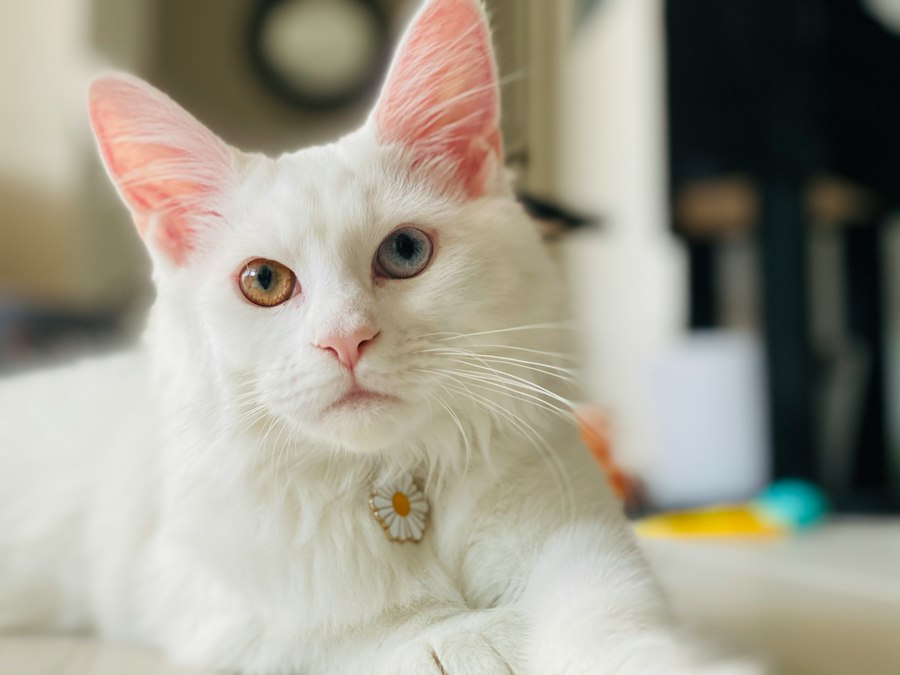
While the aforementioned factors can significantly influence an individual cat’s life, it is helpful to understand the general lifespan expectations for felines. White cats, when well-cared for, can live as long as any other cat.
The Range of Longevity: Indoor vs. Outdoor Realities
Generally, domestic cats live between 12 and 18 years, with many reaching their early 20s. However, this is a broad range, and several factors can push a cat towards the lower or higher end of this spectrum.
Indoor Cats: A Longer, Safer Journey
Indoor cats, protected from the numerous hazards of the outside world, typically enjoy a longer lifespan. It is not uncommon for well-cared-for indoor cats to live 15-20 years. For white cats, this increased safety is particularly advantageous, especially if they have any hearing or vision impairments. The reduced risk of accidents and infectious diseases allows their bodies to remain healthier for longer.
Outdoor and Indoor/Outdoor Cats: Increased Risks, Shorter Probable Lives
Cats that spend significant time outdoors, or are allowed to roam freely, face a higher probability of shorter lifespans. The average lifespan for an outdoor cat can be as low as 2-5 years due to the aforementioned risks. Even for cats that are allowed supervised outdoor access or spend only part of their time outside, their lifespan is generally reduced compared to exclusively indoor cats. This is a crucial consideration for owners of white cats, where sensory impairments could further elevate these risks.
Breed Predispositions: Beyond the White Coat
While the white coat’s genetic links to sensory issues are a primary concern, it’s also worth noting that certain cat breeds might have predispositions to specific health conditions that can impact lifespan, regardless of coat color. However, when discussing white cats, the focus often narrows to those specific genetic factors linked to their coloration.
Purebred vs. Mixed Breed: A General Overview
Purebred cats, due to selective breeding, can sometimes be prone to specific genetic health problems. However, this is not a universal rule and depends heavily on the breed. Mixed-breed cats, often referred to as “moggies” or domestic shorthairs/longhairs, tend to benefit from “hybrid vigor,” meaning they may have a broader genetic diversity, making them potentially less susceptible to certain inherited conditions. Whether a white cat is purebred or a mixed breed, its overall health and lifespan will be influenced by the same factors discussed earlier.
Addressing Common Misconceptions About White Cats

The striking appearance of white cats has, over centuries, led to a variety of myths and superstitions. It is important to distinguish these from the scientific realities of their health and lifespan.
The Myth of the Short-Lived White Cat
Perhaps the most persistent myth is that white cats inherently have shorter lifespans than cats of other colors. This is largely untrue. A cat’s lifespan is determined by its overall health, genetics, and lifestyle, not simply the color of its fur. The confusion likely stems from the higher incidence of deafness in white cats with blue eyes, which can lead to them being perceived as more vulnerable or prone to accidents, thus contributing to a shorter perceived lifespan. However, with proper care and management, deaf white cats can live long and fulfilling lives.
Superstitions and Cultural Beliefs
Throughout history and across different cultures, white cats have been associated with various beliefs, from good luck to bad luck, or even supernatural connections. These beliefs are purely cultural and have no bearing on a cat’s actual health or lifespan. For example, in some Western cultures, white cats were once associated with witchcraft, while in other cultures, they are seen as symbols of good fortune. These are fascinating anthropological insights but are irrelevant to the biological factors governing a cat’s longevity.
Caring for Your White Cat: Maximizing Health and Longevity
Providing optimal care is the most effective way to ensure your white cat lives a long, happy, and healthy life. This involves a holistic approach that addresses their physical, emotional, and medical needs.
Creating a Safe and Enriching Home Environment
As discussed, a safe indoor environment is paramount, especially for white cats with potential sensory deficits. This includes:
- Secure windows and doors: Preventing escapes.
- Hazard-proofing: Removing toxic plants and small objects that could be ingested.
- Designated safe spaces: Providing quiet areas where the cat can retreat and feel secure.
- Vertical space: Cat trees, shelves, and perches allow for climbing and surveying their territory.
- Scratching posts: Satisfying their natural need to scratch and maintaining claw health.
Tailoring Care for Sensory Impairments
If your white cat is deaf or has vision impairments, your care routine will need adjustments:
- Consistent routines: Predictability helps cats feel secure.
- Gentle approach: Always approach from the front and make your presence known with a gentle touch or vibration before picking them up.
- Visual aids: Consider using visual cues for training or communication.
- No free-roaming outdoors: This is non-negotiable for cats with significant sensory impairments.
- Regular monitoring: Be vigilant for any signs of discomfort or distress.
The Importance of Diet and Hydration
- High-quality food: Invest in a premium cat food that meets their nutritional needs.
- Fresh water: Ensure constant access to clean, fresh water. Consider a water fountain to encourage drinking.
- Portion control: Follow feeding guidelines to prevent obesity.
- Treats in moderation: Use treats for training and bonding but avoid overfeeding.
Regular Veterinary Visits and Health Monitoring
- Annual or semi-annual check-ups: Schedule regular appointments with your veterinarian.
- Prompt attention to illness: Don’t delay seeking veterinary advice if you notice any changes in your cat’s behavior, appetite, or elimination.
- Dental hygiene: Discuss dental care options with your vet, which may include dental treats or professional cleanings.
- Grooming: Regular brushing helps prevent matting, especially in long-haired white cats, and allows you to check for any skin issues or parasites.
When considering the lifespan of white cats, it’s essential to explore various factors that contribute to their longevity and health. A related article that delves into this topic can be found at Freaky Science, where you can learn about the genetics, diet, and care practices that can influence the lifespan of these beautiful felines. Understanding these aspects can help cat owners provide better care and potentially extend their pets’ lives.
The Lifespan of a White Cat: A Summary
| Metric | Details |
|---|---|
| Average Lifespan | 12 to 16 years |
| Factors Affecting Lifespan | Genetics, diet, healthcare, indoor vs outdoor living |
| Common Health Issues | Deafness (especially in white cats with blue eyes), skin cancer risk, obesity |
| Impact of Eye Color | White cats with blue eyes have higher risk of congenital deafness |
| Indoor vs Outdoor Lifespan | Indoor cats tend to live longer (up to 16 years or more) compared to outdoor cats |
| Preventive Care | Regular vet check-ups, vaccinations, balanced diet, sun protection |
In conclusion, the truth about white cat lifespan is that it is largely comparable to that of other cats, with an average range of 12 to 18 years, and many living well into their early twenties. The common misconception of a shorter lifespan is often rooted in the genetic link between white fur, blue eyes, and a higher incidence of deafness. However, this deafness, while a factor to consider in management, does not inherently shorten a cat’s life.
The most significant determinants of a white cat’s longevity are the same as for any feline: a secure and enriching environment, a balanced diet, regular exercise, mental stimulation, and proactive veterinary care. For white cats, the emphasis on a safe indoor environment is particularly crucial, especially if they have any sensory impairments. By understanding the science behind their coloration and potential genetic predispositions, and by providing consistent, loving, and informed care, owners can ensure their striking white companions enjoy a full, healthy, and long life by their side. The beauty of a white cat is not diminished by the need for specialized awareness; rather, it is enhanced by the dedicated care that allows them to truly thrive.

Which Cat Color Lives Longest? The Research Has a Twist
FAQs
What is the average lifespan of a white cat?
White cats, like all other cats, have an average lifespan of around 12 to 15 years. However, some white cats can live into their late teens or even early twenties with proper care and a healthy lifestyle.
Are there any health issues that white cats are more prone to?
White cats with blue eyes are more prone to deafness, especially if they are completely white. This is due to a genetic link between the gene that causes white fur and the gene that causes blue eyes. Additionally, white cats are more susceptible to skin cancer due to their lack of pigmentation.
How can I help prolong the lifespan of my white cat?
To help prolong the lifespan of your white cat, it is important to provide regular veterinary check-ups, a balanced diet, plenty of exercise, and a safe environment. Keeping your white cat indoors can also help protect them from potential dangers such as predators, traffic, and exposure to harmful UV rays.
Do white cats require any special grooming or care compared to other cats?
White cats may require more frequent grooming to keep their fur clean and free of stains. Regular brushing can help prevent matting and reduce shedding. Additionally, white cats with pink skin are more susceptible to sunburn, so it is important to provide them with shade or sunscreen if they spend time outdoors.
What are some signs that my white cat may be experiencing health issues?
Some signs that your white cat may be experiencing health issues include changes in appetite, weight loss, lethargy, vomiting, diarrhea, difficulty breathing, and changes in behavior. If you notice any of these signs, it is important to consult with a veterinarian for a proper diagnosis and treatment.