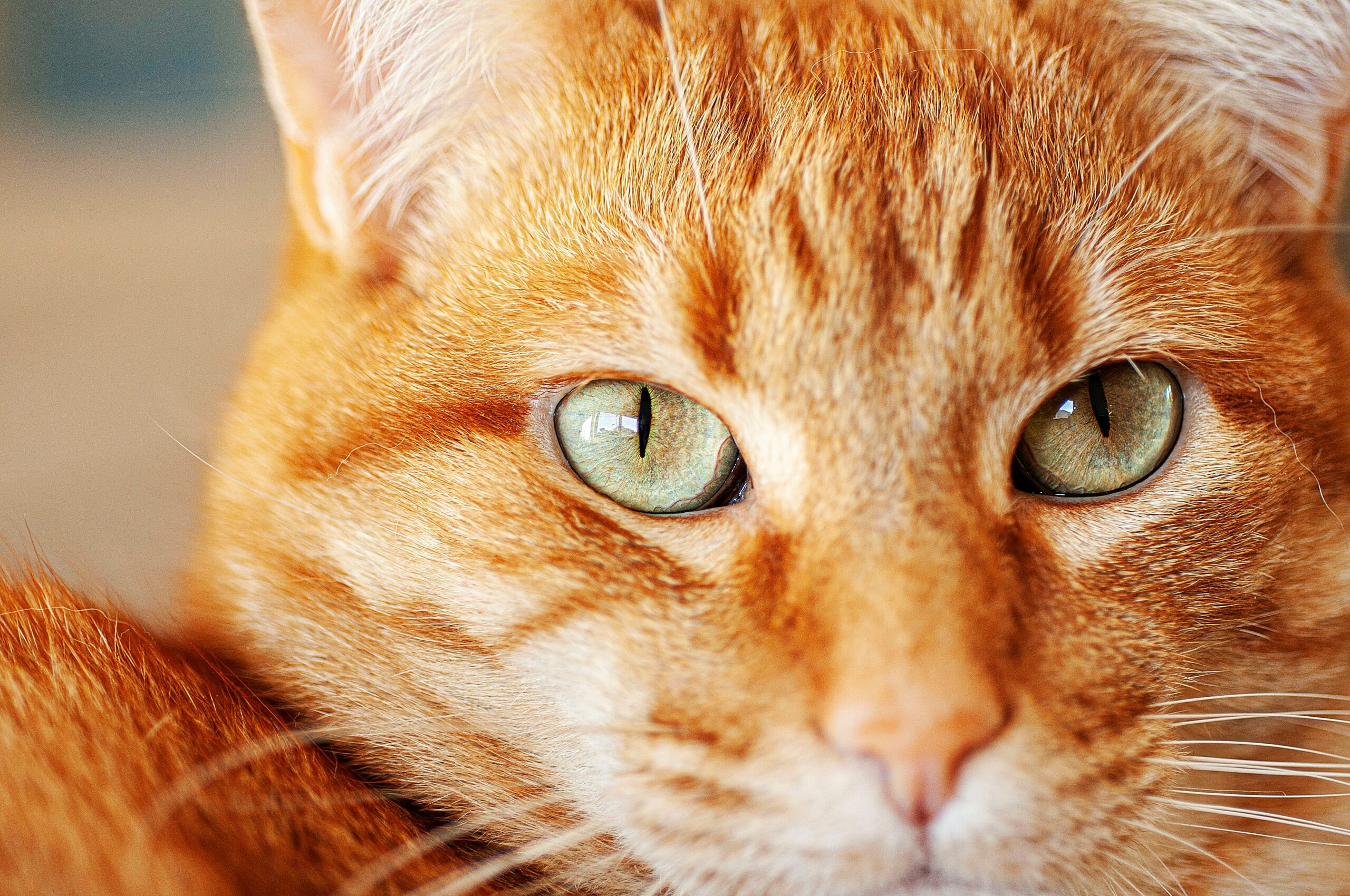
The world of feline companionship is often awash in vibrant colors and fascinating genetics. Among the most beloved and recognizable are the ginger, marmalade, or orange cats. These sunny-hued felines have a special place in many hearts, and with their presence comes a common question: what is the truth about their lifespan? Many owners wonder if their fiery friends are destined for a shorter or longer journey than their more subtly colored counterparts. This article delves into the fascinating science and anecdotal evidence surrounding orange cat longevity, separating fact from fiction to provide a comprehensive understanding for any devoted cat parent.
The Genetics of Orange Fur and Its Potential Lifespan Implications
The distinctive orange coloration in cats is a result of a specific gene located on the X chromosome. This gene, known as the O gene, controls the production of pheomelanin, the pigment responsible for red and yellow hues. Both male and female cats can have orange fur, but the genetics behind it influence their prevalence and potentially their health.
Understanding X-Chromosome Genetics
The inheritance of the orange coat color is sex-linked. Females have two X chromosomes (XX), while males have one X and one Y chromosome (XY). For a female cat to be orange, she must inherit the orange gene on both of her X chromosomes. This means that both of her parents must carry the orange gene. If a female cat has one orange gene and one non-orange gene, she will likely be a tortoiseshell or calico, displaying patches of orange along with other colors.
Male cats, with only one X chromosome, only need to inherit the orange gene on that single X chromosome to be orange. This makes orange males significantly more common than orange females. The ratio is often cited as roughly 80% male to 20% female. This genetic prevalence is a foundational aspect of understanding any potential differences in lifespan, as it points to a larger population of males within the “orange cat” demographic.
The Link Between Coat Color and Health
While the genes responsible for coat color are fascinating, the question of whether they directly impact lifespan is more complex. There is no definitive scientific consensus stating that the orange gene itself causes a predisposition to shorter or longer lifespans. However, the genetics that produce orange fur can sometimes be linked to other genetic traits, and these linked traits might have subtle influences on overall health and longevity.
Some research has explored potential correlations between certain coat colors and specific health conditions. For instance, studies have investigated links between white fur and deafness or sun-induced skin cancers. In the case of orange cats, while direct links to lifespan are not established, it’s worth noting that any genetic trait can be part of a broader genetic tapestry. Therefore, while the orange gene itself is unlikely to be the sole determinant of lifespan, the genetic makeup that results in orange fur could, in some instances, be associated with other, less visible genetic predispositions.
Breed Differences and Lifespan Expectations
It is crucial to distinguish between coat color and breed when discussing feline lifespan. While orange is a color, not a breed, certain cat breeds are more prone to specific health issues that can affect their longevity. For example, purebred cats, due to the potential for inbreeding to maintain specific traits, can sometimes have a higher incidence of genetic disorders compared to mixed-breed cats.
Therefore, if a cat is an orange Siamese or an orange Maine Coon, its lifespan will be influenced more significantly by the general health profile of its breed than by its fur color. A healthy Siamese, regardless of being orange, might have a different average lifespan than a healthy Maine Coon. When considering an orange cat, it’s important to look at its breed (if known) and its overall health status rather than solely focusing on its color. Mixed-breed orange cats, often referred to as domestic shorthairs or longhairs, generally tend to have robust immune systems and can live long, healthy lives, often reaching or exceeding the average lifespan for cats.
If you’re curious about the lifespan of orange cats and want to delve deeper into their health and care, you might find this article on feline longevity particularly insightful. It discusses various factors that influence the lifespan of cats, including diet, genetics, and environment. For more information, you can read the article here: Freaky Science.
Factors Influencing the Lifespan of All Cats, Including Orange Ones
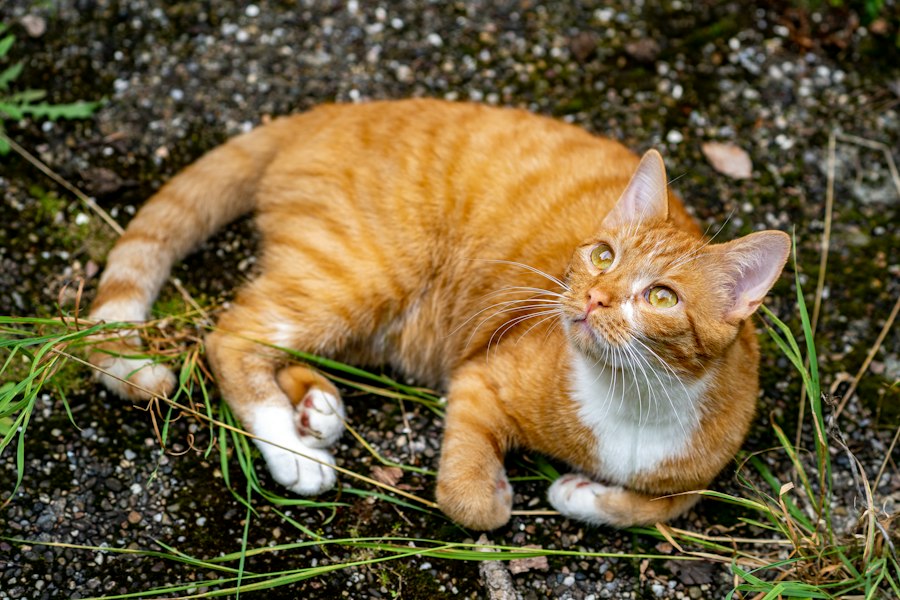
While genetics play a role, it is the environmental and lifestyle factors that often have the most profound impact on a cat’s lifespan. These are not unique to orange cats but are universal determinants of feline longevity. Understanding and optimizing these factors can significantly contribute to a long and fulfilling life for any cat, regardless of its coat color.
Nutrition: The Cornerstone of Feline Health
A balanced and high-quality diet is fundamental for a cat’s well-being and longevity. Just like humans, cats require a specific set of nutrients to maintain optimal bodily functions, support their immune system, and prevent chronic diseases.
A diet rich in protein, essential fatty acids, vitamins, and minerals is crucial. This means choosing a commercial cat food that is formulated to meet AAFCO (Association of American Feed Control Officials) standards for the cat’s life stage (kitten, adult, senior). High-quality protein sources, such as chicken, turkey, or fish, provide the building blocks for muscle development and repair. Essential fatty acids, like omega-3 and omega-6, contribute to healthy skin and coat, as well as supporting cognitive function and reducing inflammation.
Overfeeding and obesity are significant health concerns for cats, leading to a multitude of problems including diabetes, heart disease, arthritis, and a shortened lifespan. Conversely, an underweight cat may be suffering from underlying health issues or inadequate nutrition. Regular monitoring of a cat’s weight and body condition, in consultation with a veterinarian, is essential.
Hydration is also paramount. Cats have a naturally low thirst drive, often deriving much of their water intake from their food. Wet food can be a valuable source of moisture, especially for cats that are prone to urinary tract issues. Providing fresh, clean water at all times is vital. Some cats may benefit from a cat water fountain, as the running water can encourage them to drink more.
Veterinary Care: Prevention and Early Intervention
Regular veterinary check-ups are non-negotiable for ensuring a cat lives a long and healthy life. These visits serve multiple purposes, from routine health screenings to vaccinations and parasite control.
Annual or semi-annual wellness exams allow veterinarians to detect potential health problems in their early stages, when they are most treatable. During these visits, the veterinarian will assess the cat’s overall health, including its weight, dental health, heart and lung sounds, and palpate its abdomen. They will also discuss any concerns the owner may have.
Vaccinations are crucial for protecting cats against common and potentially fatal infectious diseases, such as rabies, feline distemper (panleukopenia), feline herpesvirus, and feline calicivirus. The specific vaccination protocol will be tailored to the cat’s lifestyle and risk factors.
Parasite control is another essential aspect of veterinary care. Fleas, ticks, heartworms (in certain regions), and internal parasites like roundworms and tapeworms can not only cause discomfort but also transmit serious diseases. Regular deworming and effective flea and tick prevention are vital.
Spaying or neutering offers significant health benefits and can contribute to a longer lifespan. For females, it eliminates the risk of uterine infections (pyometra) and ovarian or uterine cancers. For males, it reduces the risk of testicular cancer and can decrease territorial behaviors like spraying and roaming, which can expose them to dangers.
Environment and Lifestyle: Safety and Stimulation
A cat’s living environment plays a significant role in its safety and overall well-being. Indoor cats generally live longer than outdoor cats because they are protected from numerous hazards.
Outdoor hazards include traffic accidents, encounters with predators (including other animals), exposure to infectious diseases and parasites from wildlife, and poisoning from toxic substances. Outdoor cats are also more likely to get into fights, leading to injuries and abscesses.
Creating a stimulating and safe indoor environment is crucial for an indoor cat’s happiness and health. This includes providing ample opportunities for exercise, play, and mental stimulation. Vertical space, such as cat trees and shelves, is important for cats to climb, perch, and survey their territory. Interactive toys, puzzle feeders, and regular play sessions with their owners can help prevent boredom, obesity, and behavioral problems.
Scratching posts are essential for satisfying a cat’s natural urge to scratch, which helps to maintain their claws and mark their territory. Providing appropriate scratching surfaces can protect furniture and satisfy the cat’s needs.
Socialization and companionship are also important. While cats can be independent, many thrive on interaction with their human families. Gentle handling, playtime, and simply being present can contribute to a cat’s emotional well-being. For some cats, a companion animal of the same species can provide additional social enrichment.
Debunking Myths About Orange Cat Lifespan
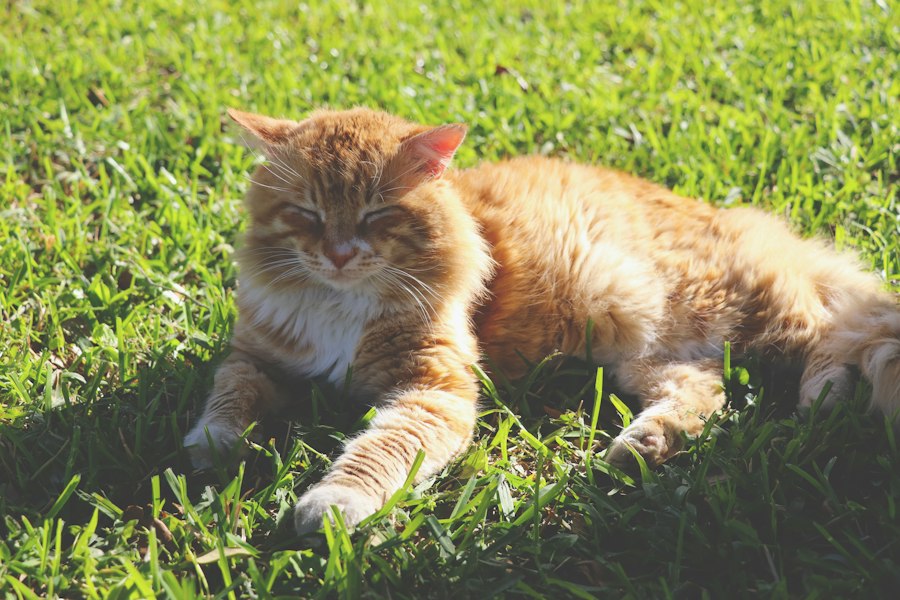
Despite their popularity, orange cats are often subject to a variety of myths and misconceptions regarding their lifespan and behavior. It’s important to address these to provide accurate information to owners.
The “Shorter Lifespan” Myth
One of the most prevalent myths is that orange cats have a significantly shorter lifespan than other cats. As discussed earlier, there is no concrete scientific evidence to support this claim. The average lifespan of a domestic cat, regardless of color, is typically between 12 and 15 years. Many cats live well into their late teens and even early twenties.
The perception of a shorter lifespan might stem from a few factors. Firstly, as orange males are more common, and males can sometimes be more prone to risky behaviors like roaming and fighting, this could lead to a skewed perception. Secondly, if an owner experiences the loss of an orange cat at a younger age, they might generalize that experience to all orange cats. However, these are anecdotal observations rather than statistically significant data points.
The key takeaway is that a cat’s lifespan is far more dependent on its genetics (as it relates to breed-specific health issues), diet, veterinary care, and lifestyle than its fur color. An orange cat living in a safe, stimulating environment with excellent nutrition and regular vet care is just as likely to live a long life as any other cat.
Are Orange Cats Less Intelligent?
Another common, though less prevalent, myth is that orange cats are less intelligent. This is purely anecdotal and lacks any scientific basis. Intelligence in animals is complex and difficult to quantify. What one owner might perceive as a lack of intelligence could simply be a cat’s independent nature or a different learning style.
Many owners of orange cats report them to be affectionate, curious, and playful, all traits that can be associated with good cognitive function. The “wisdom of the orange cat” is a common saying among owners who appreciate the unique personalities of their ginger companions. There is no evidence to suggest that the genes responsible for orange coloration have any impact on a cat’s cognitive abilities.
The “Aggressive Orange Cat” Stereotype
While not directly about lifespan, the stereotype of orange cats being more aggressive is another misconception that sometimes arises. Like any personality trait, aggression can be influenced by genetics, upbringing, and environmental factors, but it is not inherently linked to fur color.
Some studies have explored correlations between coat color and temperament, but the findings are often mixed and inconclusive. A cat’s individual personality is shaped by a multitude of factors, and it’s unfair to generalize behavior based solely on fur color. Many orange cats are known for their gentle and loving dispositions.
Focusing on Individual Health, Not Color
The most important point to remember is that each cat is an individual. While statistical averages can be helpful, they do not define the destiny of any single animal. An orange cat’s health and lifespan will be determined by its unique genetic makeup, the quality of its care, and its overall lifestyle. Focusing on providing the best possible environment and care for your individual cat, regardless of its color, is the most effective way to ensure a long and happy life.
The Influence of Environment and Lifestyle on Orange Cat Longevity
As highlighted previously, environmental and lifestyle factors are paramount in determining a cat’s lifespan. These factors are not specific to orange cats, but they are the most significant contributors to longevity for all felines.
Indoor vs. Outdoor Living: A Crucial Distinction
The decision of whether to allow a cat to roam outdoors is one of the most impactful choices an owner makes regarding their pet’s longevity. Indoor cats are significantly safer and therefore tend to live much longer, on average.
Outdoor cats face a myriad of dangers:
- Traffic Accidents: Cars are a leading cause of death for outdoor cats.
- Predators: Coyotes, foxes, birds of prey, and even larger domestic animals can pose a threat.
- Disease Transmission: Exposure to other animals, including strays and wildlife, increases the risk of contracting infectious diseases like Feline Leukemia Virus (FeLV), Feline Immunodeficiency Virus (FIV), and rabies.
- Parasites: Fleas, ticks, and internal parasites are more prevalent in outdoor environments.
- Poisoning: Cats can ingest toxic substances from pesticides, herbicides, antifreeze, and contaminated food.
- Fights and Injuries: Encounters with other cats can lead to bites, scratches, abscesses, and serious injuries.
- Getting Lost or Trapped: Cats can become disoriented, trapped in garages or sheds, or wander too far from home.
An indoor-only lifestyle, while requiring more effort from owners to provide enrichment, drastically reduces these risks. It allows owners to have greater control over their cat’s diet, health, and exposure to dangers. For an orange cat to reach its full potential lifespan, confining it to a safe indoor environment is a critical step.
The Importance of Enrichment and Stimulation
Even for indoor cats, a lack of stimulation can lead to health and behavioral problems that can indirectly affect lifespan. Boredom, stress, and frustration can manifest as overeating, destructive behaviors, or even a weakened immune system.
Enrichment for cats involves providing a stimulating environment that caters to their natural instincts. This includes:
- Vertical Space: Cat trees, shelves, and window perches allow cats to climb, observe their surroundings from a safe height, and feel secure.
- Interactive Play: Regular play sessions with toys like feather wands, laser pointers (used responsibly), or crinkle balls engage their hunting instincts and provide exercise.
- Puzzle Feeders: These toys dispense kibble or treats as the cat manipulates them, providing mental stimulation and slowing down eating, which can aid in weight management.
- Scratching Posts: Providing a variety of scratching surfaces (sisal rope, cardboard, carpet) in different orientations (vertical, horizontal) is essential for claw health and territorial marking.
- Window Views: Cats enjoy watching the world go by. Access to windows, especially with feeders or bird baths outside, can provide hours of entertainment.
- Social Interaction: While some cats are more independent, most benefit from attention, petting, and vocal interaction with their owners.
An orange cat that is mentally and physically stimulated is more likely to be happy, healthy, and less prone to stress-related illnesses that could impact its longevity.
Safety Measures Within the Home
Beyond general enrichment, specific safety measures within the home are also crucial. This includes:
- Securing Windows and Doors: Ensuring screens are intact and doors are closed properly to prevent accidental escapes.
- Keeping Toxic Substances Out of Reach: Storing cleaning supplies, medications, and certain plants (e.g., lilies, poinsettias) in secure locations.
- Electrical Cord Management: Preventing chewing on electrical cords, which can cause burns or electrocution.
- Safe Sleeping Areas: Providing comfortable and safe places for the cat to rest, away from high-traffic areas or potential hazards.
By meticulously addressing environmental and lifestyle factors, owners can significantly contribute to the health and longevity of their orange companions, ensuring they enjoy as many years of purrs and affection as possible.
When considering the lifespan of orange cats, it’s interesting to explore various factors that contribute to their longevity. A related article discusses the importance of diet, genetics, and regular veterinary care in ensuring that these beloved pets live long and healthy lives. For more insights on this topic, you can read the full article here. Understanding these elements can help cat owners provide the best possible care for their furry companions.
The Psychological Well-being of Your Orange Feline Friend
| Metric | Details |
|---|---|
| Average Lifespan | 12 to 15 years |
| Maximum Recorded Lifespan | 20+ years |
| Influencing Factors | Genetics, diet, healthcare, indoor vs outdoor living |
| Common Health Issues | Obesity, dental disease, kidney problems |
| Breed Variations | Orange coloration occurs in many breeds; lifespan varies by breed |
| Gender Lifespan Difference | Minimal; some studies suggest males may have slightly shorter lifespan |
| Impact of Orange Color | No direct impact on lifespan; color linked to genetics but not longevity |
Beyond physical health, a cat’s psychological well-being plays a vital role in its overall health and can indirectly influence its lifespan. A happy and content cat is generally a healthier cat.
Understanding Feline Stressors and Coping Mechanisms
Cats are creatures of habit and can be sensitive to changes in their environment. Common stressors for cats include:
- Changes in Routine: Moving house, the arrival of a new pet or baby, or even a change in their owner’s work schedule can be unsettling.
- Lack of Resources: Insufficient food, water, litter boxes, or resting spots can lead to stress.
- Interactions with Other Animals: Territorial disputes with other cats or perceived threats from other pets can cause anxiety.
- Loud Noises: Fireworks, thunderstorms, or even loud appliances can frighten cats.
- Lack of Stimulation: Boredom and a lack of outlets for natural behaviors can lead to frustration and stress.
When cats experience chronic stress, their bodies can release hormones like cortisol, which can suppress their immune system, making them more susceptible to illness. This can have a long-term impact on their health and potentially their lifespan.
Orange cats, like all felines, have individual personalities and coping mechanisms. Some cats are naturally more resilient to change, while others are more sensitive. Understanding your specific cat’s triggers and providing a stable, predictable environment is key.
Providing a Secure and Loving Environment
A secure and loving environment is the foundation of a cat’s psychological well-being. This means:
- Predictability: Maintaining a consistent feeding schedule, playtime, and grooming routine can provide a sense of security.
- Safe Havens: Ensuring your cat has access to quiet, secluded spaces where it can retreat when feeling overwhelmed or threatened. This could be a cozy bed in a quiet corner, a covered cat carrier, or a high shelf.
- Positive Reinforcement: Using praise, treats, and gentle petting to reward desired behaviors. Harsh punishments can create fear and anxiety.
- Respecting Boundaries: Allowing your cat to initiate interaction and not forcing attention.
- Appropriate Socialization: For kittens, early positive exposure to different people, sounds, and gentle handling can help them become more well-adjusted adults. For adult cats, introducing new pets or people slowly and carefully is crucial.
For an orange cat, building a strong bond based on trust and affection can significantly contribute to its overall happiness and health. This emotional connection can buffer against stress and create a more resilient feline.
Recognizing and Addressing Behavioral Issues
Behavioral issues, such as excessive vocalization, aggression, inappropriate urination, or overgrooming, are often outward signs of underlying stress or discomfort. It’s important not to ignore these signs, as they can indicate a problem that needs to be addressed.
If you notice a change in your orange cat’s behavior, the first step should be a veterinary check-up to rule out any underlying medical conditions. If medical issues are ruled out, a veterinarian or a certified animal behaviorist can help identify the cause of the behavior and develop a plan to address it. This might involve environmental modifications, changes in routine, or behavioral modification techniques.
By prioritizing your orange cat’s psychological well-being, you are not only ensuring its immediate happiness but also contributing to its long-term health and potentially its lifespan. A calm, confident, and well-adjusted cat is more likely to thrive.
In conclusion, the truth about orange cat lifespan is that it is not inherently dictated by their beautiful fur color. While genetics influence the prevalence of orange males and can be linked to certain breed-specific health considerations, the overarching determinants of a cat’s longevity lie in their nutrition, veterinary care, environmental safety, and psychological well-being. By understanding these factors and providing a loving, stimulating, and safe home, owners can help their ginger companions live long, healthy, and happy lives, often far exceeding the average, regardless of the hue of their glorious coats.
Which Cat Color Lives Longest? The Research Has a Twist
FAQs
What is the average lifespan of an orange cat?
Orange cats typically live between 12 to 18 years, but some can live into their early 20s with proper care and a healthy lifestyle.
Do orange cats have a shorter lifespan compared to other cat colors?
There is no scientific evidence to suggest that orange cats have a shorter lifespan compared to cats of other colors. The lifespan of a cat is influenced by various factors such as genetics, environment, and overall health.
What can I do to help increase the lifespan of my orange cat?
To help increase the lifespan of your orange cat, provide regular veterinary care, a balanced diet, plenty of exercise, a safe environment, and lots of love and attention. Keeping your cat indoors can also help protect them from potential dangers that could shorten their lifespan.
Are there any health issues that are common in orange cats that could affect their lifespan?
While there are no specific health issues that are exclusive to orange cats, they may be prone to certain conditions that can affect their lifespan, such as obesity, dental problems, and kidney disease. Regular veterinary check-ups can help detect and address any health issues early on.
What factors can influence the lifespan of an orange cat?
Factors that can influence the lifespan of an orange cat include genetics, diet, exercise, environment, access to veterinary care, and overall quality of life. Providing a loving and nurturing home for your orange cat can help ensure they live a long and healthy life.