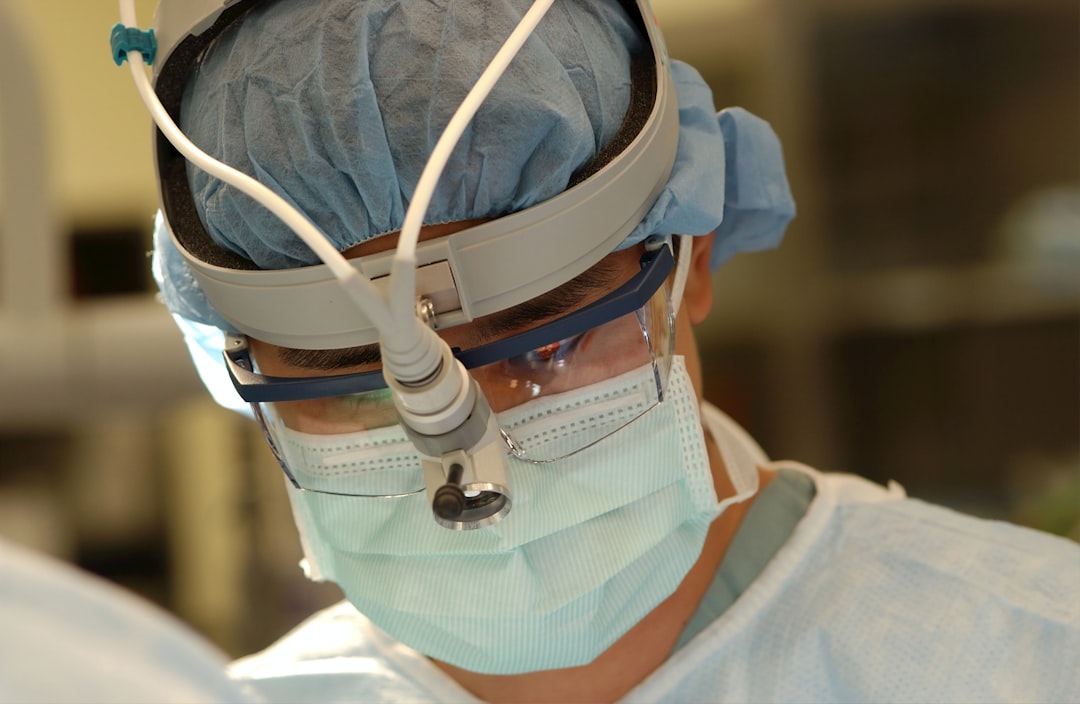
You’re lying there, on the operating table, a crisp sheet pulled up to your chin. The bright lights hum, and the air smells faintly antiseptic. You’ve signed the forms, you’ve spoken to the anesthesiologist, and now, the moment is here. The “truth about anesthesia” is about to become your reality, and it’s likely far less mysterious and far more reassuring than you might imagine. It’s a carefully orchestrated dance of science, vigilance, and a deep understanding of your body, all designed to keep you safe, comfortable, and unaware while skilled hands work to heal you.
Before you even step foot in the operating room, a crucial symphony of preparation has already begun. This isn’t a last-minute affair; it’s a comprehensive evaluation designed to tailor your anesthetic experience to your unique physiology and medical history. Think of it as your personal pre-performance briefing.
The Medical History: A Blueprint of Your Health
The anesthesiologist, a physician specializing in anesthesia, pain management, and critical care, will be poring over your medical records like an intricate blueprint. This isn’t just a formality; it’s vital information that will guide every decision they make.
Allergies: The Critical Red Flags
This is paramount. Any known allergies, especially to medications, latex, or certain foods, will be noted with extreme caution. Even a seemingly minor allergy could have significant implications during anesthesia, and your anesthesiologist needs to be aware of all potential reactions.
Past Surgical and Anesthetic Experiences: Learning from History
Have you had anesthesia before? How did you react? Were there any complications? Were you nauseated afterward? Did you experience any muscle pain? Your past experiences provide invaluable clues about how your body might respond this time. If you’ve had a difficult intubation, for example, they’ll plan accordingly.
Current Medications: The Interplay of Drugs
You’ll be asked about every medication you take, from prescription drugs and over-the-counter remedies to herbal supplements and vitamins. These can interact with anesthetic agents, affecting their efficacy or increasing the risk of side effects. Blood thinners, for instance, require careful consideration.
Pre-existing Medical Conditions: Understanding Your Body’s Landscape
Conditions like heart disease, lung problems, diabetes, kidney issues, or even sleep apnea can significantly influence anesthetic choices and monitoring requirements. Your anesthesiologist needs to understand your baseline health to anticipate and manage potential risks.
The Physical Examination: A Snapshot of Your Current State
Beyond your history, a physical examination provides a real-time assessment of your health.
Airway Assessment: The Gateway to Breathing
This is a critical part of the exam. The anesthesiologist will examine your mouth, jaw, and neck to assess how easily they can manage your airway. This might involve looking at your teeth, the range of motion in your neck, and the size of your tongue. This helps them determine the best method for providing oxygen and ventilation during the procedure.
Cardiovascular and Respiratory Evaluation: Listening to Your Core Systems
They’ll listen to your heart and lungs, check your blood pressure, and assess your pulse. This gives them a baseline understanding of your vital organ function, which will be continuously monitored during the surgery.
The Discussion: Your Questions, Their Answers
This is your opportunity to voice any concerns you have. Don’t hesitate to ask questions, no matter how small they seem. Understanding the plan will help alleviate anxiety.
Types of Anesthesia: A Menu of Options
Your anesthesiologist will explain the different types of anesthesia that are appropriate for your procedure and discuss the pros and cons of each. This might include:
General Anesthesia: The Complete Unconsciousness
This is when you are completely asleep and unaware of anything during the surgery. Medications are given intravenously or inhaled to induce a state of unconsciousness, muscle relaxation, and pain relief.
Regional Anesthesia: Targeted Numbness
This involves numbing a specific area of your body, allowing you to remain awake or lightly sedated. Common examples include spinal anesthesia, epidural anesthesia, and nerve blocks. This is often used for procedures on the limbs, abdomen, or lower body.
Local Anesthesia: Minor Numbing
This is typically used for very minor procedures, where only a small area of the body is numbed with an injection. You’ll be fully awake and aware.
Risks and Benefits: A Balanced Perspective
Your anesthesiologist will discuss the potential risks associated with anesthesia, which are generally rare but can include things like nausea, vomiting, sore throat, or allergic reactions. They will also explain the benefits, such as pain-free surgery and a quicker recovery.
If you’re curious about the intricacies of anesthesia and what truly happens to your body during the process, you might find the article on Freaky Science enlightening. It delves into the science behind anesthesia, explaining how it affects the brain and body, and what patients can expect before, during, and after their procedures. For more information, check out the article here: What Really Happens When You Go Under Anesthesia.
The Induction: Drifting into Slumber
This is the moment you’ve been anticipating. The transition from wakefulness to unconsciousness is a carefully managed process, designed to be smooth and seamless.
The Anesthetic Medications: Your Pathway to Unconsciousness
The drugs used for anesthesia are powerful and precisely administered to achieve the desired effect.
Intravenous Induction Agents: The Fast-Acting Route
Often, a medication is given through your IV line to quickly induce unconsciousness. You might feel a warm sensation or a strange taste in your mouth as it takes effect. This usually happens within seconds.
Inhaled Anesthetics: The Gentle Descent
For some types of general anesthesia, you might breathe in anesthetic gases through a mask. This can also lead to rapid unconsciousness. The anesthesiologist will work with you to ensure this is a comfortable experience.
Monitoring Your Vital Signs: The Constant Vigilance
As you drift off, a team of highly trained professionals is meticulously monitoring your body’s every function. This isn’t a passive observation; it’s an active, real-time assessment that allows for immediate adjustments.
Heart Rate and Rhythm: The Steady Beat
Electrodes placed on your chest will continuously track your heart’s electrical activity, displaying your heart rate and identifying any irregularities.
Blood Pressure: The Force of Circulation
A cuff on your arm will periodically or continuously measure your blood pressure, ensuring adequate blood flow to your organs.
Oxygen Saturation: The Breath of Life
A small clip on your finger, called a pulse oximeter, measures the amount of oxygen in your blood. This is a critical indicator of your breathing and circulation.
Respiration Rate: The Rhythm of Breathing
The anesthesiologist will observe your chest movements and may use other devices to monitor how effectively you are breathing.
Body Temperature: Maintaining Equilibrium
Your body temperature is also monitored, as anesthetic agents can sometimes affect your ability to regulate it.
Airway Management: Ensuring a Clear Passage
Maintaining a clear airway is paramount for safe anesthesia.
The Mask: Your Breathing Buddy
For many procedures, especially shorter ones, a tight-fitting mask over your nose and mouth allows you to breathe anesthetic gases and oxygen.
The Laryngeal Mask Airway (LMA): A Comfortable Compromise
This is a tube with a cuff that is inserted into your throat to create a seal around your vocal cords, allowing for breathing. It’s less invasive than an endotracheal tube.
The Endotracheal Tube (ETT): The Direct Route
For longer or more complex surgeries, or when there’s a risk of aspiration (inhaling stomach contents), a tube is inserted directly into your windpipe. This allows for precise control of your breathing and protection of your airway.
The Maintenance: A Steady State of Unawareness
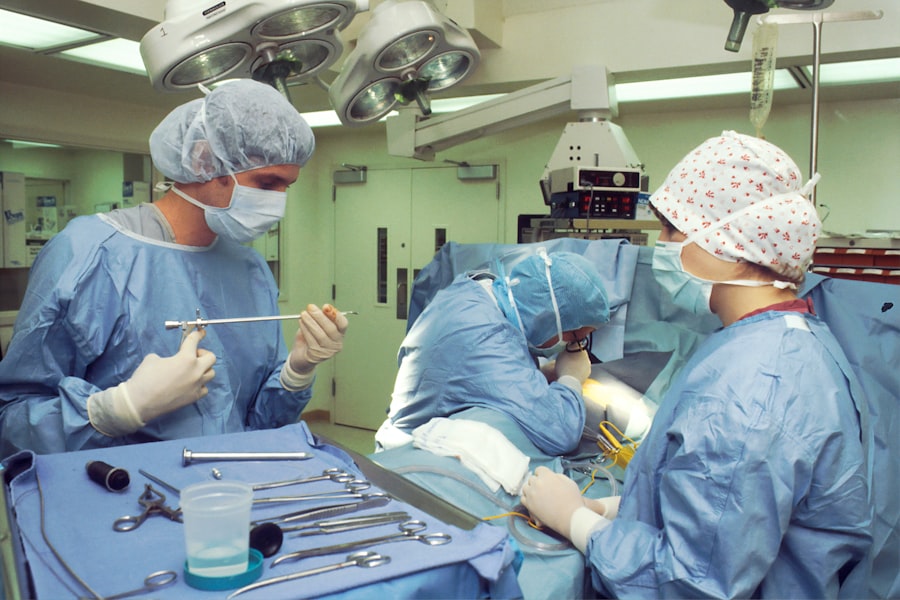
Once you’re under anesthesia, the goal is to maintain a consistent, safe level of unconsciousness and pain relief for the duration of the procedure. This is an ongoing process of careful management and constant vigilance.
Continuous Monitoring: The Eyes and Ears of Anesthesia
The monitoring established during induction continues and intensifies throughout the surgery.
Bispectral Index (BIS) Monitoring: Gauging Depth of Unconsciousness
This advanced monitoring technique uses electrodes on your scalp to measure your brain’s electrical activity. It helps the anesthesiologist quantify your level of unconsciousness, ensuring you are neither too deeply anesthetized (which could lead to a longer recovery) nor too lightly (which could lead to awareness).
Neuromuscular Monitoring: Ensuring Muscle Relaxation
If muscle relaxants are used, a special device may be used to assess the degree of muscle paralysis. This ensures that the muscles are sufficiently relaxed for the surgery while allowing the anesthesiologist to gauge when the paralysis is starting to wear off.
Adjusting Medications: Fine-Tuning the Anesthetic Cocktail
Anesthesia isn’t a one-size-fits-all approach. The “cocktail” of anesthetic medications is constantly adjusted based on the surgical procedure, your vital signs, and your individual response.
Inhaled vs. Intravenous Agents: The Ongoing Debate
The anesthesiologist will choose between inhaled gases or intravenous medications, or a combination of both, to maintain the desired level of anesthesia. The choice depends on the type of surgery, the patient’s health, and the anesthesiologist’s preference.
Pain Management: Proactive and Reactive Strategies
Pain is managed not only during the surgery but also preemptively. This might involve administering long-acting local anesthetics or opioids to keep you comfortable after the procedure.
The Surgical Team: A Collaborative Effort
The anesthesiologist is an integral part of the surgical team. They communicate constantly with the surgeons, providing updates on your condition and anticipating any needs.
Communication is Key: Staying in Sync
The anesthesiologist will inform the surgeons about your vital signs, any changes in your condition, and when you are stable. This open line of communication ensures everyone is on the same page and can react quickly to any unforeseen circumstances.
Anticipating Surgical Needs: Proactive Planning
The anesthesiologist is aware of the surgical plan and can anticipate potential changes or challenges that might impact your anesthesia. For example, if a surgeon needs to change the position of the patient, the anesthesiologist needs to be prepared for potential changes in breathing or blood pressure.
Emergence: Waking Up Gently
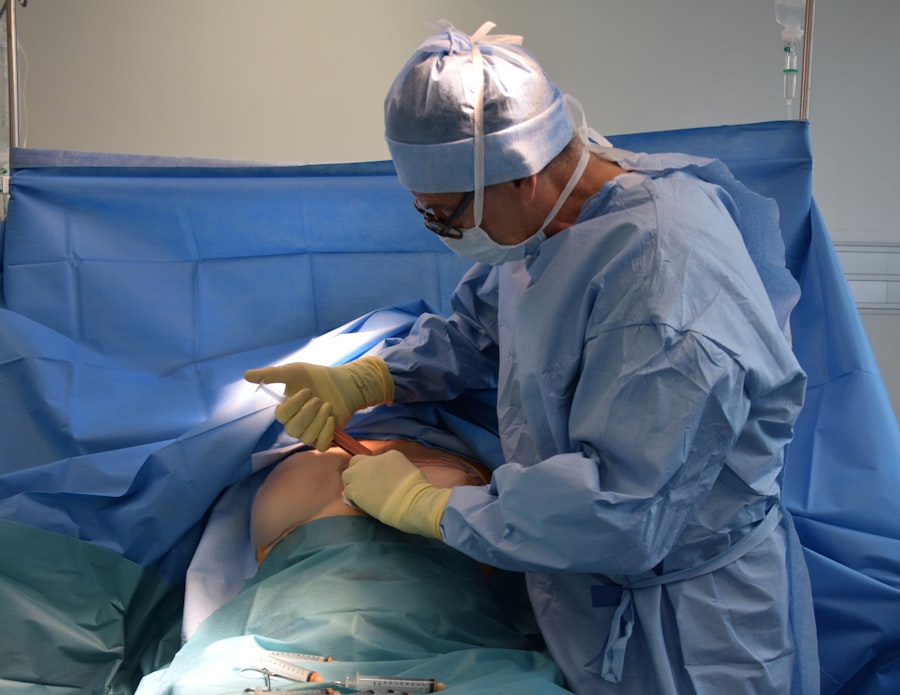
As the surgery concludes, the focus shifts to safely bringing you back to consciousness. This is a gradual and carefully managed process, much like the induction.
Reversing Anesthetic Effects: Winding Down the Medications
The anesthetic medications are gradually withdrawn or reversed.
Weaning Off Inhaled Agents: A Gradual Return to Awareness
If inhaled anesthetics were used, their flow is reduced or stopped. Your body will then begin to metabolize and eliminate them.
Administering Reversal Agents: Counteracting Muscle Relaxants
If muscle relaxants were given, specific medications are administered to reverse their effects, allowing your muscles to regain strength and movement.
Continued Monitoring: The Transition Back to Wakefulness
Even as you begin to wake, the vigilant monitoring of your vital signs continues.
Deep Breaths and Gentle Stirring: Signs of Awakening
You might start to stir, move your limbs, or take deeper breaths. These are all positive signs that your body is returning to normal function.
Gag Reflex and Swallowing: Indicators of Airway Recovery
The return of your gag reflex and your ability to swallow are important indicators that your airway is recovering and you are ready to breathe on your own.
Post-Anesthesia Care Unit (PACU): The Recovery Room
Once you leave the operating room, you’ll be taken to the PACU, also known as the recovery room. Here, nurses trained in post-anesthesia care will continue to monitor you closely.
Pain Assessment and Management: Your Comfort is Key
Your pain level will be regularly assessed, and medications will be administered to manage any discomfort.
Nausea and Vomiting Management: Addressing Post-Anesthesia Side Effects
Nausea and vomiting are common side effects of anesthesia. The PACU nurses will administer medications to help prevent or treat these symptoms.
Monitoring for Complications: Vigilance Continues
The PACU nurses are trained to recognize and manage potential complications that may arise after anesthesia, such as breathing difficulties or changes in blood pressure.
When considering the effects of anesthesia, many people wonder about the science behind it and what truly happens during the process. A fascinating article that delves deeper into this topic can be found at Freaky Science, where it explores the various stages of anesthesia and how it interacts with the brain. Understanding these mechanisms can help alleviate some of the fears associated with undergoing surgical procedures.
The Aftermath: Your Recovery and Beyond
| Effect | Description |
|---|---|
| Loss of Consciousness | Anesthesia induces a state of unconsciousness, preventing the patient from feeling pain or being aware of the surgical procedure. |
| Relaxation of Muscles | Anesthesia causes the muscles to relax, allowing the surgical team to perform the procedure without resistance from the patient’s body. |
| Suppression of Reflexes | Anesthesia suppresses reflexes such as coughing and gagging, which could interfere with the surgical process. |
| Pain Relief | Anesthesia blocks the transmission of pain signals to the brain, ensuring that the patient does not experience pain during the procedure. |
| Control of Vital Functions | Anesthesia monitors and controls vital functions such as heart rate, blood pressure, and breathing to ensure the patient’s safety during the procedure. |
The journey doesn’t end when you leave the PACU. Your recovery from anesthesia is a process that continues as your body regains its full function.
Lingering Effects: What to Expect
It’s normal to experience some lingering effects after anesthesia.
Drowsiness and Disorientation: The Brain Waking Up
You might feel drowsy, groggy, or even a bit disoriented for a while. This is because anesthetic agents can take time to fully clear your system.
Sore Throat and Hoarseness: A Common Side Effect
If an endotracheal tube was used, you might experience a sore throat or hoarseness. This usually subsides within a few days.
Muscle Aches: The Body Rebounding
Some people experience mild muscle aches, which can be due to the anesthetic agents or the positioning during surgery.
Communication with Your Care Team: Staying Informed
It’s crucial to communicate any concerns you have with your doctor or nurse during your recovery.
Reporting New Symptoms: Don’t Hesitate to Speak Up
If you experience any new or concerning symptoms, such as severe pain, difficulty breathing, or unusual bleeding, report them immediately.
Understanding Discharge Instructions: Your Roadmap to Recovery
You’ll receive detailed discharge instructions that will guide you on pain management, activity restrictions, and when to seek further medical attention. Following these instructions is vital for a smooth and safe recovery.
Long-Term Well-being: Looking Ahead
For the vast majority of people, the effects of anesthesia are temporary and do not have long-term consequences. Your body is remarkably resilient, and with proper care and attention, you will return to your normal self. The truth about anesthesia is that it’s a testament to modern medicine’s ability to alleviate pain and enable healing, a carefully managed journey that prioritizes your safety and comfort every step of the way. You are in expert hands, and the skilled professionals administering your anesthesia are dedicated to ensuring your well-being.

You’re Not Asleep Under Anesthesia. So Where Do You Go?
FAQs
What is anesthesia?
Anesthesia is a medical treatment that induces a temporary loss of sensation or consciousness. It is commonly used during surgical procedures to prevent pain and discomfort for the patient.
How does anesthesia work?
Anesthesia works by interrupting the nerve signals that carry sensations of pain to the brain. There are different types of anesthesia, including general anesthesia, which renders the patient unconscious, and local anesthesia, which numbs a specific area of the body.
What are the potential risks of anesthesia?
While anesthesia is generally safe, there are potential risks and side effects, including allergic reactions, breathing problems, and postoperative confusion. The risks vary depending on the type of anesthesia used and the patient’s overall health.
What happens to the body when under anesthesia?
When under anesthesia, the body’s vital functions, such as heart rate, blood pressure, and breathing, are carefully monitored and controlled by the anesthesia team. The patient is also unable to feel pain or remember the surgical procedure.
How long does it take to recover from anesthesia?
The recovery time from anesthesia varies depending on the type of anesthesia used, the individual’s response to the medication, and the complexity of the surgical procedure. Most patients recover from the effects of anesthesia within a few hours after the procedure.