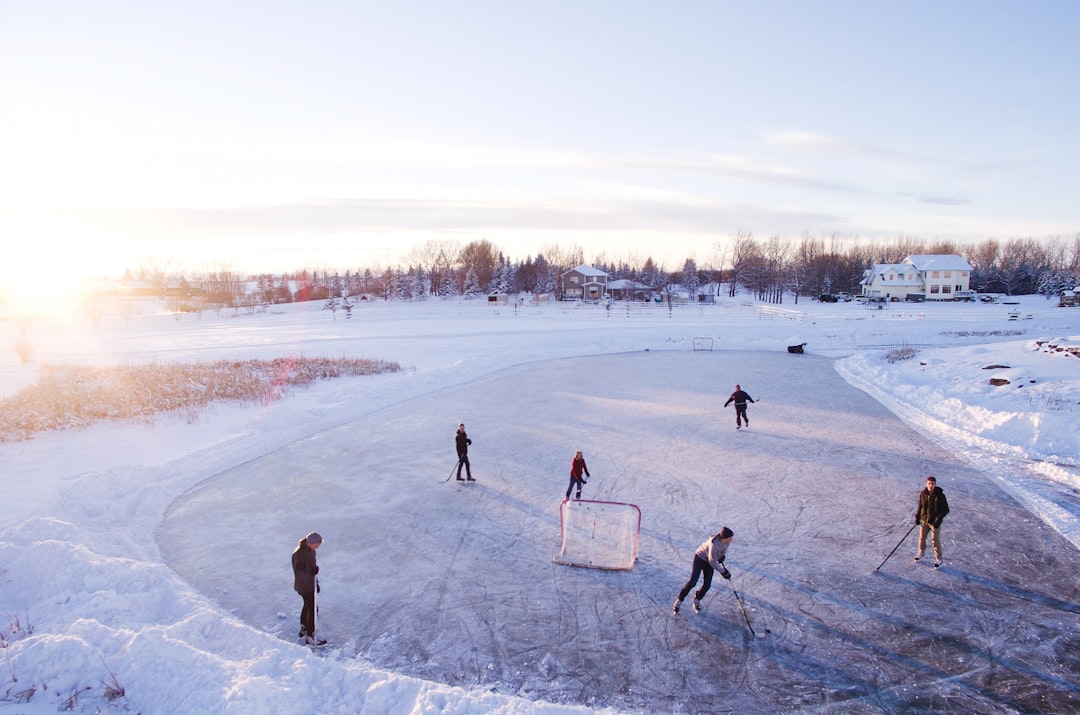
The rhythmic glide of blades across ice, a symphony of hushed whispers and the occasional sharp crack, is a familiar sound to many. Ice skating, often perceived as a frigid pursuit, conjures images of frosty breath and numb fingers. Yet, beneath this icy veneer lies a surprising wellspring of heat, a testament to the physics and physiology at play. Far from being a purely cooling activity, ice skating, particularly at competitive levels, generates a significant amount of thermal energy, impacting both the athlete and the ice itself.
The most immediate source of heat in ice skating stems from the fundamental interaction between the skate blade and the ice surface: friction. While the concept of friction is universally understood, its manifestation on ice is a nuanced dance of microscopic realities. The sharpness of the blade, the pressure exerted by the skater, and the composition of the ice all contribute to the thermal output.
The Microscopic Landscape of Blade and Ice
A seemingly smooth skate blade is, at a microscopic level, a series of peaks and valleys. Similarly, the ice surface, despite its crystalline structure, possesses imperfections. When the blade makes contact with the ice, these irregularities grind against each other. This mechanical work, the effort of overcoming these tiny resistances, is converted into thermal energy. Think of rubbing your hands together vigorously – the increased warmth is a direct consequence of friction. The same principle applies, albeit on a vastly different scale and with different materials, to ice skating. The kinetic energy of the moving blade is dissipated through this frictional interaction, manifesting as heat.
Pressure: The Catalyst for Enhanced Friction
The weight of the skater, distributed across the narrow surface area of the blade, creates immense pressure. This pressure is crucial. It doesn’t just push the blade down; it actually causes a localized melting of the ice directly beneath the blade. This thin film of water acts as a lubricant, reducing overall friction and allowing for smoother gliding. However, this localized melting is itself a heat-generating process. The energy required to break the bonds holding the water molecules in their solid, icy state and transition them to a liquid is significant. This is a phase change, and it requires energy input. While the skater’s motion is the primary driver, this pressure-induced melting contributes to the thermal environment.
The Role of Ice Composition and Temperature
The temperature of the ice itself plays a critical role in the friction dynamics. Ice rinks are typically maintained at temperatures slightly below freezing, often between -2°C and -4°C (28°F and 25°F). At these temperatures, the ice is more brittle and less prone to significant melting under pressure. However, as the skating session progresses and friction builds, the localized temperature directly under the blade can rise considerably, potentially exceeding the ice’s melting point. The composition of the ice, often a blend of purified water with specific additives to ensure consistency and durability, can also influence frictional properties. Variations in impurities or crystal structure can subtly alter the heat generated.
Ice skating is not only a popular recreational activity but also an interesting subject of scientific study, particularly when it comes to the heat generated during the sport. As skaters glide across the ice, the friction between their skates and the surface generates heat, which can affect the ice’s condition and the skater’s performance. For a deeper understanding of the physics behind this phenomenon, you can read a related article that explores the science of heat generation in ice skating at this link.
The Human Engine: Metabolic Heat Production
Beyond the external forces of friction, the most significant contributor to the heat generated during ice skating originates from within the athlete themselves. The human body is, in essence, a remarkably efficient biological engine, and like any engine, it produces heat as a byproduct of its operations. Ice skating is a demanding physical activity that engages a vast array of muscle groups, leading to a substantial metabolic output.
Aerobic and Anaerobic Energy Production
The energy required for ice skating comes from a combination of aerobic and anaerobic metabolic pathways. Aerobic metabolism, which relies on oxygen, is the primary source of sustained energy for endurance activities like longer skating sessions or figure skating routines. During aerobic respiration, carbohydrates and fats are broken down to produce adenosine triphosphate (ATP), the body’s energy currency. This process, while efficient in energy production, also releases a considerable amount of heat as a waste product. Anaerobic metabolism, which occurs when oxygen supply is limited, provides bursts of energy for explosive movements like jumps and spins. While less efficient and capable of producing lactic acid, anaerobic activity also contributes to the overall heat generation.
Muscle Contraction: The Heat-Generating Powerhouse
The core of energy expenditure in ice skating lies in muscle contraction. Every push, every stride, every jump, and every spin involves the coordinated action of hundreds of muscles. When muscles contract, they utilize ATP. The process of breaking down and regenerating ATP is not perfectly efficient, and a significant portion of the energy released during this process is converted into heat. For example, during a powerful leg push-off, the quadriceps and gluteal muscles work intensely, generating substantial thermal energy. Similarly, the core muscles engaged in maintaining balance and executing turns also contribute to this metabolic heat.
The Thermoregulatory Response: A Visible Indicator of Heat
The body’s response to this internal heat generation is a sophisticated thermoregulatory system. As the body’s core temperature begins to rise, the hypothalamus, the body’s thermostat, triggers mechanisms to dissipate this excess heat. The most visible of these is sweating. Sweat glands release moisture onto the skin’s surface, which then evaporates, drawing heat away from the body. This is why ice skaters, even in a cold environment, often appear to be sweating profusely. Other thermoregulatory responses include increased blood flow to the skin, causing the face and extremities to appear flushed, and a slight increase in respiration rate.
The Impact on the Ice Surface: A Melting Reality
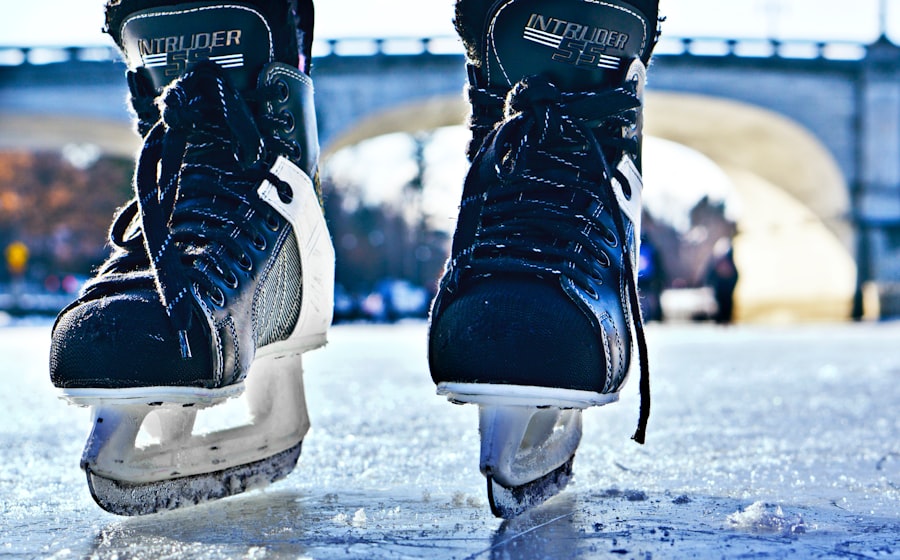
The heat generated by both friction and the skater’s metabolism doesn’t simply dissipate into the surrounding air; it has a direct and tangible impact on the ice surface itself. While the overall temperature of an ice rink is kept well below freezing, the localized heat can cause significant changes.
The Thin Layer of Meltwater: A Lubricant and a Challenge
As previously discussed, the pressure from the skate blades causes a localized melting of the ice. This thin layer of water, often only a few microns thick, is essential for smooth skating. It reduces friction, allowing skaters to glide with relative ease. However, this meltwater layer is also a dynamic element. Its depth and consistency can vary depending on the skater’s speed, pressure, and the ambient temperature of the ice. Too much meltwater can lead to a slippery and uncontrollable surface, while too little can result in increased friction and difficulty in gliding. The constant battle of the skater is to manage this meltwater layer, using their technique to optimize its properties.
Ice Degradation and Its Consequences
While the meltwater layer is beneficial for gliding, excessive or prolonged heat generation can lead to more significant ice degradation. In high-traffic areas of an ice rink, such as the boards where skaters often push off, or in the center of the ice where spins and jumps occur, the repeated application of heat can lead to a breakdown of the ice’s crystalline structure. This can manifest as soft spots, ruts, and a generally less uniform and predictable surface. For competitive skaters, this degradation can be detrimental to their performance, impacting their ability to execute complex maneuvers and potentially increasing the risk of falls.
The Ice Resurfacing Process: Restoring Order from Heat
The constant generation of heat and the resulting ice degradation necessitate regular resurfacing of the ice rink. This is typically done by an ice resurfacing machine, often referred to as a Zamboni. These machines scrape away the damaged top layer of ice, melt any remaining debris, and then lay down a fresh, thin layer of water that freezes to create a smooth, even surface. This process is crucial for maintaining the integrity and safety of the ice, effectively undoing the heat-induced wear and tear of skating. The frequency of resurfacing is directly related to the intensity and duration of skating activity, highlighting the significant impact of generated heat.
The Athletic Advantage: Harnessing and Managing Heat

For elite ice skaters, the heat generated is not merely an incidental byproduct; it is an integral part of their training and performance. Understanding and manipulating this heat is crucial for achieving peak athletic potential.
Optimizing Energy Expenditure for Performance
The efficiency with which an ice skater converts metabolic energy into kinetic energy is paramount. While heat generation is unavoidable, athletes train to optimize their muscle recruitment patterns and movement efficiency to minimize energy wastage. This involves developing strong core muscles for stability, precise leg movements for propulsion, and efficient transitions between different skating elements. By refining their technique, skaters can ensure that the majority of their generated heat is channeled into productive movement rather than being lost inefficiently.
The Role of Conditioning in Heat Management
Beyond technique, an athlete’s physical conditioning plays a vital role in their ability to manage the heat generated during skating. Cardiovascular fitness is essential for sustaining prolonged periods of high-intensity activity, ensuring a steady supply of oxygen to the muscles and enabling efficient waste removal, including metabolic heat. Strength training builds the muscular power needed for explosive movements, and also improves the body’s ability to withstand the physical demands of the sport. Furthermore, athletes often undergo specific training regimens designed to improve their heat tolerance, preparing their bodies to function effectively even when core temperatures rise.
Nutritional and Hydration Strategies for Thermal Regulation
Proper nutrition and hydration are fundamental to an ice skater’s ability to manage their internal heat. Carbohydrates are the primary fuel source for high-intensity exercise, and adequate intake ensures that the body has the energy reserves to sustain performance without excessive reliance on less efficient metabolic pathways that generate more heat. Hydration is equally critical. Dehydration can impair the body’s ability to sweat effectively, hindering its capacity to dissipate heat, leading to a rapid increase in core temperature and a decline in performance. Athletes meticulously plan their fluid and electrolyte intake to maintain optimal hydration levels before, during, and after training sessions and competitions.
Ice skating is not only a thrilling sport but also an interesting subject of scientific inquiry, particularly when it comes to the heat generated during the activity. As skaters glide across the ice, their movements create friction, which can lead to an increase in temperature both for the skaters and the ice itself. This phenomenon is explored in greater detail in a related article that discusses the science behind the heat generated by ice skating. For more insights, you can read the full article here. Understanding these dynamics can enhance our appreciation of the sport and the physics involved.
Beyond the Rink: Broader Implications of Ice Skating Heat
| Ice Skating Activity | Heat Generated |
|---|---|
| Ice Skating at Moderate Pace | Approximately 300-450 calories per hour |
| Ice Skating at High Intensity | Approximately 500-700 calories per hour |
| Ice Skating in Cold Weather | Additional heat generated due to body’s effort to stay warm |
The surprising heat generated by ice skating has implications that extend beyond the immediate experience of the athlete and the ice surface. It offers insights into fundamental scientific principles and influences the operational aspects of ice sports.
A Microcosm of Tribology and Thermodynamics
The interaction between skate blades and ice provides a fascinating real-world laboratory for studying tribology, the science of friction, wear, and lubrication. The localized melting phenomenon is a prime example of how pressure and mechanical work can induce phase changes in materials. It also demonstrates key thermodynamic principles, such as the conversion of mechanical energy into thermal energy. The study of these processes contributes to a deeper understanding of material science and the physics of motion.
The Economics of Ice Rink Management
The heat generated by skating directly impacts the operational costs of ice rinks. Maintaining a consistent ice temperature requires significant energy expenditure for refrigeration. The more intense and prolonged the skating activity, the more heat is introduced, requiring the refrigeration systems to work harder and consume more electricity. This economic consideration influences the scheduling of ice time, the design of rink facilities, and the development of more energy-efficient cooling technologies.
The Evolution of Skating Technology
The pursuit of improved performance in ice skating has led to continuous innovation in equipment. The design of skate blades, the materials used, and even the sharpening techniques are all influenced by the understanding of friction and heat generation. Similarly, advancements in ice resurfacing technology are driven by the need to efficiently repair the damage caused by heat and friction. This technological evolution is a direct response to the physical realities of the sport, including the surprising amount of heat that is generated.
In conclusion, the seemingly simple act of gliding on ice belies a complex interplay of forces that generate a surprising amount of heat. From the microscopic friction between blade and ice to the powerful metabolic engine of the athlete, heat is a constant companion in the world of ice skating. Understanding and managing this thermal energy is not just about staying warm; it’s about optimizing performance, ensuring safety, and appreciating the intricate science that underlies this graceful and demanding sport. The frosty image of ice skating often masks a fiery undercurrent, a testament to the unexpected power generated on the frozen stage.

Why Ice Is Slippery Is Stranger Than You Think
FAQs
What is the science behind heat generated by ice skating?
Ice skating generates heat due to the friction between the skate blades and the ice. As the skater glides across the ice, the friction causes the ice to melt slightly, creating a thin layer of water. This thin layer of water reduces the friction, allowing the skater to glide more smoothly.
How does the heat generated by ice skating affect the ice?
The heat generated by ice skating causes the ice to melt slightly, creating a thin layer of water on the surface. This can make the ice more slippery and easier for skaters to glide across. However, if the ice becomes too warm, it can lead to uneven melting and create rough patches on the surface.
Can the heat generated by ice skating affect the skater’s performance?
Yes, the heat generated by ice skating can affect the skater’s performance. As the ice melts slightly, it reduces the friction between the skate blades and the ice, allowing the skater to glide more smoothly. However, if the ice becomes too warm, it can create uneven melting and rough patches, which can affect the skater’s ability to maneuver and perform certain moves.
How does the heat generated by ice skating impact the surrounding temperature?
The heat generated by ice skating can impact the surrounding temperature by slightly warming the immediate area. However, this effect is typically minimal and localized to the immediate vicinity of the skater. It is not significant enough to have a noticeable impact on the overall temperature of the surrounding environment.
Are there any safety concerns related to the heat generated by ice skating?
While the heat generated by ice skating can create a more slippery surface, leading to smoother gliding, it can also lead to uneven melting and rough patches on the ice. Skaters should be aware of these potential hazards and adjust their technique accordingly to ensure their safety while skating. Additionally, rink operators should monitor the ice conditions to maintain a safe skating environment.