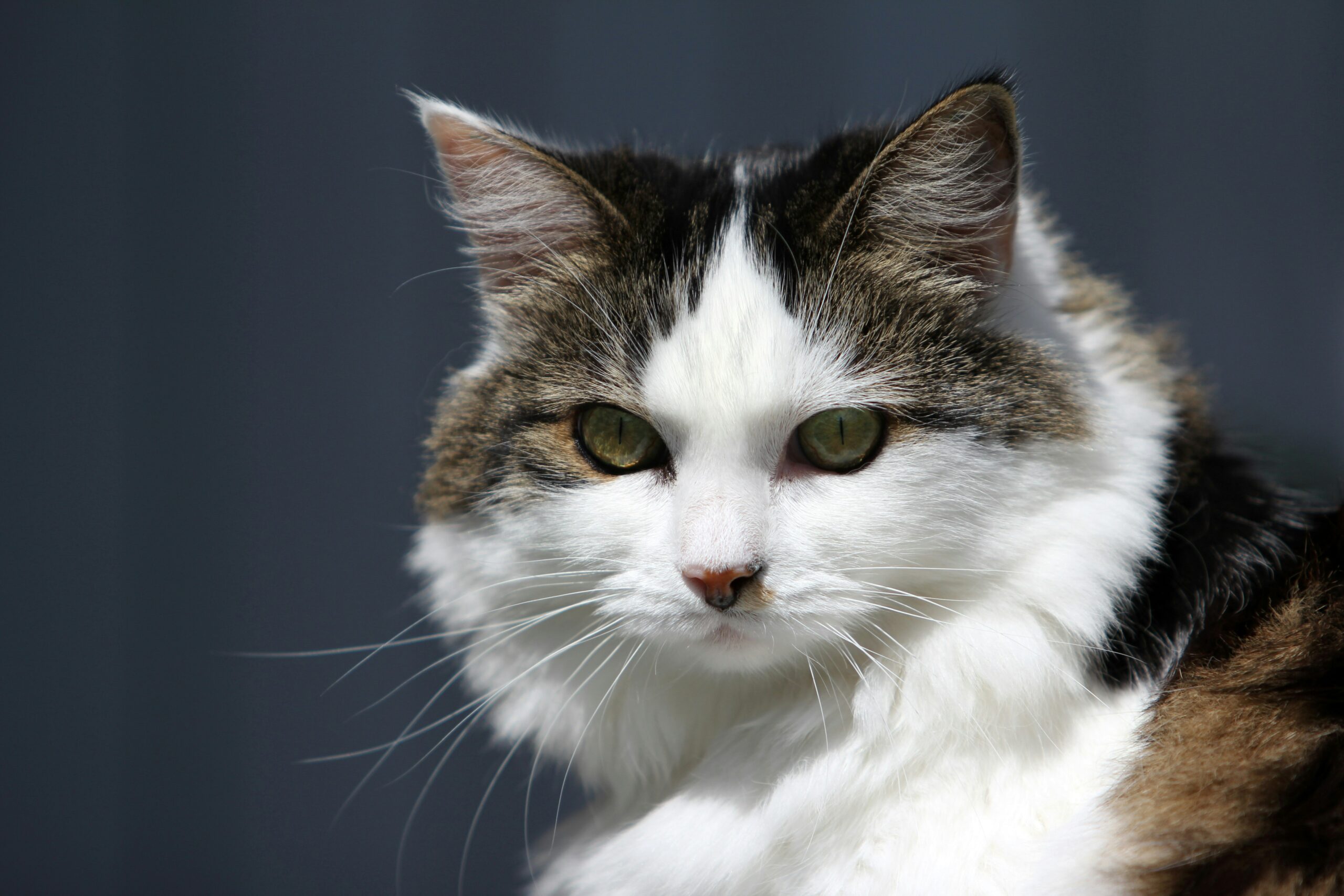
The phenomenon of white cats possessing a striking prevalence of deafness, particularly those with blue eyes, is a well-documented observation that has long intrigued both cat enthusiasts and scientific minds. While anecdotal evidence abounds, a deeper exploration reveals a fascinating biological connection between coat color, specifically the presence of the dominant white gene, and auditory function. This intricate interplay, rooted in genetics and developmental biology, offers a compelling case study in how a single gene can influence multiple seemingly unrelated traits. Understanding this connection requires delving into the mechanisms of pigment production, the development of the inner ear, and the specific genes involved in creating the dazzling white coat and the potential for hearing impairment.
The ubiquity of white fur in certain cat populations is not a matter of chance but a direct result of genetic inheritance. The dominant white gene, often designated as ‘W’, is a powerful descriptor of a cat’s appearance. When present, this gene effectively masks all other color genes that would otherwise determine the cat’s coat pattern and pigment. It’s a dominant trait, meaning that a cat only needs one copy of the W gene from either parent to exhibit a completely white coat. This gene’s influence extends beyond just masking color; it also plays a crucial role in the development of melanocytes, the pigment-producing cells in the body.
The Genetic Blueprint of White Fur
The journey to understanding the white cat’s hearing begins with its genetic makeup. The dominant white gene (W) is the primary architect of its luminous appearance. This gene operates at a fundamental level, influencing the migration and differentiation of melanocytes during embryonic development. Melanocytes are responsible for producing melanin, the pigment that gives fur, skin, and eyes their color. The W gene, in its dominant form, exerts a profound effect on these cells, essentially preventing them from reaching their destinations or from producing pigment.
The Role of Dominant White (W)
The dominant white gene is a classic example of epistasis, where one gene masks the expression of another. Imagine a cat that genetically carries the genes for a tabby pattern or a solid black coat. If it also inherits the dominant white gene, those underlying color genes will be completely overridden, resulting in a pure white feline. This masking effect is not a simple switch; it’s a complex molecular process involving the disruption of melanocyte development and migration pathways. Scientists believe the W gene interferes with signaling molecules that guide melanocytes from their origin in the neural crest to their various destinations in the skin and other tissues.
Understanding Melanocyte Migration
During feline embryogenesis, melanoblasts, the precursor cells to melanocytes, embark on a journey from the neural crest to populate the skin, hair follicles, and even the inner ear. The development and function of these cells are tightly regulated by a cascade of genetic signals. The dominant white gene appears to disrupt this intricate process. In white cats, these melanoblasts may fail to migrate properly to the hair follicles, thus preventing the deposition of melanin and resulting in white fur. Crucially, this disruption can also affect the melanocytes that are essential for the development and function of the inner ear, specifically the stria vascularis.
Research has shown that the coat color of cats can be linked to various genetic factors, including their hearing abilities. For instance, white cats, particularly those with blue eyes, are often associated with congenital deafness due to a specific gene that affects both their pigmentation and auditory function. This fascinating relationship between coat color and hearing is explored in greater detail in the article found at Freaky Science, where the genetic mechanisms behind these traits are discussed.
The Inner Ear’s Dependence on Pigment Cells
The auditory system, particularly the cochlea, relies on a healthy population of melanocytes within the stria vascularis to maintain its delicate electrochemical balance. This vascularized tissue within the cochlea is critical for generating the electrical potentials necessary for hearing. Specifically, it produces endolymph, an ionic fluid rich in potassium, which bathes the hair cells of the inner ear. These hair cells, responsible for transducing sound vibrations into neural signals, are highly sensitive to the ionic composition of their environment.
The Stria Vascularis and its Melanocytes
The stria vascularis is a specialized structure within the cochlea of the inner ear that plays a vital role in hearing. It is a highly vascularized tissue composed of three main cell types: marginal cells, intermediate cells, and basal cells. Among these, the marginal cells are particularly rich in melanin granules, indicating the presence of melanocytes. These melanocytes are not merely passive residents; they actively participate in maintaining the unique ionic environment of the endolymph. They contribute to the potassium ion secretion that establishes the high potassium concentration essential for hair cell function.
Potassium and Auditory Transduction
The efficient functioning of the hair cells within the organ of Corti is critically dependent on the concentration gradient of ions, particularly potassium. The stria vascularis, through the action of its melanocytes, maintains a high concentration of potassium ions in the endolymph. When sound waves enter the ear, they cause vibrations that are transmitted through the cochlea. These vibrations stimulate the hair cells, leading to the opening of ion channels and the influx of potassium. This ion movement generates an electrical signal that is then transmitted to the brain via the auditory nerve, allowing us to perceive sound. Any disruption to the stria vascularis and its melanocytes can therefore have a profound impact on auditory transduction.
The Blue-Eyed White Cat: A Higher Risk Factor

While not all white cats are deaf, and not all deaf cats are white, there is a statistically significant correlation between being a white cat and being deaf, especially when that white cat also possesses blue eyes. This association is not coincidental but is linked to the genetic pathway governing both coat color and eye color, which in turn influences auditory development. The presence of blue eyes in a white cat often signifies a more complete disruption of melanocyte development, which has downstream effects on the inner ear.
The Link Between White Fur and Blue Eyes
The dominant white gene (W) can also influence eye color. In many cases, when the W gene prevents melanocytes from migrating to the hair follicles, it also prevents them from reaching the iris of the eye. The absence of melanin in the iris results in a blue coloration. This is why many entirely white cats have blue eyes. However, it’s important to note that not all white cats have blue eyes. Some white cats may have other eye colors, such as green or amber, indicating that the W gene’s effect on melanocyte migration might be less pervasive or that other genes are also influencing eye pigmentation.
The Ocular-Auditory Connection
The connection between the eye and the ear in white cats, particularly those with blue eyes, is a well-established phenomenon. This link is thought to be due to shared developmental pathways involving melanocytes. The genes that influence melanocyte migration and development can affect both ocular and auditory structures. In blue-eyed white cats, the lack of pigment in the eyes suggests a widespread deficiency in melanocyte presence. This widespread absence is more likely to extend to the stria vascularis in the inner ear, leading to impaired auditory function. Therefore, blue eyes in a white cat serve as a visual indicator of a genetic predisposition towards deafness.
The Mechanisms of Deafness in White Cats
The deafness observed in white cats is typically sensorineural deafness, meaning it affects the inner ear or the auditory nerve. It is not a result of a blockage in the ear canal or damage to the eardrum. The underlying cause is the underdevelopment or dysfunction of the cochlea, specifically the stria vascularis, due to the genetic anomaly that results in white fur. This can manifest as partial or complete hearing loss, often present from birth or developing in the early stages of life.
Congenital Deafness and Developmental Issues
The majority of deafness in white cats is congenital, meaning they are born deaf. This is a direct consequence of the abnormal development of the inner ear structures during gestation. The lack of functional melanocytes in the stria vascularis means that the necessary ionic environment for hair cell function is never properly established. As a result, the hair cells are unable to develop or function correctly, leading to a permanent loss of hearing. In some cases, there might be partial hearing loss, where some auditory function remains, but it is significantly impaired.
The Role of the Piebald Gene and White Spotting
While dominant white is the most prominent cause of complete white fur and deafness, it’s important to acknowledge other genetic factors that can contribute to white spotting and potentially influence hearing. The piebald gene, responsible for irregular patches of white in the coat, can sometimes be associated with deafness in certain breeds, particularly if the white spotting is extensive and covers areas near the ears. However, the deafness associated with piebaldism is often less severe and less prevalent than that seen with the dominant white gene. The precise mechanisms linking extensive white spotting to hearing loss are still being investigated but likely involve disruptions in the development of pigment cells in and around the auditory system.
Research has shown intriguing connections between a cat’s coat color and its hearing abilities, particularly in white cats. A fascinating article discusses how the genetic factors that contribute to a cat’s white coat can also influence its auditory capabilities. For more insights on this topic, you can read the article here: white cat hearing and coat color. Understanding these relationships can shed light on the unique characteristics of different feline breeds.
Breeding Considerations and Future Research
| Coat Color | Hearing Ability | Prevalence of Deafness | Genetic Factors | Notes |
|---|---|---|---|---|
| Solid White | Normal to Deaf | Up to 65% in blue-eyed white cats | Dominant white (W) gene linked to deafness | Higher risk of congenital deafness, especially with blue eyes |
| White with Blue Eyes | Often Deaf | Approximately 40-65% | W gene + OCA2 gene interaction | Blue eyes strongly correlated with deafness |
| White with One Blue Eye | Unilateral Deafness Common | About 28-40% | W gene expression varies per ear | Deafness often affects ear on blue-eyed side |
| White with Non-Blue Eyes | Lower Deafness Risk | Less than 10% | W gene present but less impact on hearing | Better hearing prognosis than blue-eyed counterparts |
| Non-White Cats | Normal Hearing | Rare | Absence of W gene | Deafness usually due to other causes |
The understanding of the genetic link between white fur and deafness has significant implications for responsible cat breeding. While the beauty of a white cat is undeniable, breeders must be aware of the potential for hearing impairment and take measures to mitigate this risk. Continued research into the specific genes and molecular pathways involved is crucial for developing more precise genetic testing and potentially even therapeutic interventions.
Responsible Breeding Practices
For breeders of white cats, particularly those with blue eyes, a thorough understanding of the genetics involved is paramount. It is considered a responsible breeding practice to screen potential breeding cats for hearing status, especially if they possess the genes associated with white fur and blue eyes. This can be done through veterinary audiology tests like brainstem auditory evoked response (BAER) testing, which assesses the electrical activity in the auditory pathway. Breeding two deaf white cats together is strongly discouraged, as it significantly increases the likelihood of producing deaf offspring. Conversely, breeding a white cat with normal hearing to a cat with a different coat color can help to dilute the genetic predisposition to deafness in future generations.
Ongoing Scientific Exploration
The scientific community continues to investigate the intricate genetic mechanisms underlying the connection between white coat color and deafness in cats. Researchers are exploring the precise mutations within the genes responsible for melanocyte development and migration, as well as identifying any other genes that may play a modifying role. Understanding these complex interactions could pave the way for developing carrier tests for the genes associated with deafness, allowing breeders to make more informed decisions. Furthermore, this research contributes to our broader understanding of the genetics of pigmentation and sensory organ development in mammals, with potential applications extending beyond feline health. The journey to unraveling the complete story of the white cat’s hearing is ongoing, promising further insights into the remarkable interplay of genetics and physiology.

Which Cat Color Lives Longest? The Research Has a Twist
FAQs
What is the connection between a white cat’s coat color and hearing?
White cats with blue eyes are more likely to be deaf than white cats with other eye colors. This is due to a genetic link between the gene responsible for white coat color and the gene responsible for hearing.
Are all white cats with blue eyes deaf?
Not all white cats with blue eyes are deaf, but they are at a higher risk of being deaf compared to white cats with other eye colors. It is important to have white cats with blue eyes checked by a veterinarian to assess their hearing.
Can white cats with different coat colors have hearing issues?
While white cats with blue eyes are more prone to hearing issues, white cats with other coat colors can also experience hearing problems. It is essential to monitor all white cats for any signs of hearing impairment and seek veterinary care if necessary.
Do white cats with hearing issues have a lower quality of life?
White cats with hearing issues can still lead happy and fulfilling lives with proper care and attention. They may require some adjustments in their environment to accommodate their hearing impairment, but with love and support, they can thrive just like any other cat.
How can I help a white cat with hearing issues?
If you have a white cat with hearing issues, it is important to provide a safe and secure environment for them. Avoid startling them and consider using visual cues to communicate. Regular veterinary check-ups can help monitor their condition and ensure they receive any necessary treatment or support.