
You might be wondering what makes your induction cooktop so remarkably fast, especially compared to the leisurely pace of your old electric coil or gas burner. It’s not magic; it’s a fascinating interplay of physics and engineering, a scientific marvel that heats your food with impressive speed and precision. This article will demystify the science behind induction cooking, explaining precisely why it’s so quick.
At its core, induction cooking is about electromagnetic fields. Unlike conventional stovetops that generate heat externally and then transfer it to your cookware, induction creates heat directly within the pan itself. This fundamental difference is the key to its speed.
The Electromagnetic Foundation
The process begins with a copper coil placed beneath the ceramic glass surface of your cooktop. When you turn on the burner, an alternating electric current flows through this coil. This alternating current generates a rapidly oscillating magnetic field. Think of it like an invisible force field that extends upwards from the coil.
The Crucial Role of Ferromagnetic Cookware
This magnetic field is where your specially designed cookware comes into play. For induction to work, your pots and pans must be made of a ferromagnetic material. This means they need to contain iron or other magnetic metals. When a ferromagnetic pan is placed on the induction burner, the oscillating magnetic field penetrates the pan’s base.
Why Iron is Key
Iron, and materials like it, have a unique property: they are easily magnetized. When exposed to an external magnetic field, the tiny magnetic domains within the iron align themselves with this field. In the case of induction, the alternating magnetic field causes these domains to rapidly flip back and forth, essentially vibrating.
Inducing the Current: The Birth of Heat
This rapid flipping of magnetic domains within the pan is the crucial step. According to Faraday’s Law of Electromagnetic Induction, a changing magnetic field can induce an electric current in a conductor. In your ferromagnetic cookware, this induced current is called an “eddy current.”
Eddy Currents: The Invisible Heaters
These eddy currents are not flowing smoothly like the current in your household wiring. Instead, they are swirling, localized currents that flow in tiny circular paths within the base of the pan. Imagine microscopic whirlpools of electricity dancing within the metal.
Induction cooking has gained popularity for its remarkable speed and efficiency in the kitchen. This method utilizes electromagnetic energy to directly heat pots and pans, allowing for rapid temperature changes and faster cooking times compared to traditional gas or electric stoves. For a deeper understanding of the science behind induction cooking and its benefits, you can read a related article on this topic at Freaky Science.
The Science of Resistance: Generating Heat
Now that you have these eddy currents, the magic of heat generation can truly begin. The speed at which these currents flow is directly related to the speed of the oscillating magnetic field. And as these currents attempt to flow through the metal of your pan, they encounter resistance.
Resistance to Flow
All electrical conductors have some inherent resistance to the flow of electricity. Even highly conductive metals like copper and aluminum have a small amount of resistance. However, the materials used in induction-compatible cookware, while good conductors, are specifically chosen for their magnetic properties, which also contribute to their electrical resistance.
Joule Heating: The Unavoidable Consequence
As the eddy currents are forced to flow through the resistive material of the pan, a significant amount of electrical energy is converted into thermal energy. This phenomenon is known as Joule heating, or sometimes resistive heating. It’s the same principle that makes the filament in an incandescent light bulb glow red-hot. The faster the eddy currents flow and the higher their density, the more heat is generated.
The Direct Connection: Pan to Heat
Because the eddy currents are induced directly within the base of the pan, the heat is generated precisely where you need it: in contact with your food. This is a stark contrast to gas or electric coil cooktops, where heat must first be produced in the burner and then transferred through conduction and convection to the pan. This direct generation of heat is a major contributor to induction’s speed.
Why Induction is Faster: A Comparative Analysis

To truly appreciate the speed of induction, it’s helpful to compare it to its conventional counterparts: electric resistance (coil or smooth top) and gas cooking. Each method has its own mechanism of heat transfer, and understanding these differences highlights why induction reigns supreme in terms of rapid heating.
Electric Resistance Cooking: The Slow Burn
In electric resistance cooking, electricity flows through a resistive element (either a coil or a heating element beneath a ceramic glass surface). This element heats up, becoming red-hot. This heat is then transferred to the cookware through direct contact (conduction).
The Inefficiencies of Transfer
The problem with electric resistance is the inefficient transfer of heat from the element to the pan. There are always gaps and imperfections in the contact surface, and heat is lost to the surrounding air through convection and radiation. This means a significant portion of the energy generated by the heating element is wasted before it even reaches your food. The process is inherently slower because you’re waiting for the element to heat up and then for that heat to transfer.
Gas Cooking: The Trial and Error of Flames
Gas cooking involves burning natural gas or propane to produce a flame. This flame directly heats the bottom of the cookware through convection and radiation.
The Problem of Heat Distribution
While gas can heat the pan relatively quickly, it has a significant drawback: uneven heat distribution. The flame can be difficult to control precisely, leading to hot spots and cooler areas in the pan. Furthermore, a substantial amount of heat from the flame escapes around the sides of the pan, dissipating into the kitchen air. This wasted energy means the process is less efficient, and achieving a precise, rapid boil can sometimes be a guessing game.
Induction’s Advantage: Direct Energy Transfer
Induction cooking bypasses these inefficiencies. The energy is not primarily heating the air or the ceramic surface; it’s directly exciting the molecules within the pan itself. This direct energy transfer means far less energy is wasted, and the heat is generated precisely where it’s needed, leading to significantly faster heating times.
Factors Influencing Induction Speed
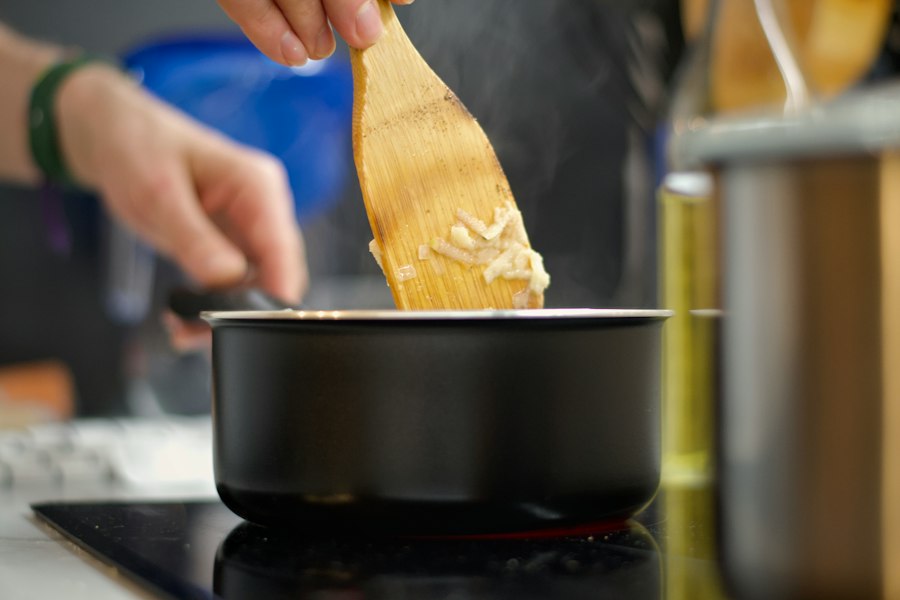
While induction cooking is inherently fast, several factors can influence precisely how quickly your food heats up. Understanding these variables can help you optimize your cooking experience.
Pan Material and Thickness
As discussed, the ferromagnetic properties of your cookware are paramount. Pans made of pure stainless steel or aluminum (which are not ferromagnetic) will not work on an induction cooktop. Even within compatible materials, variations exist. Cast iron, for instance, is highly ferromagnetic and heats up very quickly. Enamel-coated cast iron also works well.
The Importance of the Base
The thickness and composition of the pan’s base are also critical. A thicker base generally provides more surface area for eddy currents to form, leading to more efficient heating. However, an excessively thick base could slightly slow down the initial heating process. The quality of the ferromagnetic material used in the pan’s construction also plays a role.
Power Levels and Frequency
Induction cooktops offer various power levels, allowing you to control the intensity of the magnetic field. Higher power settings mean a stronger magnetic field and therefore more intense eddy currents, resulting in faster heating.
The Role of Frequency
The frequency of the alternating current flowing through the induction coil also affects the speed of heating. Most induction cooktops operate at frequencies between 20 and 100 kHz. Higher frequencies generally lead to faster heating because they cause the magnetic domains in the pan to flip more rapidly. The precise frequency used is a design choice by the manufacturer, often balancing heating speed with efficiency and durability.
Size of the Cooktop Element and Pan
The size of the induction element on your cooktop and the size of the pan you are using are also important. For optimal performance and speed, the base of your pan should ideally match the size of the induction element. If the pan is significantly smaller than the element, the magnetic field won’t be fully utilized, leading to slower heating. Conversely, if the pan is too large, it might not be fully heated by the element.
Induction cooking is renowned for its speed and efficiency, primarily due to the way it directly heats cookware through electromagnetic energy, allowing for rapid temperature adjustments. This innovative technology not only reduces cooking times but also enhances energy efficiency compared to traditional methods. For a deeper understanding of the science behind this cooking technique, you can explore a related article that delves into the principles of induction cooking and its advantages. Check it out here to learn more about why induction cooking is becoming increasingly popular in modern kitchens.
The Science of Precision and Responsiveness
| Metric | Induction Cooking | Traditional Gas/Electric Cooking | Reason for Speed |
|---|---|---|---|
| Heat Transfer Efficiency | 85-90% | 40-55% | Direct electromagnetic heating reduces energy loss |
| Time to Boil 1 Liter of Water | 4-5 minutes | 7-10 minutes | Faster heat generation and transfer to cookware |
| Heat-Up Time | Instant (seconds) | 1-3 minutes | Electromagnetic field heats cookware directly |
| Temperature Control Response | Immediate | Delayed | Precise and rapid adjustment of heat output |
| Energy Loss to Surroundings | Minimal | Significant | Less wasted heat means faster cooking |
Beyond sheer speed, induction cooking offers remarkable precision and responsiveness, which are also rooted in its scientific principles. This control further enhances the cooking experience and contributes to efficient meal preparation.
Instantaneous Heat Control
When you adjust the power setting on an induction cooktop, you’re directly controlling the intensity of the magnetic field and, consequently, the strength of the eddy currents. This means the heat generated in the pan changes almost instantaneously.
No Lag Time
Unlike gas or electric resistance, there’s no significant lag time. When you turn down the heat on an induction burner, the heating stops almost immediately. When you turn it up, the heat generation kicks in instantly. This allows for incredibly precise temperature control, making it easier to sear delicate ingredients or maintain a gentle simmer.
Energy Efficiency: A Sustainable Advantage
The direct heating mechanism of induction cooking makes it incredibly energy-efficient. As we’ve discussed, very little energy is lost to the surrounding environment. This means more of the electricity you consume is converted into actual heat for your food.
Reducing Your Carbon Footprint
This energy efficiency translates to lower electricity bills and a reduced environmental impact. When compared to gas cooktops, which can lose a significant amount of heat to the air, induction is demonstrably more sustainable. This aspect is becoming increasingly important for many consumers.
Safety Features: Built-in Intelligence
The scientific principles behind induction also contribute to enhanced safety. Because the cooktop surface itself is not directly heated by a resistive element or flame, it remains cooler than conventional cooktops.
Reduced Burn Risk
While the pan gets hot, the surrounding ceramic glass only heats up indirectly from the hot pan. This significantly reduces the risk of accidental burns. Many induction cooktops also feature automatic shut-off mechanisms if no ferromagnetic pan is detected or if the pan is removed from the burner, further enhancing safety.
Conclusion: The Induction Advantage in Your Kitchen
You now understand that the speed of induction cooking isn’t a trick of the light or a marketing gimmick. It’s a sophisticated application of electromagnetic principles. The ability to directly induce eddy currents within ferromagnetic cookware and convert that electrical energy into heat through resistance is a fundamentally more efficient and faster process than conventional heating methods.
From the oscillating magnetic field generated by the copper coil to the rapid flipping of magnetic domains in your pan, each step in the induction process is designed to deliver heat precisely where you need it, when you need it. This scientific elegance translates into a practical advantage for you in the kitchen: faster cooking times, incredible control, and a more energy-efficient and safer cooking experience. So, the next time you witness your induction cooktop bringing water to a boil in a flash or searing a steak to perfection with unparalleled speed, you can appreciate the brilliant science at play.
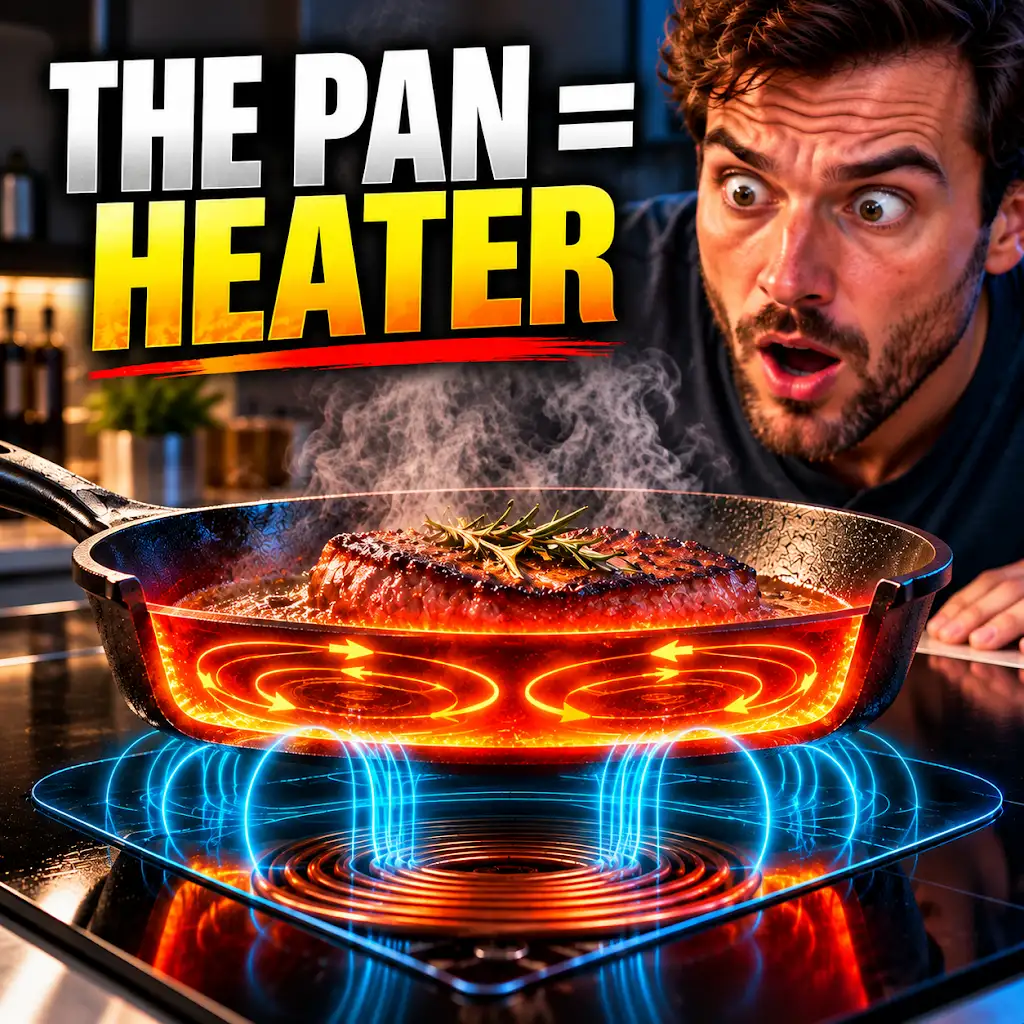
The Pan Is the Heater: How Induction Cooking Really Works
FAQs
What is induction cooking?
Induction cooking is a method of cooking that uses electromagnetic energy to heat pots and pans directly, rather than relying on heat transfer from a burner to the cookware.
How does induction cooking work?
Induction cooking works by creating a magnetic field between the cooktop and the cookware. This magnetic field generates heat directly in the cookware, allowing for faster and more efficient cooking.
Why is induction cooking so fast?
Induction cooking is fast because it heats up the cookware directly, rather than heating up a burner first and then transferring that heat to the cookware. This direct heat transfer results in quicker cooking times.
What are the benefits of induction cooking?
Some benefits of induction cooking include faster cooking times, more precise temperature control, energy efficiency, and a cooler cooking surface compared to traditional gas or electric cooktops.
Are there any downsides to induction cooking?
One potential downside to induction cooking is that it requires cookware that is compatible with induction technology, which may be an additional cost for some users. Additionally, induction cooktops can be more expensive upfront compared to traditional gas or electric cooktops.