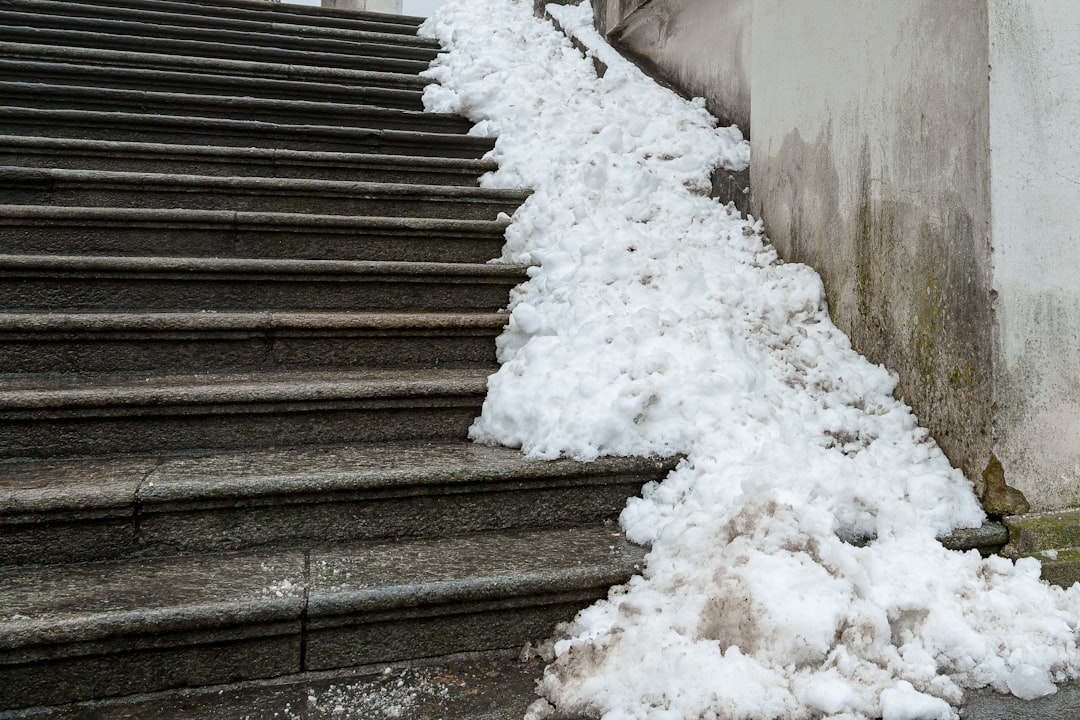
The deceptively simple act of walking on ice often leads to a humbling realization: gravity’s grip feels amplified. This universally experienced phenomenon, the notorious slipperiness of ice, has long been a subject of both practical concern and scientific curiosity. While common sense might suggest that frozen water would offer a solid, gripping surface, the reality is far more nuanced and, as it turns out, remarkably elegant. The key to ice’s treacherous nature lies not in its solid state, but in the ephemeral, almost invisible, film of liquid water that coats its surface. This thin layer, a consequence of complex physics and thermodynamics, dramatically reduces the friction between ice and any object attempting to traverse it. Understanding this “slippery science” requires delving into the molecular dance that occurs at the interface between a solid and its liquid counterpart, a realm where pressure, temperature, and molecular motion conspire to create such a slick experience.
For centuries, people have grappled with the slippery nature of ice. Whether it was ice skaters gliding effortlessly across frozen ponds or pedestrians struggling to maintain their footing on icy sidewalks, the phenomenon was undeniable. The intuitive explanation often centered on ice being inherently smooth, and therefore slippery. However, as scientific inquiry progressed, a more intricate picture began to emerge, revealing that the smoothness of the ice itself was only part of the story. The true culprit, the secret agent of slipperiness, was identified as a thin film of liquid water. This realization challenged existing paradigms and opened up new avenues of research into the physics of interfaces and friction.
Early Observations and Intuitive Explanations
Before the advent of advanced scientific tools, observations about ice’s slipperiness were largely anecdotal and based on everyday experiences. The common belief was that ice was simply a very smooth solid, much like polished glass. This smoothness, it was reasoned, offered little resistance to movement, leading to the sensation of slipping. This explanation, while seemingly logical, failed to account for variations in slipperiness and the fact that other smooth surfaces, like polished wood, don’t exhibit the same degree of slipperiness as ice under normal conditions. The lack of a deeper scientific understanding meant that practical solutions, like spreading sand or salt on icy surfaces, were empirical rather than derived from a fundamental principle.
The Dawn of Scientific Inquiry: Pressure and Heat
The late 19th century marked a turning point in the scientific understanding of ice slipperiness. Pioneering scientists began to investigate the role of pressure in melting ice. The observation that pressure could lower the melting point of ice was crucial. This phenomenon, known as pressure melting, suggested that the weight of an object in contact with ice could create a localized thin layer of liquid water, thereby facilitating movement. This was particularly relevant to activities like ice skating, where the skater’s weight is concentrated on narrow blades.
The Concept of Pressure Melting Explained
Pressure melting is a thermodynamic phenomenon governed by the Clausius-Clapeyron relation. This relation describes how the phase transition temperature of a substance changes with pressure. For most substances, an increase in pressure leads to an increase in their melting or boiling point. However, ice is a remarkable exception. Due to its unique crystalline structure and the way water molecules arrange themselves in solid form, increasing pressure forces the molecules closer together. This closer packing is more characteristic of the liquid state than the solid, thus favoring the liquid phase. Consequently, ice melts at a lower temperature under increased pressure.
Ice Skating as a Practical Example
The sport of ice skating provides a vivid demonstration of pressure melting in action. The sharp blades of ice skates exert significant pressure on the ice beneath them. This pressure lowers the melting point of the ice directly under the blade, creating a thin film of liquid water. This water acts as a lubricant, allowing the skate to glide smoothly across the ice with minimal friction. Without this pressure-induced melting, ice skating would be significantly more difficult, if not impossible, with the blades likely to dig into the ice rather than slide over it.
The Discovery of Surface Melting: A Deeper Truth
While pressure melting explained some aspects of ice slipperiness, particularly for activities involving significant weight, it didn’t account for why ice is slippery even when there is no significant external pressure applied, such as when walking on a flat ice surface. The breakthrough came with the understanding of “surface melting” or “quasi-liquid layer” theory. This theory proposed that even below the freezing point, a thin layer of liquid water exists on the surface of ice due to the unique behavior of molecules at the interface.
Molecular Motion and the Quasi-Liquid Layer
At the surface of any solid, the molecules are in a state of constant motion. In the case of ice, the molecules in the bulk of the solid are held in a rigid crystalline lattice. However, at the surface, the molecules are less constrained. They experience weaker intermolecular forces from the surrounding air or vacuum compared to the strong forces from neighboring molecules in the bulk. This reduced constraint, coupled with thermal energy, leads to a degree of disorder and increased mobility at the surface. This disordered layer, even at temperatures significantly below 0°C, behaves more like a liquid than a solid, hence the term “quasi-liquid layer.”
The Role of Temperature in Surface Melting
The thickness and properties of this quasi-liquid layer are highly dependent on temperature. As the temperature of the ice approaches the freezing point, the thermal energy of the surface molecules increases, leading to greater disorder and a thicker quasi-liquid layer. Conversely, at very low temperatures, the quasi-liquid layer is extremely thin, and the ice surface behaves more like a solid, offering greater friction. This explains why ice can feel less slippery in extremely cold conditions compared to temperatures closer to freezing.
The phenomenon of why cold ice is slippery has intrigued scientists and casual observers alike, leading to various studies and explanations. A related article that delves deeper into this topic can be found at Freaky Science, where it explores the molecular structure of ice and how a thin layer of water forms on its surface, reducing friction and making it slippery. Understanding these principles not only enhances our knowledge of physics but also has practical implications in sports, transportation, and safety.
The Friction Factor: Why Liquid Water Makes Ice Slick
The presence of this thin liquid water layer is the primary reason for ice’s slipperiness. Friction, in essence, is the resistance to motion between two surfaces in contact. The interaction between the solid ice crystal and the object attempting to move over it involves various forces. However, when a liquid layer intervenes, these forces are dramatically altered, leading to a significant reduction in friction.
Understanding Friction at the Microscopic Level
Friction arises from a combination of factors, including the interlocking of surface irregularities (adhesion) and the deformation of the materials. On a microscopic level, even seemingly smooth surfaces are rough, with peaks and valleys. When two surfaces come into contact, these peaks can interlock, creating resistance to movement. Additionally, the intimate contact between the surfaces can lead to attractive forces between molecules, known as adhesive forces, which also contribute to friction.
Adhesive Forces and Intermolecular Interactions
Adhesive forces play a significant role in friction. These forces are a result of the electromagnetic interactions between the atoms and molecules of the two surfaces. When surfaces are brought into very close contact, these forces can become quite strong, effectively “sticking” the surfaces together. This is particularly true for materials that are chemically similar or have a high degree of surface energy.
Surface Roughness and Ploughing Effects
Surface roughness also contributes to friction through a mechanism known as ploughing. If the asperities (microscopic peaks) of one surface are harder than the other, they can dig into and deform the softer surface as they move, creating a resistance to motion. This effect is analogous to a plough digging into soil.
The Lubricating Power of Water
Water, even in its liquid form, possesses lubricating properties. When a thin layer of water exists between two surfaces, it acts as a buffer, preventing direct contact between the asperities of the ice and the object. The water molecules can move and shear past each other relatively easily, providing a low-resistance interface. This significantly reduces both the adhesive forces and the ploughing effects that would otherwise contribute to friction.
Molecular Structure of Liquid Water
The molecular structure of liquid water is characterized by a dynamic network of hydrogen bonds. These bonds are constantly breaking and reforming, allowing the water molecules to flow and slide past each other. This fluidity is the basis of water’s lubricating ability. Compared to the rigid structure of ice, the flexibility of liquid water is key to its effectiveness as a lubricant.
Reduced Contact Area and Interlocking
The liquid water layer effectively reduces the real contact area between the ice and the object. Instead of direct interlocking of ice crystals with the material of the shoe sole or skate blade, the contact is now between the material and the water, and the water and the ice. This separation minimizes the opportunity for strong adhesive forces and physical interlocking, thus drastically lowering the coefficient of friction.
Factors Influencing Ice Slipperiness: Beyond Temperature
While temperature is a primary driver of the quasi-liquid layer’s thickness, several other factors can influence the degree to which ice feels slippery. These factors can either enhance or mitigate the effect of the liquid water film, leading to variations in slipperiness even at the same temperature.
The Role of Impurities in Ice
The presence of impurities, such as salt, sand, or dirt, can significantly alter the slipperiness of ice. Salts, for instance, dissolve in the thin film of water, forming a brine solution. Brine has a lower freezing point than pure water, meaning it remains liquid at temperatures below 0°C. This can lead to a thicker, more persistent liquid layer, making the ice even more slippery. Conversely, rough impurities like sand can increase friction by providing more points of contact and disrupting the smooth flow of the liquid layer.
Salt and De-icing: A Double-Edged Sword
Common de-icing agents like rock salt (sodium chloride) work by lowering the freezing point of water. When salt comes into contact with ice, it dissolves and forms a solution that can remain liquid at temperatures below 0°C. This continuous presence of liquid water makes the ice more slippery. However, salt also has other effects. It can chemically react with some materials, leading to corrosion, and can also be environmentally detrimental. The effectiveness of salt is also temperature-dependent, becoming less efficient at very low temperatures.
Dirt and Grit: Increasing Traction
The accumulation of dirt, sand, or grit on an icy surface can paradoxically increase traction. These particles, being solid and often rough, can embed themselves into the ice or the thin liquid layer, providing more points of contact and hindering the smooth sliding motion. This is why sandy or gritty ice can sometimes feel less slippery than clean, smooth ice.
The Influence of Surface Roughness
The intrinsic roughness of the ice surface itself plays a role. While the quasi-liquid layer is present on all ice surfaces, its interaction with a rough surface can be different from its interaction with a smooth one. A perfectly smooth ice surface might allow the liquid layer to spread more evenly, creating a highly lubricated interface. However, a slightly rougher surface might have micro-irregularities that can trap or disrupt the liquid layer in certain areas, potentially leading to localized increases in friction.
Microscopic Topography and Friction
Even seemingly smooth ice has microscopic irregularities. These irregularities, or asperities, can affect how the liquid layer behaves. If the asperities are sharp and numerous, they can create areas where the liquid layer is thinner, and direct contact between the object and the ice is more likely, leading to higher friction in those specific spots. Conversely, if the asperities are rounded, they might not interfere as much with the continuous liquid film.
The Impact of Different Materials
The material trying to move over the ice also matters. A sharp ice skate blade, designed to concentrate pressure, will behave differently than the relatively flat sole of a shoe. The surface properties of the material, such as its porosity or its chemical affinity to water, can also influence the interaction with the liquid layer and the overall slipperiness.
Beyond the Liquid Film: Other Contributing Factors to Slipperiness
While the liquid water layer is the dominant factor in ice slipperiness, other physical phenomena can also contribute, especially under specific conditions. These secondary factors, though less significant in everyday scenarios, highlight the complexity of the ice-surface interface.
The Influence of Adsorption Layers
Beyond the quasi-liquid layer, there can be other adsorbed molecular layers on the ice surface. These layers are formed by molecules from the surrounding environment (e.g., gases in the air) that attach themselves to the ice surface. The nature and thickness of these adsorbed layers can subtly alter the frictional properties of the ice.
Gas Molecules and Surface Interactions
Atmospheric gases, such as nitrogen and oxygen, can adsorb onto the ice surface. The degree of adsorption depends on the temperature and the partial pressure of the gases. These adsorbed molecules can create an additional interface between the ice and the object, potentially modifying the frictional forces.
Water Vapor and Surface Condensation
Water vapor in the air can also condense on the ice surface, contributing to the liquid layer or forming frost. The presence of frost, with its intricate crystalline structures, can significantly increase friction and reduce slipperiness, especially at very low temperatures where the quasi-liquid layer might be minimal.
The Phenomenon of “Dry” Slipperiness: A Theoretical Consideration
While the liquid water layer is the established explanation, there have been theoretical considerations about whether “truly dry” ice could still be slippery. This remains a subject of debate and advanced research. Some theories suggest that at extremely low temperatures, where the quasi-liquid layer is negligible, other mechanisms related to the crystalline structure and inter-molecular forces might contribute to reduced friction. However, these are generally considered extreme cases and not applicable to everyday ice.
Molecular Dynamics Simulations and Friction
Modern scientific tools, such as molecular dynamics simulations, allow researchers to model the behavior of molecules at the ice surface. These simulations can explore the frictional forces at a fundamental level, investigating how molecular arrangements and interactions contribute to macroscopic properties like slipperiness.
Extreme Cold and Molecular Ordering
Under extremely low temperatures, the thermal motion of molecules in the quasi-liquid layer becomes significantly reduced. This leads to a more ordered structure, approaching that of solid ice. In such conditions, the lubricating effect of the liquid layer diminishes, and the ice surface would likely become less slippery.
The phenomenon of why cold ice is slippery has intrigued scientists for years, and a related article explores the fascinating science behind this effect. When pressure is applied to ice, it can cause a thin layer of water to form on its surface, creating a slippery interface. This concept is further elaborated in an insightful piece that delves into the molecular interactions at play. To learn more about this intriguing topic, you can read the full article here. Understanding the mechanics of ice can help us better navigate icy conditions and appreciate the complexities of physics in our everyday lives.
Practical Implications and Applications of Understanding Ice Slipperiness
| Reasons Why Cold Ice is Slippery |
|---|
| 1. Thin Layer of Water: When pressure is applied to ice, it melts slightly, creating a thin layer of water that acts as a lubricant, making it slippery. |
| 2. Smooth Surface: Ice has a smooth surface, which reduces friction and makes it easier for objects to slide across it. |
| 3. Low Coefficient of Friction: The molecular structure of ice results in a low coefficient of friction, making it more slippery than other surfaces. |
| 4. Pressure Melting: When an object applies pressure to ice, it can cause the ice to melt slightly, creating a slippery surface. |
The scientific understanding of why ice is slippery has far-reaching practical implications and has led to the development of various technologies and strategies for managing icy conditions. From sports equipment to road safety, this knowledge is actively applied.
Sports and Recreation: Enhancing Performance and Safety
The principles of ice slipperiness are fundamental to sports like ice hockey, figure skating, and speed skating. Equipment design, such as the sharpness and profile of skate blades, is optimized to create the desired amount of friction for specific maneuvers. Understanding how temperature and surface conditions affect slipperiness allows athletes to adapt their techniques and equipment for optimal performance and safety.
Skate Blade Design and Sharpening
The curvature and sharpness of ice skate blades are critical. A sharper blade concentrates pressure more effectively, leading to greater pressure melting and a thinner, more lubricating water layer, which is ideal for gliding. Conversely, for sports requiring more grip, such as some forms of hockey, the blade design might incorporate features to increase friction.
Snow and Ice Sports Equipment
For sports played on snow and ice, like skiing and snowboarding, the interaction between the base of the equipment and the surface is crucial. Base materials, waxes, and edge designs are all engineered to control friction, allowing for efficient gliding, turning, and stopping.
Civil Engineering and Road Safety: Managing Winter Conditions
The slipperiness of ice poses significant challenges for transportation infrastructure. Road authorities employ various methods to combat icy roads, informed by the scientific understanding of friction and melting. These include the strategic use of de-icing agents, abrasive materials, and innovative pavement designs.
De-icing and Anti-icing Strategies
The application of salts and other chemicals is a primary method for de-icing roads. Understanding the freezing point depression and the temperature limitations of these agents is essential for effective application. Anti-icing strategies, which involve applying treatments before ice forms, are also employed to prevent ice accumulation.
Pavement Materials and Surface Treatments
Research into pavement materials that can reduce ice adhesion or promote melting is ongoing. Some experimental pavements incorporate embedded heating elements or special coatings to manage ice formation. The texture and porosity of pavement surfaces also influence how ice adheres and how easily it can be removed.
Beyond the Obvious: Niche Applications and Future Research
The understanding of ice slipperiness also finds its way into more niche applications. For instance, in cold storage facilities, managing ice buildup and its associated slipperiness is crucial for operational efficiency and worker safety. Future research continues to explore the fundamental physics of ice friction, potentially leading to new materials or methods for controlling friction in a wide range of applications.
Cold Storage and Ice Management
In industrial freezers and refrigerators, the formation of ice on surfaces can lead to significant problems. Managing this ice buildup, both in terms of its insulating properties and its slipperiness, is an important aspect of maintaining efficient operations and preventing accidents.
Advanced Materials and Friction Control
The quest for materials with controllable frictional properties is an active area of research. Understanding the molecular mechanisms behind ice slipperiness could inspire the development of novel coatings or surfaces that can exhibit tunable friction, useful in fields ranging from robotics to consumer products.
Conclusion: The Elegant Simplicity of a Slippery Truth
The slippery nature of ice, a phenomenon so familiar yet so complex, ultimately boils down to a simple, elegant truth: a thin film of liquid water. This ephemeral layer, born from the intricate interplay of molecular forces, temperature, and pressure, acts as a potent lubricant, dramatically reducing the friction between the ice and any object attempting to traverse its surface. From the effortless glide of an ice skater to the treacherous conditions of an icy road, the science behind this slippery truth is a testament to the profound insights that can be gained by looking beyond the obvious and delving into the fundamental principles of physics and chemistry. The ongoing exploration of this seemingly simple phenomenon continues to yield practical applications and inspire new avenues of scientific discovery, reminding us that even in the most commonplace of experiences, there lies a universe of fascinating science waiting to be understood.

Why Ice Is Slippery Is Stranger Than You Think
FAQs
1. Why is cold ice slippery?
Cold ice is slippery because when pressure is applied to the ice, it melts slightly, creating a thin layer of water on the surface. This thin layer of water reduces the friction between the ice and any object or person moving across it, making it slippery.
2. Does the temperature of the ice affect its slipperiness?
Yes, the temperature of the ice does affect its slipperiness. Colder temperatures result in less melting of the ice, which means there is less water on the surface to reduce friction. Therefore, colder ice is generally less slippery than ice at warmer temperatures.
3. What role does pressure play in making ice slippery?
When pressure is applied to ice, it causes the ice to melt slightly, creating a thin layer of water on the surface. This thin layer of water reduces the friction between the ice and any object or person moving across it, making it slippery.
4. Can anything be done to reduce the slipperiness of ice?
To reduce the slipperiness of ice, substances such as sand, salt, or gravel can be spread on the surface to increase traction. Additionally, using footwear with good traction or adding ice cleats to shoes can also help reduce the risk of slipping on ice.
5. Are there any safety precautions to take when walking on slippery ice?
When walking on slippery ice, it is important to take small, deliberate steps and to walk with a wider stance to maintain balance. It is also advisable to wear footwear with good traction and to use handrails or other stable objects for support when available.