
The Silent Killer: Hydrogen Sulfide Euxinia and Ocean Death
The vast, blue expanse of Earth’s oceans, a cradle of life and a vital regulator of the planet’s climate, harbors a dark secret. Beneath the sunlit surface, where vibrant ecosystems teem with biodiversity, lie regions shrouded in a perpetual, deadly murk. This is the world of euxinia – a state of anoxia and the presence of hydrogen sulfide – a potent chemical weapon wielded by microbial life that can transform thriving marine environments into barren, lifeless voids. Hydrogen sulfide (H₂S), a gas famously associated with the unpleasant odor of rotten eggs, is far more insidious in the marine context. When released in concentrated forms, it acts as a silent killer, systematically dismantling the intricate web of life that depends on oxygen. This article delves into the phenomenon of hydrogen sulfide euxinia, exploring its causes, consequences, and the potential implications for the future of our oceans.
Euxinia is a specific type of anoxic condition (lack of oxygen) characterized by the simultaneous presence of dissolved hydrogen sulfide. The term itself, derived from the Greek word “euxinos” meaning hospitable, offers a stark irony, as these environments are anything but welcoming to most marine organisms.
The Anoxic Undercurrents
The Oxygen Scavengers
At the heart of anoxia lies a metabolic process that consumes oxygen at an accelerated rate. This is often driven by the decomposition of organic matter. When organisms die, their bodies are broken down by bacteria. In aerobic decomposition, this process utilizes dissolved oxygen.
The Sulfate-Reducing Scourge
In environments where oxygen is depleted, a remarkable group of microorganisms, known as sulfate-reducing bacteria (SRB), takes center stage. These anaerobic powerhouses have evolved a unique metabolic pathway: they use sulfate, a readily available compound in seawater, as their electron acceptor in respiration, instead of oxygen. The end product of this process is hydrogen sulfide.
The Chemical Equation of Destruction
The simplified chemical reaction that underpins euxinia driven by SRB is as follows:
$SO_4^{2-} + 2CH_2O + H^+ rightarrow H_2S + 2HCO_3^-$
In essence, sulfate ($SO_4^{2-}$) reacts with organic matter ($CH_2O$) to produce hydrogen sulfide ($H_2S$) and bicarbonate ions ($HCO_3^-$). This metabolic engine, when running unchecked in oxygen-depleted waters, is the primary generator of the toxic gas.
Recent studies have highlighted the alarming phenomenon of hydrogen sulfide euxinia, which poses a significant threat to marine ecosystems and has been linked to mass oceanic die-offs. For a deeper understanding of this critical issue, you can explore a related article that delves into the implications of hydrogen sulfide on ocean life and the broader environmental consequences. To read more about this topic, visit Freaky Science.
The Genesis of Euxinic Zones: Where Oxygen Fades
The creation of anoxic and subsequently euxinic zones is a complex interplay of geological, oceanographic, and biological factors. These zones are not static but can fluctuate in size and intensity, influenced by a variety of environmental drivers.
Stratification: The Deadly Layers
Density Differences: The Unseen Barriers
Ocean stratification occurs when layers of water with different densities form and remain separated, much like oil and water. Density is primarily determined by temperature and salinity. Colder, saltier water is denser and sinks below warmer, less salty water. This creates a natural barrier, preventing the mixing of oxygen-rich surface waters with deeper, oxygen-poor waters.
Restricted Ventilation: The Stifled Exchange
In basins with limited water circulation, such as semi-enclosed seas or fjords, the exchange of water with the open ocean is restricted. This isolation prevents the replenishment of oxygen in the deeper layers. Without constant inflow of fresh, oxygenated water, any oxygen consumed in the depths is not replenished, setting the stage for anoxia.
Overwhelming Organic Load: The Suffocating Bloom
Nutrient Runoff: The Fertilizer Bomb
Human activities, particularly agriculture and sewage discharge, are major contributors to nutrient enrichment in coastal waters and open ocean gyres. Nitrogen and phosphorus, essential nutrients for plant growth, act as fertilizers. When these nutrients enter the ocean in excessive amounts, they fuel explosive blooms of phytoplankton, microscopic marine algae.
The Bloom’s Aftermath: A Feast for Decomposers
When these massive phytoplankton blooms die, their organic matter sinks to the ocean floor. This immense influx of organic material provides a substantial food source for heterotrophic bacteria. The sheer volume of decomposition overwhelms the available oxygen, leading to rapid oxygen depletion and the onset of anoxic conditions.
Geological Archetypes: Ancient Basins and Dead Zones
Certain geological formations are predisposed to hosting euxinic conditions. Ancient ocean basins with limited outflow, hydrothermal vents releasing sulfur compounds, and areas with significant methane seeps can create localized or widespread euxinic environments. These have existed throughout Earth’s history, long before human influence.
The Grim Reaper’s Toll: Consequences of H₂S Euxinia
The pervasive presence of hydrogen sulfide is anathema to most marine life. Its toxicity is not a subtle hint but a swift and brutal elimination of entire ecosystems.
The Biological Siege: A Mass Extinction Event
Fish Suffocation: The Gasping Goodbye
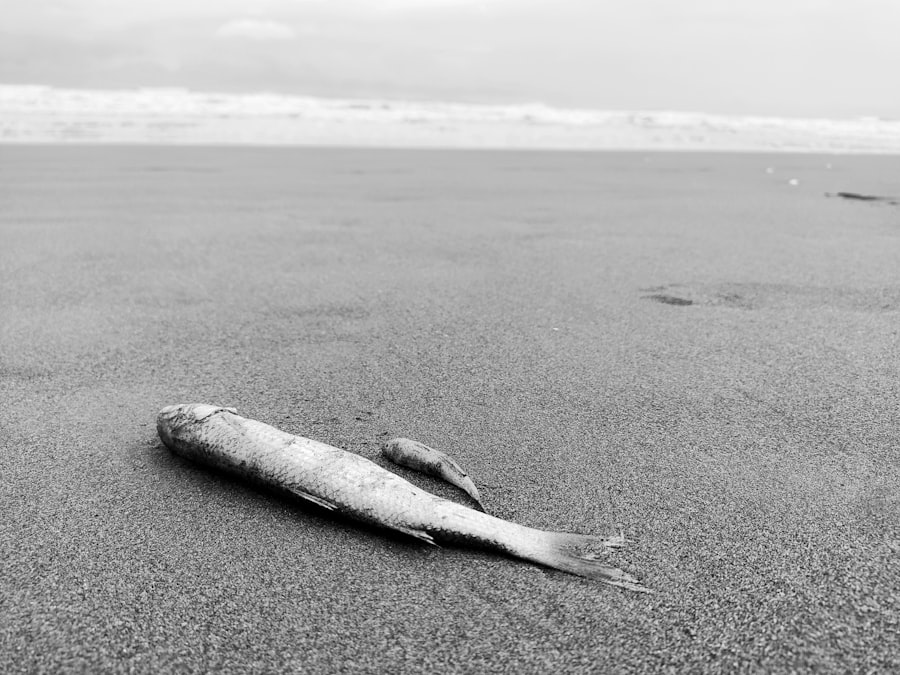
Fish, like most complex aquatic organisms, rely on dissolved oxygen in the water for respiration, extracting it through their gills. In euxinic waters, oxygen is absent, and the hydrogen sulfide itself is toxic. H₂S can interfere with the oxygen-carrying capacity of hemoglobin in the blood, essentially suffocating organisms even if trace amounts of oxygen were present. Mass fish kills are a common and visible symptom of severe euxinia.
Invertebrate Annihilation: The Silent Victims
Marine invertebrates, from tiny zooplankton to sessile mussels and corals, are equally vulnerable. Organisms with less efficient respiratory systems or those that cannot escape the suffocating waters are decimated. The loss of these foundational species has cascading effects throughout the food web.
The Microbial Kingdom: A Twisted Evolution
While most life perishes, the euxinic environment becomes the exclusive domain of specialized microbes. Sulfate-reducing bacteria thrive, forming thick mats on the seafloor and populating the water column. Chemosynthetic bacteria, which derive energy from chemical reactions rather than sunlight, also flourish, forming the base of a radically simplified food web.
Impact on Food Webs: The Shattered Chain
The elimination of diverse fish and invertebrate populations disrupts intricate marine food webs. Predators lose their prey, and the ecological balance is thrown into disarray. The loss of biodiversity not only impoverishes the ocean’s potential but also reduces its resilience to future disturbances.
Beyond the Immediate: Long-Term and Global Ramifications
The consequences of widespread euxinia extend far beyond localized die-offs, impacting human societies and the global environment.
Geochemical Perturbations: A Shifting Earth
Phosphorus Mobilization: Releasing the Stored Past
In anoxic sediments, phosphorus, a crucial nutrient for life, is often bound to iron compounds. When oxygen is absent, iron is reduced, releasing the bound phosphorus back into the overlying water. This can create a self-sustaining feedback loop, further fueling algal blooms and exacerbating anoxia. This “internal loading” can make efforts to combat eutrophication challenging.
Metal Sulfide Precipitation: A Heavy Burden
Hydrogen sulfide readily reacts with dissolved metals, such as iron, zinc, and copper, forming insoluble metal sulfides. This precipitation can remove these essential trace metals from the water column, impacting metal availability for marine organisms. However, it also sequesters some toxic metals in the sediment.
Ocean Acidification Linkages: A Dangerous Duo
While not directly caused by H₂S, euxinia often co-occurs with ocean acidification. The increased carbon dioxide in the atmosphere, the primary driver of ocean acidification, also contributes to the stratification and deoxygenation of the ocean. These processes can act in concert, creating an even more hostile environment for marine life.
Climate Change Connections: A Vicious Cycle
Warming Waters: The Oxygen Drain
As global temperatures rise, the ocean absorbs more heat. Warmer water holds less dissolved oxygen than colder water, exacerbating deoxygenation. Furthermore, increased ocean stratification, driven by warming surface waters, reduces the mixing of oxygen into the deep ocean.
Methane Release: A Double Whammy
Euxinic environments, particularly those with buried organic matter, can be sources of methane (CH₄), a potent greenhouse gas. While some methane produced in the water column can be oxidized by specialized microbes before reaching the atmosphere, large-scale euxinia can lead to increased methane release from the ocean, creating a positive feedback loop that further accelerates climate change.
Recent studies have highlighted the alarming phenomenon of hydrogen sulfide euxinia, which poses a significant threat to marine ecosystems and can lead to mass ocean die-offs. This issue is intricately connected to various environmental factors, including climate change and nutrient runoff. For a deeper understanding of the implications of this phenomenon, you can explore a related article that discusses the broader impacts of oceanic changes on marine life. To read more about this critical topic, visit this article.
Mitigating the Menace: Towards Healthier Oceans
| Metric | Description | Typical Values / Range | Relevance to Hydrogen Sulfide Euxinia and Ocean Death |
|---|---|---|---|
| Hydrogen Sulfide (H₂S) Concentration | Amount of dissolved H₂S in seawater | 0 to >100 µM in euxinic zones | High H₂S levels indicate euxinic conditions, toxic to most marine life |
| Oxygen Concentration | Dissolved oxygen levels in ocean water | 0 to 8 mg/L (0 to 250 µM) | Low or zero oxygen (anoxia) promotes H₂S production and euxinia |
| Redox Potential (Eh) | Measure of oxidation-reduction state of water | +200 to -200 mV | Negative Eh values indicate reducing conditions favoring H₂S accumulation |
| Sulfate Concentration | Amount of sulfate ions (SO₄²⁻) in seawater | ~28 mM in normal seawater | Sulfate reduction by bacteria produces H₂S under anoxic conditions |
| Presence of Sulfate-Reducing Bacteria | Microbial populations that reduce sulfate to H₂S | Variable, often abundant in euxinic sediments | Key biological driver of euxinia and H₂S production |
| Water Column Depth of Euxinia | Depth range where anoxic and sulfidic conditions occur | Typically below thermocline, varies from 50 m to >1000 m | Defines habitat range of euxinic conditions affecting marine ecosystems |
| Marine Fauna Mortality Rate | Rate of death in marine organisms due to H₂S toxicity | Variable, can approach 100% in euxinic zones | Direct consequence of hydrogen sulfide toxicity leading to ocean death |
| pH of Water | Acidity or alkalinity of seawater | 7.5 to 8.4 normally; can decrease in euxinic zones | Lower pH can increase H₂S toxicity and affect chemical equilibria |
The specter of widespread hydrogen sulfide euxinia demands urgent and sustained action. Addressing the root causes is paramount to preserving the health and vitality of our oceans.
Tackling Nutrient Pollution: A Global Imperative
Sustainable Agriculture: Reducing Runoff
Implementing sustainable agricultural practices, such as precision fertilization, cover cropping, and improved manure management, can significantly reduce the amount of nutrient runoff into waterways.
Wastewater Treatment: Cleaning Our Discharge
Upgrading wastewater treatment facilities to remove nitrogen and phosphorus before discharge is crucial. This includes advanced tertiary treatment processes capable of effectively stripping these nutrients.
Coastal Zone Management: Protecting the Buffer
Effective coastal zone management can help buffer the impact of nutrient pollution. Restoring and protecting coastal wetlands and seagrass beds can act as natural filters, capturing excess nutrients before they reach the open ocean.
Addressing Climate Change: The Ultimate Solution
Reducing Greenhouse Gas Emissions: A Collective Responsibility
The most critical step is to aggressively reduce global greenhouse gas emissions. Transitioning to renewable energy sources, improving energy efficiency, and adopting sustainable land-use practices are essential to mitigating climate change and its impact on ocean deoxygenation.
International Cooperation: A United Front
Addressing climate change and ocean health requires international collaboration. Governments, industries, and individuals must work together to set ambitious emissions reduction targets and implement effective solutions.
Promoting Ocean Research and Monitoring: Understanding the Threat
Continued investment in oceanographic research and monitoring is vital. Understanding the complex interplay of factors driving euxinia, tracking the spread of dead zones, and assessing the effectiveness of mitigation strategies are crucial for informed decision-making. Developing early warning systems for potential euxinic events can also aid in preparedness and response.
WATCH NOW ▶️ SHOCKING: Why Your Air Is Literally A Lie
FAQs
What is hydrogen sulfide euxinia?
Hydrogen sulfide euxinia refers to an oceanic condition where water becomes depleted of oxygen (anoxic) and is rich in hydrogen sulfide (H2S), a toxic gas produced by certain bacteria under these low-oxygen conditions.
How does hydrogen sulfide affect marine life?
Hydrogen sulfide is highly toxic to most marine organisms. Its presence in ocean waters can lead to widespread marine death because it interferes with cellular respiration and can cause suffocation in fish and other aquatic animals.
What causes euxinic conditions in the ocean?
Euxinic conditions typically arise from a combination of factors such as stagnant water circulation, high organic matter decomposition, nutrient overloads leading to algal blooms, and climate changes that reduce oxygen levels in the water.
Has hydrogen sulfide euxinia contributed to past oceanic mass extinctions?
Yes, geological evidence suggests that episodes of hydrogen sulfide euxinia have been linked to several mass extinction events in Earth’s history, where widespread anoxia and toxic conditions led to significant losses in marine biodiversity.
Can hydrogen sulfide euxinia occur in modern oceans?
While large-scale euxinic events are rare today, localized occurrences can happen in oxygen-depleted zones such as some coastal dead zones. Ongoing environmental changes and pollution may increase the risk of euxinic conditions in certain marine areas.