
You might not think much about your hands beyond their functional purposes – gripping, typing, waving. But beneath that seemingly ordinary surface lies a marvel of biological engineering, a testament to why your hands are so incredibly sensitive. These five fingers, capable of such delicate dexterity and powerful interaction with the world, are packed with an extraordinary number of sensory receptors, making them a primary interface between you and your surroundings.
Imagine a square centimeter of your fingertip. Now imagine cramming an almost unbelievable concentration of microscopic sensors into that tiny space. That’s essentially what’s happening in your hands. Compared to many other parts of your body, your hands, particularly your fingertips, are astonishingly dense with specialized nerve endings. This high concentration isn’t an accident; it’s a deliberate evolutionary design choice that bestows upon you a heightened awareness of your physical reality.
Merkel Cells: The Steadfast Detectors of Pressure and Texture
Among the most crucial players in this sensory symphony are the Merkel cells. These specialized cells are located in the basal epidermis, meaning they reside at the very bottom layer of your skin. They are intimately associated with a type of nerve fiber known as slowly adapting type I (SAI) afferents. What makes these units so special is their ability to detect sustained pressure and fine details of texture. Think about tracing the intricate patterns on a piece of fabric, or feeling the subtle grain of a wooden surface with your fingertips. That nuanced perception is largely thanks to the Merkel cells. They are incredibly sensitive to light pressure, and crucially, they maintain their firing rate for as long as the stimulus is present. This “slowly adapting” characteristic allows you to continuously monitor ongoing pressure, which is vital for tasks requiring steady grip and delicate manipulation. Without them, you might find it difficult to hold a pen without crushing it, or to distinguish between smooth glass and slightly rough sandpaper. They are the silent, tireless guardians of your tactile exploration, constantly feeding your brain information about the physical world you’re touching.
Meissner’s Corpuscles: The Agile Responders to Light Touch and Vibration
If Merkel cells are about sustained pressure, then Meissner’s corpuscles are the sprinters of touch. These encapsulated nerve endings are found just beneath the epidermis, particularly abundant in the fingertips, palms, and lips. They are associated with rapidly adapting type I (RAI) afferents. Unlike Merkel cells, Meissner’s corpuscles are highly sensitive to changes in pressure and vibration. This means they excel at detecting light touch, fluttering sensations, and the initial contact when you touch something. Ever felt the tickle of a feather, or the subtle tremor of a phone vibrating in your pocket? That’s your Meissner’s corpuscles hard at work. Their “rapidly adapting” nature means they fire intensely when a stimulus begins and ends, but quickly cease firing if the stimulus remains constant. This makes them perfect for detecting movement and subtle shifts in contact. They are also crucial for discerning textures that involve rapid changes, like distinguishing between the smooth surface of polished metal and the slightly textured surface of a matte finish. Their sensitivity to vibration is also key for tasks like feeling the subtle hum of machinery or the faint vibrations of music through a speaker.
Pacinian Corpuscles: The Deep Diviners of Vibration and Deep Pressure
Delving deeper into your skin, you’ll find Pacinian corpuscles. These are large, onion-like structures embedded in the deeper layers of the dermis, and even in the subcutaneous tissue. They are connected to rapidly adapting type II (RAII) afferents, also known as Pacinian corpuscles or lamellated corpuscles. These receptors are exquisitely sensitive to deep pressure and high-frequency vibrations. Think about feeling the rumble of a passing truck through the ground, or the subtle vibrations of a musical instrument when you touch it. Pacinian corpuscles are responsible for this. Like Meissner’s corpuscles, they are rapidly adapting, meaning they respond best to dynamic stimuli and changes. They have a broad receptive field, detecting pressure over a larger area. This makes them excellent for sensing generalized pressure changes and subtle, high-frequency vibrations that might otherwise go unnoticed. While perhaps not as crucial for fine detail as Merkel or Meissner receptors, they provide an essential layer of information about the forces acting upon your hands and the broader environment.
Ruffini Endings: The Stretch and Tension Sentinels
Finally, we have the Ruffini endings. These are elongated, spindle-shaped receptors found in the dermis and subcutaneous tissue, particularly in the palms and fingers. They are associated with slowly adapting type II (SAII) afferents. Ruffini endings are primarily responsible for detecting sustained pressure, skin stretch, and the position of your joints. When you grip something tightly, or when your skin is stretched, these receptors send signals to your brain. They are crucial for proprioception – your sense of where your body parts are in space, and how they are moving. This allows you to understand the tension in your grip, the extent to which your finger is bent, and how your hand is positioned relative to other objects. Without Ruffini endings, you would struggle with tasks requiring fine motor control that involve understanding joint angles and muscle tension, such as playing a musical instrument or performing surgery. They provide that deep, internal sense of pressure and movement that complements the more superficial touch receptors.
The sensitivity of our hands is a fascinating topic that delves into the intricate workings of our nervous system and the numerous nerve endings present in our skin. For a deeper understanding of this phenomenon, you can explore a related article that discusses the biological and evolutionary reasons behind our heightened tactile sensitivity. To read more about it, visit this article.
The Neural Network: A Symphony of Signals
The remarkable sensitivity of your hands isn’t just about the sheer number of receptors; it’s also about how efficiently these receptors communicate with your brain. A complex and highly organized neural network orchestrates the flow of sensory information, transforming raw physical input into meaningful perceptions.
Peripheral Nerves: The Information Superhighways
Your hands are richly innervated by a dense network of peripheral nerves. These nerves are essentially bundles of nerve fibers, each carrying electrical signals from the sensory receptors to the spinal cord and then to the brain. The median, ulnar, and radial nerves are the primary highways for sensory information from your hands. The median nerve, for instance, supplies the thumb, index, middle, and half of the ring finger, and it’s packed with the type of receptors responsible for fine motor control and delicate touch. The ulnar nerve serves the little finger and the other half of the ring finger, also contributing to touch and pressure sensitivity. The radial nerve innervates the back of the hand and contributes to touch and proprioception. The sheer density of these nerves, coupled with the specialized nature of the fibers they contain, ensures that even the slightest stimulus is promptly detected and transmitted.
The Somatosensory Cortex: Where Touch Becomes Perception
Once the sensory signals reach the brain, they are processed in a dedicated area called the somatosensory cortex, located in the parietal lobe. This region is remarkably organized, with specific areas devoted to processing information from different parts of your body. Crucially, the area representing your hands, particularly your fingertips, is disproportionately large compared to other body parts. This phenomenon, known as cortical magnification, reflects the immense amount of sensory information your hands generate and the brain’s dedication to processing it. Within the somatosensory cortex, this information is further analyzed, integrated with other sensory inputs, and interpreted to create your conscious experience of touch, texture, temperature, and pain. It’s here that the raw data from your fingertips transforms into the understanding of holding a warm mug, the sting of a paper cut, or the smooth glide of silk.
The Role of Skin: A Protective and Sensory Frontier

Your skin, far from being just a passive covering, is an active participant in the sensory experience of your hands. Its structure and composition are intricately designed to enhance both protection and the detection of external stimuli.
Epidermis: The First Line of Defense and Sensory Transduction
The outermost layer of your skin, the epidermis, plays a vital role in sensory transduction. While it’s primarily known for its protective barrier function, it’s also where some of your most sensitive touch receptors, like Merkel cells, are located. The epidermis is constantly shedding and regenerating, ensuring a fresh surface for interaction with the environment. Its thickness varies across your body, being thinnest on your fingertips and palms, which further contributes to their heightened sensitivity. This thinner epidermis allows external stimuli to more easily reach the underlying nerve endings.
Dermis: The Supportive Matrix for Deeper Receptors
Beneath the epidermis lies the dermis, a thicker layer of connective tissue that provides structural support and houses the majority of your specialized touch receptors, including Meissner’s corpuscles, Pacinian corpuscles, and Ruffini endings. The dermis is rich in blood vessels and nerves, supplying these receptors with the resources they need to function. Its elastic nature also contributes to your ability to feel stretch and pressure, as the dermis deforms in response to external forces. The arrangement of collagen and elastin fibers within the dermis influences how these forces are transmitted to the receptors, further refining the tactile information you receive.
Glabrous Skin vs. Hairy Skin: A Tale of Two Surfaces
It’s important to note the distinction between glabrous skin (hairless skin) and hairy skin. Your hands, primarily palms and fingertips, are covered in glabrous skin. This type of skin is significantly more sensitive to touch because it lacks hair follicles that can dampen or interfere with the direct contact of fine tactile stimuli. Hairy skin, while still having touch receptors, has a different arrangement and density of them, and the hairs themselves act as additional sensors, detecting airflow and fine movements. The hairless nature of your hands allows for a more direct and nuanced interaction with a wide range of textures and pressures, making them the prime tools for detailed tactile exploration.
The Link to Dexterity and Fine Motor Skills
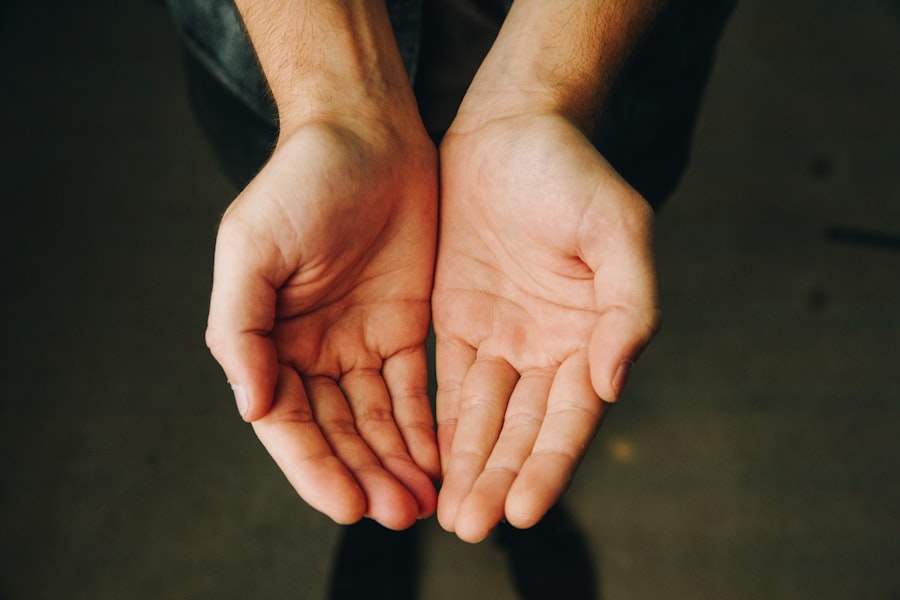
The extraordinary sensitivity of your hands is not merely for passive perception; it’s intrinsically linked to your ability to perform complex and intricate movements. This heightened sense is the foundation upon which your dexterity is built.
Feedback Loop for Precision: Guiding Your Actions
The constant stream of sensory information from your hands provides your brain with immediate feedback about your actions. When you grasp an object, your hand’s receptors tell your brain how tightly you’re holding it, its shape, and its texture. This information is processed in real-time, allowing your brain to make continuous micro-adjustments to your grip, posture, and force. This dynamic feedback loop is essential for performing tasks that require precision, such as threading a needle, writing, or playing a delicate musical chord. Without this feedback, your movements would be clumsy and imprecise, akin to trying to sew with mittens on.
Differentiating Objects: A Tactile Library
Your hands’ sensitivity allows you to build an internal “tactile library.” By repeatedly touching and interacting with different objects, you develop a rich understanding of their unique tactile properties. You can distinguish between smooth, rough, soft, hard, hot, cold, wet, and dry with remarkable accuracy. This ability to differentiate allows you to make informed decisions about how to interact with the world. For example, when reaching into a bag, your fingertips can quickly identify a familiar object by its texture and shape, even without seeing it. This ability is fundamental to tasks like sorting, identifying, and manipulating objects.
The sensitivity of our hands is a fascinating topic that delves into the intricate design of our nervous system and the importance of touch in our daily lives. This heightened sensitivity allows us to perform delicate tasks and perceive our environment more acutely. For those interested in exploring this subject further, you can read a related article that discusses the science behind our tactile senses and how they contribute to our overall experience of the world. Check it out here to learn more about the remarkable capabilities of our hands.
Evolution’s Gift: Survival and Interaction
| Reasons why hands are so sensitive |
|---|
| High concentration of nerve endings |
| Complex network of sensory receptors |
| Ability to detect subtle changes in texture and temperature |
| Important for fine motor skills and dexterity |
| Essential for communication through touch |
Looking back, the exceptional sensitivity of human hands is a testament to evolutionary pressures. Our ancestors, who relied heavily on their hands for survival, benefited greatly from this heightened sensory acuity.
Tool Use and Manipulation: A Defining Human Trait
The development of sophisticated tool use is a hallmark of human evolution. To effectively craft, hold, and utilize tools, our ancestors needed hands capable of both strength and incredibly fine motor control. The sensory feedback provided by sensitive fingertips allowed them to gauge the sharpness of a stone tool, the grip needed to swing a club, or the delicate pressure required to fashion a projectile. This intricate interplay between tactile sensitivity and manual dexterity was undoubtedly a significant advantage in their quest for food, protection, and survival. Sensitive hands meant better hunting, better defense, and the ability to create the innovative technologies that propelled our species forward.
Social Interaction and Emotional Expression: The Silent Language
Beyond survival, the sensitivity of your hands plays a role in social interaction and emotional expression. The gentle touch of a loved one, the firm handshake of a colleague, the comforting embrace – these all rely on the nuanced perception of touch. Your hands can convey affection, reassurance, and empathy in ways that words sometimes cannot. The subtle pressure, the warmth, the texture of another person’s skin – all contribute to the richness of human connection. This aspect of tactile sensitivity underscores that our hands are not just for manipulating the physical world, but also for navigating the complex landscape of human relationships.
In conclusion, the sensitivity of your hands is a remarkable biological gift. It’s a complex interplay of dense sensory receptors, a sophisticated neural network, and the protective yet adaptive nature of your skin. This sensitivity empowers you to explore the world with unparalleled nuance, perform feats of incredible dexterity, and connect with others on a deeply physical level. The next time you pick up a coffee cup, feel the texture of your clothing, or hold someone’s hand, take a moment to appreciate the extraordinary sensory power residing within your own two hands.

Why Paper Cuts Hurt (It’s Not What You Think)
FAQs
1. Why are hands so sensitive?
Hands are sensitive because they have a high concentration of nerve endings, making them more responsive to touch, pressure, temperature, and pain. This sensitivity allows us to perform intricate tasks and interact with our environment.
2. What makes the skin on our hands so sensitive?
The skin on our hands is sensitive due to a thinner layer of epidermis and a higher density of sensory receptors, such as Meissner’s corpuscles and Merkel cells. These receptors allow us to perceive fine details and textures.
3. How do our hands detect different sensations?
Our hands detect different sensations through specialized nerve endings that respond to various stimuli. For example, Meissner’s corpuscles detect light touch, while free nerve endings detect pain and temperature.
4. Why do we feel pain more acutely in our hands?
We feel pain more acutely in our hands due to the high density of pain receptors, known as nociceptors, in the skin and tissues. This allows us to quickly respond to potential threats and protect our hands from harm.
5. What are some factors that can affect hand sensitivity?
Factors that can affect hand sensitivity include age, certain medical conditions (such as diabetes or nerve damage), exposure to harsh chemicals or extreme temperatures, and repetitive use or overuse of the hands. These factors can impact the function of sensory receptors and nerve pathways in the hands.