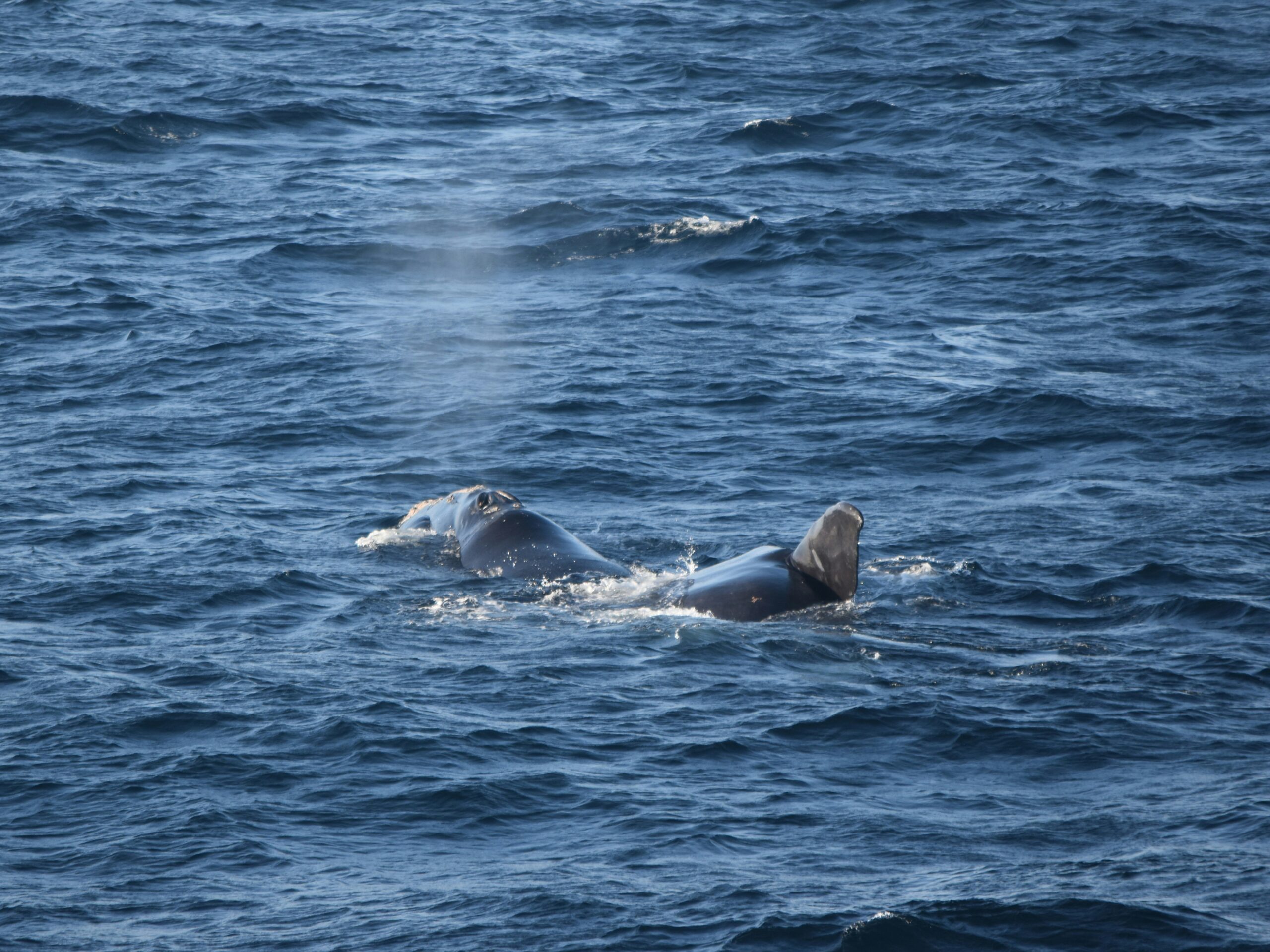
You wonder about the bowhead whale. You see the vastness of the Arctic, a seemingly unforgiving environment, and then you perceive this enormous creature, a testament to endurance. It’s not just the sheer size that captivates you; it’s the extraordinary lifespan. You’re curious, and rightfully so, about the secret behind a bowhead whale’s ability to live for 200 years or more. It’s a biological marvel that hints at adaptations far beyond what you might expect from even the most robust marine mammals.
This isn’t a mere quirk of nature; it represents a profound insight into the mechanisms of aging and longevity. Exploring this secret isn’t just about understanding one species; it’s about deciphering fundamental biological processes that could hold implications for other life forms, perhaps even for you.
To comprehend how a bowhead whale can achieve such an extended lifespan, you must recognize that there isn’t a single, simplistic answer. Instead, the longevity of these Arctic giants is a complex interplay of genetic, physiological, and environmental factors. Scientists are approaching this puzzle from multiple angles, applying diverse fields of study to build a comprehensive picture.
Genetics as a Foundation for Longevity
The genetic makeup of the bowhead whale is a primary area of investigation. Understanding the specific genes that contribute to their resilience and repair mechanisms is crucial. Researchers are not just looking for single “longevity genes,” but rather the intricate network of genetic pathways that collectively confer an extended lifespan.
The Role of DNA Repair Mechanisms
You might assume that over two centuries, the cumulative damage to DNA would be catastrophic for any organism. However, bowhead whales appear to possess exceptionally efficient DNA repair systems. This allows them to counteract the constant assault of mutagens and environmental stressors that would otherwise accelerate cellular aging and increase cancer risk.
Examining Cellular Resilience
Scientists are studying how bowhead whale cells respond to damage. They are investigating the efficiency of enzymes responsible for correcting errors during DNA replication and for removing damaged DNA segments. This enhanced repair capacity is hypothesized to be a quiet, constant battle waged within each cell, preventing the accumulation of mutations that lead to age-related decline.
The P53 Gene and Cancer Prevention
A key focus is the TP53 gene, often referred to as the “guardian of the genome.” In humans and many other mammals, mutations in TP53 are strongly linked to cancer development. Evidence suggests that bowhead whales have multiple copies of the TP53 gene and variations within these genes that may enhance its tumor-suppressive functions, providing a robust defense against the cancers that would inevitably arise from such a long life.
Evolutionary Adaptations for Stress Resistance
The Arctic environment itself is a source of significant stress. Extreme cold, limited food availability during certain periods, and the presence of potential predators contribute to a life that demands extreme resilience. The bowhead’s genome likely carries adaptive genes that have evolved to cope with these pressures, which may indirectly contribute to their longevity.
Cold Adaptation and Metabolic Efficiency
The frigid Arctic waters necessitate a highly efficient metabolism to maintain body temperature. While this might seem counterintuitive to longevity – as high metabolism is sometimes linked to shorter lifespans in other species – the bowhead’s adaptations might be different. Their energy conservation strategies could reduce the metabolic byproducts that contribute to cellular damage.
Resistance to Environmental Toxins
The Arctic ecosystem, while vast, can also accumulate environmental toxins. The ability of bowhead whales to process or resist the build-up of these harmful substances in their tissues over their long lives is another facet of their resilience being studied.
Physiological Strategies for Sustained Health
Beyond genetics, the physiological processes within a bowhead whale’s body are equally important in their quest for a long life. Their systems are not just built to withstand the Arctic; they are built to maintain function over an unprecedented timescale.
Cardiovascular Health and Blood Circulation
Maintaining healthy blood flow and efficient oxygen delivery is paramount for any large, active animal. For a whale inhabiting the deep, cold ocean, this is even more critical. Their cardiovascular system likely possesses unique adaptations to handle pressure changes and ensure vital organs remain supplied with oxygen.
The Impact of Deep Diving
Bowhead whales are known to dive to considerable depths. This ability requires specialized physiological responses to cope with extreme pressure and low oxygen availability. Understanding how their circulatory system manages these stresses without causing long-term damage could reveal mechanisms that protect against age-related cardiovascular decline.
Slowed Cellular Metabolism During Dives
Some research suggests that during prolonged dives, certain cellular processes might slow down, reducing oxygen consumption and the production of reactive oxygen species, which are damaging to cells. This controlled reduction in metabolic activity could be a key factor in limiting cellular wear and tear.
Immune System Function Over Time
A functioning immune system is essential for fighting off disease and clearing out cellular debris. For an animal living 200 years, the challenge is maintaining immune competence without succumbing to chronic inflammation or autoimmune responses, which are often hallmarks of aging.
Robust Inflammatory Response Control
Chronic inflammation is a significant contributor to many age-related diseases. Bowhead whales may have evolved mechanisms to effectively manage inflammatory responses, preventing them from becoming persistent and damaging. This balance between a swift, effective immune response and controlled inflammation is likely crucial.
Enhanced Cell Senescence Management
Cells that have stopped dividing due to damage are called senescent cells. While they play a role in wound healing, the accumulation of senescent cells contributes to aging and age-related diseases. Bowhead whales might possess superior mechanisms for clearing senescent cells, preventing their detrimental effects.
Slowed Growth and Development
The pace of life for a bowhead whale is considerably different from many other mammals. Their remarkably slow growth and development rates might be intrinsically linked to their long lifespan.
Delayed Sexual Maturity
Bowhead whales reach sexual maturity much later than many other comparable-sized mammals. This extended period of development and growth could be a strategy to ensure that all bodily systems are fully mature and resilient before reproduction, and perhaps, to slow down the overall aging process.
Long Gestation and Parental Care
While not unique to bowheads, long gestation periods and extended parental care in some baleen whales, if mirrored in bowheads, could be associated with a slower life history strategy that favors longevity.
Bowhead whales are fascinating creatures known for their remarkable longevity, with some individuals living up to 200 years. This incredible lifespan is attributed to their slow metabolism, cold Arctic habitat, and unique genetic adaptations. For more insights into the lives of these majestic whales and the science behind their longevity, you can read a related article on this topic at Freaky Science.
Environmental Factors and Lifestyle Choices
While genetics and physiology lay the groundwork for longevity, the bowhead whale’s lifestyle and environment also play a significant role. Their choices, dictated by their evolutionary history and ecological niche, are critical.
The Arctic’s Unique Demands and Opportunities
The Arctic is not just a backdrop; it’s an active participant in shaping the bowhead’s life. Its extreme conditions have forced adaptations that, in turn, may have unlocked the secret to their long lives.
Reduced Predation Pressure on Adults
While calves are vulnerable, adult bowhead whales are among the largest animals on the planet, with few natural predators in the Arctic. This reduced threat level allows them to allocate more resources to maintenance and repair rather than constant defense, facilitating a longer life.
The Absence of Large Apex Predators
In their historical range, the primary threat to adult bowheads would have been other large whales or, historically, Inuit hunters. The absence of pervasive, constant predation pressure on mature individuals is a significant factor in allowing them to reach old age.
Navigating Ice and Currents
The dynamic Arctic environment, with its constantly shifting ice floes and powerful currents, requires navigational prowess and physical resilience. The adaptations that enable them to thrive in this challenging seascape could also contribute to their overall robustness.
Energy-Efficient Navigation
Conserving energy is paramount in the Arctic. Bowhead whales may possess highly efficient methods of navigating these complex environments, minimizing the energetic cost of travel and foraging.
Foraging Strategies and Diet
The bowhead whale’s diet, primarily consisting of small crustaceans and plankton, is generally easily digestible and provides essential nutrients. Their foraging strategies, often involving filter-feeding, are efficient energy acquisition methods.
Access to Abundant Prey Sources
During the productive Arctic summer months, their food sources are abundant. This period of plentiful nutrition allows them to build reserves that sustain them through less abundant times.
Seasonal Migration and Habitat Use
The seasonal movements of bowhead whales are integral to their survival and likely influence their longevity.
Exploiting Seasonal Productivity
Bowhead whales often follow the retreating ice edge north in the spring, feeding on the bloom of zooplankton. They then move south in the autumn. This pattern allows them to exploit the most productive feeding grounds at the optimal times.
Minimizing Energetic Demands
By migrating to follow food sources, they can optimize their energy intake to expenditure ratio, a crucial factor for sustained health over long periods.
Sheltered Waters for Calving
While adults are robust, their young are not. Access to calmer, shallower waters for calving offers protection to the vulnerable calves and allows the mothers to focus on nursing and recovery.
The Riddle of Gene Expression and Aging
Beyond structural and functional components, the way genes are expressed and regulated over time is a critical area of research when considering extreme longevity.
Epigenetic Modifications and Longevity
Epigenetics refers to changes in gene expression that do not involve alterations to the underlying DNA sequence. These modifications can be influenced by environmental factors and play a significant role in aging.
Reversible Changes in Gene Activity
Unlike permanent DNA mutations, epigenetic marks can be added or removed. The ability of bowhead whales to maintain or reset these marks might be crucial in preventing age-related dysfunction.
DNA Methylation Patterns
Changes in DNA methylation patterns are known to occur with aging in many species. Research into bowhead whale methylation patterns could reveal how they resist or reverse these age-associated shifts.
Histone Modifications
Histones are proteins that DNA wraps around. Modifications to these histones can alter how accessible genes are for expression. How bowhead whales manage histone modifications over their long lives is a compelling question.
Telomere Maintenance and Cellular Clocks
Telomeres are protective caps at the ends of chromosomes that shorten with each cell division. In many species, telomere shortening is a hallmark of aging and limits cellular lifespan.
Slowed Telomere Attrition?
A central hypothesis is that bowhead whales may have mechanisms to maintain their telomeres more effectively than other mammals. This could involve higher levels of telomerase, an enzyme that can rebuild telomeres.
Implications for Cellular Replicative Senescence
If their telomeres shorten at a significantly slower rate, it would allow their cells to divide for a much longer period without entering senescence, thus contributing to tissue health and overall longevity.
Biomarkers of Aging and Immortality
Scientists are actively searching for specific markers within the bowhead whale’s biology that can indicate their state of aging and potentially reveal the secrets of their extraordinary lifespan.
Cellular Senescence Markers
The presence and management of senescent cells are key indicators of aging.
Absence or Controlled Presence of Senescent Cells
Investigating whether bowhead whales exhibit fewer senescent cells, or if their immune systems are exceptionally adept at clearing them, could provide direct evidence of their anti-aging mechanisms.
Inflammatory Mediators from Senescent Cells
Senescent cells often release pro-inflammatory factors. The lack of chronic, low-grade inflammation associated with senescent cell accumulation is a crucial indicator of aging.
Protein Turnover and Damage Accumulation
Proteins are the workhorses of the cell, and their accumulation of damage over time is a significant aspect of aging.
Efficient Protein Degradation Pathways
Bowhead whales may possess highly efficient systems for degrading misfolded or damaged proteins, preventing their toxic aggregation within cells.
Chaperone Protein Activity
Chaperone proteins assist in the proper folding of other proteins. Enhanced or more effective chaperone protein activity in bowhead whales could be a critical factor in maintaining cellular health over extended periods.
Metabolomic Signatures of Longevity
Metabolomics studies the complete set of small molecules within an organism. Analyzing the metabolic profiles of bowhead whales could reveal unique signatures associated with their longevity.
Stable Metabolic Profiles Over Time
Comparing the metabolomes of younger and older bowhead whales, and observing the stability of these profiles, might indicate a resistance to the metabolic shifts typically associated with aging.
Identification of Longevity-Associated Metabolites
Specific metabolites might be found in higher or lower concentrations in long-lived bowheads, acting as biomarkers or even directly contributing to their extended lifespan.
Bowhead whales are fascinating creatures known for their remarkable lifespan, often living up to 200 years. Their longevity is attributed to various factors, including their slow metabolism and the cold Arctic waters they inhabit. For those interested in learning more about the unique adaptations and behaviors of these magnificent mammals, a related article can be found here. This resource delves deeper into the biology of bowhead whales and explores the implications of their long life on their ecosystems.
The Future of Longevity Research Informed by the Bowhead
| Fact | Information |
|---|---|
| Lifespan | Average of 200 years |
| Diet | Primarily krill and small fish |
| Habitat | Arctic and subarctic regions |
| Size | Up to 60 feet in length |
| Reproduction | Females give birth every 3-4 years |
Understanding the bowhead whale’s 200-year lifespan is not merely an academic pursuit. The insights gained from studying these magnificent creatures have the potential to profoundly impact our understanding of aging and health in other species, including humans.
Translational Research and Human Health
The biological mechanisms that confer extreme longevity in bowhead whales could hold the key to developing strategies to combat age-related diseases and promote healthier aging in humans.
Identifying Potential Therapeutic Targets
If specific genes or pathways are found to be responsible for the bowhead’s resistance to aging, these could become therapeutic targets for interventions aimed at slowing aging or treating age-related conditions.
Drug Development Based on Bowhead Biology
Research into the whale’s DNA repair mechanisms, immune system modulation, or cellular maintenance strategies could inspire the development of novel drugs or therapies.
Conservation Implications and Ethical Considerations
Protecting the bowhead whale and its Arctic habitat is not only an ecological imperative but also essential for continuing this vital scientific research.
The Importance of Preserving the Arctic Ecosystem
The unique conditions of the Arctic have driven the bowhead’s adaptations. Any significant environmental changes could compromise these adaptations and hinder further research.
Ethical Considerations in Research
As you delve into the secrets of the bowhead’s longevity, you must also consider the ethical implications of studying such a long-lived and unique species, ensuring that research is conducted responsibly and with minimal disturbance.
You are left with a profound appreciation for the bowhead whale. It’s not just an animal that lives a long time; it’s an active biological experiment in resilience, repair, and sustained vitality. The secret to its 200-year lifespan is not a single gene or a simple trick, but a symphony of adaptations orchestrated by evolution. As you ponder this, you recognize that the more you learn, the more you realize how much more there is to discover, a testament to the enduring mysteries of the natural world and the remarkable capacity for life.
FAQs
1. How long do bowhead whales live?
Bowhead whales are known to have an exceptionally long lifespan, with some individuals living up to 200 years.
2. What factors contribute to the longevity of bowhead whales?
Several factors contribute to the longevity of bowhead whales, including their slow metabolism, lack of natural predators, and the ability to store large amounts of blubber for insulation and energy.
3. How do bowhead whales maintain their health over such a long lifespan?
Bowhead whales have evolved to have a slow aging process, with their cells showing minimal signs of aging. They also have a robust immune system that helps them fight off diseases and infections.
4. What do bowhead whales eat to sustain their long lives?
Bowhead whales primarily feed on zooplankton, such as copepods and euphausiids, as well as small fish and crustaceans. Their diet provides them with the necessary nutrients to sustain their long lives.
5. How do researchers determine the age of bowhead whales?
Researchers can determine the age of bowhead whales by analyzing the layers of wax in their earplugs, which accumulate over time. This method allows scientists to estimate the age of individual whales and study their long-term survival and reproductive patterns.