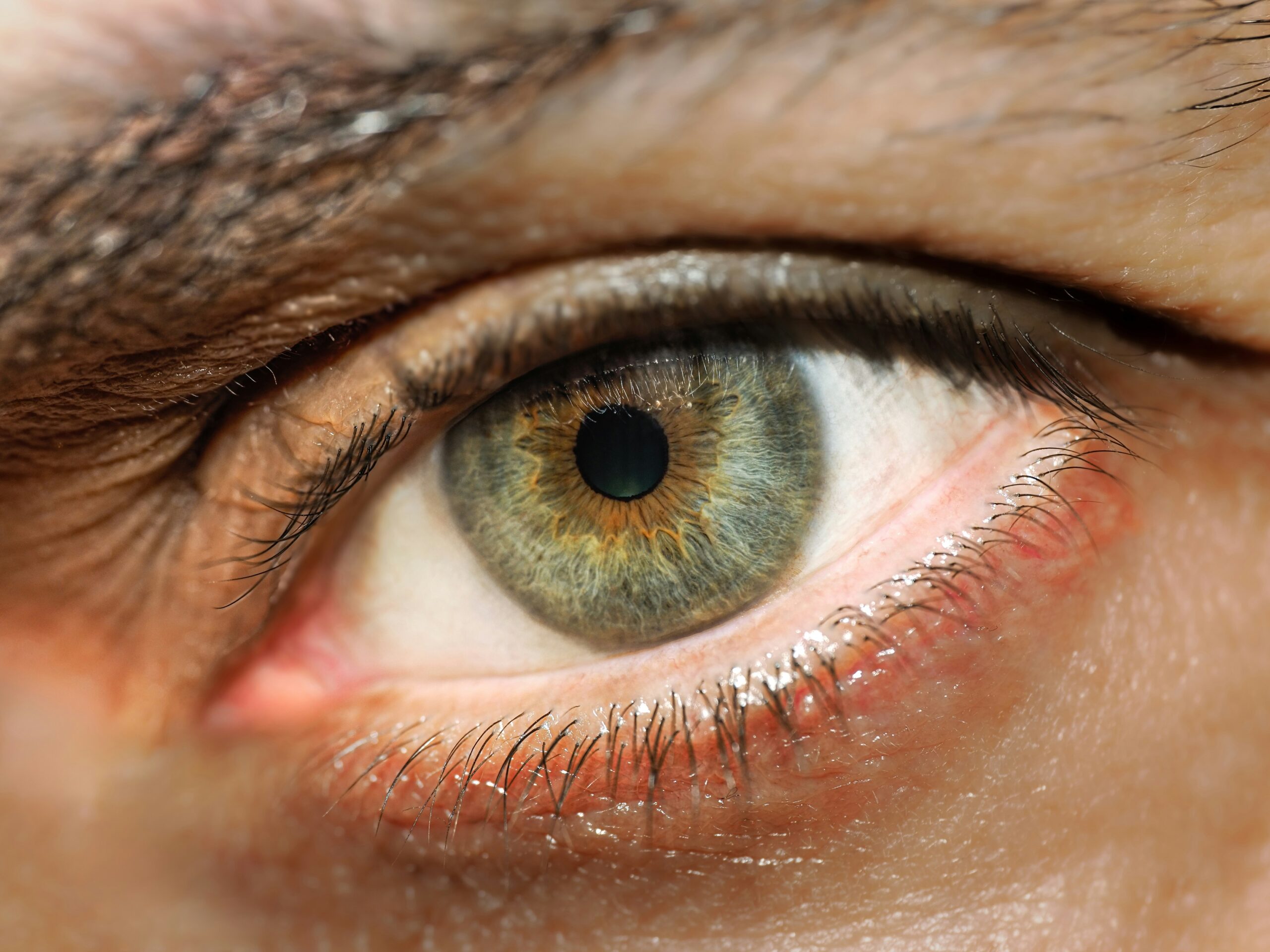
You’ve probably seen them. Their eyes might be a vibrant violet, a startling amber, or a hue that defies easy categorization. These are not everyday sights, and you’re right to be curious. The world’s rarest eye colors are more than just aesthetically striking; they are a fascinatingwindow into the intricate science of genetics and pigmentation. You might wonder what makes these colors so uncommon, and how they manifest in the human iris. It all boils down to melanin, the pigment responsible for the color of your skin, hair, and eyes.
Your iris, the colored part of your eye, is a complex structure. Its color is determined by the amount and type of melanin present in the anterior stromal layer.
Understanding Melanin: Eumelanin and Pheomelanin
There are two primary types of melanin: eumelanin and pheomelanin. Eumelanin is a dark brown to black pigment, while pheomelanin is a reddish-yellow pigment.
Eumelanin’s Dominance: The Blueprint for Brown and Black Eyes
The vast majority of the world’s population has brown or black eyes. This is because eumelanin is the dominant pigment contributing to these darker shades. The more eumelanin present in the iris stroma, the darker your eyes will appear.
Pheomelanin’s Role: A Touch of Red and Yellow
Pheomelanin plays a lesser but significant role, particularly in lighter eye colors. While it doesn’t typically produce deep red or yellow irises on its own, its presence, combined with a lower concentration of eumelanin, can contribute to warmer tones in lighter eyes.
The Stroma: The Stage for Pigmentation
The stroma is the connective tissue that makes up the bulk of the iris. The arrangement and density of melanin granules within the stromal cells are crucial.
Collagen Fibers: Adding Structure and Light Scattering
Beyond melanin, the stromal collagen fibers also play a part. These fibers scatter light, and depending on their density and how light interacts with them, they can influence the perception of color, especially in lighter eyes.
The rarest eye color in the world has fascinated scientists and researchers for years, leading to numerous studies exploring the genetics and biology behind this phenomenon. For those interested in delving deeper into this topic, a related article can be found on Freaky Science, which discusses the various eye colors and their rarity, as well as the science behind them. You can read more about it by visiting Freaky Science.
Unlocking the Genetic Code: The Architects of Rarity
Eye color genetics are notoriously complex, often involving multiple genes. While for a long time, it was believed to be determined by a single gene (later debunked), we now understand that several genes contribute to the spectrum of human eye colors.
OCA2 and HERC2: The Primary Players
The OCA2 gene, located on chromosome 15, is a major determinant of eye color. It produces a protein involved in melanin production. Another gene, HERC2, acts as a regulator for OCA2.
The HERC2 Regulatory Region: A Master Switch
A specific region within the HERC2 gene is particularly important. Variations in this region can significantly impact how much OCA2 is expressed, thereby controlling the amount of melanin produced.
The “Brown” Allele: High Eumelanin Production
The common “brown” allele in the HERC2 gene leads to high expression of OCA2, resulting in substantial eumelanin production and thus brown eyes.
The “Blue” Allele: Low Eumelanin Production
Conversely, a mutation in this regulatory region of HERC2 can drastically reduce OCA2 expression. This leads to very low levels of eumelanin in the iris stroma. Without significant eumelanin, the iris appears blue due to the scattering of light by collagen fibers, similar to how the sky appears blue.
Other Influential Genes: Fine-Tuning the Palette
While OCA2 and HERC2 are the main drivers, other genes contribute to the nuances of eye color. These include TYR, TYRP1, SLC24A4, and SLC45A2, among others.
TYRP1 and TYR: Melanin Synthesis Pathways
These genes are involved in various stages of melanin synthesis. Variations can affect the type and amount of melanin produced.
Red Hair Gene: A Link to Lighter and Reddish Tones
For instance, mutations in genes associated with red hair color (like MC1R, though its direct impact on eye color is less pronounced than in skin and hair) can sometimes be linked to lighter eye colors and a potential for reddish iridescence in some individuals.
SLC Family Genes: Melanin Transport and Maturation
Genes like SLC24A4 and SLC45A2 are involved in transporting melanin or aiding in its maturation. Their variations can subtly alter the final eye color.
The Science Behind Specific Rare Colors
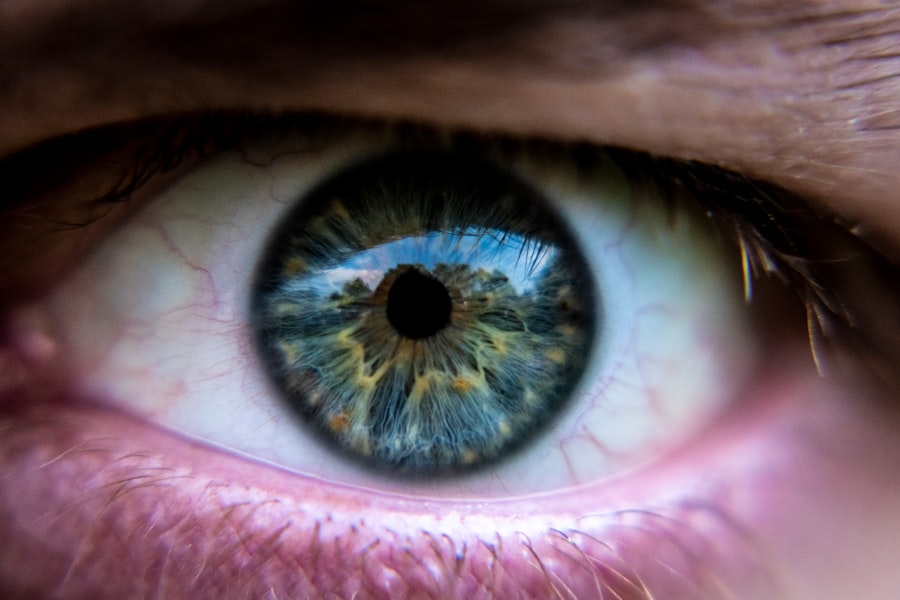
Now, let’s delve into the specific mechanisms behind some of the world’s rarest eye colors, understanding what makes them stand out.
Violet Eyes: A Myth or a Manifestation?
True violet eyes are exceedingly rare, and often the subject of fascination and even folklore.
Albinism and Light Scattering: A Potential Explanation
The most commonly accepted explanation for what appears as violet eyes is a severe form of albinism. In individuals with very little to no melanin, the blood vessels in the iris can become visible. The red of the blood vessels, combined with the Rayleigh scattering of light (the same phenomenon that makes the sky blue), could then result in a perceived violet hue.
The Aniridia Connection: When Iris Development is Affected
In some rare cases, conditions like aniridia, a congenital condition characterized by the absence of a fully formed iris, can also contribute to unusual eye colors. The lack of a developed iris means the underlying structures are more exposed, and light interacts with them differently.
Misinterpretations and Lighting: The Role of Perception
It’s also important to acknowledge that lighting conditions and individual perception can play a role. Sometimes, very light blue or gray eyes, under specific lighting, might appear to have a violet tint. However, genetically pure violet eyes, independent of albinism, are not scientifically established.
Amber Eyes: The Golden Hue
Amber eyes are characterized by a solid, golden or copper hue and are often mistaken for very light brown or hazel eyes.
High Pheomelanin Concentration: The Key Ingredient
The prevalence of pheomelanin, the reddish-yellow pigment, is largely responsible for amber eyes. A significant amount of pheomelanin, with a lower concentration of eumelanin, results in this striking color.
Geographic Distribution: A Glimpse at Ancestry
Amber eyes are more commonly found in individuals of Nordic, Central Asian, and some Southern European ancestry. This can offer clues about genetic predispositions within these populations.
Heterochromia Iridum: A Variation within the Iris
While not a separate eye color category in itself, heterochromia can sometimes accentuate amber tones. This condition involves differences in iris coloration, and one iris might exhibit a predominantly amber shade.
Red Eyes: The Realm of Albinism
Truly red eyes are almost exclusively associated with albinism.
Complete Lack of Melanin: Transparency of the Iris
In individuals with oculocutaneous albinism (OCA), there is a significant reduction or complete absence of melanin in the iris. Without pigment to absorb or scatter light, the iris becomes transparent, allowing the color of the blood vessels in the back of the eye to show through.
Types of Albinism: From Oculocutaneous to Ocular
Oculocutaneous albinism affects the skin, hair, and eyes. Ocular albinism primarily affects the eyes, leading to reduced vision and lighter iris pigmentation, which can sometimes manifest as reddish or pinkish eyes due to the visible blood vessels.
Blue-Eyed Albinism: A Subtlety in Perception
Even in some forms of albinism where the eyes are described as blue, a closer look might reveal a faint reddish or pinkish undertone due to the visible capillaries.
Gray Eyes: The Nuance of Light Scattering
Gray eyes are not determined by a separate pigment but rather by the way light interacts with the iris.
Low Melanin and Stromal Structure: A Delicate Balance
Gray eyes have a very low concentration of melanin in the stroma, similar to blue eyes. However, the collagen fibers in the stroma are arranged in a way that leads to more forward scattering of light, giving them a grayish appearance rather than a pure blue.
The Role of Age: Color Changes Over Time
It’s not uncommon for babies to be born with blue or gray eyes, and their eye color can darken as their melanin production increases in the first few months or years of life. Conversely, some individuals might experience subtle changes in eye color as they age.
Green Eyes: A Blend of Pigmentation and Scattering
Green eyes are often considered rare, though more common than violet or red. They represent a fascinating interplay of pigments and light scattering.
Moderate Melanin Levels: A Mix of Eumelanin and Pheomelanin
Green eyes have moderate amounts of melanin, typically a combination of a lower concentration of eumelanin and a higher proportion of pheomelanin compared to blue eyes.
The “Hazel” Borderline: When Colors Blend
Hazel eyes are often a form of green or brown with distinct flecks or rings of different colors. The perception of green can sometimes blend into hazel, making clear-cut distinctions challenging.
Tyrosinase Activity: Influencing Pigment Production
The activity of the enzyme tyrosinase, which is crucial for melanin synthesis, plays a role. Variations in tyrosinase activity can lead to the unique pigment blend that creates green eyes.
Geographic Distribution and Evolutionary Advantage
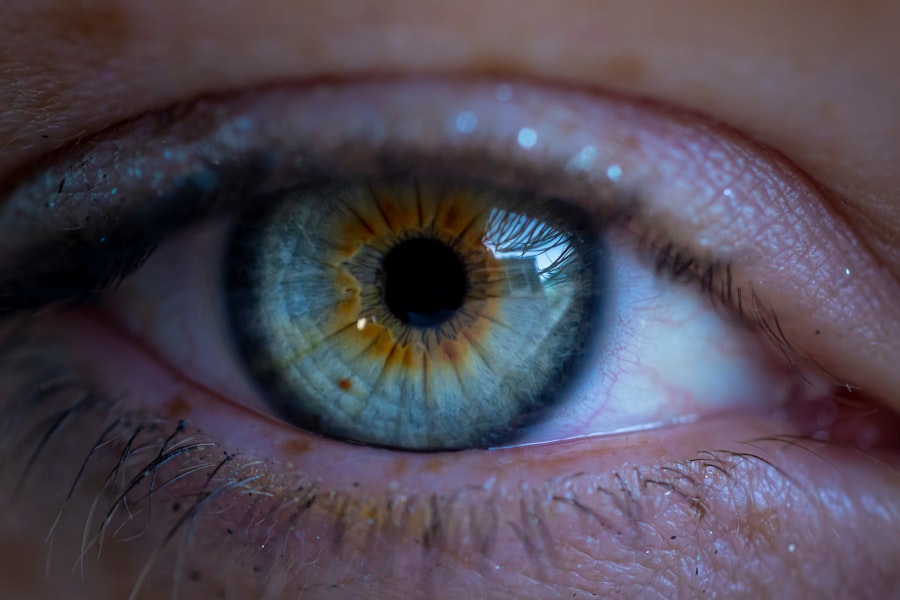
The prevalence of certain eye colors is not random; it often reflects evolutionary adaptations to different environments.
Sunlight Intensity and Melanin Production: An Evolutionary Trade-off
In regions with high UV radiation, like equatorial areas, darker skin, hair, and eyes are prevalent. Melanin acts as a natural sunscreen, protecting against UV damage.
Latitude and Climate: A Correlational Trend
Conversely, in regions with lower sunlight intensity, such as Northern Europe, lighter eye colors like blue and green are more common.
Vitamin D Synthesis: A Possible Advantage of Lighter Eyes
One theory suggests that lighter eyes may have provided an evolutionary advantage in these low-sunlight regions by allowing for more efficient vitamin D synthesis, which requires sunlight exposure.
Genetic Drift and Founder Effects: Explaining Pockets of Rarity
In some isolated populations, genetic drift and founder effects can lead to the disproportionate prevalence of rare genetic traits, including specific eye colors.
Isolated Communities and Gene Pools: Preserving Rare Alleles
When a small group of individuals establishes a new population, their genetic makeup, including rare alleles for eye color, can become amplified in subsequent generations.
The “Blue-Eyed Darling” Phenomenon: Specific Genetic Pathways
Specific genetic pathways that lead to blue eyes, for instance, might have been introduced and then widely spread within certain isolated populations, making blue eyes the norm there.
The rarest eye color in the world has fascinated scientists and enthusiasts alike, leading to numerous studies and discussions about its genetic origins and implications. For those interested in exploring this topic further, a related article can be found at Freaky Science, which delves into the science behind eye color variations and the factors that contribute to their rarity. Understanding these unique traits not only enhances our knowledge of human genetics but also highlights the diversity found within our species.
The Future of Eye Color Research
| Eye Color | Percentage of Population |
|---|---|
| Green | 2% |
| Hazel | 5% |
| Amber | 5% |
| Blue | 8% |
| Gray | 3% |
| Red/Violet | Less than 1% |
The science of eye color is an ongoing field of study, with new discoveries constantly refining our understanding.
Advanced Genetic Sequencing: Unraveling Complex Interactions
Technological advancements in genetic sequencing are allowing researchers to identify more subtle genetic variations and understand how they interact to produce the full spectrum of eye colors.
GWAS Studies: Pinpointing Genetic Markers
Genome-wide association studies (GWAS) are particularly valuable in identifying specific gene variants associated with eye color.
Identifying Novel Genes: Expanding the Known Genetic Landscape
Future research will likely uncover additional genes involved in eye color determination, further detailing the complex genetic architecture.
Epigenetics and Environmental Influences: A Developing Area
While genetics play a primary role, there’s growing interest in the potential influence of epigenetics and even environmental factors on eye color development, although this is a less established area compared to genetics.
Factors Beyond DNA: Subtle Modifications
Epigenetic modifications can alter gene expression without changing the underlying DNA sequence. Whether these play a significant role in standard eye color development is still under investigation.
The Maturation Process: From Infancy to Adulthood
The gradual changes in eye color that occur from infancy to adulthood are a testament to the dynamic nature of melanin production and the genetic programming that governs it.
Personalized Medicine and Eye Color: A Glimpse into Possibilities
Understanding the genetic basis of eye color could potentially have implications in personalized medicine, though this is a distant prospect.
Predicting Traits: Beyond Aesthetic Appeal
While not a primary concern for medical intervention, a deeper genetic understanding could, in theory, contribute to a broader understanding of genetic predispositions.
Ethical Considerations: The Line Between Knowledge and Intervention
As our understanding grows, so do ethical considerations regarding genetic information and its potential applications.
In conclusion, the rarest eye colors are more than just visually arresting; they are a testament to the intricate choreography of genetics and pigmentation. While some hues, like true violet, remain largely in the realm of fascinating conjecture or are tied to specific genetic conditions, others like amber and green are the result of specific pigment balances and light-scattering properties. Your own eye color, and the rarity of others you encounter, are woven into the very fabric of human biology, a story told in melanin and coded in your DNA.
FAQs
What is the rarest eye color in the world?
The rarest eye color in the world is green. Only about 2% of the world’s population has green eyes.
What causes people to have rare eye colors?
Eye color is determined by the amount and distribution of melanin in the iris. Rare eye colors such as green or gray are the result of a combination of genetic factors and mutations.
Are there any health implications associated with rare eye colors?
Having a rare eye color does not necessarily have any health implications. However, people with lighter eye colors may be more sensitive to sunlight and have a higher risk of developing certain eye conditions such as macular degeneration.
Can rare eye colors change over time?
Eye color can change over time, especially in infants and young children. However, once a person reaches adulthood, their eye color is generally stable. Certain factors such as illness or medication can cause temporary changes in eye color.
Are there any cultural or historical significance associated with rare eye colors?
In some cultures, rare eye colors are considered to be more attractive or mysterious. Throughout history, people with rare eye colors have been the subject of fascination and even superstition.