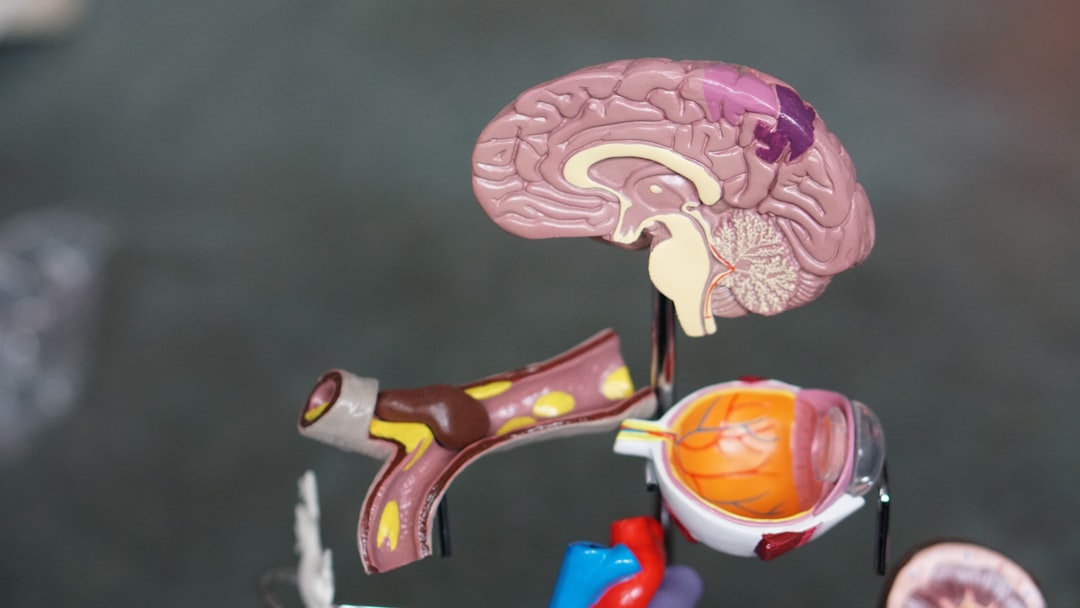
You might not even know it’s there, but a remarkable, winding nerve plays a starring role in your overall well-being. It’s your vagus nerve, the longest cranial nerve in your body, and understanding its science is key to unlocking better health. From regulating your heart rate and digestion to influencing your mood and immune system, this incredible pathway acts as your body’s master communicator, constantly sending signals between your brain and a multitude of organs. Prepare to dive deep into the fascinating world of this cranial conductor and discover how you can positively influence its function for a healthier, more balanced life.
Think of your vagus nerve as the ultimate information superhighway, connecting your brain to the intricate inner workings of your body. It’s not just a simple wire; it’s a complex network carrying a constant stream of bidirectional messages. This continuous dialogue is essential for maintaining something called homeostasis – your body’s stable, balanced internal environment. When your vagus nerve is functioning optimally, it helps to keep everything running smoothly, from the rhythmic beat of your heart to the subtle nuances of your emotional state.
Defining the Vagus Nerve and Its Anatomical Journey
Your vagus nerve, scientifically known as the tenth cranial nerve (CN X), originates in the brainstem, deep within your skull. From there, it embarks on an extensive journey, descending through your neck, chest, and abdomen. It’s a veritable explorer, branching out to innervate a staggering array of organs. You’ll find its influence reaching your:
The Vagus Nerve’s Reach: A Tour of Innervated Organs
- Heart: It’s a key player in controlling your heart rate, acting as the brake pedal to slow it down when your body needs to relax.
- Lungs: It influences your breathing, helping to regulate the speed and depth of your inhales and exhales.
- Digestive System: From your esophagus to your stomach, small intestine, and large intestine, the vagus nerve is crucial for managing digestion, including motility, the release of digestive enzymes, and nutrient absorption.
- Immune System: It plays a surprisingly significant role in modulating your immune response, helping to prevent excessive inflammation.
- Spleen: This organ, vital for immune function, receives signals from the vagus nerve.
- Liver: The vagus nerve influences metabolic processes within your liver.
- Kidneys: It has some influence over kidney function.
- Pharynx and Larynx: These are involved in swallowing and vocalization, and the vagus nerve is essential for these actions.
This vast network of connections highlights the vagus nerve’s profound impact on nearly every system within your body. It’s the silent orchestrator, working tirelessly behind the scenes to keep you functioning.
The Autonomic Nervous System: The Vagus Nerve’s Command Center
The vagus nerve is the primary component of your autonomic nervous system (ANS). The ANS is responsible for controlling involuntary bodily functions – those things that happen without you consciously thinking about them, like breathing, digestion, and heart rate. The ANS is further divided into two branches, and understanding their interplay with the vagus nerve is crucial.
Sympathetic vs. Parasympathetic: The Two Sides of the ANS Coin
- The Sympathetic Nervous System (“Fight or Flight”): This division prepares your body for action. When you encounter a threat or stressor, your sympathetic nervous system kicks in, increasing your heart rate, dilating your pupils, and diverting blood flow to your muscles. It’s designed to help you survive intense situations.
- The Parasympathetic Nervous System (“Rest and Digest”): This is where your vagus nerve truly shines. It’s the counterpoint to the sympathetic system, promoting relaxation, conservation of energy, and recovery. When the parasympathetic system is dominant, your heart rate slows, digestion improves, and your body shifts into a more restorative state. The vagus nerve is the primary efferent pathway for this crucial “rest and digest” mode.
The balance between these two systems is vital for your health. Ideally, you want to be able to shift smoothly between them as needed. When your vagus nerve is strong and active, it helps to tip the scales towards the parasympathetic, promoting a sense of calm and facilitating the body’s natural restorative processes.
The vagus nerve plays a crucial role in regulating various bodily functions, and understanding its science can lead to significant insights into health and wellness. For a deeper exploration of the fascinating connections between the vagus nerve and overall well-being, you can read a related article on this topic at Freaky Science. This resource delves into the mechanisms of the vagus nerve and its impact on mental and physical health, making it a valuable read for anyone interested in the intricacies of the human body.
How the Vagus Nerve Impacts Your Health
The influence of your vagus nerve extends far beyond simple organ function. It’s intrinsically linked to your emotional well-being, your ability to cope with stress, and your overall resilience. A well-functioning vagus nerve is a cornerstone of good health.
The Gut-Brain Axis: A Two-Way Conversation
One of the most fascinating aspects of the vagus nerve is its central role in the gut-brain axis. This refers to the continuous communication pathway between your digestive system and your brain. While you might think of your brain as the sole commander, your gut has a powerful voice, and the vagus nerve is its primary loudspeaker to your brain.
Signals from the Gut: What Your Vagus Nerve Carries
- Nutrient Status: Your gut signals to your brain about the availability of nutrients, influencing your hunger and satiety cues.
- Inflammation: If there’s inflammation in your gut, your vagus nerve can carry that signal to the brain, potentially affecting mood and overall well-being.
- Microbiome Activity: The trillions of beneficial bacteria residing in your gut communicate with your brain via the vagus nerve. This intricate relationship between your gut microbes and your nervous system is a rapidly evolving area of research.
Conversely, your brain also sends signals to your gut via the vagus nerve, influencing everything from appetite to digestive motility. This constant back-and-forth is crucial for maintaining a healthy digestive system and a balanced mood.
Mental Health and Emotional Regulation: The Vagus Nerve’s Gentle Influence
Your emotional state is profoundly connected to your vagus nerve. A robust vagal tone (a measure of vagus nerve activity) is associated with better emotional regulation, decreased anxiety, and a greater sense of calm.
Vagal Tone and Its Impact on Mood
- Reduced Anxiety and Depression: Studies have shown that individuals with higher vagal tone tend to experience less anxiety and depression. This is likely due to the vagus nerve’s ability to promote the parasympathetic response, counteracting the stress response that can exacerbate these conditions.
- Improved Stress Resilience: When you encounter stressful situations, a well-functioning vagus nerve can help you recover more quickly. It facilitates the return to a state of calm after the initial stress response has subsided.
- Enhanced Social Connection: Research suggests that vagal tone may also play a role in social bonding and empathy. A healthy vagal response can contribute to feeling more connected to others.
Conversely, low vagal tone has been linked to increased susceptibility to stress, anxiety, and even depression. This underscores the importance of nurturing your vagus nerve for a more stable and positive emotional outlook.
Inflammation and the Immune System: The Vagus Nerve as a Peacekeeper
Inflammation is a natural and essential immune response, but chronic or excessive inflammation can contribute to a wide range of diseases. Your vagus nerve acts as a crucial mediator in controlling inflammatory processes throughout your body.
The Vagus Nerve’s Anti-Inflammatory Pathway
- The Cholinergic Anti-Inflammatory Pathway: This is a remarkable system where the vagus nerve communicates with immune cells, particularly macrophages, in your organs. When activated, this pathway releases acetylcholine, a neurotransmitter that inhibits the release of pro-inflammatory cytokines, essentially dampening down the inflammatory response.
- Preventing Autoimmune Diseases: By helping to regulate inflammation, the vagus nerve may play a role in preventing the development or exacerbation of autoimmune diseases, where the immune system mistakenly attacks the body’s own tissues.
- Modulating Sepsis: In severe infections, the body can go into overdrive with inflammation, leading to a life-threatening condition called sepsis. Vagus nerve stimulation is being explored as a therapeutic approach to help control this excessive inflammatory response.
This anti-inflammatory function highlights the vagus nerve’s role in maintaining balance and preventing your immune system from becoming overly aggressive.
Assessing Your Vagus Nerve Health: Understanding Vagal Tone
How do you know if your vagus nerve is humming along happily or struggling to keep up? The concept of “vagal tone” provides a way to assess its functional capacity. Vagal tone is essentially a measure of the vagus nerve’s activity and its ability to influence your body, particularly in promoting the parasympathetic “rest and digest” response.
What is Vagal Tone?
Vagal tone refers to the degree to which your vagus nerve is active at any given moment. It’s not a binary on/off switch but rather a spectrum of activity. A higher vagal tone indicates that your vagus nerve is actively sending signals to slow your heart rate, promote digestion, and keep you in a relaxed state. Conversely, a lower vagal tone suggests that your sympathetic “fight or flight” system might be more dominant, making you more susceptible to stress and less equipped for relaxation and recovery.
Measuring Vagal Tone: Simple Indicators and Advanced Techniques
- Heart Rate Variability (HRV): This is the most common and scientifically validated method for estimating vagal tone. HRV measures the subtle variations in the time intervals between your heartbeats. When your vagus nerve is very active, these intervals tend to vary more significantly. When your sympathetic system is dominant, your heartbeats become more regular. You can measure HRV using specialized wearable devices like smartwatches and fitness trackers that incorporate this functionality, as well as dedicated HRV monitors.
- Breathing Rate and Depth: Your breathing patterns can also offer clues. Slow, deep diaphragmatic breathing is a hallmark of parasympathetic activation and therefore higher vagal tone. Shallow, rapid breathing is often associated with stress and lower vagal tone.
- General Well-being and Stress Response: While less precise, your subjective experience can provide insights. Do you generally feel calm and able to relax? Do you recover quickly from stressful events, or do you tend to ruminate and stay on edge? These experiential clues can indirectly reflect your vagal tone.
It’s important to note that HRV can fluctuate throughout the day and be influenced by numerous factors, including exercise, sleep, stress, and even what you’ve eaten. However, consistent patterns in your HRV can offer valuable insights into your overall vagal health.
Factors That Can Negatively Impact Vagal Tone
Your lifestyle choices and your environment can significantly influence your vagal tone. Understanding these influences can help you make informed decisions to protect and enhance your vagus nerve’s function.
Common Culprits of Reduced Vagal Tone
- Chronic Stress: Prolonged periods of stress, whether physical or emotional, can keep your sympathetic nervous system in overdrive, suppressing vagal activity.
- Poor Sleep Quality: Inadequate or disrupted sleep impairs your body’s ability to recover and regulate its systems, negatively impacting vagal tone.
- Sedentary Lifestyle: Lack of physical activity can reduce cardiovascular health, which is closely linked to vagal tone.
- Unhealthy Diet: Diets high in processed foods, sugar, and unhealthy fats can contribute to inflammation and disrupt the gut microbiome, both of which can affect vagal function.
- Alcohol and Smoking: These can have detrimental effects on your nervous system and overall health, including your vagus nerve.
- Certain Medical Conditions: Conditions like diabetes and cardiovascular disease can sometimes affect nerve function, including the vagus nerve.
Recognizing these factors is the first step towards making positive changes that can support a healthier vagus nerve.
How to Stimulate and Strengthen Your Vagus Nerve
The good news is that your vagus nerve is not a static entity. You can actively engage in practices to stimulate and strengthen it, thereby enhancing its beneficial effects on your health. These are often referred to as vagus nerve exercises or vagal toning techniques.
Breathing Exercises: The Power of the Breath
Your breath is your most accessible tool for influencing your vagus nerve. Slow, deep, diaphragmatic breathing is incredibly effective at activating the parasympathetic nervous system.
Simple Breathing Techniques to Try
- Diaphragmatic Breathing (Belly Breathing): Lie down or sit comfortably. Place one hand on your chest and the other on your belly. Inhale deeply through your nose, allowing your belly to expand outwards, while keeping your chest relatively still. Exhale slowly through your mouth, feeling your belly fall. Aim for a longer exhale than inhale.
- Box Breathing: Inhale slowly through your nose for a count of four, hold your breath for a count of four, exhale slowly through your mouth for a count of four, and hold your breath again for a count of four. Repeat.
- Alternate Nostril Breathing (Nadi Shodhana): This yogic breathing technique involves using your fingers to close one nostril at a time while breathing. It’s known for its calming and balancing effects.
Consistent practice of these breathing exercises can significantly improve your vagal tone over time.
Mindfulness and Meditation: Cultivating Inner Calm
Mindfulness and meditation practices are powerful tools for reducing stress and promoting a sense of calm, both of which are essential for a healthy vagus nerve.
Exploring Mindful Practices
- Mindful Observation: Simply pay attention to your surroundings or your internal sensations without judgment. Notice sights, sounds, smells, and physical feelings.
- Body Scan Meditation: Gently bring your awareness to different parts of your body, noticing any sensations without trying to change them.
- Loving-Kindness Meditation: Focus on cultivating feelings of warmth, compassion, and kindness towards yourself and others.
By training your mind to be less reactive to stressors, you create space for your vagus nerve to promote relaxation.
Vocalization and Singing: Harnessing the Power of Sound
The vagus nerve innervates the vocal cords. Engaging in vocalization, especially humming or singing, can stimulate your vagus nerve.
The Therapeutic Effects of Sound
- Humming: Simply humming a tune for a few minutes can activate your vagus nerve and promote relaxation. The vibrations created by humming resonate within your body and can have a soothing effect.
- Singing: Whether in a choir or singing in the shower, the act of singing engages your vocal cords and can be a powerful way to boost vagal tone.
- Chanting: Many spiritual and meditative traditions utilize chanting, which involves repetitive vocalizations that can induce a calm and focused state.
Don’t underestimate the simple pleasure and health benefits of making a joyful noise!
Cold Exposure: A Natural Vagal Stimulator
Introducing your body to cold can be a surprisingly effective way to stimulate your vagus nerve. This is why cold plunges and cold showers have gained popularity for their health benefits.
Embracing the Chill
- Cold Showers: Start by incorporating just a few seconds of cold water at the end of your regular shower. Gradually increase the duration as you become more comfortable.
- Cold Water on Your Face: Splashing cold water on your face can also trigger a brief but effective vagal response, often referred to as the “diving reflex.”
- Cold Plunges: For those seeking a more intense experience, brief immersion in very cold water can provide significant vagal stimulation.
The initial shock of cold water activates the parasympathetic nervous system, helping to regulate your heart rate and breathing.
Social Connection and Laughter: The Joyful Path to Well-being
Your social interactions and your capacity for joy also play a role in vagal health.
The Power of Human Connection
- Meaningful Conversations: Engaging in deep, authentic conversations with loved ones can promote feelings of safety and connection, which are conducive to vagal activation.
- Acts of Kindness: Giving to others and performing acts of kindness can trigger positive emotional responses that benefit your nervous system.
- Laughter: Genuine laughter is a fantastic vagus nerve stimulant. It can reduce stress hormones, increase endorphins, and promote a sense of well-being. Seek out opportunities for humor and connection.
Prioritizing positive social interactions and finding reasons to laugh can make a significant difference in your overall health and well-being.
The vagus nerve plays a crucial role in connecting the brain to various organs, influencing everything from heart rate to digestion. Understanding its functions can provide insights into how our bodies respond to stress and maintain homeostasis. For a deeper exploration of this fascinating topic, you can check out a related article that delves into the science behind the vagus nerve and its impact on overall health. To learn more, visit this article for an informative overview.
Vagus Nerve Stimulation: Therapeutic Applications and Future Potential
| Metrics | Data |
|---|---|
| Length of Vagus Nerve | Average of 20-22 cm |
| Number of Fibers | Around 80-100,000 |
| Role | Regulates heart rate, digestion, and inflammation |
| Connection to Brain | Directly linked to the brainstem |
| Neurotransmitters | Release of acetylcholine |
Beyond lifestyle interventions, significant advancements are being made in directly stimulating the vagus nerve for therapeutic purposes. This area of research holds immense promise for treating a variety of conditions.
Direct Vagus Nerve Stimulation (VNS)
Vagus Nerve Stimulation (VNS) is a medical treatment that involves surgically implanting a device that sends electrical impulses to the vagus nerve.
Medical Uses of VNS
- Epilepsy: VNS is an FDA-approved treatment for certain types of epilepsy that are resistant to medication. It helps to reduce the frequency and severity of seizures.
- Depression: VNS is also approved for treatment-resistant depression. It can help to alleviate symptoms and improve mood in individuals who haven’t responded to other therapies.
- Potential for Other Conditions: Research is ongoing into the effectiveness of VNS for a range of other conditions, including:
- Inflammatory Bowel Disease (IBD): By modulating inflammation.
- Rheumatoid Arthritis: Similar to IBD, targeting inflammation.
- Obesity: By influencing appetite and satiety signals.
- Stroke Recovery: Potentially aiding in neural plasticity and motor function recovery.
- Alzheimer’s Disease and Parkinson’s Disease: Exploring its role in neuroprotection and symptom management.
While invasive, VNS represents a powerful tool for harnessing the vagus nerve’s therapeutic potential when lifestyle interventions are not sufficient.
Non-Invasive Vagus Nerve Stimulation (nVNS)
Recognizing the benefits of VNS, researchers are developing non-invasive methods to stimulate the vagus nerve.
Emerging Non-Invasive Techniques
- Transcutaneous Vagus Nerve Stimulation (tVNS): This involves applying electrodes to the skin, typically around the ear or neck, to deliver electrical stimulation to the vagus nerve. tVNS is a less invasive option being explored for various conditions, with some devices already available over-the-counter for personal use.
- Biofeedback Devices: Some devices utilize biofeedback to help individuals learn to consciously influence their vagal tone through breathing and other techniques.
These non-invasive approaches offer broader accessibility and convenience for individuals looking to benefit from vagus nerve stimulation without surgery.
The Future of Vagus Nerve Research
The field of vagus nerve research is incredibly dynamic. Scientists are continually uncovering new pathways and applications for this remarkable nerve. As our understanding deepens, we can expect to see even more innovative therapies and personalized approaches to enhancing our health and well-being through the power of the vagus nerve. You have a powerful ally within your own body; by understanding and nurturing your vagus nerve, you can unlock a path to greater health, resilience, and well-being.

The Hidden Sense Inside Your Gut
FAQs
What is the vagus nerve?
The vagus nerve is the longest cranial nerve in the body, running from the brainstem to the abdomen. It plays a crucial role in regulating many bodily functions, including heart rate, digestion, and respiratory rate.
How does the vagus nerve affect the body?
The vagus nerve is responsible for the parasympathetic nervous system, which helps the body rest and digest. It also plays a role in controlling inflammation, mood, and stress levels.
What is the science behind the vagus nerve’s role in relaxation?
The vagus nerve helps to activate the body’s relaxation response by slowing down the heart rate, promoting digestion, and reducing stress hormones. This can lead to a sense of calm and well-being.
How does the vagus nerve impact mental health?
Research has shown that stimulating the vagus nerve can have a positive impact on mental health, including reducing symptoms of depression and anxiety. It is also being studied as a potential treatment for conditions such as PTSD and chronic pain.
What are some ways to stimulate the vagus nerve?
There are several methods to stimulate the vagus nerve, including deep breathing, meditation, yoga, and certain types of physical exercise. Additionally, medical devices such as vagus nerve stimulators are used in the treatment of certain conditions, such as epilepsy and depression.