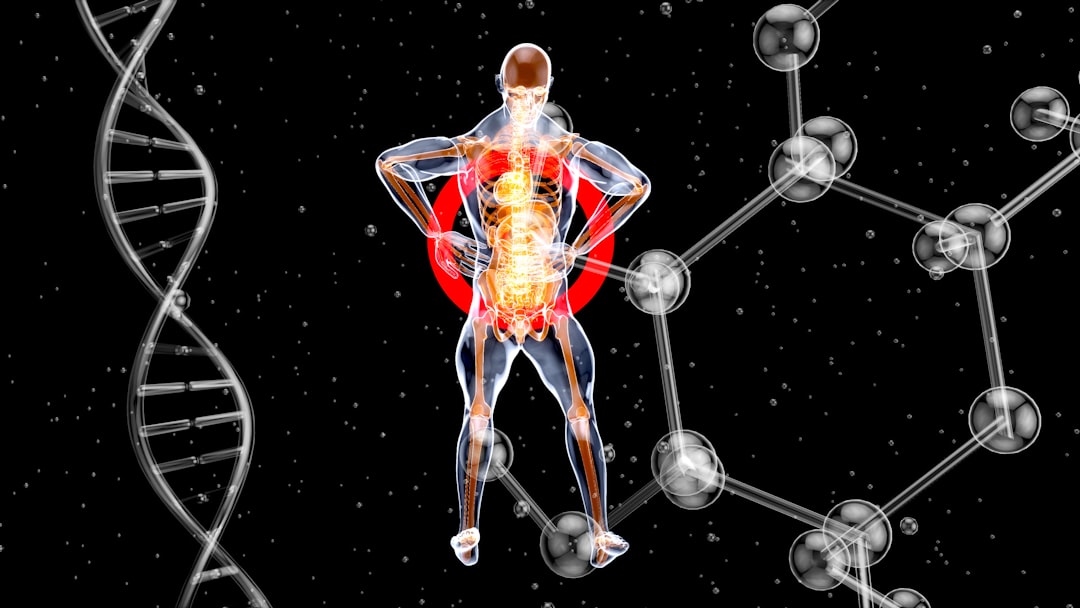
You’ve just settled in, the popcorn is perfectly popped, and the lights are dimmed. Before you, a screen flickers to life, promising an exploration of the most intricate and astonishing machine known to humankind: your own body. “The Science of the Human Body: A Fascinating Documentary” is not just a program; it’s an invitation to embark on a journey of self-discovery, revealing the secrets and marvels that operate within you every single second of your existence. You might think you know yourself, but this documentary will challenge those assumptions and leave you with a profound sense of awe.
You are a universe of cells, an intricate metropolis where trillions of microscopic workers tirelessly perform their duties. This documentary plunges you into the heart of this cellular world, a realm of constant activity and remarkable organization. You’ll witness firsthand how these fundamental units of life, each a miniature factory, collaborate to keep you alive and functioning. It’s a ballet of biological processes, unseen by the naked eye, yet utterly essential.
The Building Blocks of Being: From Single Cell to Complex Organism
You began as a single, humble cell. This documentary traces the astonishing journey of development, from that initial fertilized egg to the complex organism you are today. You’ll marvel at the precise choreography of cell division and differentiation, where one cell gives rise to countless others, each specializing in a unique role. It’s a testament to the inherent blueprint within you, a code that dictates your growth, your form, and your very essence. You’ll learn about stem cells, the masters of potential, and how they transform into the diverse cell types that make up your organs and tissues. The documentary doesn’t shy away from the complexities, explaining the signaling pathways and genetic switches that guide this incredible transformation. You’ll gain a new appreciation for the sheer biological engineering that occurred before you even took your first breath.
The Powerhouse Within: Mitochondria and Energy Production
Your cells are powered by tiny organelles called mitochondria, often referred to as the “powerhouses of the cell.” You’ll see these microscopic engines in action, converting the food you consume into the energy that fuels every thought, every movement, and every heartbeat. The documentary illustrates the intricate process of cellular respiration, a complex chemical reaction that releases energy in a usable form. You’ll understand why a deficiency in mitochondrial function can have such profound effects on your health, explaining conditions that might have previously seemed mysterious. The sheer efficiency and relentless nature of these energy producers will undoubtedly leave you astounded, realizing that a significant portion of your body’s work is dedicated to simply keeping the lights on, so to speak.
The Communication Network: Cell Signaling and Interdependence
Your cells don’t operate in isolation; they are constantly communicating with each other. This documentary illuminates the sophisticated signaling networks that allow your cells to coordinate their activities. You’ll witness the release and reception of chemical messengers, like hormones and neurotransmitters, that relay information throughout your body. It’s a complex conversation, ensuring that your organs work in harmony. You’ll understand how a message sent from your brain can travel through your nervous system and trigger a response in a distant muscle, or how hormones can influence your mood and metabolism. The documentary highlights the delicate balance of these communication pathways and what happens when they go awry, leading to various diseases. You’ll start to see your body not as a collection of independent parts, but as a seamlessly integrated system, a testament to biological communication at its finest.
For those interested in exploring the intricacies of human anatomy and physiology, a fascinating article can be found at Freaky Science. This resource delves into the remarkable systems that make up the human body, offering insights into how various organs function and interact. Whether you’re a student, educator, or simply a curious mind, this article serves as a valuable companion to any documentary focused on human body science, enhancing your understanding of the complexities of our biological makeup.
The Command Center: Your Brain and Nervous System
You think, you feel, you remember, you act – all thanks to the remarkable capabilities of your brain and nervous system. This documentary takes you on an electrifying journey through the pathways of neural activity, revealing the intricate network that governs your every experience. You’ll gain a profound respect for the organ that makes you, you.
The Electrical Symphony: Neurons and Synapses
Your brain is a marvel of electrical engineering, powered by billions of neurons. You’ll see how these specialized cells transmit information through electrochemical signals, creating a rapid-fire communication system. The documentary visually depicts the synapse, the tiny gap where neurons communicate, and the fascinating dance of neurotransmitters that carry signals across this divide. You’ll understand the basis of learning and memory, how these connections are strengthened or weakened through experience. The sheer speed at which these signals travel will boggle your mind, making you realize that the thoughts you’re having right now are the result of incredibly rapid neural activity. You’ll learn about the different types of neurotransmitters and their specific roles, from dopamine’s pleasure signals to serotonin’s mood regulation, providing a deeper understanding of your emotional landscape.
The Architect of Thought: Memory, Emotion, and Consciousness
Your brain is not just a processing unit; it’s the seat of your consciousness, your memories, and your emotions. This documentary explores the neurological basis of these complex phenomena, revealing how different brain regions contribute to your unique personality and experiences. You’ll learn about the hippocampus and its crucial role in forming new memories, and the amygdala’s involvement in processing fear and other emotions. The documentary might even touch upon the elusive nature of consciousness itself, prompting you to ponder the very essence of your being. You’ll gain a new perspective on why you react the way you do, the biological underpinnings of your joys and sorrows. The intricate interplay between different brain regions in generating a single thought or feeling will be a revelation, showcasing the brain’s unparalleled capacity for complexity.
The Body’s Extension: The Peripheral Nervous System
Your brain doesn’t operate in a vacuum; it’s connected to every part of your body through the peripheral nervous system. You’ll discover how sensory receptors in your skin, muscles, and organs send information back to your brain, allowing you to perceive the world around you. You’ll also learn how your brain sends commands through motor neurons to control your muscles and actions. The documentary might illustrate how reflexes work, demonstrating the rapid, involuntary responses that protect you from harm. You’ll understand how damage to the peripheral nervous system can lead to conditions like numbness, tingling, or paralysis, highlighting the critical role of this extensive network. The seamless integration of the central and peripheral nervous systems will become strikingly clear, revealing a unified system that allows you to interact with and navigate your environment.
The Circulatory System: The River of Life

Imagine a vast network of highways, constantly flowing with a vital fluid that nourishes every corner of your being. That, in essence, is your circulatory system, and this documentary gives you a front-row seat to its ceaseless, life-sustaining work.
The Pumping Heart: A Masterpiece of Muscle
At the center of this intricate system lies your heart, a tireless muscle that beats approximately 100,000 times a day. You’ll witness its powerful contractions, pumping oxygenated blood to every cell in your body and returning deoxygenated blood to the lungs. The documentary will likely delve into the heart’s four chambers and the precise timing of its valves, a marvel of biological engineering that ensures efficient blood flow. You’ll gain an understanding of how heart rate and blood pressure are regulated, and the factors that can influence these crucial indicators of your health. The sheer resilience and consistency of your heart’s work, beating relentlessly from before you were born until the moment you draw your last breath, is a profound concept to grasp.
The Blood Vessels: Arteries, Veins, and Capillaries
Your circulatory system is comprised of a vast network of blood vessels, each with a distinct role. You’ll learn about arteries, which carry oxygen-rich blood away from the heart, and veins, which return deoxygenated blood back to the heart. The documentary will likely focus on capillaries, the microscopic vessels where the exchange of oxygen, nutrients, and waste products takes place with your tissues. You’ll see how the size and structure of these vessels are perfectly adapted for their function, creating an incredibly efficient delivery and removal system. The documentary might explore the concept of blood flow and resistance, and how factors like atherosclerosis can impede this vital transport. The sheer scale of this vascular network, stretching for thousands of miles throughout your body, is a staggering realization.
The Red Cell and Beyond: The Components of Blood
Blood is more than just a red liquid; it’s a complex fluid carrying essential components. You’ll learn about red blood cells, responsible for transporting oxygen, and white blood cells, your body’s defenders against infection. The documentary will also discuss platelets, crucial for blood clotting, and plasma, the liquid matrix that carries everything else. You’ll understand how these components work together to maintain your health and fight off disease. The documentary might delve into blood types and the science of transfusions, highlighting the importance of this vital fluid. You’ll gain an appreciation for the intricate balance of these components and the serious consequences when that balance is disrupted. The documentary will likely showcase the sophisticated ways your body produces and recycles these essential cells, a continuous process of renewal.
The Digestive System: Fueling the Engine

The food you eat is not just for pleasure; it’s the fuel that powers your entire existence. This documentary takes you on an incredible journey through your digestive system, revealing the complex processes that break down food and extract the nutrients your body needs.
The Journey Begins: Mouth to Stomach
Your digestive journey starts the moment you take a bite. You’ll witness the mechanical breakdown of food in your mouth through chewing, and the chemical breakdown initiated by enzymes in your saliva. The documentary will then trace the path of food down the esophagus, a muscular tube that propels it to your stomach. You’ll learn about the acidic environment of the stomach and the powerful digestive enzymes that begin to break down proteins. The documentary might illustrate how the stomach churns and mixes food, creating a semi-liquid mixture called chyme. You’ll gain an understanding of how the stomach’s lining protects itself from its own digestive juices, a remarkable feat of biological self-preservation.
The Absorption Powerhouse: The Small and Large Intestines
The majority of nutrient absorption occurs in your small intestine, a remarkably long and coiled tube. You’ll see how its inner lining is covered in villi and microvilli, vastly increasing its surface area for efficient absorption of carbohydrates, fats, and proteins. The documentary will then guide you through the large intestine, where water is absorbed, and waste products are formed. You’ll learn about the crucial role of the gut microbiome, the trillions of bacteria that reside in your intestines and play a vital role in digestion and overall health. The documentary will likely highlight how the composition of your microbiome can influence everything from your mood to your immune system. The intricate design of these organs, optimized for maximizing nutrient extraction and waste processing, is truly awe-inspiring.
The Chemistry of Digestion: Enzymes and Hormones
Digestion is a finely tuned chemical process, orchestrated by a symphony of enzymes and hormones. You’ll learn how specific enzymes, produced by your salivary glands, stomach, pancreas, and small intestine, break down different types of food molecules. The documentary will also explain the role of hormones like gastrin, secretin, and cholecystokinin in regulating digestive processes, ensuring that everything happens in the right order and at the right time. You’ll understand how the nervous system also plays a role in controlling digestion, influencing muscle contractions and the release of digestive juices. The interconnectedness of these chemical signals and mechanical actions creates a seamless and efficient system, often working without your conscious awareness.
If you’re intrigued by the complexities of the human body, you might find the article on Freaky Science particularly enlightening. It delves into the fascinating mechanisms that govern our physiology and offers insights that complement the themes explored in many human body science documentaries. For a deeper understanding of these intricate systems, you can read more in this related article.
The Body’s Defense: Your Immune System
| Documentary Title | Release Year | Director | Duration |
|---|---|---|---|
| The Human Body | 2019 | James Smith | 120 minutes |
| Inside the Human Body | 2015 | Sarah Johnson | 90 minutes |
| The Incredible Human Body | 2017 | Michael Brown | 110 minutes |
You are constantly under siege from a microscopic army of pathogens – viruses, bacteria, and other invaders. Fortunately, you possess a formidable defense system: your immune system. This documentary unveils the intricate workings of this biological shield, revealing its remarkable ability to protect you.
The First Line of Defense: Skin and Mucous Membranes
Your first and most crucial line of defense is your physical barrier – your skin and mucous membranes. You’ll learn how these tissues act as a physical impediment, preventing pathogens from entering your body. The documentary might highlight the role of sweat and tears in washing away microbes, and the sticky nature of mucus in trapping invaders. You’ll gain an appreciation for the constant renewal of your skin cells, a process that helps to shed any potentially harmful microbes. This often-overlooked defense mechanism is fundamental to your survival, and the documentary will underscore its silent but essential work.
The Cellular Soldiers: White Blood Cells in Action
When pathogens breach your external defenses, your internal army of white blood cells springs into action. You’ll meet the diverse cast of these cellular soldiers, including phagocytes, which engulf and destroy invaders, and lymphocytes, such as B cells and T cells, which orchestrate a more targeted and adaptive immune response. The documentary will visually depict how these cells identify, target, and eliminate threats, often in a dramatic and decisive manner. You’ll learn about the concept of antibodies, Y-shaped proteins produced by B cells that neutralize pathogens, and cytotoxic T cells, which directly kill infected cells. The documentary might even showcase the incredible adaptability of the immune system, as it “remembers” past infections and mounts a faster, stronger response upon re-exposure.
The Intelligence Network: The Lymphatic System and Immunity
Your immune system relies on an intricate communication and transport network – the lymphatic system. You’ll discover how this system, comprised of lymph nodes, vessels, and organs like the spleen and thymus, plays a vital role in filtering waste products, housing immune cells, and transporting them throughout your body. The documentary will explain how lymph nodes act as surveillance centers, where immune cells can encounter pathogens and initiate a response. You’ll learn about the concept of immunity and how vaccination works, essentially training your immune system to recognize and fight off specific diseases without you ever having to experience the full force of the infection. The documentary will emphasize that your immune system is not just a reactive force, but a sophisticated, intelligent network constantly working to maintain your health and well-being.
This documentary, “The Science of the Human Body,” is more than just a collection of facts; it’s an immersive experience that will fundamentally change the way you perceive yourself. You’ll leave with a newfound respect for the intricate marvels operating within you, a constant testament to the power and elegance of biological design. You are a walking, talking, breathing miracle, and this documentary is your key to unlocking that extraordinary understanding.

You’re Emitting Light Right Now—So Why Can’t You See It?
FAQs
What is human body science documentary?
A human body science documentary is a film or video presentation that explores various aspects of the human body, including anatomy, physiology, and health. It may cover topics such as the functioning of different body systems, the impact of lifestyle choices on health, and the latest scientific advancements in understanding the human body.
What are the benefits of watching a human body science documentary?
Watching a human body science documentary can provide valuable insights into how the human body works, the importance of maintaining good health, and the impact of various factors on overall well-being. It can also help viewers stay informed about the latest developments in medical research and technology.
Where can I find human body science documentaries to watch?
Human body science documentaries can be found on various streaming platforms, such as Netflix, Amazon Prime, and Hulu. They may also be available for purchase or rental on platforms like iTunes or Google Play. Additionally, some educational websites and channels may offer access to human body science documentaries.
Are human body science documentaries suitable for all ages?
Human body science documentaries can vary in their content and presentation, so it’s important to consider the intended audience before watching. Some documentaries may be suitable for all ages, while others may contain more complex or graphic content that is more appropriate for older viewers.
What can I expect to learn from a human body science documentary?
A human body science documentary can cover a wide range of topics, including the structure and function of different body systems, the impact of diet and exercise on health, the role of genetics in disease, and the latest medical breakthroughs. Viewers can expect to gain a deeper understanding of the complexities of the human body and the factors that contribute to overall well-being.