The Science of Slippery Ice: Understanding the Causes
Few natural phenomena are as universally experienced and yet as scientifically intriguing as slippery ice. From the childhood delight of ice skating to the serious hazards of winter travel, the slickness of ice is a testament to subtle physical processes at play. While it might seem counterintuitive, ice, at its core, is a solid. Its surface, however, behaves in ways that defy simple solid mechanics, leading to the ubiquitous slipperiness that can turn a confident stride into a chaotic tumble. Understanding the science behind this phenomenon requires delving into the intricate interplay of pressure, friction, temperature, and the very molecular structure of water. This article explores the multifaceted causes of ice’s slipperiness, breaking down the complex interactions that create this deceptively simple surface.
One of the earliest and most enduring explanations for why ice is slippery centers on the concept of pressure-induced melting. This hypothesis, though now considered incomplete on its own, provides a crucial foundational understanding of how a solid can appear to behave like a liquid under certain conditions. The core idea is that applying pressure to ice causes its melting point to decrease.
Understanding Melting Point and Pressure
Water, in its solid form as ice, has a unique property: its solid phase (ice) is less dense than its liquid phase (water). This is why ice floats. Most substances, when transitioning from solid to liquid, become denser. For water, this is due to the open, crystalline structure of ice, held together by hydrogen bonds. When pressure is applied to ice, it forces the water molecules closer together, disrupting this open structure and favoring the more compact liquid state. Consequently, the melting point of ice drops as pressure increases.
The Role of Friction in Pressure Application
In the context of slipperiness, the pressure is not typically applied by a heavy, static weight. Instead, it’s the dynamic force generated by the interaction between a sliding object and the ice surface – friction. When a skate blade, a shoe sole, or a tire attempts to move across ice, a frictional force is generated. This frictional force, however small it might seem, acts as a localized pressure on the ice directly beneath the point of contact.
Evaluating the Pressure-Melting Hypothesis
The pressure-melting hypothesis was once the dominant explanation for ice slipperiness. It explained why ice skaters could glide so effortlessly. The thin, sharp blades of ice skates exert significant localized pressure on the ice, lowering its melting point and creating a thin layer of water that lubricates the movement. Similarly, the pressure from a shoe sole was thought to create a similar melt layer.
However, scientific investigations revealed limitations to this explanation. The pressure exerted by everyday objects like shoes or even car tires, while measurable, is often insufficient to significantly lower the melting point of ice to the extent required to explain the observed slipperiness. For example, the pressure from a walking shoe might only lower the melting point by a fraction of a degree Celsius, which isn’t enough to create a substantial layer of water. This led scientists to seek other contributing factors.
Ice is often considered slippery due to a thin layer of water that forms on its surface, which reduces friction between the ice and any object in contact with it. This phenomenon is explained in detail in the article “What Causes Ice to be Slippery?” found at Freaky Science. The article delves into the science behind ice formation and the conditions that lead to its slippery nature, making it an interesting read for anyone curious about the physics of ice.
The Role of Friction Heating: A More Universal Mechanism
While pressure-induced melting plays a role, particularly in specific scenarios like ice skating, it’s not the sole, nor always the primary, reason for ice’s slipperiness. Friction heating offers a more universally applicable explanation that accounts for slipperiness even when the pressure applied is relatively low. This mechanism suggests that the kinetic energy generated by friction is converted into thermal energy, melting the ice surface.
Friction as Energy Conversion
The fundamental principle behind friction heating is the conversion of kinetic energy into thermal energy. When two surfaces slide against each other, microscopic irregularities on both surfaces interlock and deform, resisting motion. This resistance, known as friction, does work on the surfaces. The energy expended to overcome this resistance is dissipated as heat.
Microscopic Interactions and Heat Generation
At the microscopic level, the interface between a sliding object and an ice surface is far from smooth. Even seemingly smooth surfaces are covered in tiny peaks and valleys. When an object slides over ice, these asperities collide and rub against each other. These collisions and the resulting deformation of both the object and the ice surface generate heat. This heat is concentrated at the points of contact, where the friction is highest.
The Impact of Temperature on Friction Heating
The effectiveness of friction heating is directly influenced by the ambient temperature of the ice. When the ice is well below its freezing point (0°C or 32°F), the amount of heat generated by friction might not be enough to cause significant melting. However, as the ice temperature approaches the freezing point, even a small amount of heat generated by friction can be sufficient to raise the surface temperature above 0°C, creating a thin film of water.
Why Friction Heating is Crucial
Friction heating is a critical component in understanding ice slipperiness because it explains why ice can be slippery even when the pressure applied is not high enough for substantial pressure melting. Consider walking on a sidewalk covered in a thin layer of ice on a cold winter day. The pressure from your shoes is unlikely to cause significant melting. However, the repetitive motion of your feet creates friction, and this friction generates heat. As this heat builds up, it melts a microscopic layer of ice, providing the necessary lubrication for your step. This mechanism is also vital for tires on icy roads, where the continuous rotation generates significant friction.
Surface Imperfections and Lubrication Layers: The Microscopic Landscape of Slipperiness
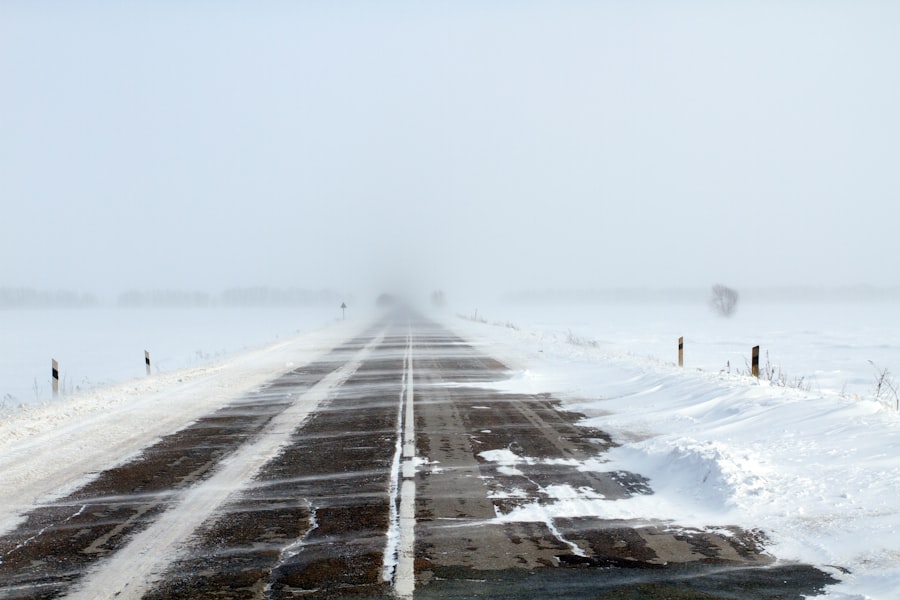
Beyond bulk properties like pressure and heat, the microscopic landscape of the ice surface itself plays a profound role in determining its slipperiness. Even seemingly smooth ice is not perfectly flat; it possesses irregularities, and these imperfections, coupled with the presence of impurities, can create a highly lubricated surface.
The Nature of Ice Surfaces
Real-world ice surfaces are rarely pristine. They can have cracks, grooves, bumps, and other imperfections from their formation or subsequent weathering. These irregularities can affect how a sliding object interacts with the ice. For instance, sharp edges of imperfections might catch on a sliding object, increasing friction, while smooth depressions might trap meltwater.
The Influence of Impurities
The presence of impurities, such as dust, dirt, salt, or even microscopic organic matter, can significantly alter the properties of ice. These impurities can disrupt the formation of a regular ice crystal lattice, leading to a weaker and more easily melted surface. Furthermore, impurities can directly contribute to lubrication. For example, salt, when introduced to ice, lowers its freezing point much more effectively than pressure alone, creating a briny, highly fluid layer.
The Role of Adsorbed Water Layers
Even at temperatures below freezing, ice surfaces are not entirely dry. Water molecules from the surrounding atmosphere can adsorb onto the ice surface, forming a thin, disordered layer. This adsorbed layer, though incredibly thin, can contribute to slipperiness by acting as a very fine lubricant. The extent of this adsorbed layer is temperature-dependent, increasing as the ice temperature approaches the freezing point.
The Interplay of Surface Features and Meltwater
The interaction between surface imperfections and any meltwater present is crucial. Small cracks and depressions can act as reservoirs for meltwater, creating pockets of lubrication. These pockets can then be spread out by the sliding motion, forming a continuous lubricating film. Conversely, sharp edges of imperfections can scrape away at this film, potentially increasing friction if not for the continuous generation of meltwater.
The Electrical Nature of Ice Surfaces: An Emerging Understanding
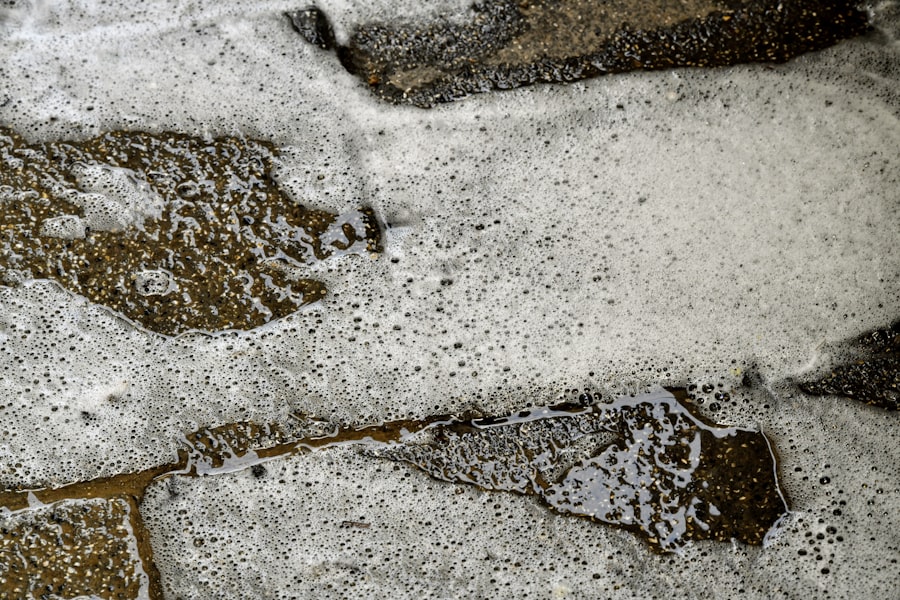
While pressure, friction, and surface morphology provide substantial explanations for ice’s slipperiness, more recent scientific inquiry has delved into the electrical properties of ice surfaces, revealing another layer of complexity and contributing factors. The very charge distribution on the ice surface can influence its interaction with other materials.
Surface Charges on Ice
Ice can develop electrical charges on its surface due to various mechanisms. One key mechanism is the dissociation of some water molecules at the surface into hydrogen ions (H+) and hydroxide ions (OH-). While ice is generally neutral, the preferential adsorption or dissociation of one type of ion over the other can lead to a net charge on the surface. This can be influenced by the presence of impurities and the ice’s crystalline structure.
The Impact of Electrical Polarization
When an object slides over an ice surface, its own electrical properties can interact with the surface charges on the ice. If the object and the ice surface have opposite charges, electrostatic attraction can occur, potentially increasing friction. Conversely, if they have similar charges, electrostatic repulsion might occur, which could, in theory, reduce friction. However, the dominant effect observed is generally one of attraction that can contribute to binding.
Electrostatic Forces and Adhesion
The phenomenon of electrostatic adhesion, where oppositely charged surfaces are attracted to each other, can play a role in the initial stages of interaction between an object and an icy surface. This attraction can contribute to the initial resistance to sliding before significant meltwater lubrication is established.
The Contribution to Lubrication
While seemingly counterintuitive, electrical phenomena may also contribute to the formation and maintenance of the lubricating layer. The charged nature of the ice surface can influence the behavior of water molecules in the melt layer, potentially enhancing its fluidity and lubricating properties. Further research is ongoing to fully elucidate the precise mechanisms by which electrical properties influence ice slipperiness, but it is an increasingly recognized aspect of the phenomenon.
The phenomenon of ice being slippery is often attributed to a thin layer of water that forms on its surface, which is explained in detail in a related article on the science behind this occurrence. This layer acts as a lubricant, reducing friction and making it easier to slide on the ice. For a deeper understanding of the mechanics involved, you can read more about it in this insightful piece on Freaky Science. The article delves into the molecular structure of ice and how temperature variations can influence its slipperiness, providing a fascinating look at this everyday experience.
The Role of Molecular Dynamics and Hydrogen Bonding: The Innermost Secrets
| Factor | Effect |
|---|---|
| Thin layer of water | Reduces friction between ice and objects |
| Pressure from objects | Causes melting and creates a thin layer of water |
| Temperature | Warmer temperatures can melt the ice surface, creating a slippery layer |
| Surface roughness | Smooth ice surfaces provide less traction |
At the most fundamental level, the slipperiness of ice is dictated by the behavior of its constituent molecules – water molecules – and the forces that bind them together. The unique nature of hydrogen bonding in water is central to understanding why ice behaves the way it does, both as a solid and as a slippery surface.
The Structure of Ice
Ice is a crystalline solid composed of water molecules (H₂O) arranged in a highly ordered, hexagonal lattice structure. Each water molecule forms hydrogen bonds with its neighbors. These hydrogen bonds are relatively weak intermolecular forces, but their collective effect creates the rigid structure of ice.
The Dynamic Nature of the Ice Surface
Despite its crystalline rigidity, the surface of ice is not static. The water molecules at the surface have fewer neighbors to form hydrogen bonds with compared to molecules in the bulk. This leads to a higher degree of mobility and a less ordered structure at the surface. This “surface mobility” means that the molecules at the very top layer are more prone to movement and interaction.
The Influence of Hydrogen Bonds on Melting
The strength of hydrogen bonds directly impacts the melting point of ice. As external energy (from pressure or friction) is applied, it disrupts these hydrogen bonds, allowing the molecules to move more freely and transition into the liquid state. The relatively weaker nature of hydrogen bonds compared to covalent or ionic bonds makes ice more susceptible to melting under mild conditions.
The Formation of the Melt Layer
The dynamic nature of the ice surface, combined with the disruption of hydrogen bonds, facilitates the formation of a thin, mobile layer of liquid water at the surface. This layer, even if only a few molecules thick, acts as an effective lubricant, separating the sliding object from the bulk ice and significantly reducing friction. The ease with which these hydrogen bonds can be broken and reformed is a fundamental reason why ice can be so slippery.
In conclusion, the slipperiness of ice is not attributable to a single cause but rather a complex interplay of several factors. The pressure-melting hypothesis, while important for specific scenarios like ice skating, is complemented and often surpassed by the more ubiquitous mechanism of friction heating. The microscopic landscape of the ice surface, including its imperfections and the presence of impurities, significantly influences its lubricity. Emerging research into the electrical properties of ice surfaces is adding another dimension to our understanding. Ultimately, however, the fundamental secret to ice’s slippery nature lies within the molecular dynamics of water and the unique, yet relatively weak, hydrogen bonds that govern its solid form. This intricate dance of forces and molecular behavior transforms a seemingly solid material into the treacherous, yet fascinating, slippery surface we encounter.

Why Ice Is Slippery Is Stranger Than You Think
FAQs
1. Why is ice slippery?
Ice is slippery because when pressure is applied to the ice, it melts slightly, creating a thin layer of water on the surface. This thin layer of water reduces the friction between the ice and any object or person walking on it, making it slippery.
2. What causes the pressure to melt the ice?
The pressure that causes the ice to melt comes from the weight of an object or a person pressing down on the ice. This pressure lowers the melting point of the ice, causing it to melt slightly and create a thin layer of water on the surface.
3. Does temperature play a role in making ice slippery?
Yes, temperature does play a role in making ice slippery. Warmer temperatures can accelerate the melting process, creating a thicker layer of water on the ice and making it even more slippery. However, even at colder temperatures, the pressure from an object or person can still cause the ice to melt slightly and become slippery.
4. Are there any other factors that contribute to the slipperiness of ice?
Other factors that contribute to the slipperiness of ice include the smoothness of the ice surface and the presence of any impurities or debris on the ice. A smoother surface allows for easier formation of the thin layer of water, while impurities or debris can disrupt the formation of the water layer and affect the slipperiness of the ice.
5. How can we reduce the slipperiness of ice?
To reduce the slipperiness of ice, various methods can be used, such as spreading sand, salt, or other abrasive materials on the surface to increase traction. Additionally, using ice cleats or traction devices on footwear can also help to improve grip and reduce the risk of slipping on icy surfaces.