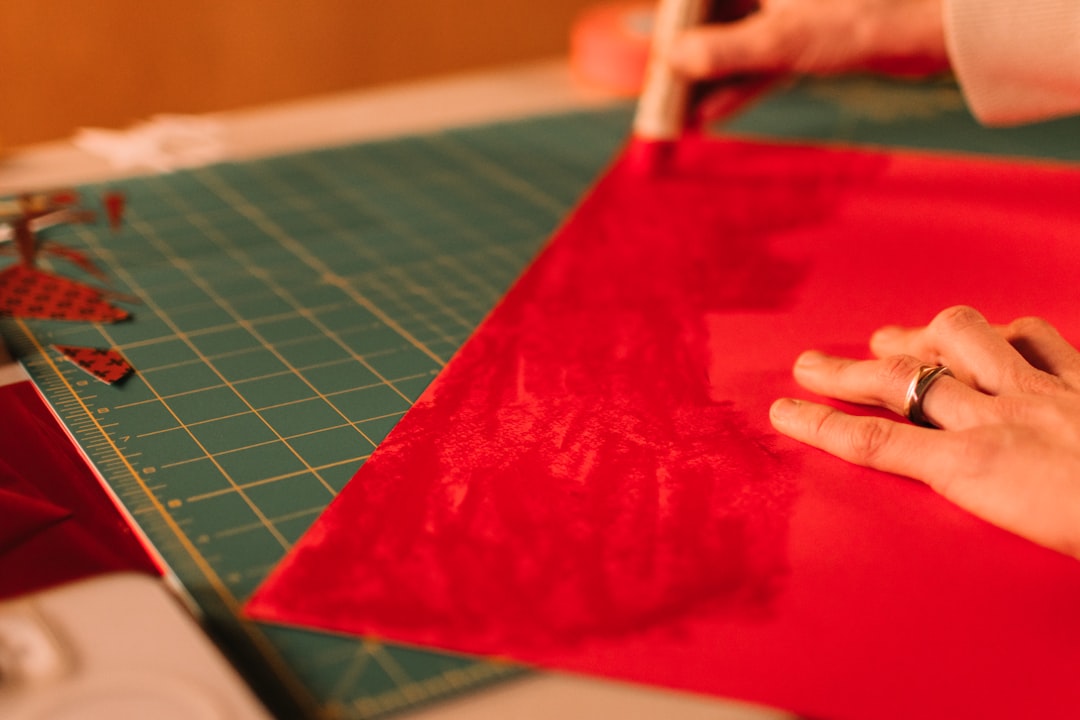
You’ve probably experienced it. A seemingly innocuous swipe of a page, a carelessly opened envelope, and then… a sharp, stinging agony. You look down, and there it is: a tiny, red line on your finger. A paper cut. Why, you ask yourself, does such a small, insignificant injury unleash such disproportionate pain? It’s not your imagination; there’s actual science behind the torment of a paper cut.
It’s a common misconception that paper is a soft, blunted material. In reality, the edge of a sheet of paper, when examined under a microscope, is surprisingly jagged and rough. This deceptive sharpness is the first culprit in your painful encounter.
The Cellulose Fibers: Nature’s Tiny Daggers
Paper is made from cellulose fibers, which are derived from wood pulp. These fibers are long and strong, but their edges are not smooth. When paper is manufactured, these fibers are pressed and dried, but the inherent microscopic asperities of the cellulose remain. Think of them not as smooth strands, but as a multitude of minuscule, irregular filaments. When you slide your finger across the edge of a sheet of paper, you’re not gliding over a uniform surface; you’re actually running your skin over countless tiny, sharp protrusions. These fibers act like miniature saws, slicing through the delicate layers of your epidermis.
The Guillotine Effect: A Rough Break
The cutting action of paper isn’t a clean, precise slice like that of a sharp knife. Instead, it’s more akin to a mini-guillotine or a sawing motion. The irregular fibers catch and tear at your skin rather than cleanly severing it. This tearing action causes more damage to the surrounding tissues and nerve endings, amplifying the sensation of pain. The ragged edge of the paper creates microscopic tears and rips, stretching and stressing the skin beyond its natural elasticity. This is why even a shallow paper cut can feel so intense – the damage isn’t just a single clean incision; it’s a network of micro-traumas.
The Illusion of Smoothness: A Deceptive Surface
The visual appearance of paper suggests a smooth, uniform surface. You can’t see the microscopic unevenness with the naked eye. This disconnect between perception and reality is key. You don’t brace yourself for a paper cut like you would for slicing your finger with a knife. The unexpected nature of the injury contributes to the shock and perceived severity of the pain. It’s an insidious foe, hiding in plain sight, and its attack is often a surprise. This element of surprise, coupled with the actual physical damage, creates a significant neurological response.
Paper cuts, though seemingly minor injuries, can be surprisingly painful due to the high concentration of nerve endings in our fingertips. The science behind why these small cuts hurt so much is explored in detail in various articles, including one on the Freaky Science website. For a deeper understanding of the mechanisms at play, you can read more in this related article: Freaky Science.
The Exposed Nerves: Why Your Fingertips Are So Sensitive
Your fingers, particularly your fingertips, are incredibly rich in nerve endings. This is not by accident. These sensitive pads are your primary tools for exploring the world through touch, texture, and temperature. This heightened sensitivity, however, makes them exceptionally vulnerable to pain.
High Density of Mechanoreceptors: Feeling Every Nuance
Your fingertips are densely packed with various types of mechanoreceptors – specialized nerve endings that respond to mechanical pressure and vibration. These include Meissner’s corpuscles, which are exquisite at detecting light touch and flutter, and Merkel’s discs, which are sensitive to sustained pressure and fine details. When a paper cut severs these nerve endings or irritates them, the signals sent to your brain are intense. The brain interprets these signals as sharp, localized pain, and because there are so many of these receptors in the area, the sensation is amplified. They are designed to pick up even the slightest touch, and a paper cut exploits this sensitivity to its full potential.
The Function of Fingertips: Exploration and Dexterity
Think about how you use your fingers. You use them to grasp, to feel the texture of objects, to manipulate small items, and to distinguish between different shapes and surfaces. This constant engagement with the environment is only possible because of their acute sensory capabilities. Paper cuts directly interfere with these critical functions, and the pain serves as a strong warning signal to withdraw your hand and protect this vital part of your anatomy. The very features that make your fingertips so adept at exploring the world also make them incredibly susceptible to pain.
The Pain Pathway: A Direct Route to the Brain
Once a nerve ending is stimulated – in this case, by the jagged edge of paper – it sends an electrical signal along the nerve fibers towards your spinal cord and then up to your brain. The closer and more numerous the nerve endings are to the point of injury, the faster and more robust the signal will be. Fingertips have a very short distance for this signal to travel before reaching the brain, and because of the density of nerves, the signal is incredibly strong. This direct and efficient pathway ensures that you are immediately aware of the injury.
The Lack of Bleeding: A Deceptive Sign
One of the peculiar aspects of a paper cut is that it often doesn’t bleed much, or sometimes at all, despite the sharp pain. This lack of significant bleeding can be misleading, making you underestimate the injury. However, this characteristic is also tied to why they hurt so much.
Superficial Wounding: Targeting the Epidermis’s Nerve-Rich Layer
Paper cuts typically occur in the epidermis, the outermost layer of your skin, or the uppermost part of the dermis. While the epidermis is relatively avascular (meaning it has few blood vessels), the dermis is rich in blood vessels and nerve endings. The stinging pain of a paper cut comes from the irritation and damage to the nerve endings located just beneath or within the severed epidermis. The paper’s edge often slices horizontally or at a shallow angle, primarily affecting the nerve-rich stratum germinativum of the epidermis and the papillary dermis without necessarily severing larger blood vessels.
Capillaries and the Minimal Leak
The small blood vessels in the upper dermis are called capillaries. While they are abundant, they are also very fine. A paper cut may nick or tear these capillaries, but it often doesn’t sever larger venules or arterioles that would cause significant bleeding. The minimal blood spill you see is usually a slow ooze from these damaged capillaries. The pain, however, is caused by the damage to the incredibly dense network of nerve endings in the same superficial layers, which are much more plentiful and sensitive than the capillaries.
The Role of Inflammation: A Delayed but Potent Response
Even with minimal bleeding, the body initiates an inflammatory response to begin the healing process. This involves sending immune cells and growth factors to the injured site. While not immediate, the inflammatory cascade can contribute to the persistent throbbing pain that often follows a paper cut. The body’s reaction to perceived damage, even minor, includes increased blood flow and a buildup of fluid, which can put pressure on nerve endings.
The Absence of Laceration: A Different Kind of Damage

Unlike a clean cut from a sharp blade, a paper cut doesn’t create a smooth, distinct laceration. Instead, it inflicts a more complex, jagged wound that causes prolonged irritation.
Tearing and Ripping: The Microscopic Damage
As mentioned earlier, the action of paper on skin is more of a tearing and ripping motion than a clean slice. This means the edges of the wound are irregular and frayed at a microscopic level. These uneven surfaces continuously irritate the surrounding nerve endings, sending persistent pain signals to the brain. It’s like having a rough edge constantly rubbing against a raw wound. The jagged nature of the break means that skin cells are not neatly separated, but rather pulled and stretched, leading to cellular damage that signals pain.
Prolonged Irritation: The Lingering Ache
The rough edges of the paper cut wound continue to rub against the delicate, exposed nerve endings with every movement of your finger. This constant friction and irritation are what contribute to the lingering ache and stinging sensation long after the initial injury. Your body’s attempt to heal involves the formation of granulation tissue and the laying down of new collagen, but this process can take time, and during this period, the wound remains sensitive and prone to re-injury.
The “Sticking” Sensation: Adhesion and Re-opening
Sometimes, the rough edges of a paper cut can also lead to a “sticking” sensation, especially if exposed to moisture or if bandages adhere to the wound. This adhesion can cause minor re-openings of the wound, reigniting the sharp pain. This is a testament to the complex and irregular nature of the damage inflicted by even seemingly innocuous paper. The micro-hooks of the cellulose fibers can catch on delicate tissues, making the healing process more challenging and prone to setbacks.
Paper cuts, though seemingly minor injuries, can be surprisingly painful due to the high concentration of nerve endings in our fingertips. The science behind why these small wounds hurt so much is fascinating, as it involves the body’s response to injury and the sensitivity of skin in certain areas. For a deeper understanding of this phenomenon, you can explore a related article that delves into the intricacies of pain perception and the unique characteristics of paper cuts. To read more about it, visit this article.
The Body’s Protective Mechanism: Why Pain is a Good Thing
| Science Behind Paper Cuts |
|---|
| 1. Paper cuts are caused by the sharp edge of paper slicing through the skin. |
| 2. The thinness and flexibility of paper allows it to easily penetrate the skin. |
| 3. Paper cuts can be surprisingly painful due to the high concentration of nerve endings in the fingers. |
| 4. The body’s natural response to a paper cut is to send blood to the area to aid in healing. |
| 5. Paper cuts can become infected if not properly cleaned and treated. |
Ultimately, the intense pain of a paper cut serves a vital evolutionary purpose: to protect you. The body’s ability to signal danger through pain is a fundamental survival mechanism.
Warning Signals: Protecting Vulnerable Tissues
The sharp, immediate pain of a paper cut is a powerful warning signal from your nervous system. It tells you that your skin has been compromised and that you should immediately withdraw your hand to prevent further damage. This rapid response is crucial for preventing deeper injuries, infection, or loss of function. The intensity of the pain is directly proportional to the perceived threat, and the delicate nature of the fingertip makes it a high-priority area for such warnings.
Preventing Infection: The Immediate Reaction
The break in your skin, however small, creates an entry point for pathogens. The pain encourages you to take immediate action, such as washing the wound and applying a bandage, thereby reducing the risk of infection. A less painful cut might be ignored, leading to a higher chance of bacteria entering the bloodstream and causing a more serious health issue. The sharp, undeniable nature of the pain ensures that you don’t dismiss or delay the necessary protective measures.
The Importance of Touch: A Delicate Balance
Your sense of touch is a complex and vital aspect of your interaction with the world. Paper cuts, while painful, highlight the incredible sensitivity of your fingertips and the delicate balance the body maintains to ensure both exploration and protection. The pain serves as a reminder of the vulnerability of these highly functional appendages and reinforces the importance of being mindful of their exposure. It’s a powerful lesson in the intricacies of your own biology, delivered through a seemingly trivial everyday annoyance. The sensation of pain, though unpleasant, is ultimately a testament to the sophisticated protective systems your body possesses.

Why Paper Cuts Hurt (It’s Not What You Think)
FAQs
What causes paper cuts?
Paper cuts occur when the edge of a piece of paper or cardboard slices into the skin, typically on the fingers. The thin, sharp edge of the paper can easily penetrate the skin, causing a small, but painful, cut.
Why do paper cuts hurt so much?
Paper cuts can be particularly painful because the cut is often very shallow, affecting the sensitive nerve endings close to the surface of the skin. Additionally, the cut is often in a location that is frequently used and moved, such as the fingers, which can exacerbate the pain.
How do paper cuts heal?
Like any other minor cut, paper cuts heal through the body’s natural healing process. The body forms a blood clot to stop the bleeding, and then new skin cells begin to grow and repair the damaged area. Keeping the cut clean and protected can help prevent infection and promote faster healing.
Are paper cuts more prone to infection?
While paper cuts are generally shallow, they can still be prone to infection if not properly cleaned and cared for. The risk of infection is higher if the cut is contaminated with dirt, ink, or other substances. It’s important to clean the cut with soap and water, apply an antiseptic, and keep it covered with a bandage.
Can paper cuts be prevented?
While it’s difficult to completely prevent paper cuts, taking precautions such as handling paper carefully, using tools like letter openers, and keeping the skin moisturized can help reduce the likelihood of getting a paper cut.