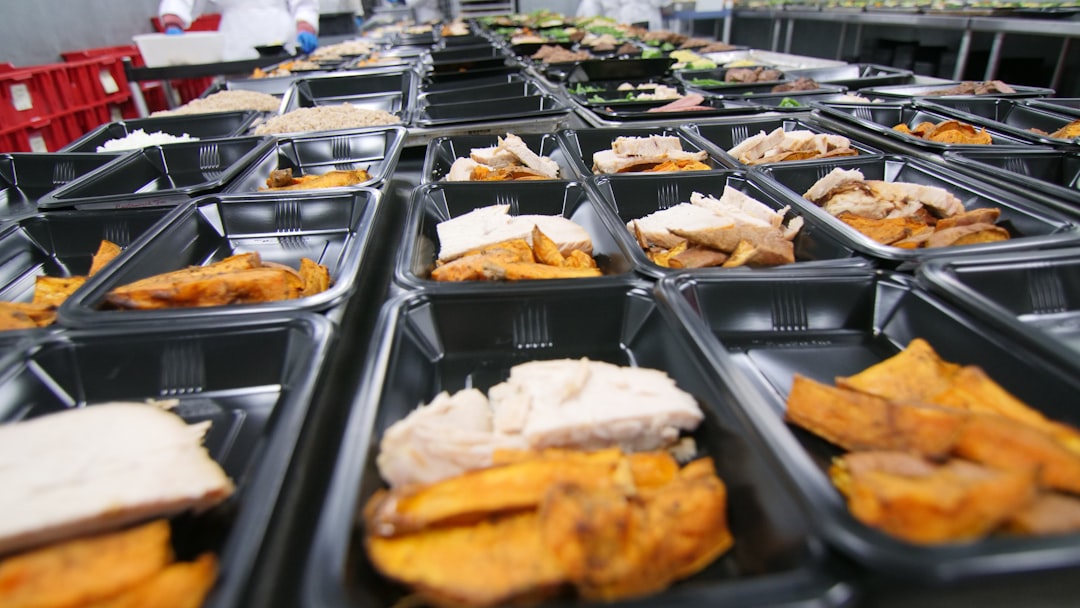
You’re standing in the grocery store aisle, surrounded by a dazzling array of foods. From perfectly ripe tomatoes year-round to pre-portioned meals that promise a delicious dinner in minutes, it’s a testament to human ingenuity. But have you ever stopped to wonder about the science behind it all? The journey from a seed in the ground to the plate in your hand is a complex and fascinating one, driven by centuries of scientific discovery and innovation. This isn’t just about farming anymore; it’s about applied biology, chemistry, engineering, and even data science.
Your food starts its journey long before it reaches your local market. The very building blocks of agriculture are undergoing a scientific revolution, focusing on increasing yields, improving nutritional content, and doing it all with a lighter environmental footprint.
Breeding the Best: From Mendel to Molecular Genetics
You might remember Gregor Mendel from your biology classes, the monk who meticulously observed pea plants. His work laid the groundwork for our understanding of heredity. Today, plant breeders are far beyond simple cross-pollination.
Traditional Breeding: The Art of Selection
For millennia, humans have been selecting the best plants and animals to breed. This empirical approach, honed over generations, is still incredibly important. You’re essentially picking plants that are more resistant to disease, produce larger fruits, or have a better taste. It’s a slow but steady process of improvement.
Hybridization: Combining Strengths
Modern breeding often involves hybridization, crossing different varieties of the same species to combine desirable traits. Think of the hybrid corn varieties that dramatically increased yields in the 20th century. By strategically crossing inbred lines, breeders create a “hybrid vigor” that results in plants that are more robust and productive.
Marker-Assisted Selection (MAS): Speeding Up the Process
Now, scientists can identify specific genes associated with desired traits using DNA markers. This allows them to screen thousands of seedlings in the lab, identifying those with the right genetic makeup much faster than traditional methods. You’re not waiting years to see if a plant expresses a trait; you can predict it from its DNA.
Genetic Modification (GM): Targeted Improvements
Genetically modified organisms (GMOs) are a more direct and precise way to alter a plant’s DNA. Scientists can insert genes from other organisms to confer traits like pest resistance (Bt crops), herbicide tolerance, or enhanced nutritional value. This allows for highly specific improvements that might be difficult or impossible through traditional breeding alone. You’re not just shuffling existing genes; you’re introducing new, beneficial ones.
Soil Science: The Living Ecosystem Beneath Your Feet
The soil is more than just dirt; it’s a vibrant, living ecosystem crucial for plant growth. Modern agriculture relies heavily on understanding and managing this complex environment.
Soil Health and Microbiome: A Hidden World
You’re increasingly aware of the importance of a healthy gut microbiome. The same principle applies to soil. Billions of bacteria, fungi, and other microorganisms work in symbiosis with plant roots, helping them absorb nutrients and water, and protecting them from pathogens. Scientists are studying these microbial communities to develop ways to enhance soil fertility naturally.
Precision Agriculture and Soil Sensing
Gone are the days of one-size-fits-all fertilization. You’re benefiting from precision agriculture, where sensors collect data on soil moisture, nutrient levels, and pH across entire fields. This information is used to apply fertilizers and water only where and when they are needed, reducing waste and environmental impact.
Cover Cropping and No-Till Farming: Protecting the Soil
Practices like cover cropping (planting non-cash crops to protect and enrich the soil) and no-till farming (minimizing soil disturbance) are scientifically proven to improve soil structure, reduce erosion, and sequester carbon. These methods are vital for long-term agricultural sustainability.
Water Management: Every Drop Counts
Water is a precious resource, and modern food production employs sophisticated techniques to use it efficiently.
Drip Irrigation and Precision Watering
You’ve probably seen drip irrigation systems. These deliver water directly to the plant roots, minimizing evaporation and runoff. Advanced systems use sensors and weather data to optimize watering schedules, ensuring plants get precisely what they need.
Drought-Resistant Crops: Adapting to Climate Change
As climate patterns shift, breeding crops that are more tolerant to drought is becoming increasingly important. Scientists are developing new varieties through traditional breeding and genetic modification to withstand water scarcity.
The science behind modern food production is a fascinating topic that encompasses various fields, including genetics, agronomy, and technology. For those interested in exploring this subject further, a related article can be found at Freaky Science, which delves into the innovative techniques and research that are shaping the future of agriculture and food sustainability.
Feeding the World: From Field to Fork
Once crops are grown and livestock are raised, the next challenge is getting them to you safely and efficiently, while maintaining their quality and nutritional value.
Post-Harvest Technologies: Preserving Freshness and Safety
The journey from harvest to your plate involves a series of scientific interventions designed to prevent spoilage and maintain quality.
Controlled Atmosphere Storage (CAS): Extending Shelf Life
You’ve likely seen fruits and vegetables that seem to stay fresh for an unusually long time. This is often due to controlled atmosphere storage. By carefully regulating the levels of oxygen, carbon dioxide, and nitrogen in storage facilities, the ripening process is slowed down, extending shelf life significantly.
Modified Atmosphere Packaging (MAP): The Science of Your Salad Bag
That bag of pre-washed salad you bought? It’s likely packaged using modified atmosphere packaging. The air inside the package is replaced with a specific mixture of gases, typically nitrogen and carbon dioxide, to inhibit spoilage and maintain the freshness of the produce.
Irradiation: A Safe and Effective Preservation Method
Food irradiation uses ionizing radiation to kill bacteria, insects, and other pests that can cause spoilage and foodborne illness. It’s a safe and effective method that has been approved by regulatory bodies worldwide, and it can extend the shelf life of many food products without altering their nutritional content.
Food Processing: Transforming Raw Ingredients
Processing is often viewed negatively, but it’s a science-driven process that makes many foods accessible, safe, and convenient for you.
Pasteurization and Sterilization: Ensuring Safety
You know pasteurization from milk. This process heats food to a specific temperature for a set period to kill harmful microorganisms. Sterilization goes even further, eliminating all microorganisms. These techniques are fundamental to food safety.
Fermentation: Ancient Science, Modern Applications
Fermentation, the process of using microorganisms like bacteria and yeast to break down food components, is an ancient practice that science has refined. Think of yogurt, cheese, kimchi, and even sourdough bread. It not only preserves food but also enhances flavor and digestibility, and can even introduce beneficial probiotics.
Fortification: Boosting Nutritional Value
You might be surprised to learn that many common foods are fortified with essential vitamins and minerals. This is a public health strategy to combat nutritional deficiencies. For example, iodine is added to salt, and Vitamin D is added to milk.
Supply Chain Logistics: The Unseen Network
The journey of your food involves an intricate and highly optimized global supply chain.
Cold Chain Management: Keeping it Cool
For perishable goods, maintaining a consistent “cold chain” from farm to fork is critical. This involves refrigeration at every stage – during transport, storage, and display. Advances in refrigeration technology and monitoring systems ensure that your food arrives fresh and safe.
Traceability and Food Safety Systems: Knowing Where Your Food Comes From
Modern food production systems employ sophisticated tracking and tracing technologies. From RFID tags to blockchain, you can often find out exactly where your food was produced, processed, and transported, providing an unprecedented level of transparency and accountability.
Innovation on the Plate: Novel Foods and Future Trends

The science of food production isn’t static. Researchers are constantly exploring new frontiers to feed a growing global population sustainably and nutritiously.
Alternative Proteins: Beyond Traditional Meat
You’re seeing a significant shift towards alternative protein sources, driven by environmental and ethical concerns.
Plant-Based Proteins: The Rise of Meat Alternatives
Advances in food science have led to incredibly realistic and delicious plant-based meat alternatives. Scientists are innovating with ingredients like pea protein, soy, and mushroom to mimic the texture, taste, and cooking properties of meat.
Cultivated Meat: Growing Meat in a Lab
Cultivated meat, also known as lab-grown or cell-based meat, involves growing animal cells in a sterile laboratory environment. This technology has the potential to drastically reduce the environmental impact of meat production, using significantly less land and water.
Insect Protein: A Sustainable Solution
While perhaps less appealing to some Western palates, insects are a highly nutritious and sustainable source of protein. Science is exploring ways to process and incorporate insect protein into familiar food products.
Vertical Farming and Controlled Environment Agriculture (CEA)
Imagine growing food in urban centers, year-round, with minimal land and water usage.
Indoor Farming: Year-Round Production
Vertical farms utilize stacked layers of crops grown under controlled conditions, often using hydroponics or aeroponics. LED lighting and precise environmental controls optimize growth, allowing for significantly higher yields in a smaller footprint.
Hydroponics and Aeroponics: Soil-Free Growing
These soilless cultivation methods deliver nutrient-rich water directly to plant roots (hydroponics) or mist them with nutrient solutions (aeroponics). They use less water than traditional farming and allow for greater control over nutrient uptake.
The Role of Data Science and AI: Smarter Food Production
You’re living in the age of big data, and it’s transforming food production.
Predictive Analytics in Agriculture
AI algorithms analyze vast datasets – weather patterns, soil conditions, market trends – to predict yields, optimize planting schedules, and identify potential risks. This allows farmers to make more informed decisions.
Automated Farming and Robotics
Robots are increasingly being used for tasks like planting, weeding, harvesting, and even animal monitoring. Automation can increase efficiency, reduce labor costs, and improve precision.
The Science of Taste and Nutrition: What You Eat Matters
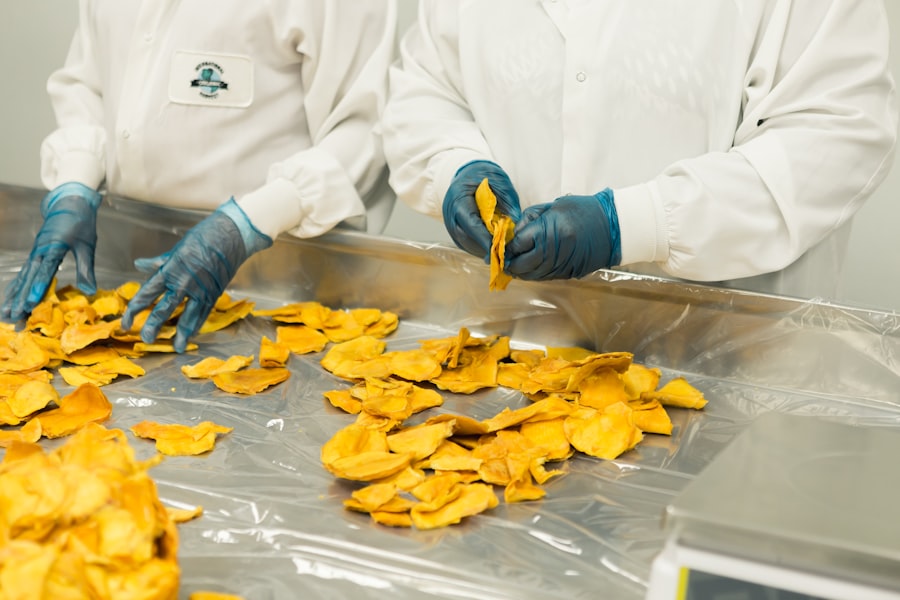
Beyond just production, science plays a crucial role in understanding what makes food appealing and healthy.
Food Chemistry: The Molecules of Flavor
Every bite you take is a complex chemical reaction. Food chemists study the molecules responsible for flavor, aroma, and texture.
Flavor Science and Aroma Compounds
Understanding how different chemical compounds interact is key to developing new flavors and improving existing ones. This science allows for the creation of natural flavorings and the optimization of cooking processes.
Textural Properties and Mouthfeel
The way food feels in your mouth – its crispness, chewiness, creaminess – is a vital part of the eating experience. Food scientists analyze the physical properties of food to manipulate texture for desired outcomes.
Nutritional Science: Fueling Your Body
You know that what you eat impacts your health, and nutritional science is the field dedicated to understanding these connections.
Bioavailability of Nutrients
It’s not just about the nutrients present in food, but how well your body can absorb and utilize them. Scientists study the bioavailability of vitamins, minerals, and other compounds.
Understanding Food-Health Relationships
Research into diet and disease is constantly evolving. Scientists are identifying how different foods and dietary patterns influence your risk of chronic diseases, from heart disease to cancer.
Personalized Nutrition: Tailoring Diets to Individuals
As our understanding of genetics and individual metabolism grows, personalized nutrition is emerging. This aims to provide dietary recommendations tailored to your unique biological makeup.
The science behind modern food production is a fascinating topic that explores the intricate processes involved in growing and processing the food we consume daily. For a deeper understanding of these advancements, you can read an insightful article on the subject at Freaky Science, which delves into the innovations that are shaping agriculture today. From genetic engineering to sustainable farming practices, the article highlights how science is revolutionizing our food systems and addressing global challenges.
Challenges and the Future: Feeding a Growing Planet Responsibly
| Aspect | Metrics |
|---|---|
| Yield | Increased crop yield through genetic modification and precision agriculture |
| Quality | Improved food quality through selective breeding and biotechnology |
| Sustainability | Reduced environmental impact through efficient resource use and waste reduction |
| Safety | Enhanced food safety through advanced monitoring and control systems |
| Efficiency | Increased production efficiency through automation and technology integration |
Despite the incredible scientific advancements, the future of food production faces significant challenges.
Climate Change and Environmental Impact
You’re aware of the urgency of climate change. Agriculture is both a contributor to and a victim of it. Sustainable practices are paramount.
Reducing Greenhouse Gas Emissions
Science is focused on developing farming methods that reduce methane emissions from livestock, improve soil carbon sequestration, and minimize the use of energy-intensive inputs.
Adapting to Changing Climates
Developing crops that can withstand extreme weather events, like floods and droughts, is a critical area of research.
Food Security and Accessibility
Ensuring that everyone has access to safe, nutritious, and affordable food remains a global priority.
Addressing Food Waste
A staggering amount of food is wasted globally. Science is contributing to solutions through improved storage, packaging, and innovative uses for food byproducts.
Equitable Food Distribution
While science can increase production, ensuring equitable distribution and access to food requires social and economic solutions, but also the scientific understanding of efficient and sustainable distribution networks.
Consumer Demand and Transparency
You, as the consumer, are driving change. Your demand for healthier, more sustainable, and ethically produced food is pushing the industry to innovate.
The Importance of Labeling and Information
Clear and accurate labeling, informed by scientific data, allows you to make informed choices about the food you buy.
Public Trust and Education
Building and maintaining public trust in the science of food production requires open communication and education about the safety and benefits of modern agricultural practices.
You are part of this incredible journey. Every time you pick up a piece of fruit, choose a meal, or prepare a dish, you’re interacting with a sophisticated scientific system that has evolved to nourish you, your family, and the world. The ongoing quest to feed humanity sustainably and healthily is one of the most vital scientific endeavors of our time.
We Figured Out How to Turn Air Into Food
FAQs
What is the science behind modern food production?
Modern food production involves the use of advanced technologies and scientific principles to increase crop yields, improve livestock health, and ensure food safety.
How does biotechnology play a role in modern food production?
Biotechnology is used in modern food production to develop genetically modified organisms (GMOs) that are resistant to pests, diseases, and environmental stress, as well as to enhance nutritional content.
What role does precision agriculture play in modern food production?
Precision agriculture utilizes technologies such as GPS, drones, and sensors to optimize the use of resources like water, fertilizers, and pesticides, leading to more efficient and sustainable food production.
How does modern food production contribute to food safety and security?
Modern food production practices, such as stringent quality control measures, traceability systems, and advanced processing techniques, help ensure the safety and security of the food supply chain.
What are the environmental impacts of modern food production?
While modern food production has led to increased productivity, it has also raised concerns about environmental issues such as soil degradation, water pollution, and greenhouse gas emissions. Efforts are being made to mitigate these impacts through sustainable practices and technologies.