
You’re holding a grape. It’s a perfectly ordinary grape, plump and purple, destined for a quick snack or perhaps a fancy garnish. But what if you were to introduce this seemingly mundane fruit to the electrifying embrace of a microwave? You’ve likely seen the viral videos, the mesmerizing blue arcs of plasma dancing between grape halves. It’s more than just a captivating visual; it’s a glimpse into the fascinating science of microwave grape plasma. This isn’t just about making your fruit glow; it’s about understanding fundamental physics and chemistry in a surprisingly accessible way.
You might be wondering, “Why grapes? Why microwaves?” The answer lies in the unique properties of both the fruit and the electromagnetic radiation. When you place a grape in a microwave, you’re essentially creating a contained, high-energy environment. The microwaves, which are a form of electromagnetic radiation with wavelengths typically around 12 cm, are designed to excite water molecules. This is why microwaves are so effective at heating food – the water molecules vibrate rapidly, generating heat. But in the case of a grape, especially when cut in half, something far more dramatic occurs.
The science behind this phenomenon is not immediately obvious, and many people who witness it are simply awestruck. However, by dissecting the process, you can gain a deeper appreciation for the powerful forces at play. It’s a testament to how everyday objects, when subjected to specific conditions, can reveal extraordinary scientific principles. So, let’s delve into the electrifying world of microwave grape plasma and uncover the secrets it holds.
You might think of grapes as simple spheres of fruit, mostly water and sugar. And while that’s not entirely wrong, there are specific characteristics that make them ideal candidates for creating microwave plasma. It’s not just any food that will do this. You could try a slice of cheese, a piece of bread, or even a raw potato, and you’d likely be met with little more than a mess and a burnt smell. The grape’s unique composition and structure are key.
Water Content: The Essential Ingredient
The most crucial element in microwave grape plasma is, unsurprisingly, water. Grapes are composed of approximately 81% water. This high water content is fundamental to the microwave heating process. Microwaves interact with the polar molecules of water, causing them to rotate and collide, generating heat. In a microwave oven, this process is what cooks your food. However, in a grape, this intense and localized heating of water leads to a more complex chain of events.
How Microwaves Interact with Water Molecules
Microwaves operate at a frequency of around 2.45 GHz. At this frequency, the electric field of the microwave oscillates millions of times per second. Water molecules, with their positive and negative ends (due to the oxygen atom being more electronegative than the hydrogen atoms), are dipoles. As the electric field oscillates, it tugs and pulls on these water molecules, forcing them to align with the field. This rapid rotation causes friction between the molecules, which is perceived as heat.
Sugar Content: Fueling the Reaction
Beyond water, grapes also contain a significant amount of sugars, primarily glucose and fructose. These sugars contribute to the overall electrical conductivity of the grape. While water itself has some conductivity, especially when ionized, the presence of dissolved sugars enhances this property. This enhanced conductivity plays a vital role in the formation and sustainment of the plasma.
The Role of Dissolved Sugars
When the grape is heated, the sugars dissolve further in the water. Sugars are carbohydrates, and while they are not inherently ionic, they can contribute to the formation of ions through various chemical processes, especially under extreme conditions like those created in a microwave. The presence of these dissolved solutes creates a more conductive medium, allowing for the build-up and discharge of electrical energy.
The Grape’s Skin: A Crucial Confinement
The skin of the grape is another often overlooked but critical component. When you cut a grape in half, you expose the moist interior. However, the intact skin of the intact grape acts as a semi-permeable barrier. This barrier, while allowing some vapor to escape, helps to trap moisture and concentrate the energy within the grape. This confinement is essential for reaching the critical conditions needed for plasma formation.
How the Skin Influences Energy Concentration
Think of the grape skin as a tiny pressure cooker. As the water inside heats up and vaporizes, the skin prevents it from escaping too quickly. This leads to a build-up of pressure and temperature within the grape. When the microwave energy continues to be applied, this localized concentration of energy can lead to a breakdown of the material, creating the plasma. Without this confining effect, the water would simply evaporate without reaching the necessary conditions for plasma ignition.
The intriguing phenomenon of microwave grape plasma has captured the attention of both science enthusiasts and curious minds alike. This captivating experiment demonstrates how grapes, when placed in a microwave, can produce stunning bursts of plasma due to the unique properties of their structure and moisture content. For a deeper understanding of the science behind this fascinating occurrence, you can explore a related article on the topic at Freaky Science, which delves into the underlying principles and provides insights into the chemistry at play.
The Microwave Oven: A Controlled Energy Source
Your microwave oven, a staple in most kitchens, is not just a food-heating appliance; it’s a sophisticated device that emits controlled bursts of microwave radiation. Understanding how it works is fundamental to understanding how it can turn a grape into a glowing spectacle. It’s a marvel of engineering that, when misused or understood, can produce surprising results.
Magnetron: The Heart of the Microwave
The core component responsible for generating microwaves in your oven is the magnetron. This vacuum tube converts electrical energy into high-frequency electromagnetic waves. These waves are then directed into the cooking cavity, where they interact with the food. The magnetron operates by using magnetic fields to control the motion of electrons, causing them to oscillate at microwave frequencies.
How the Magnetron Generates Microwaves
In a magnetron, electrons are emitted from a cathode and are then accelerated by a high voltage. A strong magnetic field is applied perpendicular to the direction of electron flow. This magnetic field causes the electrons to move in a circular path. As they move, they interact with resonant cavities within the magnetron, causing them to emit microwave radiation. This radiation is then guided out of the magnetron and into the oven cavity.
Waveguide and Cavity: Directing and Reflecting Energy
Once generated, the microwaves travel through a waveguide to the cooking cavity. The cavity itself is designed to reflect these microwaves. The metal walls of the microwave oven bounce the waves around, ensuring that the food is exposed to the radiation from multiple angles. This reflection also creates areas of higher and lower energy intensity within the cavity, known as standing waves.
The Importance of Standing Waves
Standing waves are a phenomenon where waves interfere with each other in such a way that they appear to be stationary. In a microwave oven, these standing waves create hot spots and cold spots within the cavity. When you place a grape in the oven, its position relative to these standing waves can influence how quickly it heats up and how the plasma forms. Placing the grape at a point of high energy intensity is crucial for initiating the plasma.
Power Levels and Cooking Times: Controlling the Intensity
Microwave ovens offer various power levels and cooking times. While you might use these settings to cook your meals, they also play a role in the grape plasma experiment. Higher power levels deliver more microwave energy per unit of time, leading to faster heating and a greater likelihood of plasma formation. Similarly, extended cooking times allow for more energy to be absorbed by the grape.
Why Short, High-Power Bursts Work Best
For microwave grape plasma, short bursts of high power are generally more effective than long periods of lower power. This is because the plasma formation is a rapid, transient event. If the grape simply heats up and dries out slowly, the conditions for plasma might never be reached. A sudden influx of energy, however, can push the grape’s internal environment past a critical threshold.
The Birth of Plasma: A Microscopic Breakdown

The real magic happens when the conditions within the grape reach a critical point. The intense microwave energy, focused by the grape’s structure, leads to a breakdown of the material, forming plasma. This is not a slow cooking process; it’s an almost instantaneous transformation. You’re witnessing a change in the state of matter that is typically seen in much more extreme environments.
Ionization: The First Step
The process begins with ionization. As the water and other components within the grape heat up, they gain enough energy to lose electrons, becoming positively charged ions. This initial ionization can occur due to various mechanisms, including thermal ionization and field ionization.
Thermal Ionization vs. Field Ionization
Thermal ionization occurs when particles gain enough kinetic energy from heat to overcome the binding energy of their electrons. Field ionization, on the other hand, occurs when a very strong electric field can pull electrons away from atoms or molecules. In the context of microwave grape plasma, both are likely contributing factors. The intense electromagnetic field of the microwaves can directly contribute to field ionization, while the rapid heating leads to thermal ionization.
Electron Avalanche: The Chain Reaction
Once a few ions and free electrons are present, a chain reaction can occur. These free electrons are accelerated by the microwave electric field. As they move, they collide with neutral atoms and molecules within the grape. These collisions can impart enough energy to the neutral particles to ionize them, creating more free electrons and ions. This process is known as an electron avalanche.
The Role of Free Electrons in Collisions
The free electrons, being much lighter than ions, are more readily accelerated by the microwave field. They gain kinetic energy and then slam into other particles. If the energy of the colliding electron is sufficient, it can knock an electron off a neutral atom or molecule, creating a new ion and a new free electron. This continuous generation of new electrons fuels the avalanche.
Plasma Formation: The Electrified State
When the rate of ionization exceeds the rate of recombination (where ions and electrons recombine to form neutral particles), a self-sustaining plasma is formed. Plasma is often referred to as the fourth state of matter, distinct from solid, liquid, and gas. It’s an electrically conductive medium composed of ions, electrons, and neutral particles. In the case of grape plasma, this ionized gas is what you see glowing.
What Constitutes a Plasma?
A plasma is characterized by its electrical conductivity and its response to electromagnetic fields. It’s a highly energetic state of matter. The blue glow you observe is a result of excited atoms and molecules releasing energy in the form of light as they return to a lower energy state after being ionized and then de-excited.
The Visible Spectacle: Why It Glows and Dances
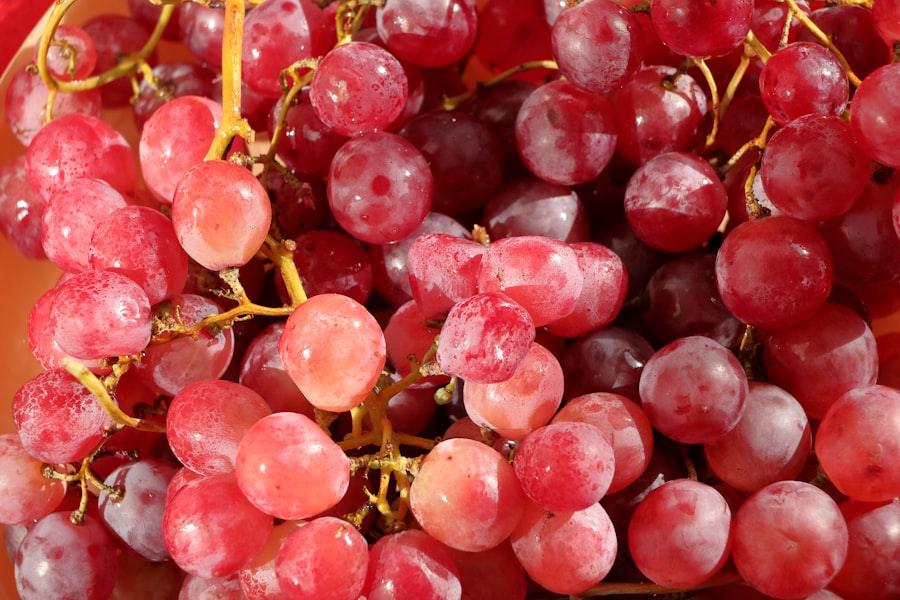
The visual aspect of microwave grape plasma is undeniably captivating. The bright blue glow and the dynamic arcs of light are what draw most people to this experiment. But what exactly are you seeing, and why does it behave the way it does? It’s a beautiful illustration of physics in action.
The Luminescence: Light Emission from Excited Atoms
The blue glow is a form of luminescence. As the plasma forms, the atoms and molecules within the grape are energized. They absorb energy from the microwaves and become “excited” to higher energy levels. When these excited particles return to their ground state (a lower energy level), they release the excess energy in the form of photons – light particles.
Specific Wavelengths of Light
The color of the light emitted depends on the specific atoms and molecules present and the energy levels they are transitioning between. In the case of grape plasma, the prominent blue color suggests that certain elements within the grape, or the molecules themselves, are emitting light in the blue portion of the visible spectrum. This could include excited water molecules, ionized sugars, or even trace elements within the grape.
Arcing and Filamentation: The Electrically Conductive Dance
The dancing arcs of light you see are a phenomenon known as arcing or filamentation. Because the plasma is electrically conductive, it can support the flow of electrical current. The microwave electric field, which is constantly oscillating, creates gradients in the plasma, causing it to break down into localized filaments. These filaments are essentially channels of intense current flow.
How the Oscillating Field Creates Filaments
The oscillating electric field in the microwave oven can create regions of strong electrical potential difference within the plasma. This can lead to the formation of narrow, high-current channels, or filaments, where the plasma is most concentrated and brightest. The rapid oscillation of the field causes these filaments to shift and move, creating the dynamic, dancing effect.
Static Electricity and Tesla Coils: Analogies to Understand the Behavior
You might have observed that the grape plasma can sometimes seem to “reach out” or exhibit unusual electrical behavior. These phenomena can be better understood by drawing analogies to well-known electrical demonstrations. While not a perfect comparison, understanding concepts like static electricity and how Tesla coils work can shed light on the underlying principles.
Static Electricity as a Precursor
Static electricity, where charges build up on surfaces, is a simpler form of electrical discharge. The initial ionization within the grape is a form of charge separation. The subsequent arcing is a visual manifestation of this charge attempting to equalize, similar to how a static shock occurs.
Tesla Coils and High-Frequency Discharge
Tesla coils are devices that generate very high-voltage, high-frequency alternating current. They are known for producing spectacular electrical discharges. While a microwave oven operates at a different frequency and power, the principle of creating and sustaining electrical discharges in a gaseous medium is similar. The intense electromagnetic field in the microwave oven can induce strong currents and create plasma discharges akin to miniature, controlled versions of what you might see with a Tesla coil.
The fascinating phenomenon of microwave grape plasma has intrigued many science enthusiasts, revealing the unexpected ways in which microwaves interact with food. This captivating topic is explored in depth in a related article that delves into the science behind this unique occurrence. If you’re curious to learn more about the mechanics of plasma formation and the role of microwaves, you can check out the article here. Understanding these principles not only enhances our knowledge of physics but also sparks curiosity about the everyday items we often take for granted.
Safety and Ethical Considerations: Respecting the Power
| Experiment | Result |
|---|---|
| Microwave Power | 700-800 watts |
| Grape Size | Medium to large |
| Plasma Formation | Visible within 5-10 seconds |
| Plasma Color | Blue-purple |
| Explanation | Electromagnetic waves ionize the grape’s skin, creating plasma |
While the science of microwave grape plasma is fascinating, it’s crucial to approach this experiment with caution and a healthy respect for the power of microwave radiation. This isn’t a casual kitchen experiment; it requires understanding the risks involved.
Potential Hazards of Microwave Plasma
The most immediate hazard is the potential for fire. The intense heat and electrical discharges generated can ignite the grape or other materials within the microwave. Additionally, while the plasma itself is contained within the microwave cavity, improper handling or a malfunctioning microwave could pose risks.
Fire Risk and Material Ignitability
The high temperatures generated by the plasma can easily cause the grape to char and burn. This can lead to smoke and potentially a small fire within the microwave. It’s essential to have a fire extinguisher or baking soda nearby as a precaution.
The Importance of Supervision and Proper Equipment
If you decide to experiment with microwave grape plasma, it’s vital to do so under adult supervision, especially if you are younger. Ensure you are using a microwave in good working condition and that you understand the principles outlined above. Never attempt to run a microwave empty or with materials not intended for microwave use.
Using Designated Microwave-Safe Materials
Always use microwave-safe containers and avoid using metallic objects. While the grape itself is the focus, any additional materials introduced into the microwave cavity should be evaluated for their safety in a microwave environment.
Ethical Implications of Food Manipulation
Beyond the immediate safety concerns, there are also broader ethical considerations regarding the manipulation of food. While this experiment is a demonstration of scientific principles, it’s important to be mindful of wasting food unnecessarily. If you are experimenting, do so with a clear purpose and an understanding of the scientific learning outcome.
Responsible Experimentation and Food Waste
Consider the purpose behind the experiment. Is it for educational value, scientific inquiry, or simply curiosity? If it’s for learning, ensure that the knowledge gained justifies the use of the food item. In a world where food security is a concern, responsible experimentation is key.
The Future of Microwave Plasma Applications
While grape plasma is a fun demonstration, the underlying science of microwave plasma has significant real-world applications. From sterilization and industrial processing to advanced materials science and even potential medical applications, the controlled generation and manipulation of plasma are areas of active research and development. Understanding the basics with a grape can provide a gateway to appreciating these more complex technologies.
Industrial and Scientific Uses of Plasma
Microwave plasma technology is used in various industries. For instance, it’s employed in semiconductor manufacturing for etching and deposition processes. It’s also used for surface treatment, sterilization of medical equipment, and in advanced lighting technologies. The ability to control and tailor plasma properties makes it a versatile tool.
In conclusion, you’ve seen how a simple grape, when subjected to the controlled energy of a microwave, can transform into a mesmerizing display of scientific principles. You’ve learned about the vital role of water and sugar, the intricacies of microwave technology, and the fundamental processes that lead to the birth of plasma. While the visual spectacle is captivating, it’s the underlying science that truly makes microwave grape plasma a remarkable phenomenon. Remember to approach this with curiosity, respect, and a commitment to safe and responsible experimentation.

A Fork and a Spoon React Differently in a Microwave. Why?
FAQs
What is microwave grape plasma?
Microwave grape plasma is a phenomenon that occurs when a grape is cut almost in half and then heated in a microwave. The grape forms a plasma, which is a state of matter similar to gas but with some key differences.
How does microwave grape plasma work?
When a grape is cut almost in half and placed in a microwave, the electromagnetic radiation causes a buildup of energy at the point where the grape halves are still connected. This energy ionizes the gases released by the grape, creating a plasma.
Is microwave grape plasma safe to create at home?
Creating microwave grape plasma at home can be dangerous and is not recommended. The high energy levels involved in creating plasma can lead to potential hazards, including electrical arcing and the risk of fire.
What can we learn from studying microwave grape plasma?
Studying microwave grape plasma can provide insights into the behavior of plasmas and the effects of electromagnetic radiation on matter. This research can have applications in fields such as physics, chemistry, and materials science.
Are there other fruits or objects that can create plasma in a microwave?
While grapes are the most well-known example of creating plasma in a microwave, other small, round fruits such as cherry tomatoes or even a single grape with a small slit can also produce a similar effect. However, caution should be exercised when attempting to create plasma in a microwave with any object.